Nana Wu
The Connectivity Standards Alliance (CSA) has officially unveiled its latest advancements in smart home technology, marking a pivotal moment for the Internet of Things (IoT) landscape. During the second day of its annual "Unify" conference, the organization announced the launch of Matter 1.6 and Product Security 1.1. These updates aim to address long-standing pain points in device commissioning, cross-ecosystem interoperability, and global cybersecurity compliance, reinforcing the CSA’s commitment to an open, secure, and unified smart home future.
Main Facts: The Core of the Matter
The release of Matter 1.6 represents a focused effort to refine how smart devices communicate and adapt to the specific needs of end-users. While previous versions of Matter established the baseline for interoperability, version 1.6 introduces "tactile" and "intelligent" features that simplify the user experience from the moment of purchase to daily operation.
Key features of Matter 1.6 include:
- NFC-Based Commissioning: A significant leap over the previous Bluetooth LE-reliant setup, allowing for full device commissioning via NFC, even before the device is connected to a power source.
- Joint Fabric: A robust evolution of the Multi-Admin toolkit, enabling multiple authorized controllers to co-manage a shared Matter network.
- Thermostat Suggestions: A shift toward "suggested" rather than "forced" automation, allowing for a more nuanced interaction between smart ecosystems and climate control hardware.
- Expanded Operational Transparency: Enhanced standardized reporting for device capabilities, security sensor history, and clearer status indicators for safety-critical devices like smoke and carbon monoxide detectors.
Simultaneously, the introduction of Product Security 1.1 marks a shift in the CSA’s certification strategy. Moving beyond individual hardware components, the new security framework now encompasses the entire IoT ecosystem—gateways, applications, and remote processes—thereby streamlining the compliance process for manufacturers operating in multiple international markets.

A Chronology of Progress
To understand the significance of Matter 1.6, one must view it within the broader timeline of the CSA’s journey toward total interoperability.
- 2022: The official launch of Matter 1.0, which promised to break down the "walled gardens" of smart home giants like Apple, Google, and Amazon.
- 2023-2024: Incremental updates (Matter 1.1 through 1.4) focused on expanding device support—including cameras, energy management systems, and specialized sensors—while refining stability.
- 2025: The introduction of Matter 1.4.1 began the transition toward more efficient setup processes, laying the groundwork for the NFC-driven advancements seen today.
- June 2026 (Present): The launch of Matter 1.6 and Product Security 1.1, shifting the industry focus from "connectivity" to "intelligence and compliance."
The rapid evolution of these standards reflects the increasing complexity of modern smart homes. As the number of connected devices per household rises, the need for standardized, secure, and user-friendly management tools has become an existential necessity for the IoT industry.
Supporting Data and Technical Nuances
The technical improvements in Matter 1.6 are not merely cosmetic; they address fundamental inefficiencies in the installation lifecycle.
The Shift to NFC-Based Commissioning
Historically, commissioning a smart device involved a multi-step process: identifying the QR code, initiating a Bluetooth pairing sequence, and waiting for the device to join a local Wi-Fi or Thread network. Matter 1.6 removes the requirement for the device to be mains-powered or Bluetooth-active during the initial stage.
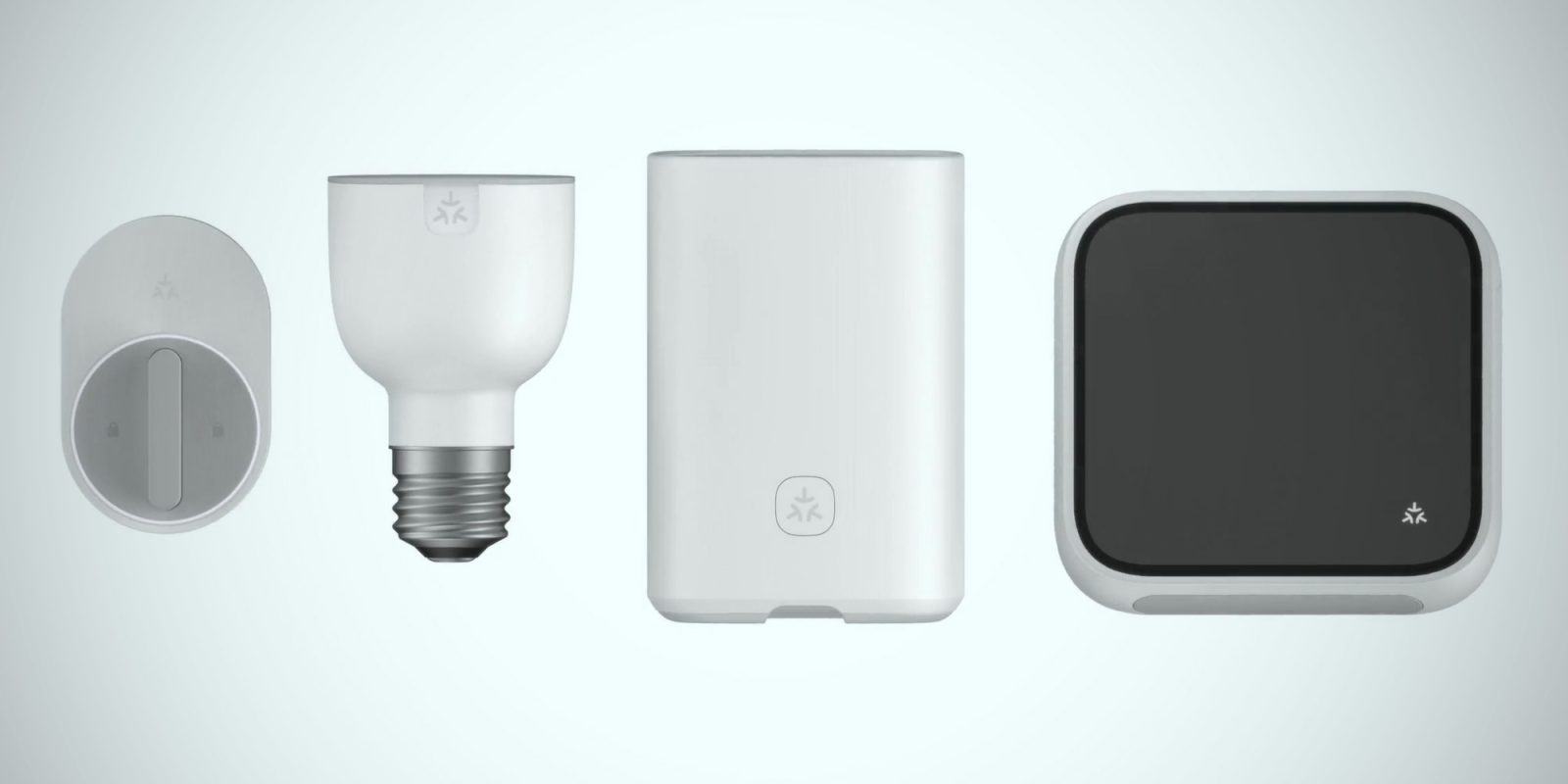
By leveraging NFC, a contractor or homeowner can commission a light bulb while it is still in its packaging or an in-wall switch before the electrical wiring is finalized. This capability is expected to significantly reduce installation times for professional installers and smart-home enthusiasts alike.
Intelligent Climate Control
The introduction of "Thermostat Suggestions" is a response to the "automation conflict" problem. In previous iterations, different ecosystems might fight for control over a thermostat, resulting in erratic temperature changes. Under Matter 1.6, the ecosystem provides a "suggestion" (e.g., "Set the temperature to 72°F due to occupancy"), which the thermostat hardware then evaluates based on local data—such as internal humidity levels or user-defined preferences—before executing the command. This fosters a "negotiation" model rather than a "command-and-control" model.
Official Responses and Industry Impact
The CSA’s commitment to open standards was further bolstered by the announcement that ADT and Telink have joined the organization’s Board of Directors. This inclusion signals that major players in the security and semiconductor sectors are fully aligning their roadmaps with the Matter standard.
In a statement during the Unify event, CSA leadership emphasized that Product Security 1.1 is designed to "bridge the gap between disparate international cybersecurity standards." For manufacturers, this is a major financial relief. Previously, a company looking to sell a smart device globally had to certify the same product against the EU’s Radio Equipment Directive (RED), Singapore’s Cyber Security Labeling Scheme, and various regional standards.

Product Security 1.1 streamlines this by providing a unified evidence-gathering process. By certifying to the CSA’s updated standard, manufacturers can demonstrate compliance across multiple international jurisdictions simultaneously, reducing the barrier to entry for smaller firms and lowering overhead costs for global brands.
Implications for the Consumer and the Industry
The implications of these updates extend well beyond technical specifications. They fundamentally alter the power dynamic in the smart home market.
For the Consumer: True Interoperability
The "Joint Fabric" feature is perhaps the most significant benefit for the average user. Until now, managing devices across different ecosystems (e.g., using both Apple Home and Google Home) often required complex workarounds or resulted in a fragmented experience. With Joint Fabric, a user-authorized controller can share the state of a device across multiple ecosystems seamlessly. This means a smart lock can be controlled by both a family member’s iPhone and a secondary wall-mounted tablet running a different OS, without needing separate, redundant setup procedures for each.
For Manufacturers: Security as a Competitive Advantage
Product Security 1.1 introduces two distinct levels of security assurance, allowing manufacturers to choose the level of protection that matches their product’s risk profile. This moves the industry toward a "security-by-design" culture. As regulatory bodies in the EU and North America tighten laws regarding the security of IoT devices, the CSA’s certification program provides a reliable "stamp of approval" that consumers can trust.

The Path Forward
The release of the Matter 1.6 specification and the accompanying SDK means that developers can begin integrating these features immediately. As these updates permeate the market, we can expect to see a new generation of "pre-commissionable" hardware hit the shelves by late 2026.
The industry’s transition from mere connectivity to "intelligent, secure, and collaborative" systems marks the maturation of the smart home. While the goal of a completely frictionless home is still a work in progress, Matter 1.6 and Product Security 1.1 provide the necessary framework to turn that vision into a reliable, day-to-day reality.
For those interested in the future of the IoT, the path forward is clear: the focus is no longer on how to connect a device, but on how to make that device a secure, intelligent, and unobtrusive part of the user’s life. The CSA has provided the blueprint; it is now up to the manufacturers to build the next generation of the connected home.

 Ammar Sabilarrohman
 Jia Lissa