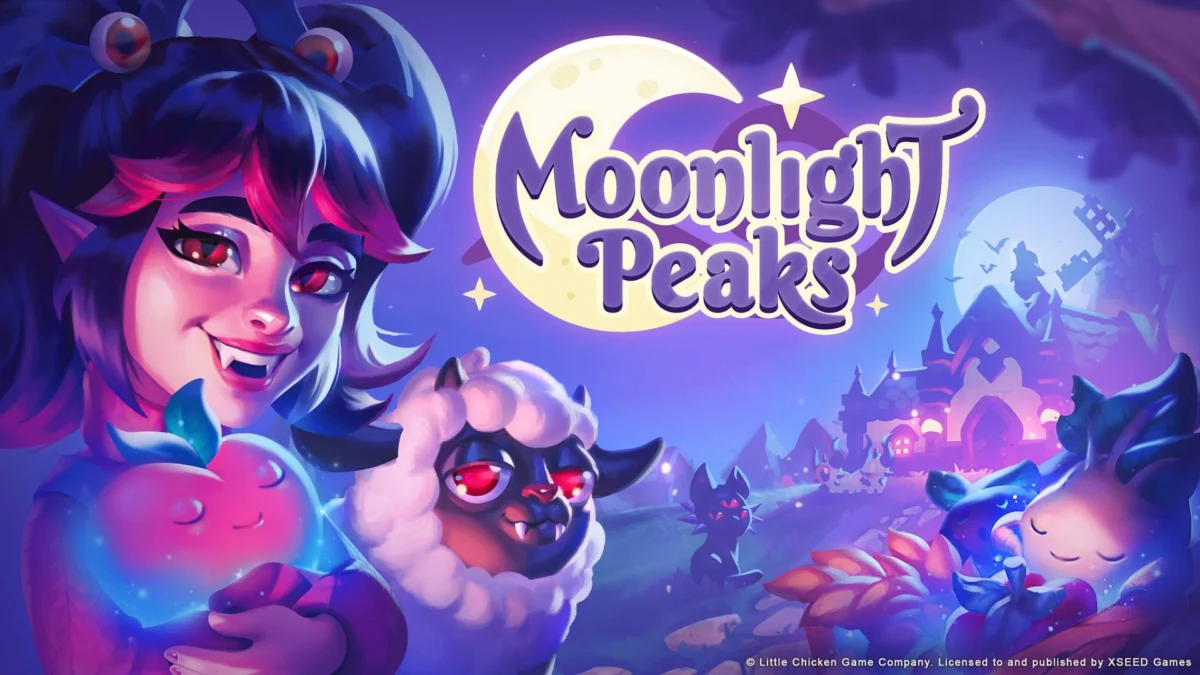
In the ever-expanding universe of "cozy" gaming, where players are tasked with restoring dilapidated farms and befriending eccentric townsfolk, the formula has become somewhat predictable. From the titan that is Stardew Valley to the whimsical charm of Fae Farm, the genre thrives on routine, sun-drenched harvests, and the soothing cadence of seasonal change. However, Moonlight Peaks, the latest title from developer Little Chicken and publishers XSEED Games and Marvelous, arrives with a deliberate, haunting twist: it forces us to abandon the daylight and embrace the shadows.
Released on July 7, 2026, for PC, Moonlight Peaks is a simulation RPG that swaps the traditional sunny fields for the eternal twilight of a supernatural hamlet. By centering its narrative on a vampire protagonist and shifting the diurnal cycle to a nocturnal one, the game attempts to redefine what it means to be "cozy" in a world of ghosts, werewolves, and magic.
Main Facts: A New Breed of Farming Sim
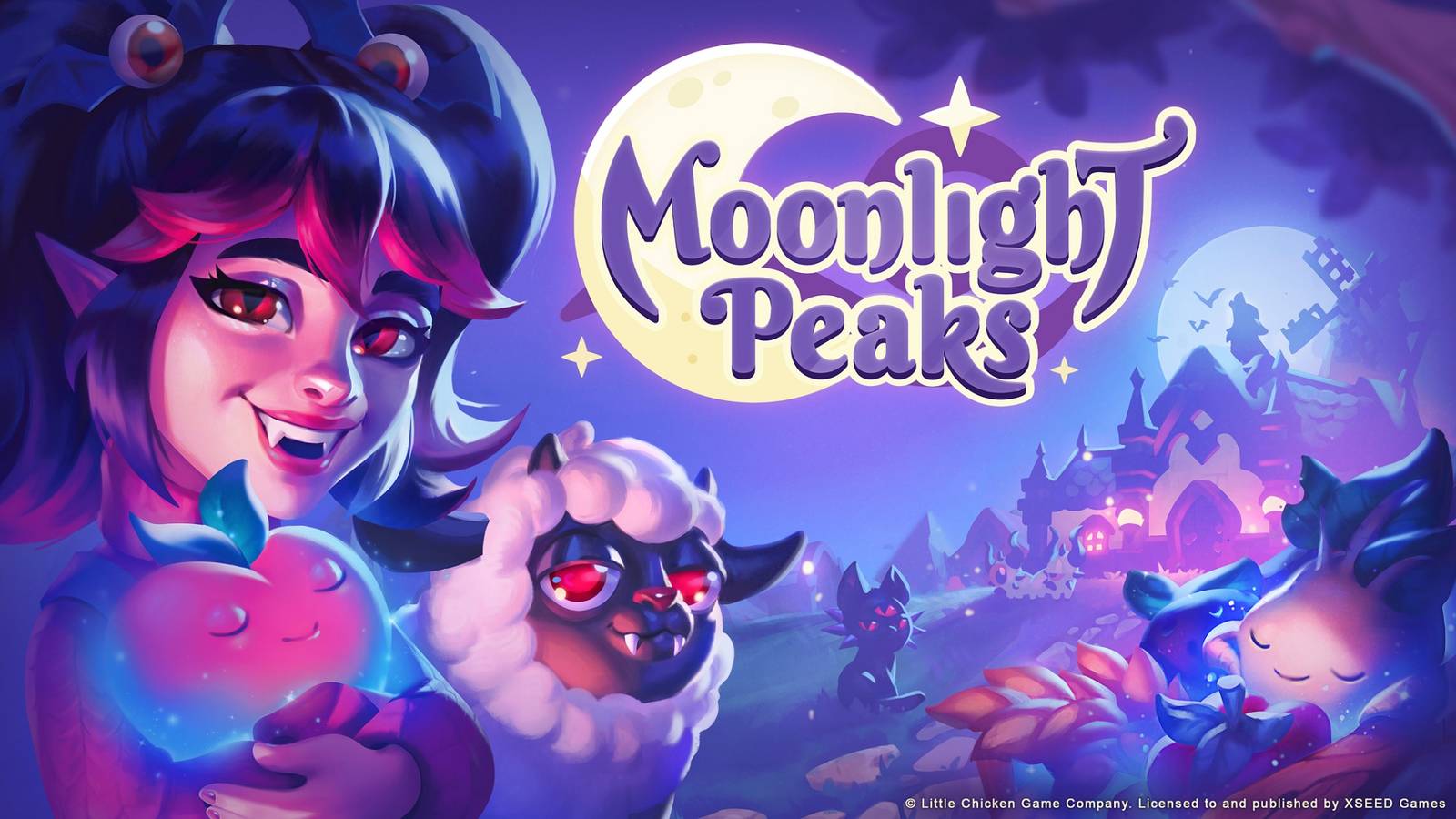
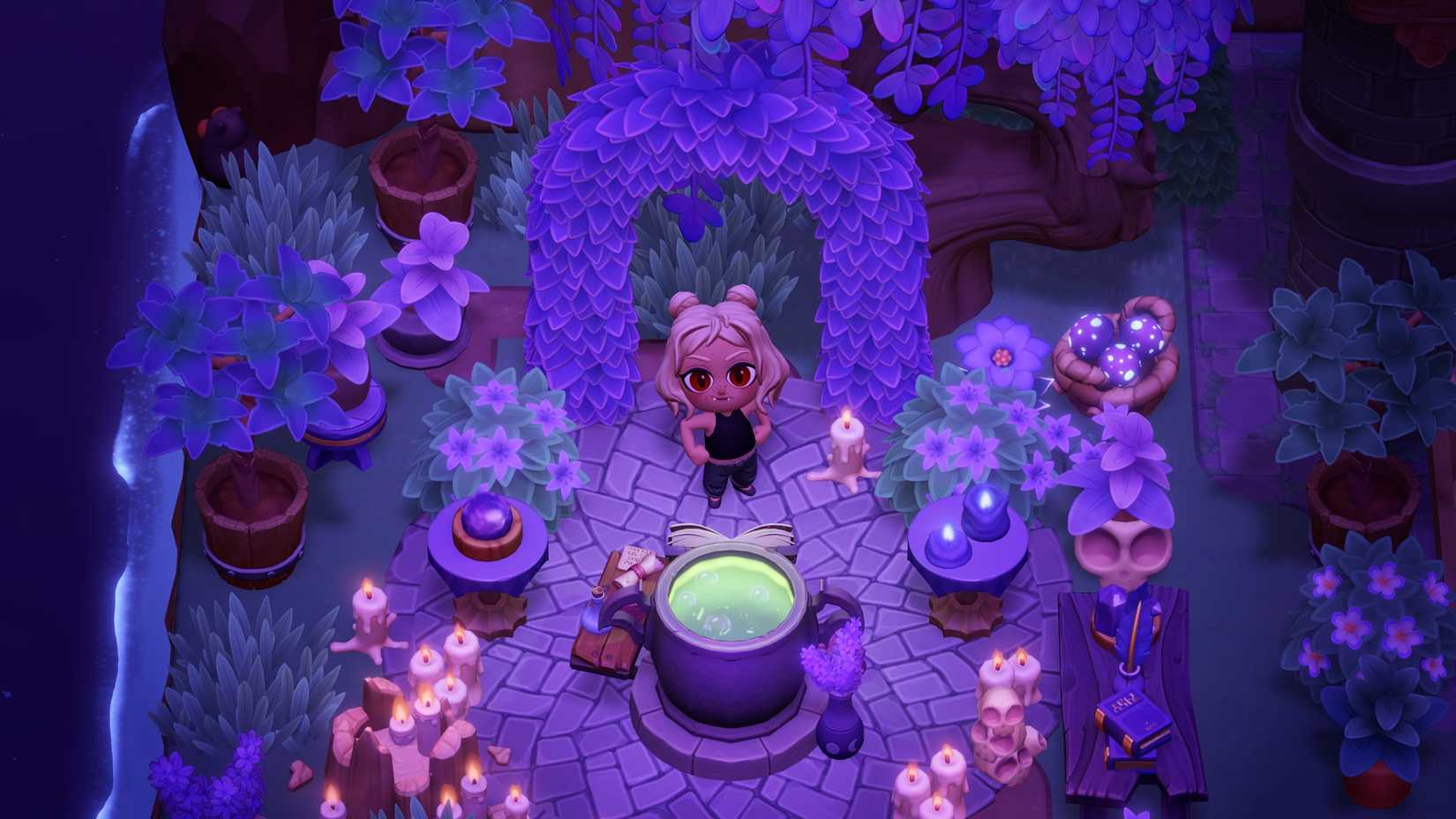
At its core, Moonlight Peaks is a classic life and farming simulator, but its identity is heavily colored by its gothic aesthetic. Players step into the boots of a vampire who has fled their home to reside in the titular town of Moonlight Peaks. Inheriting a neglected, overgrown property, the player must clear the land, plant otherworldly crops, and navigate the social complexities of a town populated by creatures of the night.
Unlike its contemporaries, the game’s core loop takes place exclusively at night. This is more than a mere visual filter; it fundamentally changes the pacing of the game. Where traditional sims punish the player for staying out past midnight—often resulting in the character collapsing from exhaustion—Moonlight Peaks treats the night as the primary hub of productivity. The game features:

- Supernatural Farming: Cultivate crops that thrive under moonlight rather than the sun.
- Spell Casting: Integrated magic systems that assist with farm management and exploration.
- Vampiric Lifestyle: A narrative experience tailored to the specific tropes and constraints of a vampire protagonist.
- Social Dynamics: A deep system of romance and relationship building with a diverse cast of supernatural NPCs.
Chronology: The Journey to Moonlight Peaks
The journey begins with an refreshingly efficient introduction. In an era where modern RPGs often lock players behind hours of unskippable, hand-holding tutorials, Moonlight Peaks respects the player’s time. Upon loading into the game, you are provided with the essential context: why you have left home, the nature of the town you have arrived in, and the immediate necessity of tending your inherited land.
By providing the necessary tools—a workbench and a cooking station—directly into the player’s inventory from the outset, the game encourages immediate agency. Throughout the first few days of gameplay, the player is left to discover the mechanics of the town at their own pace. There is no forced progression through a series of "go here, do that" quests unless the player actively seeks out NPCs for guidance. This design choice highlights the developer’s confidence in the game’s intuitive controls and familiar genre structure.

Supporting Data: Gameplay and Atmosphere
The gameplay loop in Moonlight Peaks is intentionally paced on the slower side. This is a deliberate design choice that emphasizes relaxation over frantic optimization. When sitting down to play, one quickly finds that hours pass with the same ease as the in-game sun, or lack thereof.
The Role of Sound Design
One of the most impressive facets of Moonlight Peaks is its atmospheric sound design. While many titles in the cozy genre focus on cheerful, upbeat MIDI tracks, Moonlight Peaks leans into the ambient sounds of a summer night—crickets, distant rustling, and the low, melodic hum of a magical town. It evokes a distinct sense of nostalgia and serenity.
However, the experience is not without its technical hurdles. During testing, the balance between ambient nature sounds and the background music was problematic. Even with adjustments made in the settings menu, the music often felt buried beneath the ambient soundscape. Whether this is an intentional design choice to emphasize immersion or an audio bug requiring a future patch, it remains a point of contention for players looking to enjoy the game’s original score.
Visual Style and Customization
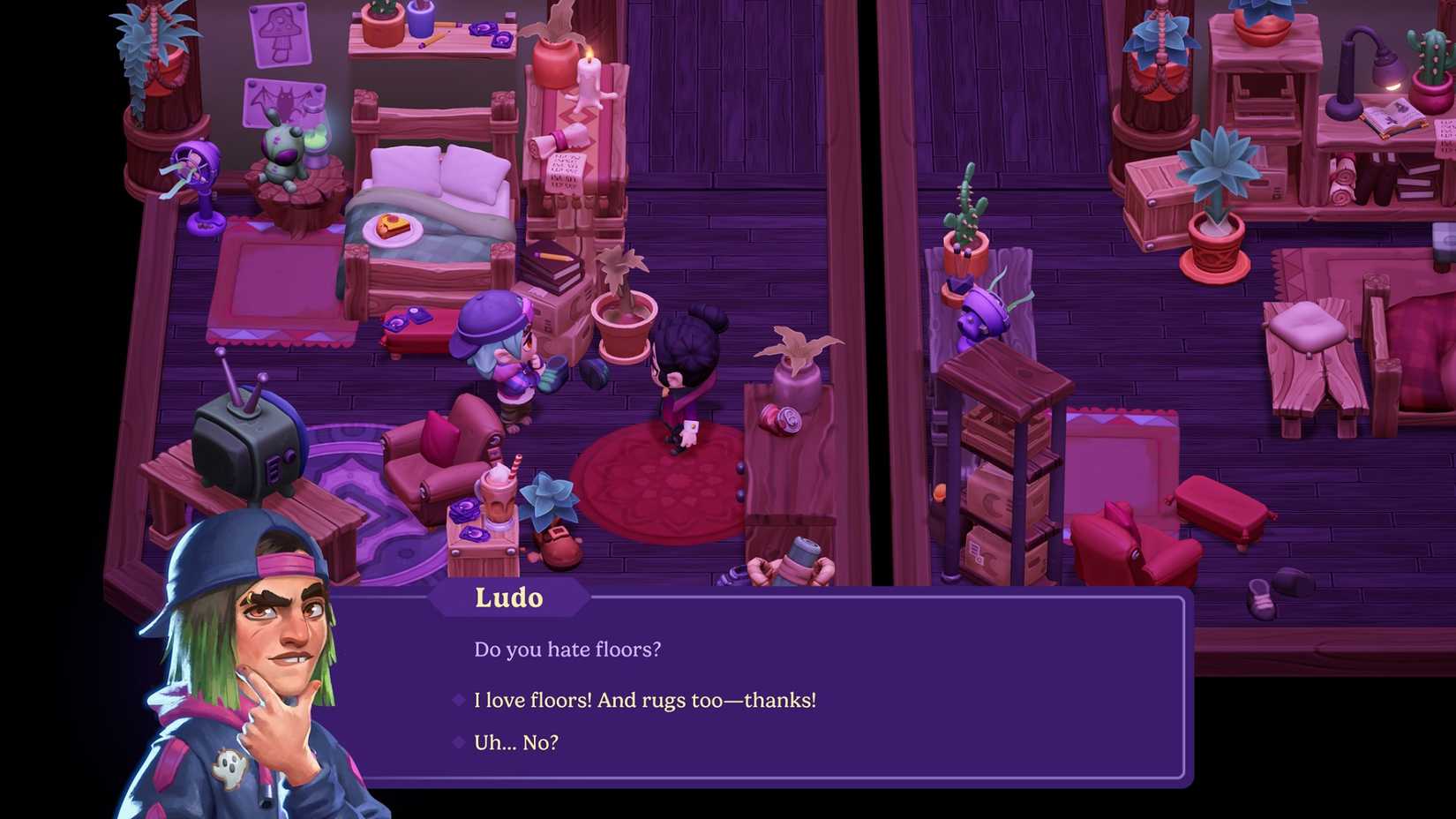
Visually, the game serves as a bridge between the whimsical nature of Fae Farm and the stylized, slightly eerie aesthetic of Costume Quest. The customization options for the player’s home are extensive. The ability to pivot between a "cute" aesthetic and a "spooky" one allows for a high degree of player expression. Early community discourse suggests that the decoration system will likely become a pillar of the game’s longevity, as players take to social media to showcase their uniquely haunted estates.

Official Responses and Developer Intent
While Little Chicken has not released an extensive post-launch roadmap, the community response to the game’s release has been largely positive, focusing on the potential for future expansion. Developers have noted in early interviews that the engine (Unity) and the modular nature of the current quest system are designed to be easily expanded.
The choice to restrict the player to a vampire protagonist has been discussed by the team as a narrative constraint that serves to heighten the game’s identity. By limiting the player’s species, the developers were able to build specific gameplay mechanics—such as the nocturnal schedule and spellcasting—that would have been diluted had they attempted to include multiple playable races at launch. However, the developers have acknowledged fan requests for the ability to play as other supernatural creatures, suggesting that future content updates or expansions could explore these possibilities.
Implications for the Genre
Moonlight Peaks serves as an important case study for the evolution of the cozy gaming genre. It proves that the "farming sim" archetype is not inherently tied to the pastoral, daytime-heavy aesthetic established by Harvest Moon decades ago. By subverting these expectations, Moonlight Peaks carves out a niche for players who identify more with the "Halloween" aesthetic than the traditional agricultural one.
Potential for Growth
The game’s reliance on standard farming simulator controls is both a strength and a weakness. While it makes the game accessible to veterans of the genre, it risks feeling too familiar for those who have exhausted titles like Stardew Valley or Coral Island. The true "hook" of the game is its atmosphere. If the developers can address the audio balancing issues and lean into the unique supernatural aspects of the world, Moonlight Peaks has the potential to become a perennial favorite, particularly during the autumn months.
A New Standard for "Cozy"
The success of Moonlight Peaks hinges on its commitment to its theme. By refusing to compromise on the nocturnal setting, it achieves a level of consistency that few genre-mates manage. The "cozy" label is often applied broadly, but Moonlight Peaks defines a specific kind of coziness: the comfort of the dark, the magic of the unknown, and the satisfaction of building a home where others might only see a graveyard.
In conclusion, Moonlight Peaks is an essential experience for fans of simulation games who are looking for a shift in tone. While it requires some polish—particularly in its audio mixing and keyboard/mouse default control schemes—it stands as a testament to the fact that there is still plenty of room for innovation in the cozy game space. As the game receives post-launch support and patches, it is highly likely that Moonlight Peaks will cement itself as a cornerstone title for those who prefer their harvests by moonlight. Whether you are a veteran of the genre or a newcomer attracted by the gothic charm, this is a title that invites you to pull up a chair, light a candle, and settle in for a long, peaceful night.