Evan Lee Salim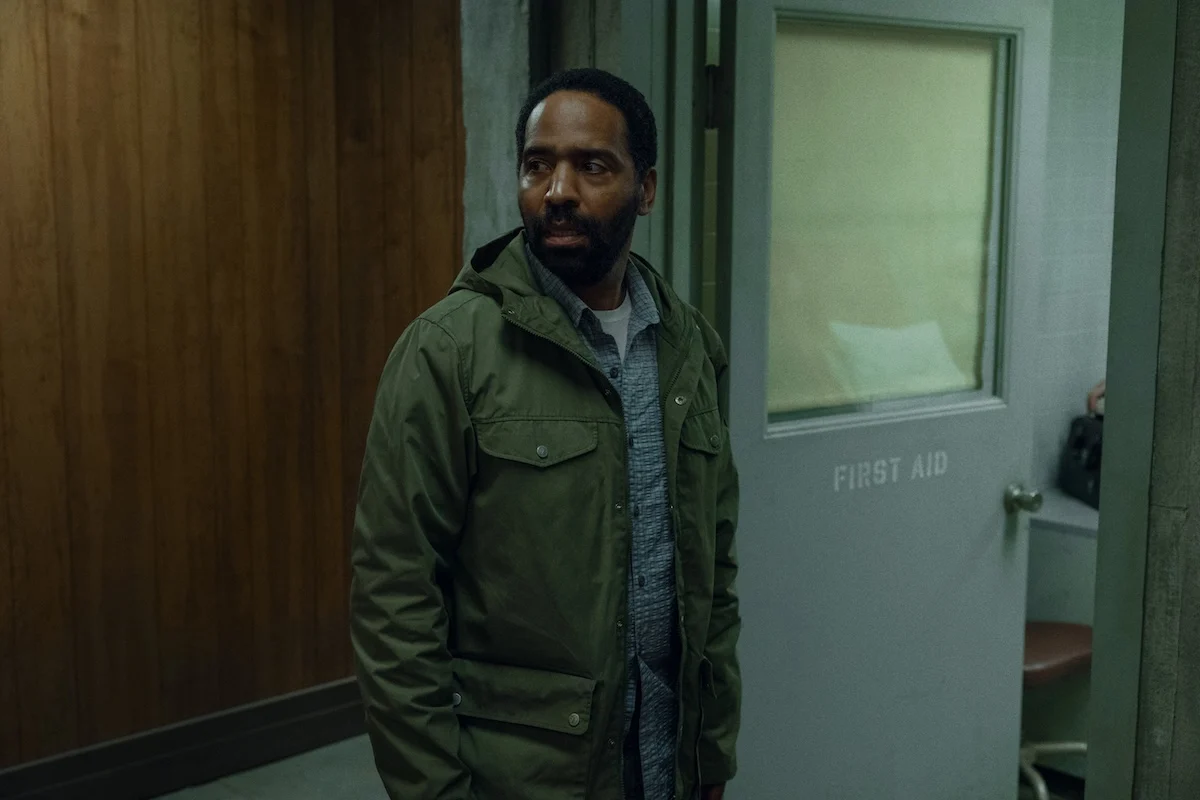
[Editor’s note: The following analysis contains significant spoilers for the Season 1 finale of the Apple TV+ series "Widow’s Bay," titled "We Hope You Enjoyed Your Time!"]
In the landscape of modern television, few shows have managed to balance the existential dread of cosmic horror with the sharp, sardonic wit of a workplace comedy quite like Widow’s Bay. As the dust settles on its inaugural season, the show has cemented its status as a breakout hit, thanks largely to creator Katie Dippold’s unflinching vision and director Hiro Murai’s mastery of atmospheric tension. However, the true heartbeat of the series—and the source of its most harrowing moral dilemmas—remains its protagonist, Tom Loftis, portrayed with heartbreaking, twitchy precision by Matthew Rhys.
The Burden of the Protector: Tom Loftis’s Impossible Choice
At the core of the Season 1 finale, "We Hope You Enjoyed Your Time!", lies a question that would test the resolve of any leader: When faced with an ancient, supernatural curse, how many lives are you willing to destroy to protect the ones you love?
For Tom Loftis, the Lord Island Protector of Widow’s Bay, the finale begins not with a heroic stand, but with a desperate, cowardly flight. As a wicked storm batters the island, Tom ventures out to visit his elderly assistant, Ruth Livingston (K Callan). While the optics suggest a caring employer checking on his charge, the reality is far darker. Tom isn’t hoping to find Ruth alive; he is hoping to find her dead, sparing him the agonizing necessity of ending her life himself.

The logic behind this grim desire is rooted in trauma. Tom’s late wife, Lauren, succumbed to a mysterious, rapid deterioration after suffering a stroke while attempting to flee the island. Left to raise their son, Evan (Kingston Rumi Southwick), in a town where the very air feels tainted by a historic curse, Tom has spent years living in a state of hyper-vigilant terror. When he discovers that Ruth is not only alive but remarkably healthy—her medical files contain a single, hand-written note that simply reads, "Wow!"—his internal conflict reaches a breaking point.
A Chronology of Escalation: From Denial to Despair
To understand the weight of the finale, one must look at the trajectory of the season. Widow’s Bay is a masterclass in narrative pacing. Where other genre shows might languish in "mystery box" storytelling, keeping the audience guessing about the nature of the threat for seasons on end, Dippold’s series refuses to stall.
- The Early Episodes: The series establishes early on that Tom’s fears are not the delusions of a grieving man. The Sea Hag in the bathtub and the physical assaults by town elders are concrete, verifiable threats. The decision to have the show’s supporting cast—led by the formidable Wyck (Stephen Root) and the skeptical Patricia (Kate O’Flynn)—confirm the supernatural reality of the island early on was a stroke of genius. It transformed the show from a psychological study into a high-stakes survival thriller.
- The Mid-Season Pivot: Episodes 4 and 5, "Beach Reads" and "What to Expect on Your Trip," serve as the turning point where the town’s absurdity begins to eclipse its menace. By forcing the characters to acknowledge their reality, the show frees them to fight back, leading to the explosive revelations of Episode 7, where the town’s founder, Richard Warren, makes a literal return from the grave.
- The Finale’s Climax: The final hour acts as a collision of these threads. Tom learns the devastating truth: Ruth is not merely a town secretary; she is the last living link to the island’s bloodline and, through a long-hidden affair with Lauren’s father, is revealed to be Evan’s grandmother. To end the curse, Tom realizes he would effectively have to sacrifice his own kin.
The Philosophy of the "Burning Building"
The thematic resonance of the finale is crystallized in a moment of quiet, human connection. As Tom grapples with the potential murder of Ruth, he finds her cross-stitching a quote from Tennessee Williams: "The world is violent and mercurial. It will have its way with you… We live in a perpetually burning building, and what we must save from it all the time is love."
This quote acts as the moral compass for the entire series. Tom’s journey is one of realizing that his attempt to "protect" his son by controlling the environment of the island is a futile, and ultimately destructive, endeavor. His fear has turned him into a monster in his own right, willing to commit cold-blooded murder to prevent a hypothetical future death.

Ruth’s survival—first from Tom’s botched poisoning, and later from a gunshot wound inflicted by others—serves as a rebuke to Tom’s utilitarian cruelty. By choosing to save her rather than end her, Tom takes the first, tentative step toward reclaiming his own humanity.
Implications for Season 2: A Stormy Horizon
The conclusion of the finale leaves Tom in a precarious position. While he has managed to avoid becoming a murderer, he remains trapped on an island that is, by all accounts, a "house of horrors." The implications for the upcoming second season are profound.
The show has successfully established a world where the line between "the horrors" and "the mundane" is porous. As we look toward the future of the series, the central conflict will likely shift from surviving the island to escaping its influence without losing one’s soul. Tom’s evolution from a man paralyzed by fear to one forced to confront the "violent and mercurial" nature of life provides a rich foundation for future storytelling.
Furthermore, the performances of the supporting cast—particularly Kate O’Flynn’s breakthrough turn as Patricia and Stephen Root’s morally grey pragmatism—have added layers of complexity that ensure the series is about more than just its high-concept premise. The chemistry between the cast members, even when the subject matter is gruesome, is what gives Widow’s Bay its unique, addictive flavor.

Conclusion: The Necessity of Laughter in the Dark
If there is a takeaway from the first season of Widow’s Bay, it is the importance of the balance between the absurd and the terrifying. The show posits that we are all living in a "perpetually burning building." We can choose to spend our remaining time trying to extinguish the fire with buckets of sand, or we can choose to find joy, laughter, and human connection while the walls smolder.
Tom Loftis began the series lamenting that he didn’t take his wife’s theories seriously; he ends the series realizing that taking them too seriously—and operating purely from a place of defensive dread—has robbed him of his life. As the camera pans out over the dark, churning waters of the bay, the message is clear: The horrors will always find a way into your house. The only real victory is refusing to let them dictate who you are when they arrive.
Widow’s Bay has proven itself to be one of the most intellectually and emotionally satisfying horror-comedies of the decade. With a second season already greenlit, viewers are left with a tantalizing prospect: can a man as broken as Tom ever truly find peace, or is he destined to keep contorting his face into variations of terror until the tide finally turns? One thing is certain: we will be watching, laughing, and shivering right along with him.
Quick Facts:
- Series: Widow’s Bay
- Network: Apple TV+
- Creator: Katie Dippold
- Key Cast: Matthew Rhys, K Callan, Stephen Root, Kate O’Flynn, Kingston Rumi Southwick
- Status: Renewed for Season 2

 Nana Wu
 Layla Zulfa