

In the heart of Tokyo’s most electrifying district, where the sensory overload of Harajuku’s street fashion meets the refined stillness of Japanese tradition, a unique hospitality experiment is unfolding. The "MOSHI MOSHI ROOMS" project, spearheaded by the creative powerhouse Asobi System, has carved out a niche that transcends the standard Airbnb experience. By blending the hyper-saturated kawaii (cute) aesthetic with the delicate geometry of ancient paper crafts, the project’s flagship "ORIGAMI" room offers a masterclass in cultural fusion.
This is not merely a place to sleep; it is a curated architectural statement, designed to offer international travelers a portal into both the past and the hyper-modern present of Japan.
Main Facts: The Intersection of Tradition and Pop Culture
The MOSHI MOSHI ROOMS: ORIGAMI is an immersive lodging experience located in the Jingumae neighborhood of Shibuya. It stands as a testament to Asobi System’s overarching mission: to export Harajuku’s vibrant, eclectic pop culture to a global audience.
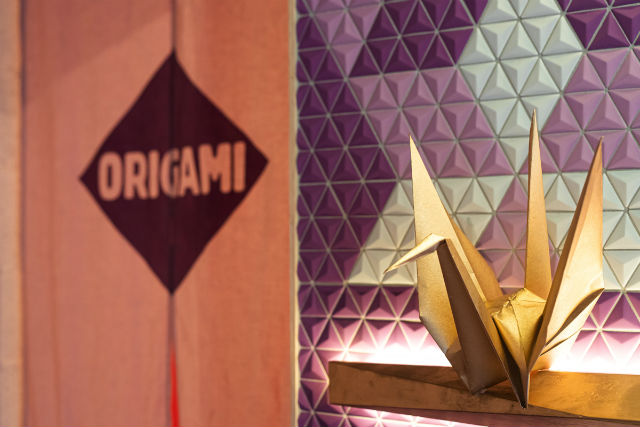
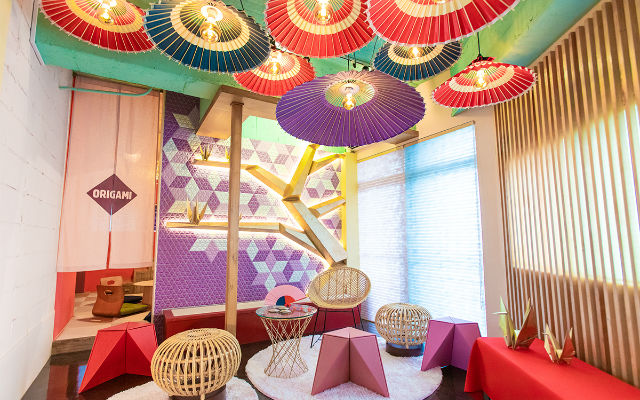
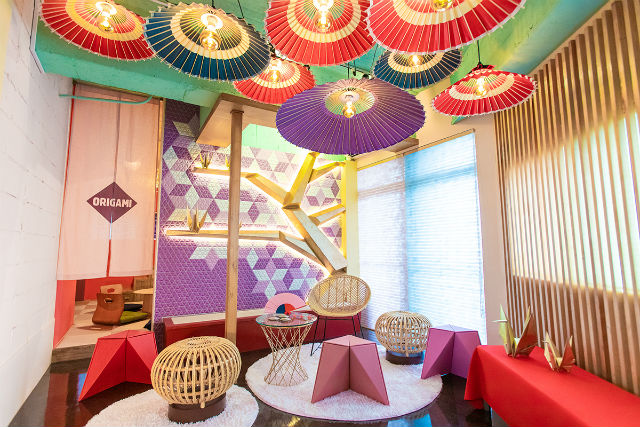
Unlike standard hotel rooms that prioritize neutral palettes and corporate anonymity, the Origami room is an explosion of texture and symbolism. The interior design centers on the art of paper folding, utilizing motifs of cranes, paper fans, and intricate geometric patterns that permeate every corner of the suite. The space functions as a private, high-design apartment capable of hosting up to six guests, making it a centerpiece for groups looking for a "total immersion" Tokyo experience.
A Chronological Evolution: From Sakura to Paper Cranes
The origins of this project lie in the runaway success of the organization’s debut venture: the Sakura-themed penthouse. Several years ago, Asobi System launched a floral-inspired lodging space that became an immediate viral sensation. The Sakura room utilized the iconic cherry blossom motif to create a dreamlike, pink-hued sanctuary that resonated deeply with social-media-savvy travelers.
Following the overwhelming demand for the Sakura suite, the creative team behind MOSHI MOSHI NIPPON sought to maintain the momentum by diversifying their thematic portfolio. They recognized that while the "cute" factor of the Sakura room was undeniable, there was a market for a space that leaned more heavily into the meditative, structural beauty of Japanese craft. Thus, the ORIGAMI room was conceptualized as a thematic sibling—a space that kept the vibrant Harajuku spirit intact but channeled it through the lens of traditional origami.
Since its inception, the room has transitioned from an experimental boutique listing into a recognized landmark for travelers seeking a bespoke, culturally rich alternative to the standard business hotels of Shinjuku or the luxury chains of Minato.
Architectural and Interior Analysis
The Living Space: A Modern Tea House
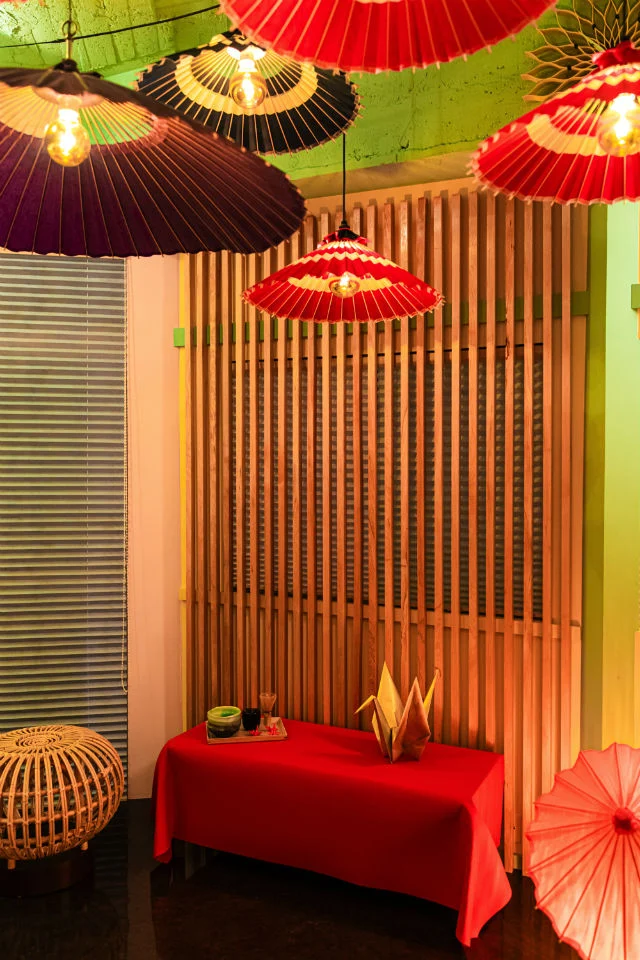
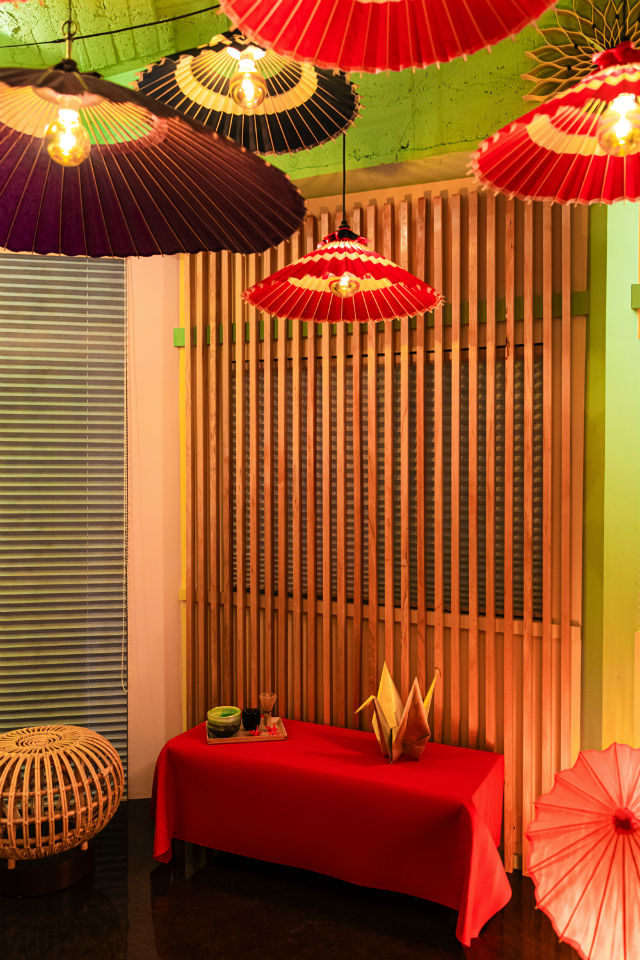
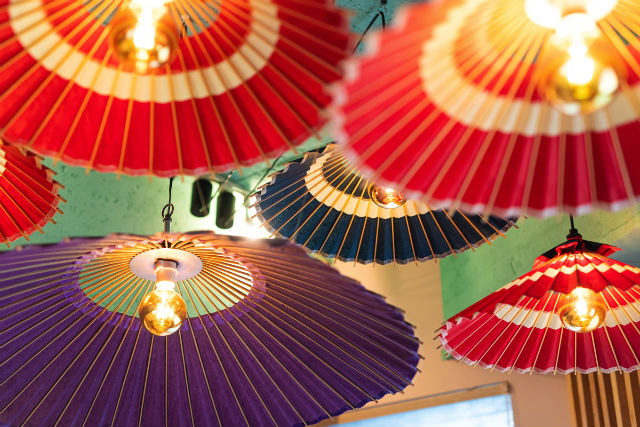
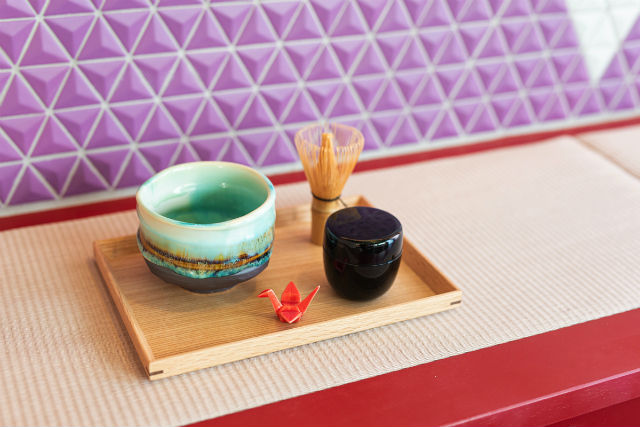
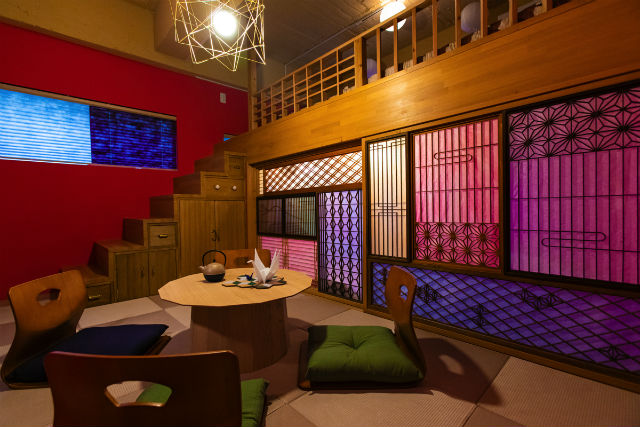
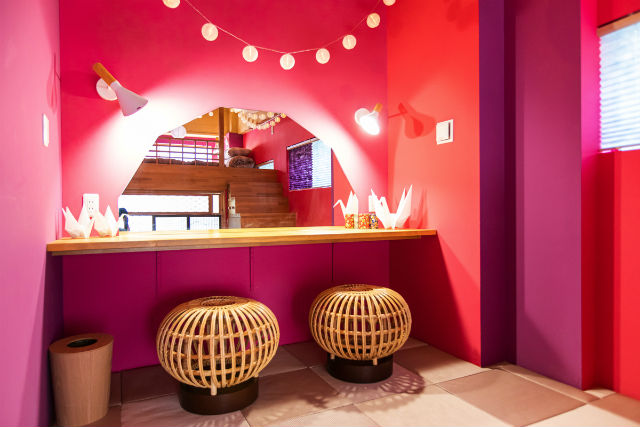
Stepping into the living area, guests are immediately struck by the clever repurposing of traditional elements. The room is furnished with benches and stools that mimic the layout of a classic Japanese chashitsu (tea house). To reinforce the aesthetic, traditional Japanese umbrellas—often seen in historical woodblock prints—are suspended from the ceiling, casting playful, intricate shadows across the room. The inclusion of life-sized origami cranes and paper fans serves as a constant, gentle reminder of the room’s namesake craft, grounding the space in Japanese history while maintaining a bright, playful atmosphere.
The Bedroom: Sunlight and Serenity
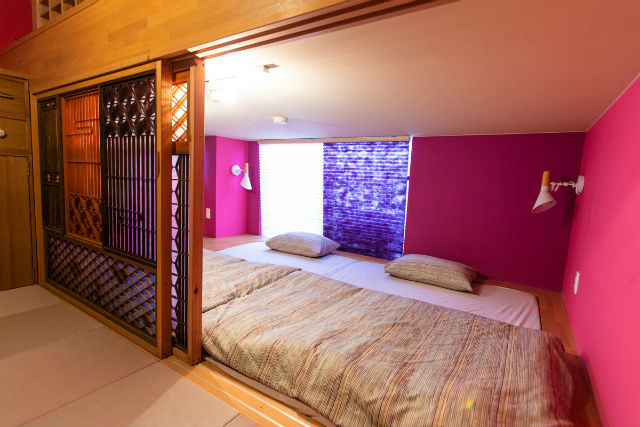
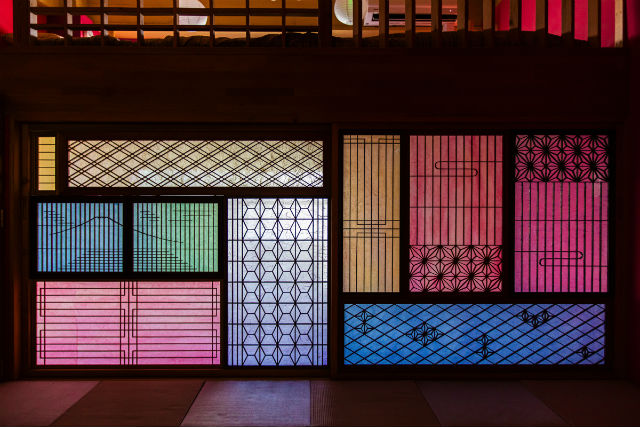
If the living room is for social engagement, the bedroom is designed for respite. The architects utilized shoji-inspired sliding doors that allow soft, filtered sunlight to permeate the space, creating a warm, ethereal glow. By opting for high-quality, comfortable futons rather than Western-style mattresses, the designers have successfully recreated the intimacy of a traditional countryside ryokan (inn), but with the added convenience of being located in the literal epicenter of Tokyo’s youth culture.
Functional Art: From Powder Rooms to Stairways
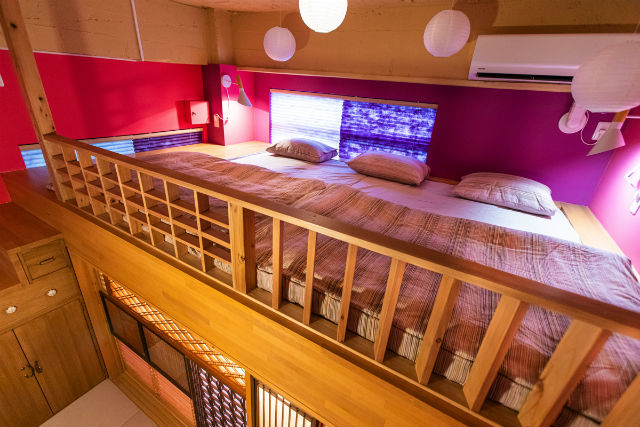
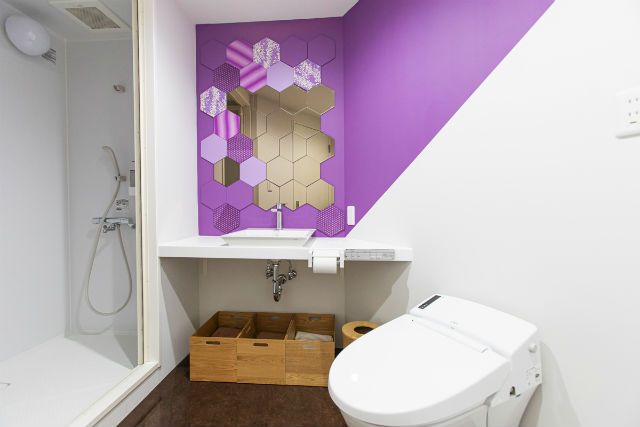
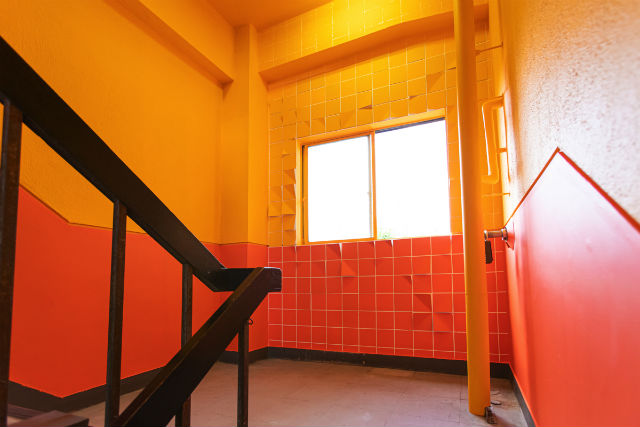
The commitment to the theme is absolute. The origami motif is not relegated to decorative pillows or wall art; it is integrated into the structural fabric of the suite. The powder room and shower facilities feature tiling and fixtures that mirror the angular, folded aesthetics of paper art. Even the stairways, which in most rental properties are treated as transitional "dead space," are fully integrated into the design, utilizing vibrant colors and patterns that ensure the guest remains within the themed environment throughout their entire stay.
Supporting Data and Guest Experience
For the discerning traveler, the logistics of the stay are as follows:
- Capacity: The room accommodates up to six guests, making it an ideal choice for families or groups of friends.
- Accessibility: Situated at 2-18-7 Jingumae, Shibuya, the suite is an eight-minute walk from the Meiji-Jingumae (Harajuku) Station. This provides immediate access to both the Chiyoda and Fukutoshin lines, connecting guests to the rest of the metropolis with ease.
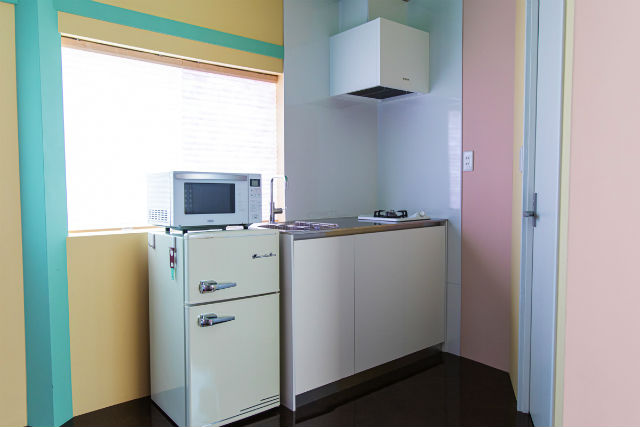
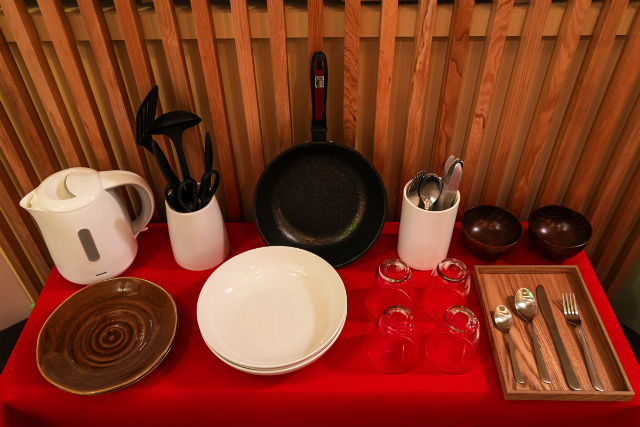
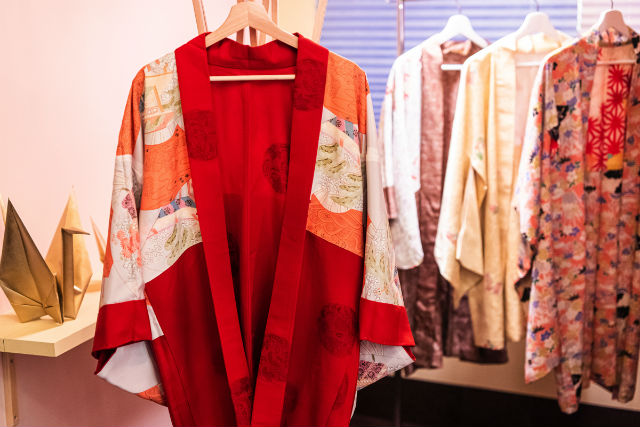
- Amenities: The suite includes a fully equipped kitchen and provides traditional kimonos for guests to wear, further blurring the line between tourist and local.
- The Rooftop: The building features an open-air rooftop space, providing a rare moment of urban solitude where guests can overlook the bustling Harajuku streets from above.
While the price point—approximately 40,000 yen per night (excluding service fees)—is significantly higher than the average Airbnb listing in the area, it reflects the rarity of the design and the prime location. It is priced as a premium, "experience-first" destination.
Official Responses and Creative Philosophy
Representatives from Asobi System have consistently stated that the MOSHI MOSHI ROOMS project is a form of "cultural diplomacy." By creating these environments, they aim to lower the barrier of entry for international visitors who may find traditional Japanese etiquette daunting.
"We want to provide a space where the rigidity of tradition meets the playfulness of the modern Harajuku street," a spokesperson for the project noted in past statements. By providing items like kimonos and tea house seating, they are effectively providing a "tutorial" on Japanese culture within the comfort of a private, familiar setting. The goal is to move beyond the superficial tourism of taking photos in front of shrines and instead offer a space where guests can "live" the aesthetic.
The Broader Implications: The Future of Themed Hospitality
The success of the ORIGAMI room highlights a shifting trend in the hospitality sector: the rise of "micro-thematic" travel. Travelers are increasingly willing to pay a premium for lodgings that offer a strong, singular narrative. In an age of digital platforms like Instagram and TikTok, the "visual potential" of a room has become a primary selling point.
However, the implications go deeper than mere aesthetics. The MOSHI MOSHI ROOMS model suggests that the future of urban tourism in cities like Tokyo lies in the curation of "niche experiences." By partnering with local creatives, designers, and artisans, property managers can transform mundane living spaces into cultural attractions.
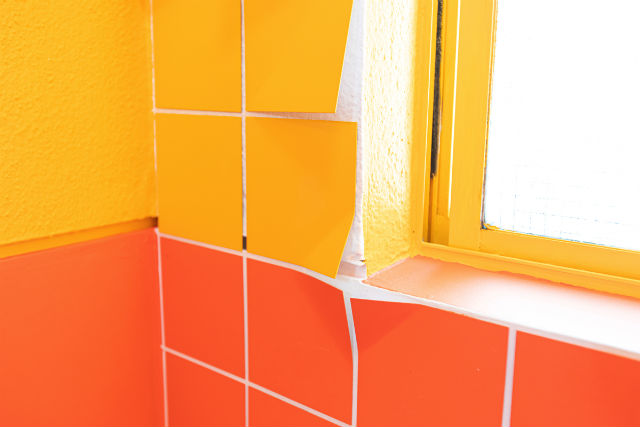
This model, however, is not without its challenges. Maintaining such highly stylized rooms requires constant upkeep, as the delicate paper-themed decorations are prone to wear and tear. Furthermore, as the popularity of these rooms grows, the risk of "Disneyfication"—where cultural elements are reduced to mere props—becomes a valid concern. Yet, for now, the balance struck by the ORIGAMI room remains a successful case study in how a brand can honor local traditions while embracing the fast-paced, colorful evolution of a modern city.
For the traveler who wants to wake up in the heart of the world’s fashion capital without sacrificing the quiet dignity of a traditional inn, the MOSHI MOSHI ROOMS remain the gold standard. Whether one chooses the Sakura penthouse or the Origami suite, the experience promises a tangible connection to the dual nature of Tokyo: a city that never stops moving, but always knows how to fold its past into its future.











