Lina Hope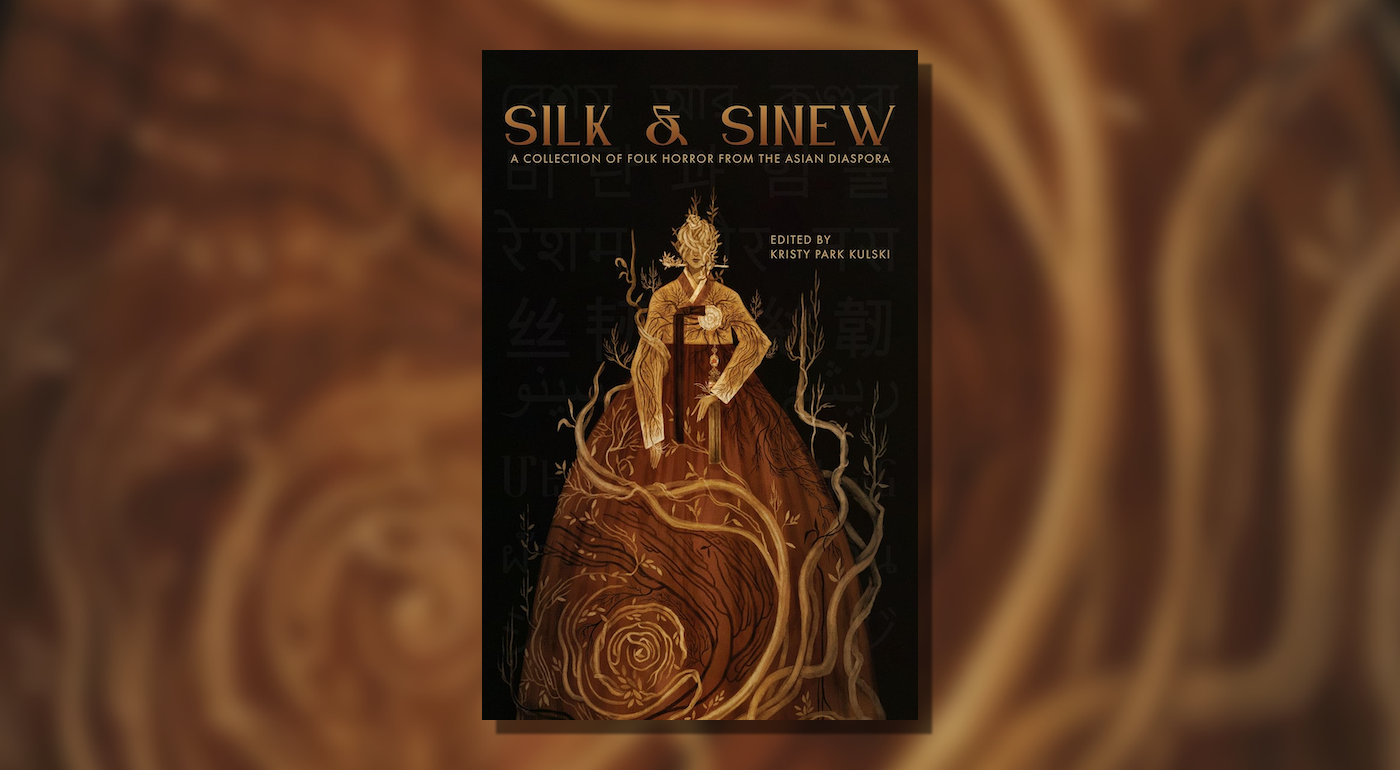
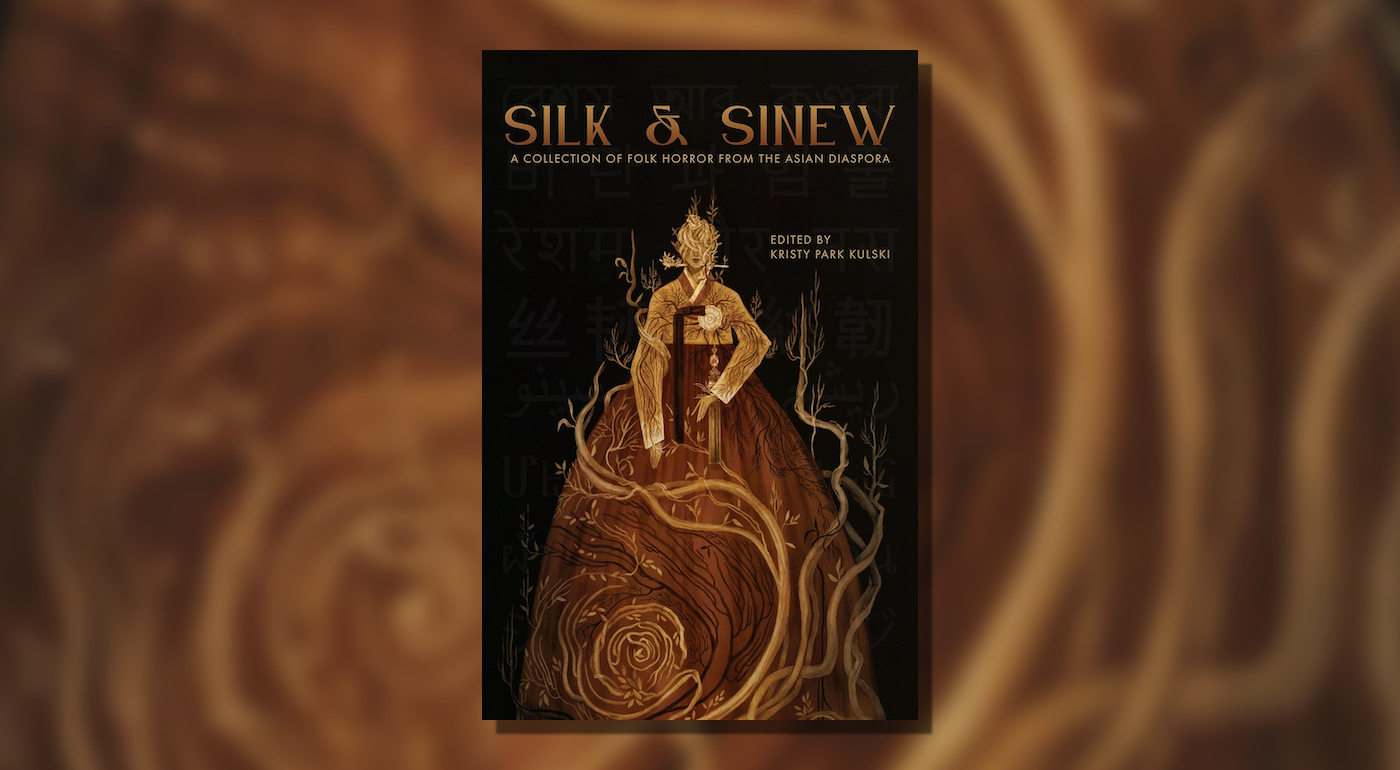
In the landscape of modern folk horror, few works manage to marry the visceral nature of body horror with the structural critiques of colonialist power as effectively as Ayida Shonibar’s short story, "An Unholy Terroir." Featured in the Stoker Award-winning anthology Silk and Sinew: A Collection of Folk Horror From the Asian Diaspora (edited by Kristy Park Kulski), Shonibar’s narrative serves as a harrowing fable regarding the intersection of imperial anxiety, the marginalization of "othered" bodies, and the inevitable insurrection of the oppressed.
The story, which has garnered significant attention for its unflinching examination of structural violence, operates on both a micro-level—the claustrophobic confines of an unnamed, failing village—and a macro-level, reflecting the broader anxieties of the colonial apparatus.
The Architecture of a Failing State: Main Facts and Setting
The narrative centers on an isolated, unnamed village struggling under the weight of a mysterious, bone-shifting disease. The sickness, which strips victims of their humanity and physical integrity, serves as the catalyst for the community’s reliance on the "Provost," an autocratic figure who maintains control through a combination of theological gaslighting and the promise of protection.
The Provost’s authority is absolute but fragile. He governs through a series of "actionable warnings," framing every inconvenience—such as a child’s failure to complete chores—as a divine punishment that necessitates the villagers’ absolute submission. Into this stagnant, monochrome society arrives Titli, a stranger from the southern colonies. Her appearance—brown skin, black hair, and a vibrant shawl reminiscent of a "woven exoskeleton"—immediately disrupts the village’s forced homogeneity.
Titli is a silk-spinner, possessing the unique ability to produce high-quality textiles from her own body. This biological anomaly, combined with the villagers’ superstitious projections, transforms her into a lightning rod for the community’s repressed fears and desires.
A Chronology of Disintegration and Rebirth
The narrative trajectory of "An Unholy Terroir" follows a deliberate, rhythmic decline into chaos:
- The Arrival: Titli’s entrance serves as the first breach in the Provost’s control. The villagers, desperate for a scapegoat for their lingering illness, begin to weave wild fantasies about her, labeling her a cannibal or a fire-breathing monster.
- The Cleansing: In an act of unintended salvation, Titli purges the village’s well of contagion using her fire-breath. Rather than gratitude, the Provost views this as an act of "defiance against heaven," further cementing his role as a tyrant who thrives on misery.
- The Revelation: Through fragmented flashbacks, we learn that Titli’s people were subjected to generations of colonial extraction. Their bodies eventually adapted to their oppression: their fingertips unraveled into silk, allowing them to weave in secret even as their skeletons shifted in agony to achieve a form of defensive monstrosity.
- The Climax: The tension erupts when the Provost attempts to silence Titli and his own daughter, Angelika, who has befriended the outsider. The resulting confrontation reveals that the Provost himself was the architect of the village’s malaise—poisoning the well to maintain his power.
- The Departure: Titli, embracing her full, monstrous transformation, kills the Provost, leaving the villagers to face the dawn of their own liberation as she flies away.
Supporting Data: The Sociology of "Terroir"
The title of the piece, "An Unholy Terroir," is a sophisticated linguistic hook. In agriculture, terroir refers to the environmental factors—soil, climate, and human practice—that give a product its unique character. Shonibar elevates this to a metaphor for the colonial project. The "terroir" of the southern colonies is literally and figuratively poisoned by the presence of the colonizers, creating a toxic environment that forces the native population to adapt in horrific, albeit necessary, ways.
The story echoes the mythological archetype of the Rakshasa from Hindu folklore—demons who are often portrayed as disruptors of the status quo, possessing the ability to shift forms and command fire. By framing Titli as a Rakshasa-like figure, Shonibar challenges the reader to reconsider the "monster." In this context, the monster is not the one with fangs, but the one who mandates the suffering of others to maintain a "civilized" order.
Official Responses and Colonial Anxiety
A crucial component of the narrative is the epistolary element: the letters exchanged between the Provost and the "southern colonial authorities." These documents provide a chilling look into the mindset of the oppressor. The authority describes the indigenous people as "false people," dismissing them as demonic entities shedding "artificial skin."
This rhetoric is a classic example of colonial dehumanization. By labeling the colonized as biological threats—vipers, beasts, and demons—the colonizer justifies the theft of labor and land. The Provost’s reliance on these letters highlights his desperate need to validate his own cruelty through the shared ideology of an imperial hierarchy that views anything it cannot control as an existential threat.
Implications: The Moral of the Warning
"An Unholy Terroir" functions as both a warning and a call to action. Its primary implication is that oppressive systems are inherently unstable; they require constant maintenance, gaslighting, and, eventually, the active poisoning of the people they claim to serve.
The Power of Solidarity
One of the most profound moments in the story is the burgeoning relationship between Titli and Angelika. When Angelika confesses to an act of arson in her father’s study, she bridges the gap between the "monster" and the "citizen." Their collaboration—and their shared rejection of the Provost’s narrative—suggests that liberation is found in the dismantling of binary categories.
The "Other" as a Mirror
The villagers’ projection of cannibalism onto Titli is a transparent psychological maneuver. By accusing her of consuming them, they deflect from the fact that their leader is literally consuming their livelihoods and their health. The story posits that the "other" is often a mirror, reflecting the exact nature of the crimes committed by those in power.
A Cycle of Resistance
The image of the "flying African" or the "golem"—archetypes of oppressed people finding the strength to transcend their physical shackles—is present throughout the text. Shonibar’s specific contribution is the focus on the "silk-spinning" as a form of labor that cannot be fully commodified by the colonizer. It is a secret, internal industry that allows for the creation of beauty and utility in the face of absolute erasure.
Conclusion: The Final Reckoning
"An Unholy Terroir" is a masterful addition to the weird fiction canon. It avoids the pitfalls of didacticism by remaining deeply rooted in the physical reality of its characters—their hunger, their fear, their skin, and their silk.
As the story concludes, the fading shouts of the drowning Provost and the sight of Titli taking flight provide a sense of cathartic, albeit bittersweet, resolution. The village is left to deal with the void left by their oppressor. It is a reminder that the removal of a tyrant is only the beginning of the work. The "unholy terroir" has been exposed, the poison has been identified, and the people, for the first time, are capable of weaving their own future.
For readers of Silk and Sinew, Shonibar’s work stands as a testament to the power of folklore to articulate the complexities of history. It invites us to ask: what have we been forced to turn into in order to survive, and how much of that transformation is our own, and how much belongs to those who tried to break us? In the end, Titli doesn’t just survive the village—she reshapes its reality, leaving behind the lesson that order built on agony will eventually be undone by the very people it sought to suppress.


 Neng Nana
 Layla Zulfa