

For the modern traveler or the busy Tokyo resident, the concept of the "office" has undergone a seismic shift. While Japan has long been famous for its ubiquity of internet cafes—nooks tucked away in urban high-rises offering temporary sanctuary for gamers and stranded salarymen alike—the post-pandemic era has demanded a more refined, professional, and functional environment.
Enter the "Super Concentration" workspace: a new facility by Coin Space, designed specifically to bridge the gap between the chaotic pace of city travel and the rigorous requirements of modern remote work. Situated in the heart of Tama City, this new venture seeks to redefine how we utilize public space for professional productivity.
Main Facts: A New Pillar of Productivity in Tokyo
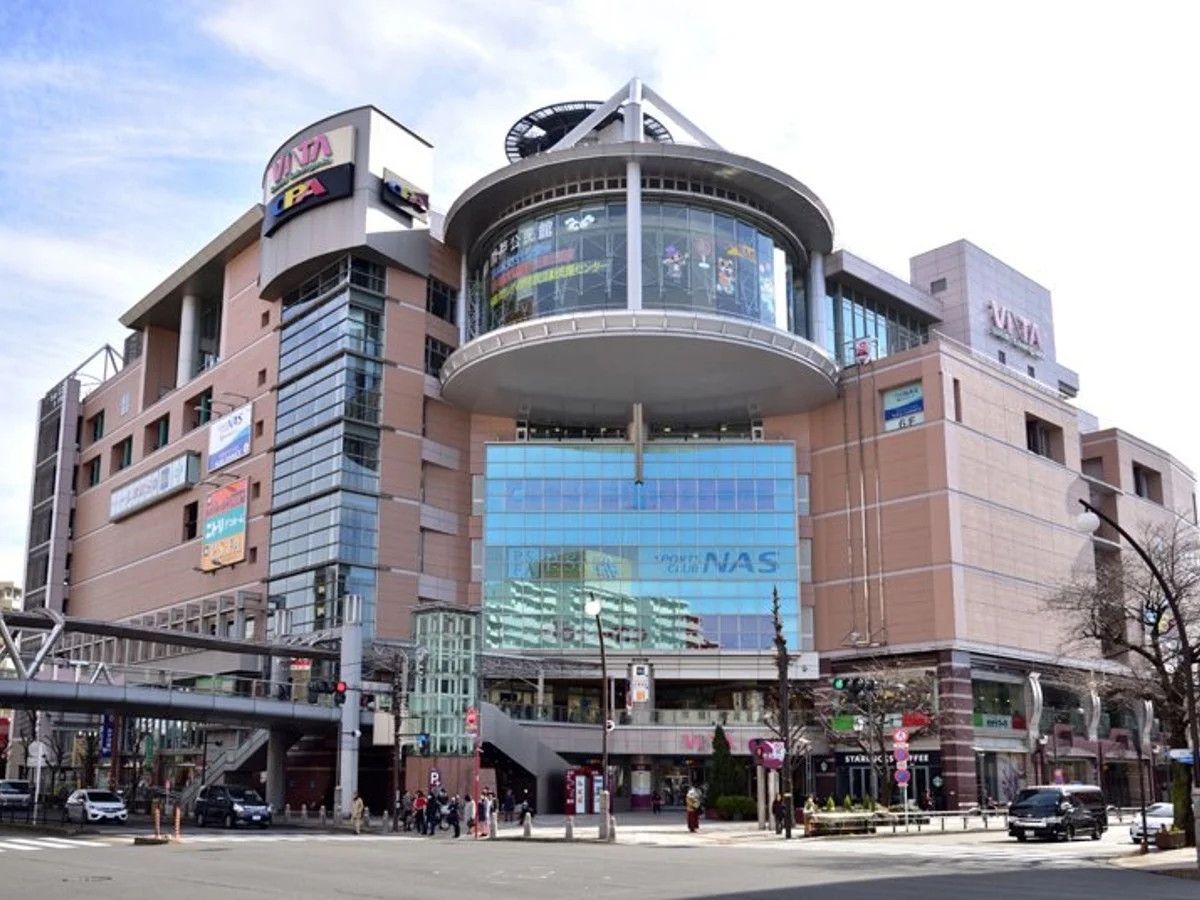
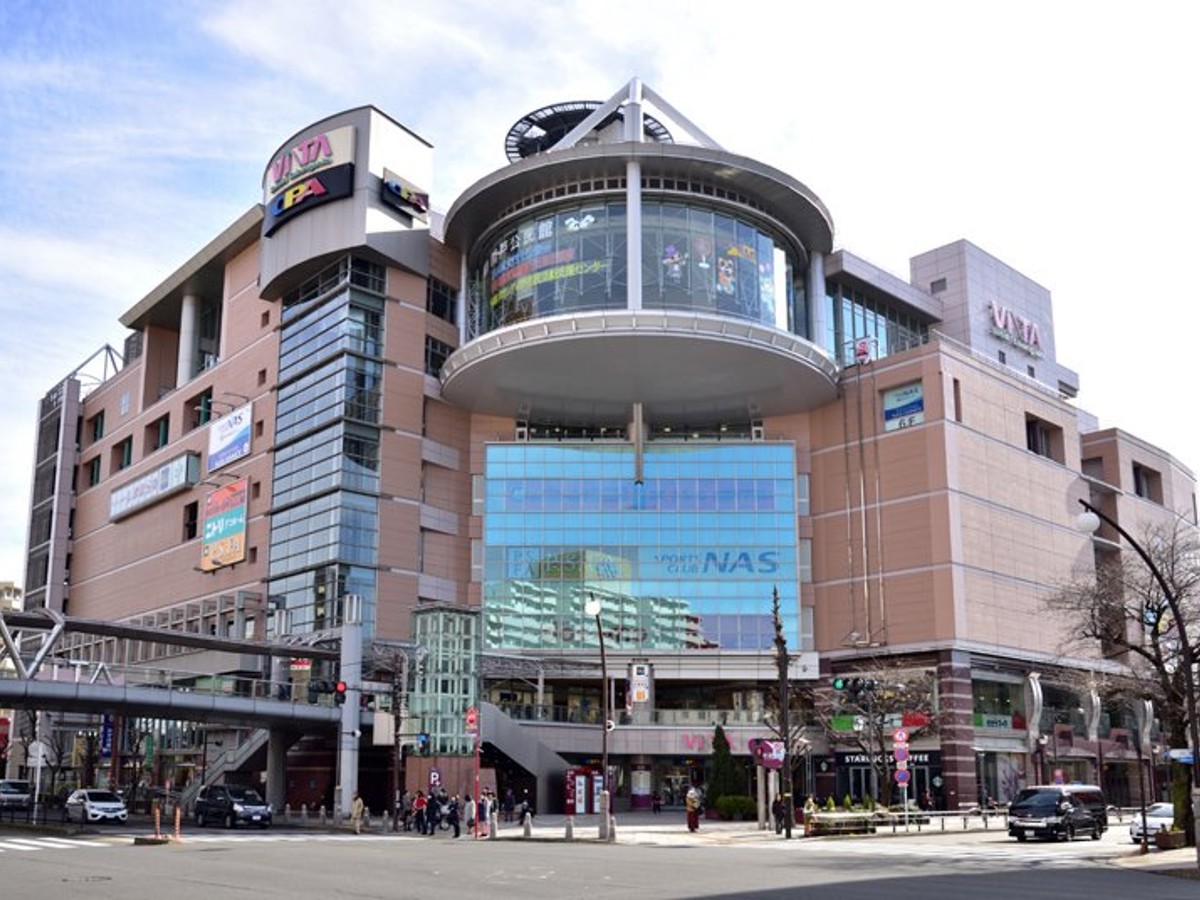
On January 20, 2023, Coin Space officially unveiled its latest facility located within the Seiseki Sakuragaoka Opa complex. Strategically positioned just steps away from Seiseki Sakuragaoka Station—a vital transit artery on the Keio Line—the facility serves as a testament to the growing demand for flexible, high-utility workspace in the Japanese capital.
The 48-seat facility is engineered for efficiency. Unlike traditional co-working spaces that often require cumbersome membership contracts, background checks, or long-term commitments, the Seiseki Sakuragaoka location operates on an on-demand, friction-less model. Every seat is equipped with high-speed Wi-Fi and dedicated power outlets, ensuring that the "digital nomad" experience remains uninterrupted. For those handling sensitive business, the space includes private box seats tailored for confidential online meetings, as well as four-person collaborative zones designed for small-scale conferences.
Accessibility is the cornerstone of the Coin Space philosophy. By utilizing a QR-code-based entry and payment system, the company has eliminated the administrative hurdles that typically accompany office rentals. Users can simply walk in, scan, and start working—a significant upgrade for travelers who may not have the time to navigate complex registration processes.
Chronology: The Road to the "Super Concentration" Space
The opening of the Seiseki Sakuragaoka location is not an isolated event, but rather the latest milestone in a broader evolution of Japan’s work culture.
- Pre-2020: Remote work in Japan was largely considered a secondary or fringe option, with the traditional office remaining the primary hub for professional life.
- 2020–2022: The global pandemic forced a radical reorganization of work-life balance. As corporations shifted toward hybrid models, the need for "third spaces"—locations that are neither home nor a corporate headquarters—skyrocketed.
- Late 2022: Recognizing this shift, Coin Space began expanding its footprint, targeting high-traffic transit hubs where commuters and travelers alike congregate.
- January 20, 2023: The official grand opening of the Coin Space Seiseki Sakuragaoka Opa location.
- January 20 – February 2, 2023: A special introductory period, during which the facility offered a heavily discounted daily rate of 500 yen, aimed at integrating the local community into the new workflow ecosystem.
Supporting Data: Infrastructure and Economics
To understand the success of the Coin Space model, one must look at the economics of the "third space" sector. The pricing structure is designed for maximum accessibility, with a base rate of 200 yen per 30 minutes. The daily maximum is capped at 1,200 yen, a figure that is highly competitive when compared to the overhead costs of renting a private studio or the distractions inherent in a standard coffee shop.
Furthermore, the operational flexibility of the site is noteworthy. The facility remains open from 10:00 to 21:00, accommodating both early-bird professionals and those who need to wrap up late-evening global calls. The space also permits users to bring their own food and beverages, a policy that significantly reduces the cost of a full day’s work compared to cafes that require continuous purchasing of expensive items to retain a table.
With 40 locations currently operating across the country, Coin Space has successfully scaled its infrastructure. By focusing on "Opa" shopping centers and major station hubs, the company ensures that its locations are inherently connected to public transit, grocery stores, and essential services, minimizing the "commuter friction" that plagues traditional business districts.
Official Responses and Strategic Intent
While official press releases from the developers emphasize the "Super Concentration" aspect of the project, industry analysts suggest a broader strategic intent. By providing a clean, quiet, and secure environment, Coin Space is effectively acting as a "productivity stabilizer" in a city that is notoriously loud and cramped.
"The goal," as suggested by representatives of the management, "is to remove the barrier between the intent to work and the act of working." In Japan, where living spaces are often small and multi-purpose, the ability to leave the home environment for a dedicated "focus room" is highly valued. The inclusion of private box seats specifically addresses the growing feedback from users who found open-concept co-working spaces to be too noisy for video conferencing. This data-driven response—adding private, sound-dampened areas—demonstrates a commitment to listening to the specific pain points of the modern remote workforce.
Implications: The Future of Urban Work
The emergence of facilities like Coin Space has profound implications for both the future of urban design and the nature of the Japanese labor market.
1. The Decentralization of the Office
The traditional "commute to the center" model is being challenged. When high-quality workspaces are available at suburban transit hubs like Seiseki Sakuragaoka, the need for employees to travel into central Tokyo (e.g., Shinjuku or Marunouchi) for every task is diminished. This potentially eases the load on the city’s notoriously packed commuter trains and allows for a more distributed, localized economy.
2. The Rise of "Work-Travel" Integration
For international travelers, the barrier to working while visiting Japan has historically been high. Language barriers, the need for membership registration, and the lack of reliable, private power-enabled spaces have made it difficult for digital nomads to stay productive. Coin Space’s move toward QR-based, non-membership models signals that Japan is becoming more "nomad-friendly." This has the potential to attract a larger share of remote-working international visitors who are looking for longer stays without sacrificing their professional obligations.
3. Sustainability and Shared Resources
The environmental and spatial efficiency of the shared office model cannot be overstated. Instead of thousands of individuals running individual HVAC systems and high-speed internet connections in home offices, concentrated hubs provide a more energy-efficient solution. The "shared resource" philosophy is inherently sustainable, maximizing the utility of every square meter of real estate in an environment where space is a premium commodity.
4. Psychological Impact on Productivity
There is a psychological component to the "Super Concentration" space. By physically separating the "rest" space (the home) from the "work" space, individuals can create clearer mental boundaries. This is essential for preventing the burnout that often follows the blurred lines of remote work. The silence, the ergonomic seating, and the deliberate lack of domestic distractions foster a state of "flow" that is difficult to achieve in a bustling coffee shop or a crowded living room.
Conclusion: A New Standard for the Modern Era
The Coin Space Seiseki Sakuragaoka Opa facility is more than just a room with desks. It is an infrastructure solution to a modern problem. By prioritizing ease of use, cost-effectiveness, and environmental focus, the company has provided a roadmap for how cities can adapt to the post-office era.
Whether you are a local resident looking to escape the confines of a small apartment, or a traveler navigating the Keio Line with a pressing deadline, the facility offers a reliable, professional, and accessible sanctuary. As the world continues to navigate the complexities of hybrid work, the success of such hubs will likely serve as a blueprint for urban planners and entrepreneurs looking to optimize the intersection of technology, transit, and human productivity.
As of February 2023, the initial introductory campaigns have concluded, but the facility remains a cornerstone of the local community. For those planning to visit or work in Tokyo, the lesson is clear: you no longer need to be tethered to a hotel room or a noisy cafe to find your flow. The future of work is decentralized, digital, and, thanks to initiatives like this, finally convenient.
Store Overview & Logistics:
- Name: Coin Space Seiseki Sakuragaoka Opa
- Location: 5F, Seiseki Sakuragaoka Opa, 4-72 Sekido, Tama City, Tokyo
- Operating Hours: 10:00 – 21:00 daily
- Technical Amenities: High-speed Wi-Fi, dedicated power ports, sound-dampened private boxes, group conference seating.
- Entry Protocol: QR-code based, no prior membership required.
- Pricing: 200 JPY/30 min; 1,200 JPY daily maximum; 10,000 JPY monthly subscription.
- Payment: Digital wallets (QR), Credit Cards, Cash.












No comments yet. Be the first to join the conversation!