Nana Muazin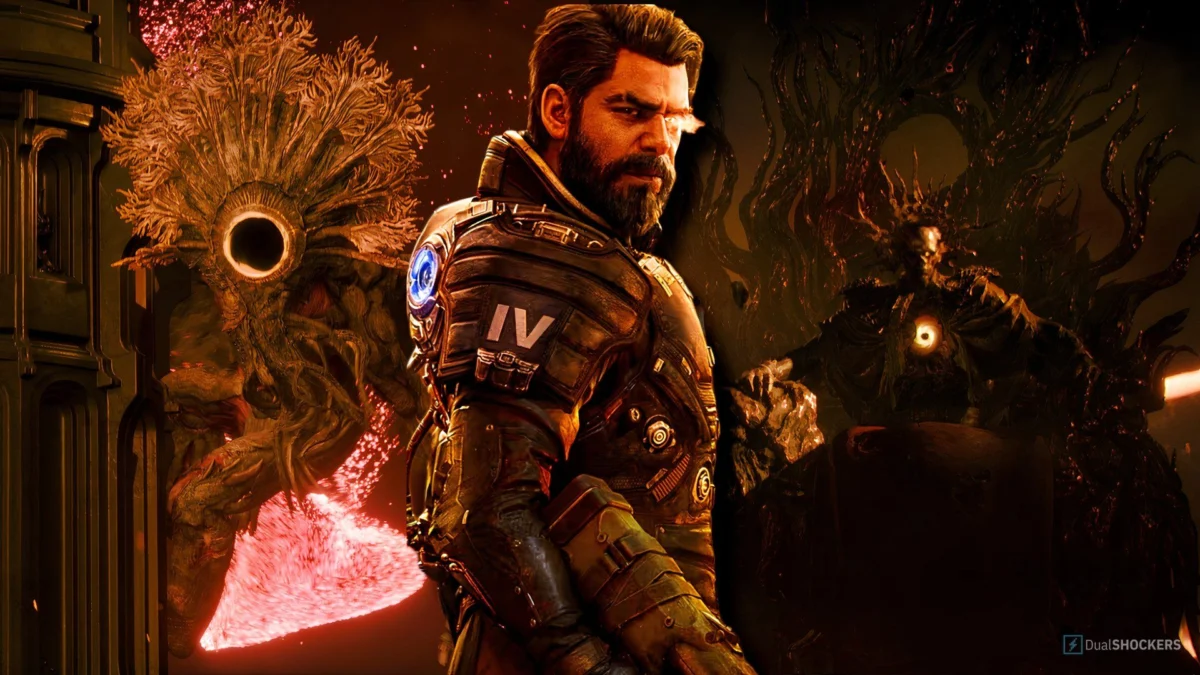
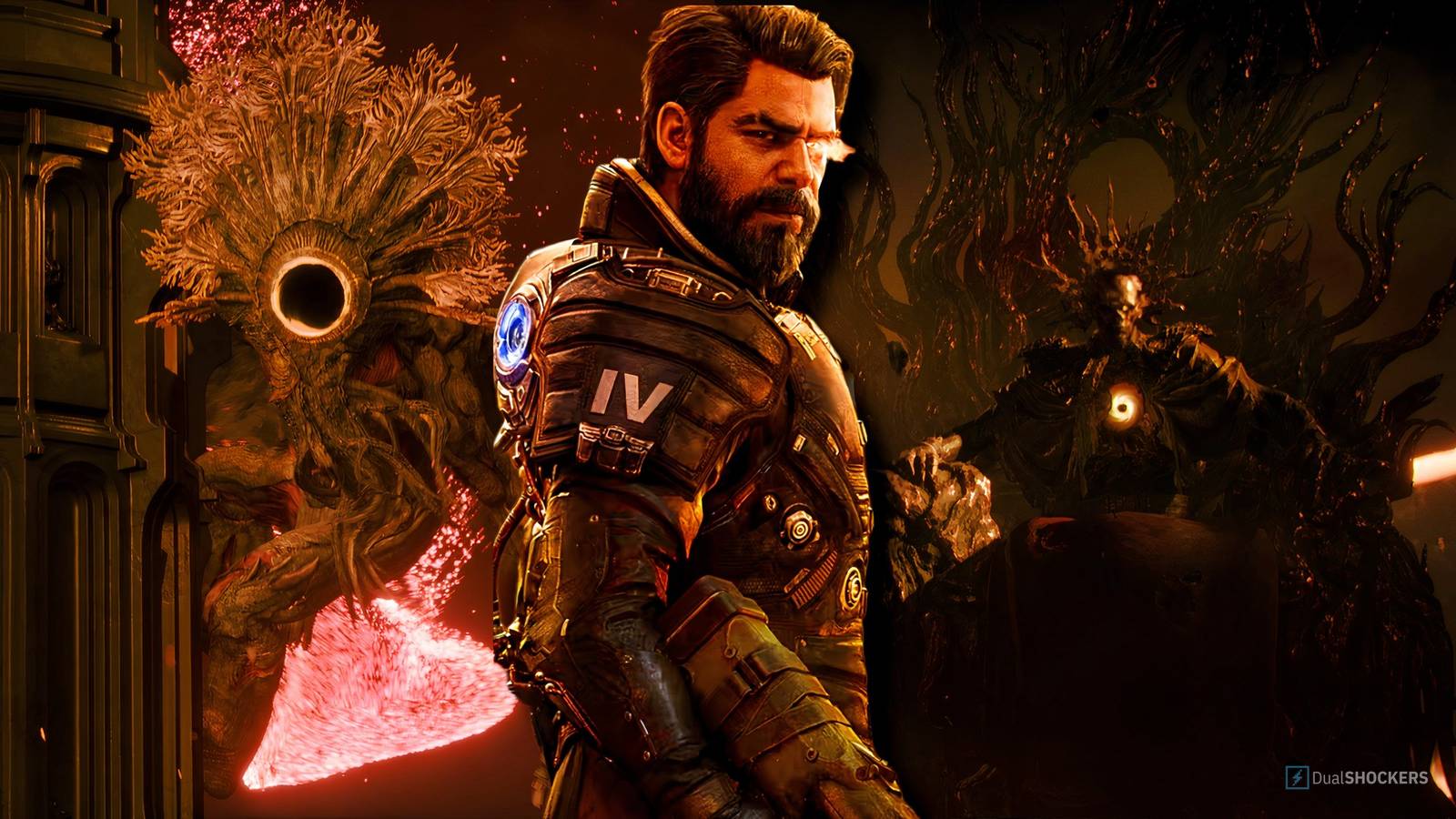
Housemarque has long been the gold standard for high-octane, precision-based arcade action. With the release of Saros, the studio has not only reaffirmed its dominance in the genre but arguably created a spiritual successor to Returnal that expands upon its foundations with deeper roguelite mechanics and a more cohesive narrative loop. For players navigating the shifting biomes of Saros, the true test of mettle lies in its roster of bosses—cosmically terrifying entities that demand mastery of the game’s refined combat systems.
This analysis ranks each of the nine mainline boss encounters based on three critical pillars: visual presentation, mechanical difficulty, and overall engagement. While some encounters act as mere gatekeepers, others stand as masterclasses in boss design, pushing the boundaries of what a modern action-roguelite can achieve.
The Philosophy of Challenge: Understanding Saros
Before diving into the hierarchy of these encounters, it is essential to understand the design philosophy behind Saros. Housemarque has implemented a tripartite health-bar structure for its primary antagonists, ensuring that every fight is a multi-stage endurance test. Unlike many contemporary titles that rely on scripted cinematics, Saros keeps the player firmly in the driver’s seat. The integration of quality-of-life (QoL) improvements—such as more intuitive grapple points and a revamped armor matrix system—allows players to customize their builds, directly influencing how they tackle these towering threats.
Chronology of Confrontation: A Tiered Ranking
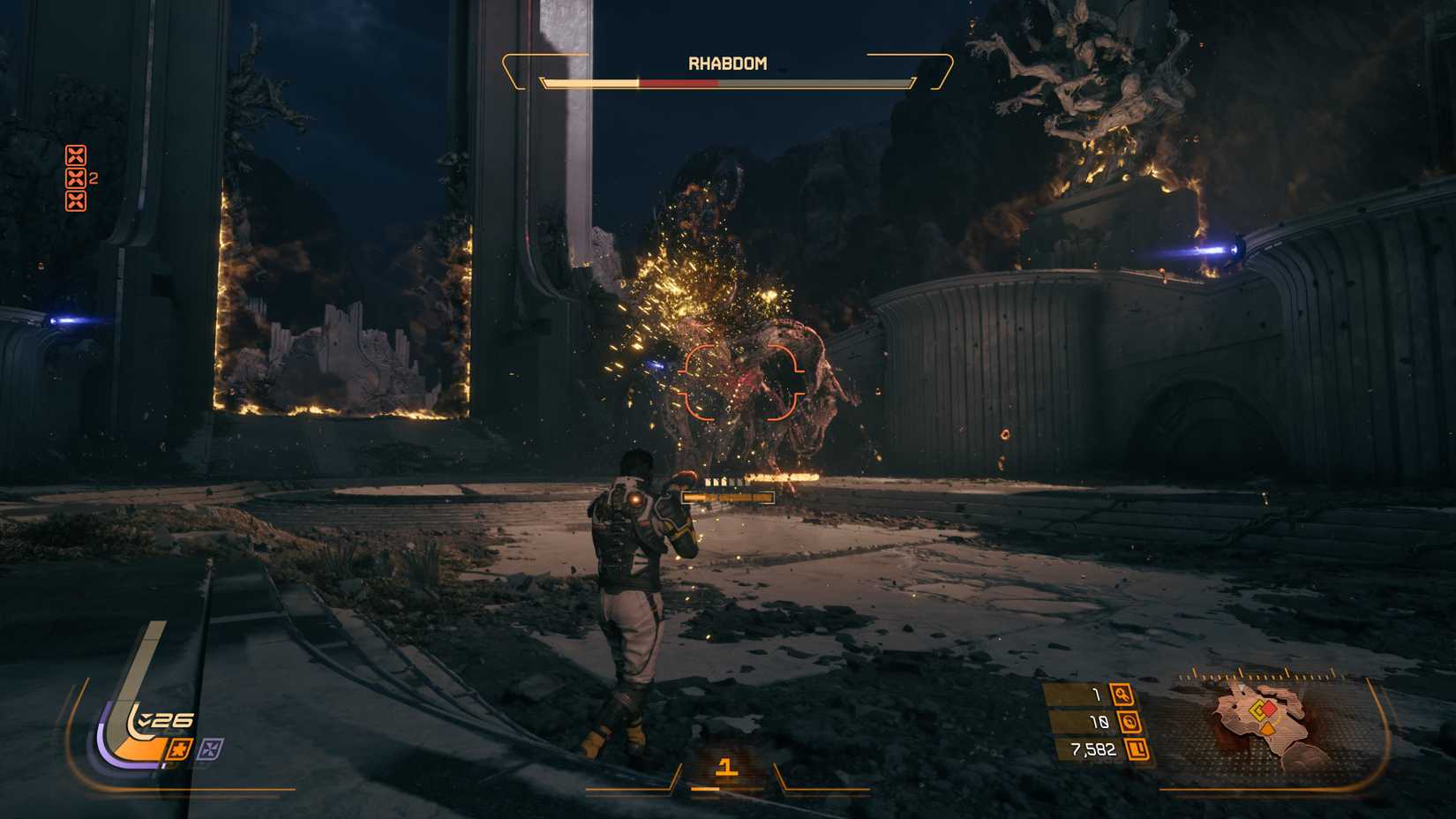
9. Rhabdom: The Definitive Filler Encounter
Occupying the lowest rung of the ladder is Rhabdom, the boss of the Shattered Descent. While the Shattered Descent serves as a vital transitional biome, its design is notably linear, and Rhabdom reflects that simplicity. His move set is largely predictable, consisting of standard area-of-effect (AOE) slams and close-range slash projectiles.
The primary issue with Rhabdom is the arena architecture. The presence of four easily accessible grapple points allows players to negate almost every threat the boss poses. For many, this encounter has become a "training dummy" for the elusive Untouchable trophy, which requires a flawless run through a biome and its boss. It lacks the visceral tension that defines the rest of the game’s roster.
8. Consort: The Tutorial Gatekeeper
Consort occupies a strange space in Saros. Originally introduced as a tutorial-level encounter, he serves to showcase the protagonist Arjun’s initial resolve. While he is an excellent thematic introduction, he lacks the depth of later bosses. His return in the Yellow Shore as a late-game mini-boss is equally underwhelming, characterized by a meager HP pool that fails to provide a meaningful challenge for a player who has already survived the mid-game gauntlet.
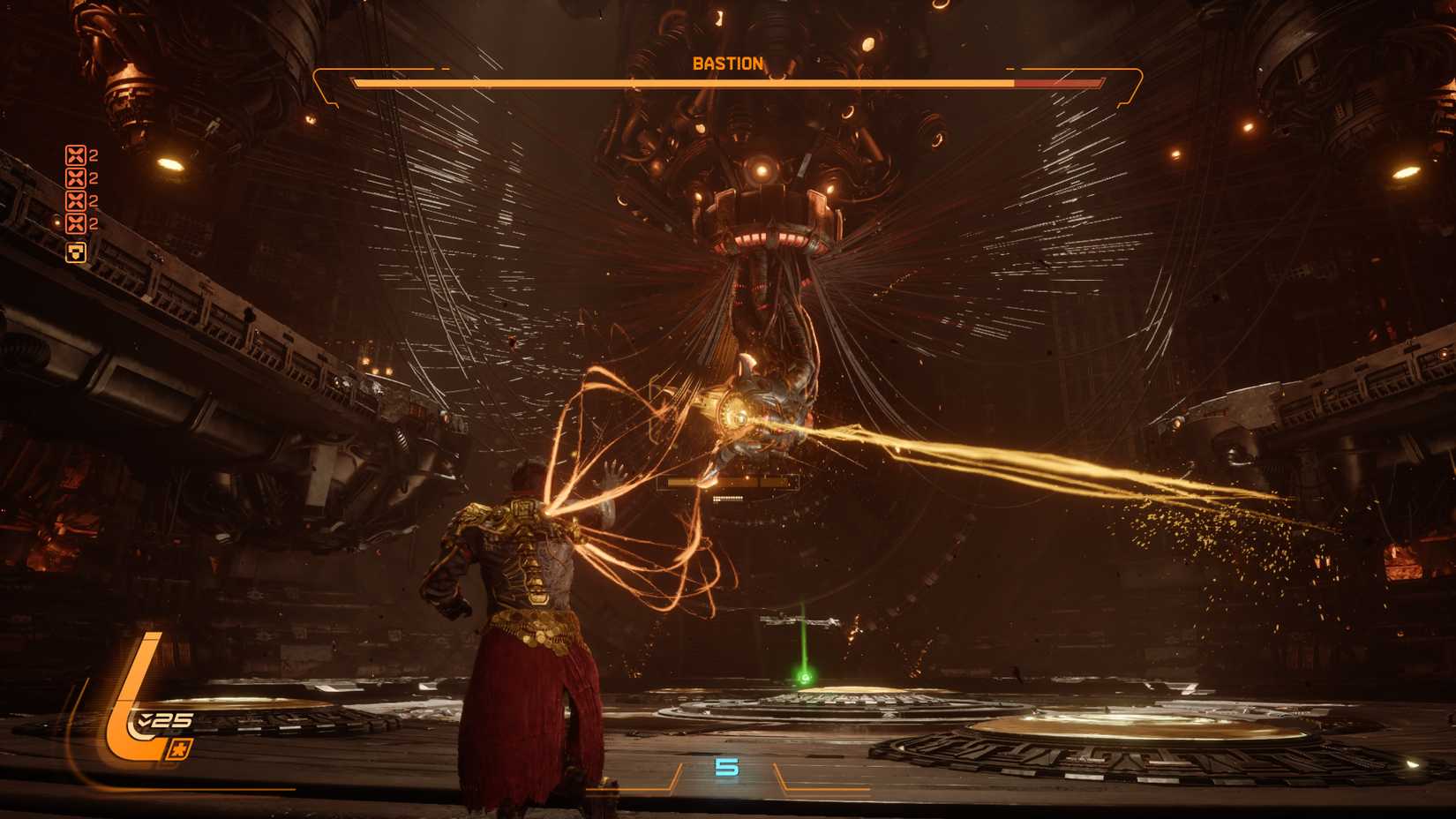
7. Bastion: The Stationary Threat
Bastion is a fascinating study in environmental design. As a massive, stationary turret in the Derelict Depths, it breaks the mold of the typical humanoid boss. However, its stationary nature limits the dynamism of the fight. While the encounter requires players to utilize jump pads to evade homing projectiles and laser arrays, the loop remains repetitive. The requirement to destroy smaller peripheral turrets between phases is a clever touch, yet it does not sufficiently evolve the encounter to reach the heights of the top-tier bosses.
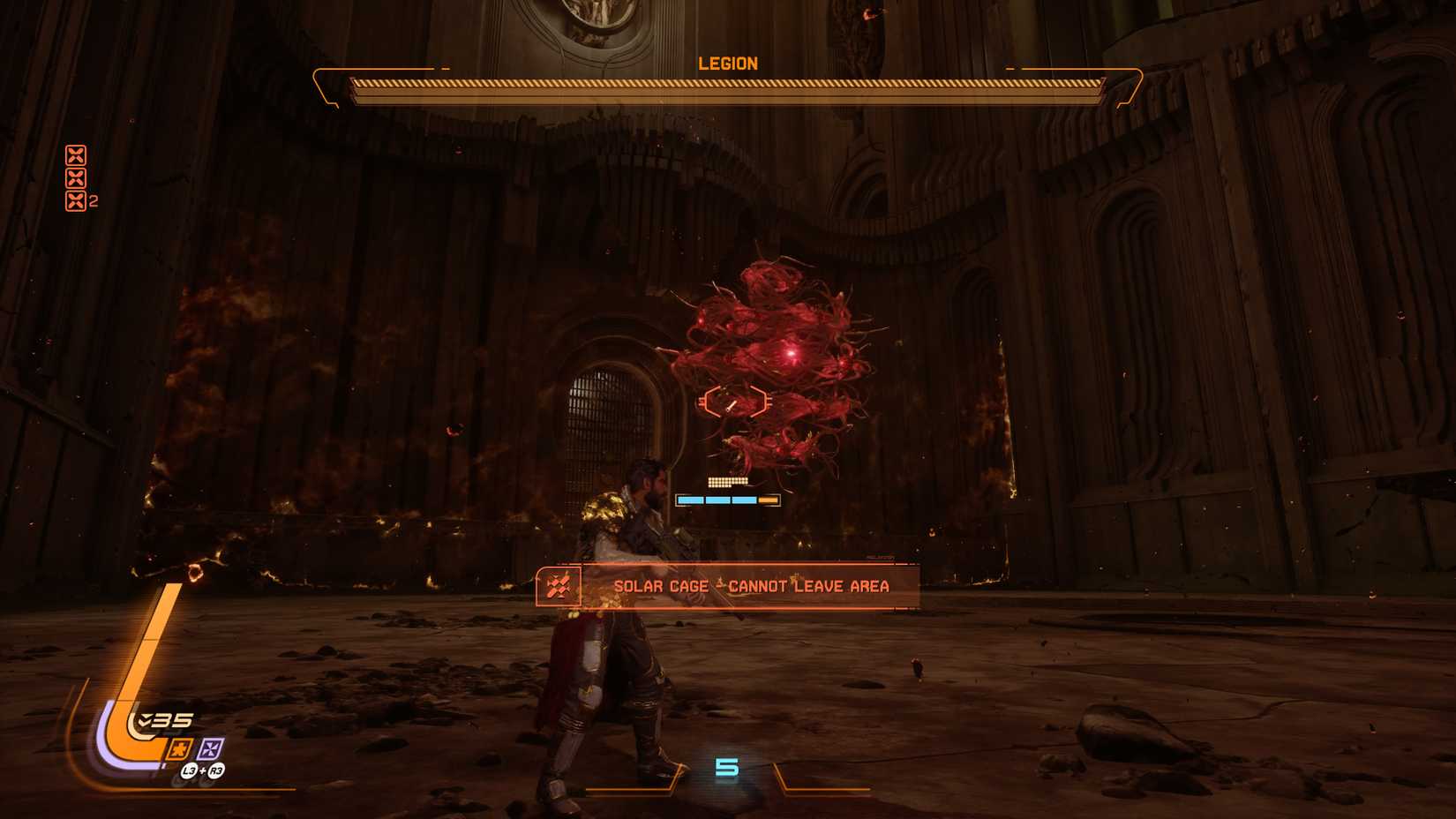
6. Legion: The Swarm Mechanic
Legion, the guardian of the Blighted Marsh, introduces the "swarm" mechanic—forcing the player to manage dozens of smaller entities to expose the alpha’s weak points. While the visual spectacle of the marsh combined with the rhythmic nature of the squids is commendable, the fight is significantly trivialized by weapons with splash damage or the game’s built-in auto-aim assists. Furthermore, the surrounding biome is arguably more punishing than the boss itself, creating a frustrating experience that overshadows the actual combat.
5. Prophet: The Master of Pacing
Prophet marks the transition into the game’s "top-tier" encounters. While critics have noted mechanical similarities to Returnal’s Ophion—specifically the reliance on shooting glowing weak points to expose damage windows—Prophet excels on the strength of its presentation. The third phase, in particular, is a masterclass in tension, as the arena begins to collapse and the soundtrack swells to a fever pitch. It is the first moment in the game where the player truly feels the crushing weight of the cosmic horror theme.
4. King: The Throne Room Showdown
The King represents the culmination of the player’s journey. Serving as the final boss, this encounter forces the player to synthesize every skill learned throughout the campaign. The transition from a somewhat standard first phase to a high-octane, aggressive second phase requires a mastery of parrying and shield-breaking. While the first phase feels slightly like an afterthought, the intensity of the second phase is unmatched. It is a triumphant, high-stakes battle that feels earned.
The Apex of Design: The Top Three
3. Priestess: A Setpiece Masterpiece
The Priestess fight is arguably the most creative encounter in Saros. Lore-wise, she is a haunting reflection of the protagonist’s past, but mechanically, she is a revelation. The arena shifts beneath the player’s feet, forcing constant movement and target switching. The requirement to destroy clones while navigating shifting platforms ensures that the player is never static. It is a frantic, beautiful, and demanding encounter that exemplifies the "dance" of Housemarque combat.
2. Shepherd: The Cosmic Kraken
Shepherd is an awe-inspiring spectacle. Fighting a Lovecraftian entity on a sinking vessel is the kind of cinematic gaming moment that defines the medium. The fight requires players to methodically dismantle tentacles before engaging the main boss, but the later phases transform the arena into a lethal obstacle course of orb clusters and sweeping waves. It captures the essence of Hyperion from Returnal but elevates it with a sense of scale and dread that is purely Saros.
1. Architect: The Ultimate Survival Exam
The Architect stands alone as the pinnacle of the Saros experience. The climb to the Desecrated Fortress tower is a psychological buildup that matches the intensity of the final fight. Unlike previous bosses that focus on damage output, the Architect is a survival test. As the arena shrinks and the entity fills the sky with a screen-choking density of projectiles, the player must balance offensive output with desperate defensive maneuvers. It is the "lovechild" of a Kaiju and a cosmic deity, providing a perfect synthesis of spectacle, challenge, and reward.
Implications for the Future of Roguelites
The success of Saros and the complexity of its boss design carry significant implications for the future of the roguelite genre. Housemarque has demonstrated that the "loop" of dying and restarting does not have to sacrifice narrative weight or visual grandiosity. By creating bosses that feel like distinct milestones of progression rather than repetitive roadblocks, they have set a new industry benchmark.
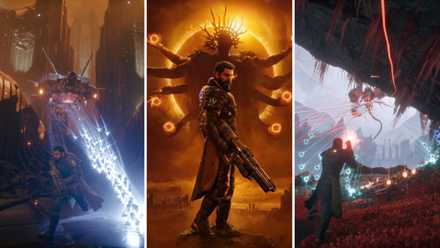
Official responses from the studio have highlighted that the feedback on these boss fights has been instrumental in shaping their post-launch content roadmap. Players can expect future updates to potentially introduce "boss rush" modes or even more challenging iterations of these encounters, further cementing Saros as a cornerstone of the PlayStation Studios catalog.
For those who have yet to reach the Architect, the journey through the biomes is not merely a grind—it is a progression of skill. As the game continues to evolve, one thing remains clear: Housemarque’s mastery of the bullet-hell genre has never been more refined, and the bosses of Saros remain the ultimate proof of their creative vision.


 Asro
Asro
 Laily UPN