Nana Muazin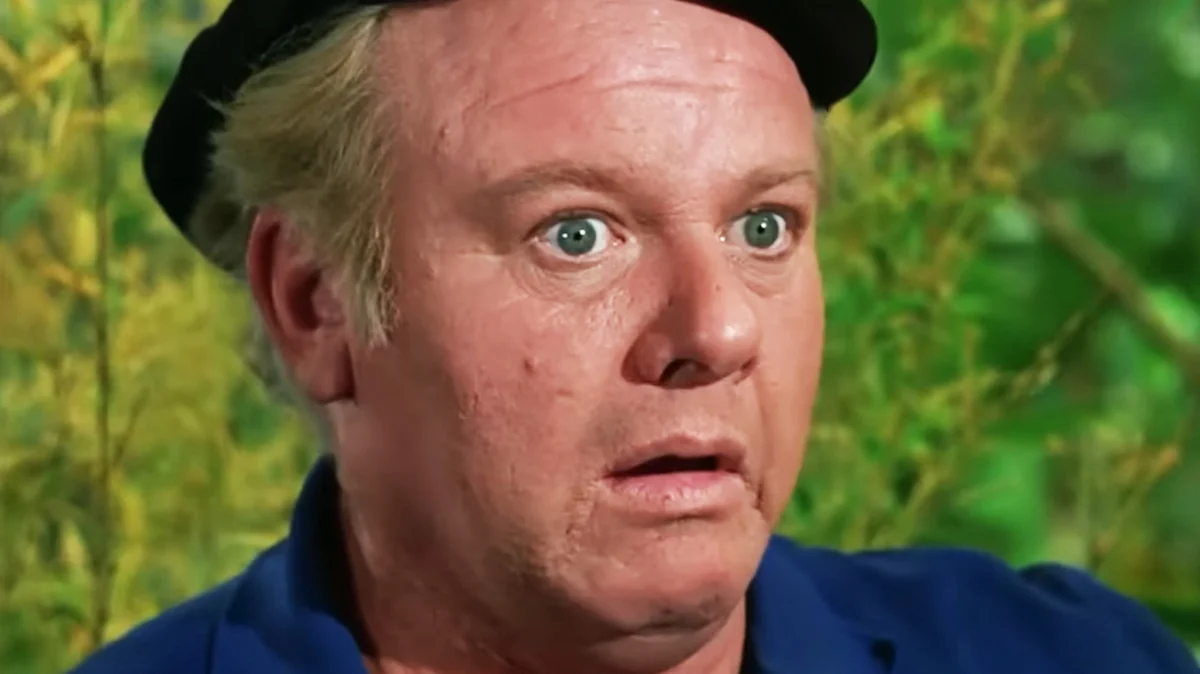
Alan Hale Jr. is a name etched into the collective consciousness of American television history. For generations, he was, and remains, the quintessential "Skipper"—Captain Jonas Grumby—whose exasperated, paternal dynamic with the shipwrecked crew of the S.S. Minnow defined the sitcom Gilligan’s Island. Yet, to define Hale Jr. solely by his iconic white captain’s hat is to overlook a prolific career that spanned nearly five decades and saw him share the screen with the titans of the Golden Age of Hollywood.
As the curtains closed on his storied career, Hale Jr. found himself not in a grand cinematic epic, but in the trenches of a short-lived procedural experiment. His final television role was a modest guest appearance in the 1988 episode of the Murder, She Wrote spin-off, The Law & Harry McGraw. While the series itself has largely faded into the footnotes of television history, the performance serves as a poignant, understated coda to a life spent in front of the camera.
The Journeyman: A Legacy Beyond the Island
To understand the significance of Hale Jr.’s final act, one must first appreciate the breadth of his career. Born into a theatrical family—his father, Alan Hale Sr., was a celebrated character actor—Hale Jr. was groomed for the industry. His filmography reads like a syllabus of 20th-century American entertainment. He navigated the rugged landscapes of Westerns, held his own alongside legends like John Wayne and Kirk Douglas, and established himself as a reliable, versatile presence.
Following the cancellation of Gilligan’s Island in 1967, Hale Jr. did not succumb to the dreaded "typecasting trap" that claimed many of his peers. Instead, he embraced the life of a working actor. He guest-starred on an array of influential series, from the brooding intensity of The Virginian to the campy, high-octane exploits of Batman (where he played a character aptly named "Gilligan"). Whether appearing in The Wild Wild West or engaging in various television variety specials, Hale Jr. maintained a relentless work ethic that kept him relevant through the changing tides of the 1970s and 80s.
The Murder, She Wrote Connection
By the mid-1980s, Murder, She Wrote had become the "home base" for television’s working actors. Starring Angela Lansbury as the mystery-solving novelist Jessica Fletcher, the series became a cultural phenomenon, running for 12 seasons between 1984 and 1996. Its episodic structure required a revolving door of guest stars, and it became a rite of passage for everyone from burgeoning stars like George Clooney and Bryan Cranston to established veterans seeking steady work.
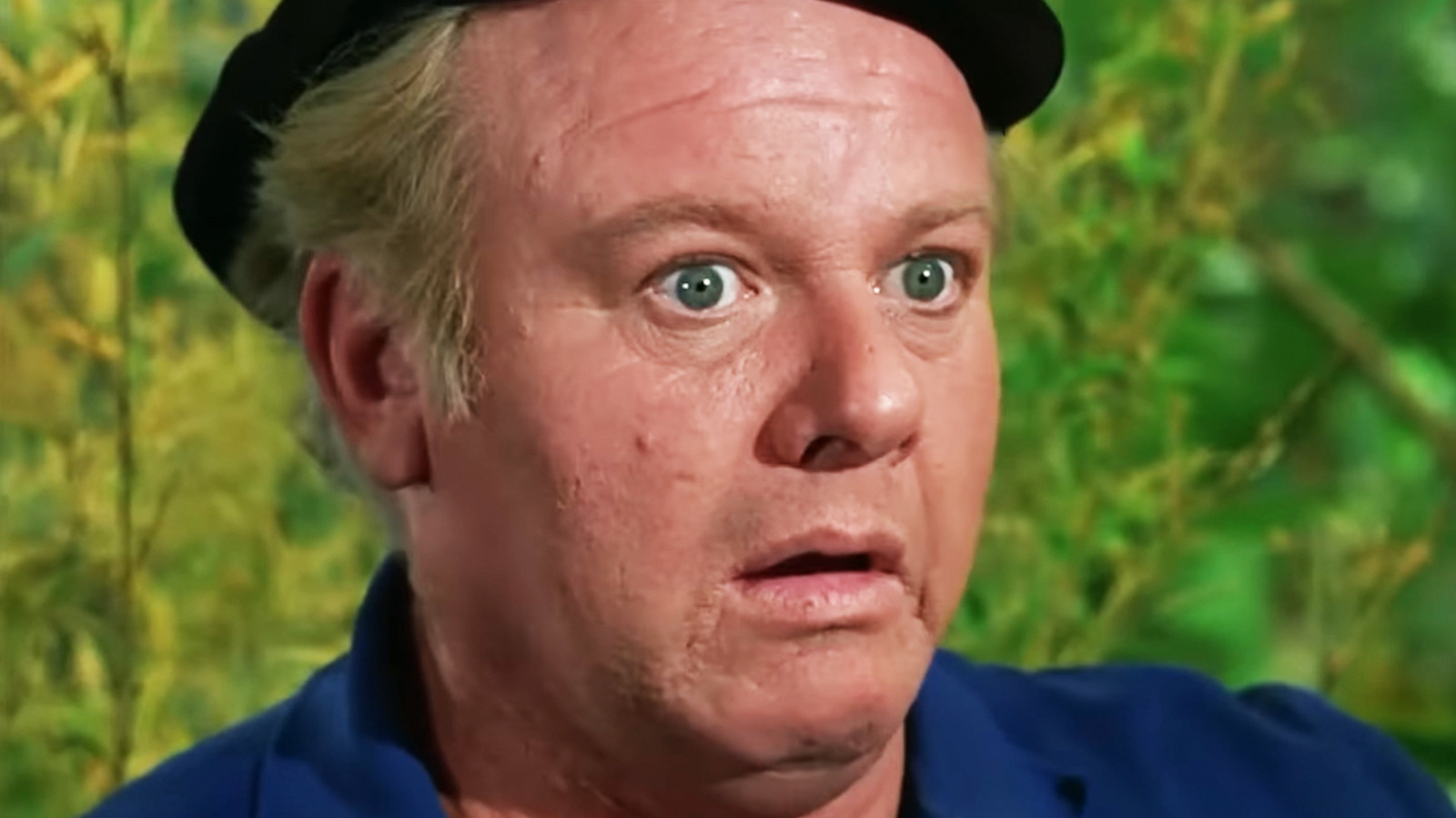
Hale Jr. made his initial foray into this universe in 1986, appearing in the episode "Trial by Error" as motel owner Fenton Harris. It was a brief, functional role—the kind that allowed a seasoned professional to elevate a scene with minimal screen time. Little did he know that this connection to the Murder, She Wrote brand would provide the stage for his final television performance.
The Law & Harry McGraw: An Ill-Fated Spin-Off
In 1987, CBS, looking to capitalize on the massive success of Murder, She Wrote, greenlit a spin-off titled The Law & Harry McGraw. The show centered on the character of Harry McGraw, played by the legendary Jerry Orbach. Orbach, later immortalized as Detective Lennie Briscoe on Law & Order, brought a gritty, noir-inspired energy to the role. McGraw was a boorish, hard-drinking Boston private investigator—a character archetypally distinct from the genteel, literary world of Jessica Fletcher.
The spin-off was the brainchild of Murder, She Wrote co-creator Peter S. Fischer. It attempted to translate the "detective-next-door" formula into a more cynical, hard-boiled environment, featuring a professional partnership between McGraw and the buttoned-down attorney Ellie Maginnis, portrayed by Barbara Babcock.
Despite the pedigree of the cast and the strength of the Murder, She Wrote brand, The Law & Harry McGraw struggled to find its footing. It premiered in September 1987 and was unceremoniously canceled by February 1988. While the show wasn’t a total critical disaster, it failed to capture the zeitgeist, pulling in around 15 million viewers—an impressive number by today’s standards, but roughly half of what the mothership series was attracting at the time. CBS, operating in a highly competitive television landscape, chose to cut the series short after only 16 episodes.
Chronology of the Final Performance
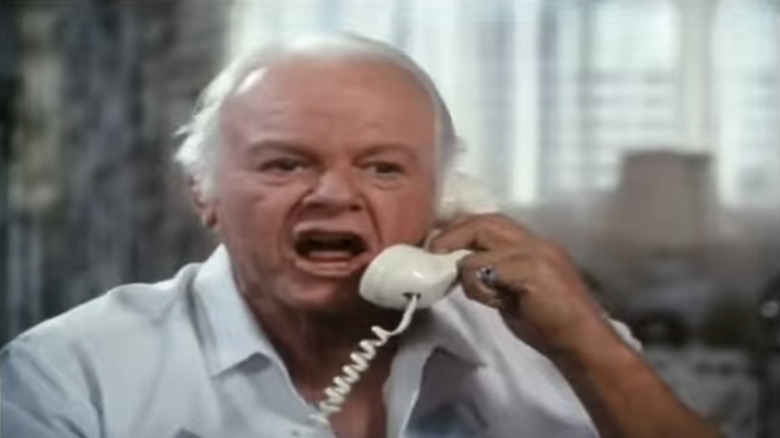
The finality of Hale Jr.’s television career arrived in January 1988, just weeks before the cancellation of The Law & Harry McGraw. He appeared in the 12th episode of the series, titled "Gilhooley’s Is History."
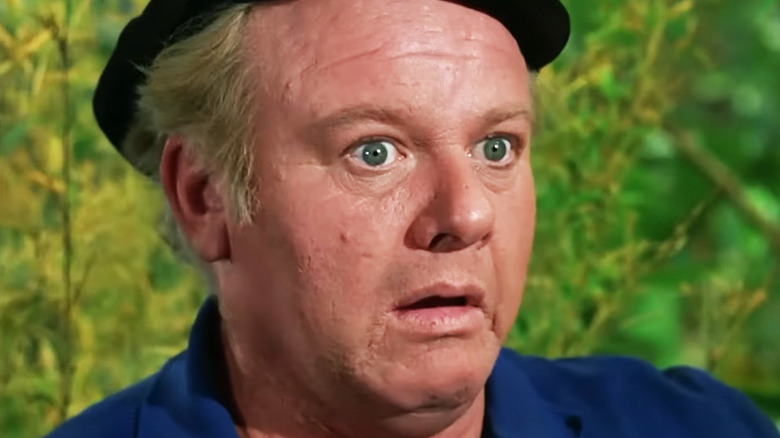
In this episode, the narrative focus shifts to McGraw’s favorite watering hole, a bar called Gilhooley’s, which is slated for demolition by a greedy developer. Alan Hale Jr. stepped into the role of the bar’s proprietor, Patrick Gilhooley. The character presented a moral complication: while McGraw is desperate to save the historic establishment, Gilhooley is surprisingly amenable to the sale. The tension of the episode hinged on the mystery of why Gilhooley would turn his back on his own legacy, leading to an investigation that brought out the best in Orbach and Hale Jr.’s chemistry.
It was a fitting, albeit quiet, end. Hale Jr. played the role with a mix of weariness and hidden depth, providing a grounded performance that anchored the episode’s central conflict. It was a role that felt native to the era—a small-scale mystery drama that relied on character interaction rather than spectacle.
Implications and Reflections
Looking back at the trajectory of The Law & Harry McGraw, one might categorize it as a failure of industry timing. The late 1980s were a period of transition for television, where the classic procedural was beginning to compete with more serialized, gritty storytelling. The show’s cancellation remains a classic example of the "ratings pressure" that dominated the CBS programming strategy of the era.
However, for Alan Hale Jr., the project represented something different. It was a return to his home network, CBS—the same network that had catapulted him to superstardom two decades earlier with Gilligan’s Island. It was a circle closed. He had transitioned from the slapstick, isolated comedy of the 1960s to the crime-procedural aesthetic of the 1980s, proving that his utility as an actor was not confined to a single genre or era.
Following his appearance in "Gilhooley’s Is History," Hale Jr. made one final foray into the world of film, appearing in the 1989 horror production Terror Night. Shortly thereafter, in 1990, he passed away.
Conclusion: The Professionalism of a Legend
The history of television is often written by the massive hits—the Seinfelds, the MASHs, and the Murder, She Wrote*s. Yet, the substance of the industry is built upon the work of journeymen like Alan Hale Jr. He was an actor who understood the value of a role, regardless of the show’s longevity or critical acclaim.
His final television performance in The Law & Harry McGraw might not have been the high-water mark of the 1980s, but it was a testament to his endurance. He remained a working, capable professional until the very end, bringing charisma and warmth to a character that existed only for a single hour of television. In an industry defined by fleeting fame, Alan Hale Jr.’s final bow reminds us that the true mark of a legendary actor isn’t just the size of the audience, but the consistency of the craft. When the lights went down on the set of The Law & Harry McGraw, the Skipper walked off into the sunset, leaving behind a legacy of work that, much like the show he helped make famous, continues to be discovered and appreciated by new audiences today.


 Nana Wu
 Layla Zulfa