Nila Kartika Wati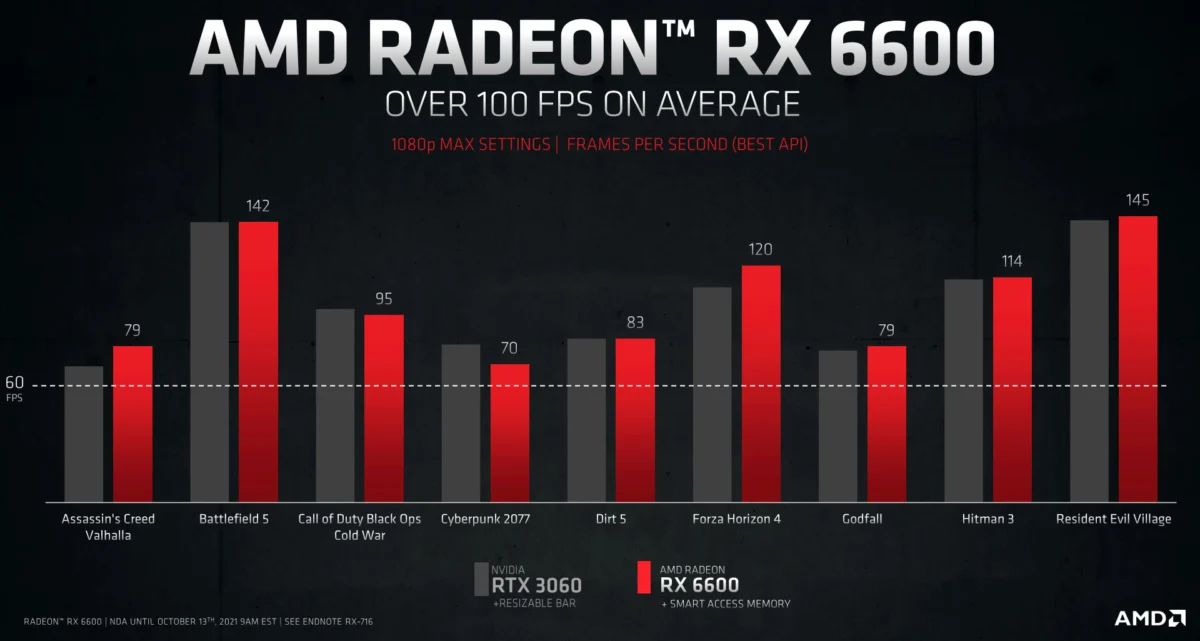
Following the successful July debut of the Radeon RX 6600 XT, AMD has officially rounded out its current-generation midrange lineup with the release of the non-XT Radeon RX 6600. Designed to capture the mass-market 1080p gaming demographic, this card arrives as a strategic response to the ongoing demand for high-fidelity, high-refresh-rate performance that doesn’t necessitate an entry-level professional budget. By leveraging the highly efficient Navi 23 architecture, AMD aims to provide a "future-ready" solution for gamers who prioritize smooth frame rates over ultra-high-resolution rendering.
The Chronology of RDNA 2 Midrange Strategy
The release of the Radeon RX 6600 is the culmination of a deliberate, staggered rollout strategy by AMD. The journey began with the high-end RX 6800 and 6900 series, which established the company’s RDNA 2 architecture as a legitimate competitor to the Nvidia GeForce RTX 30-series.
By late summer, the spotlight shifted to the mainstream market with the RX 6600 XT. This initial offering set the bar for "ultimate" 1080p performance. However, market analysts and consumers alike predicted that a lower-tier SKU was inevitable to better compete with Nvidia’s mid-market pricing. Throughout September and early October, a flurry of industry leaks—ranging from shipping manifests to retailer listings—confirmed that a non-XT variant was in the pipeline. On October 13, 2021, AMD confirmed these rumors, officially launching the RX 6600 to provide a more accessible entry point into the Radeon 6000 series ecosystem.
Technical Foundations: The Navi 23 Architecture
At the heart of the Radeon RX 6600 lies the same silicon found in its more powerful sibling: the Navi 23 GPU. This architectural commonality allows for a streamlined manufacturing process, though the RX 6600 undergoes significant "binning" and feature trimming to reach its lower price point.
Comparative Hardware Specifications
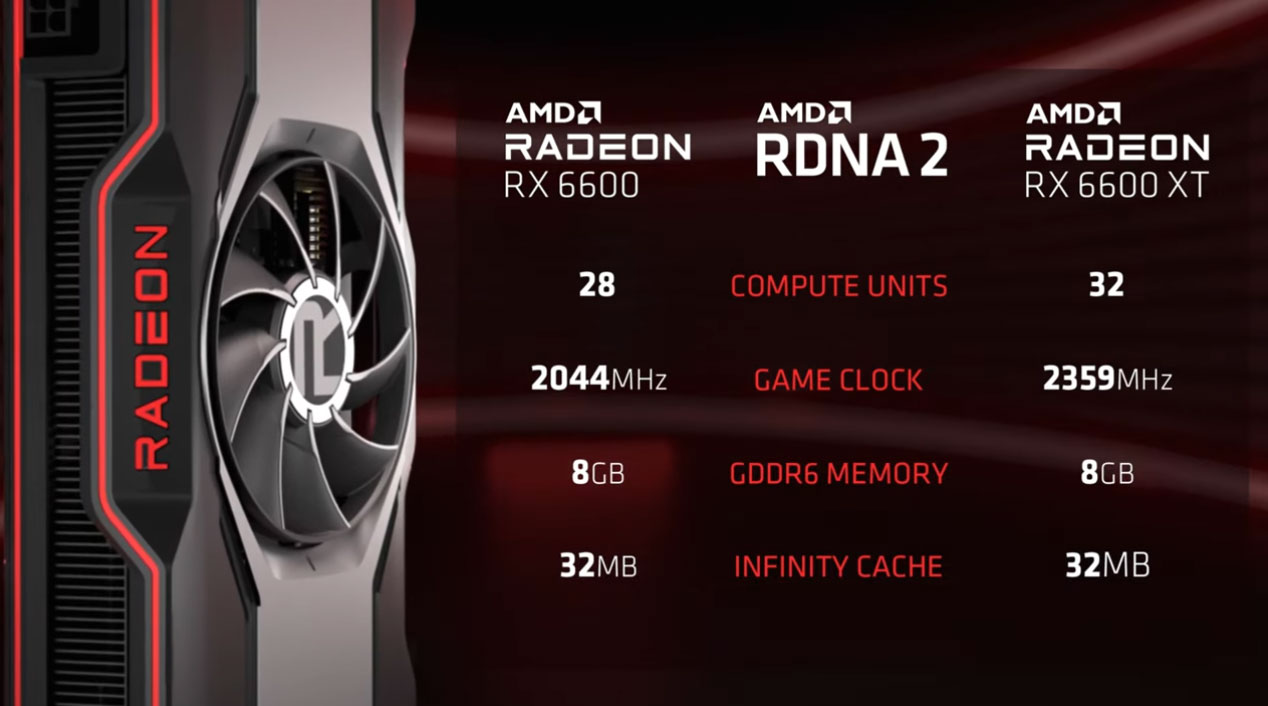
When evaluating the RX 6600 against the RX 6600 XT, the differences are primarily a matter of scale. The standard RX 6600 sees a reduction in stream processors and texture units, reflecting the approximate 15% difference in MSRP. While the Raster Operations Pipelines (ROPs) remain locked at 64—ensuring that pixel fill-rate performance remains robust—the card features more conservative clock speeds across the board.
Beyond the core counts, the memory configuration is a key differentiator. The RX 6600 utilizes 14Gbps memory, a step down from the 16Gbps found in the XT variant. This decrease in memory bandwidth, combined with lower GPU boost and game clock frequencies, defines the performance ceiling of the card. However, this intentional "detuning" serves a specific purpose: achieving a power-efficient, cooler-running profile that appeals to budget-conscious system builders.
Performance Benchmarks and Real-World Usage
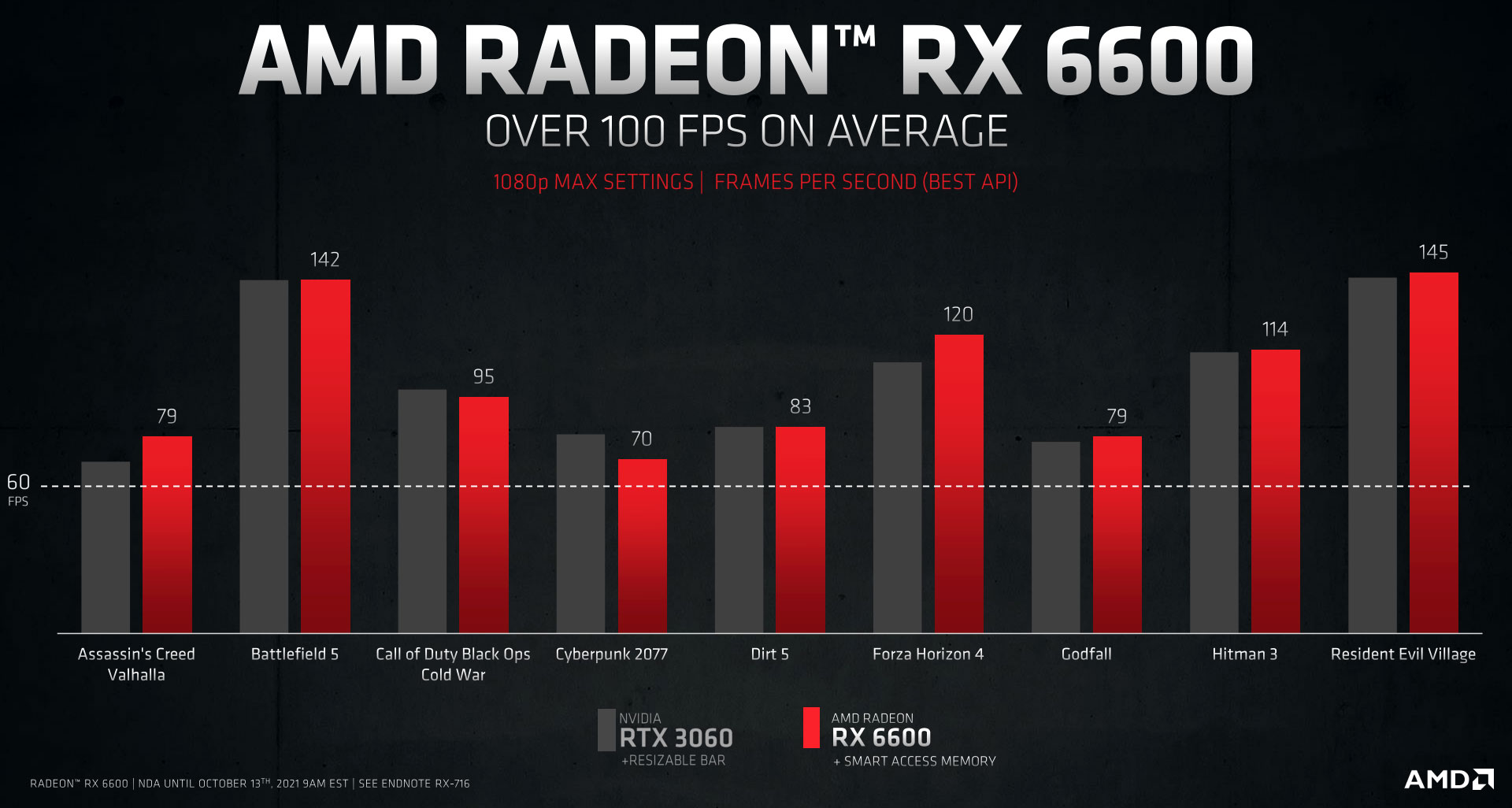
The influx of third-party benchmarks confirms that the RX 6600 is a formidable contender in the 1080p space. When compared to its primary rival, the Nvidia GeForce RTX 3060, the two cards exist in a state of fierce parity.
AMD vs. Nvidia: The 1080p Tug-of-War
In many modern titles, the performance gap between the RX 6600 and the RTX 3060 is negligible, often oscillating based on the game engine’s optimization. Games favoring AMD’s architecture see the RX 6600 pulling ahead, while titles optimized for Nvidia’s CUDA cores favor the RTX 3060.
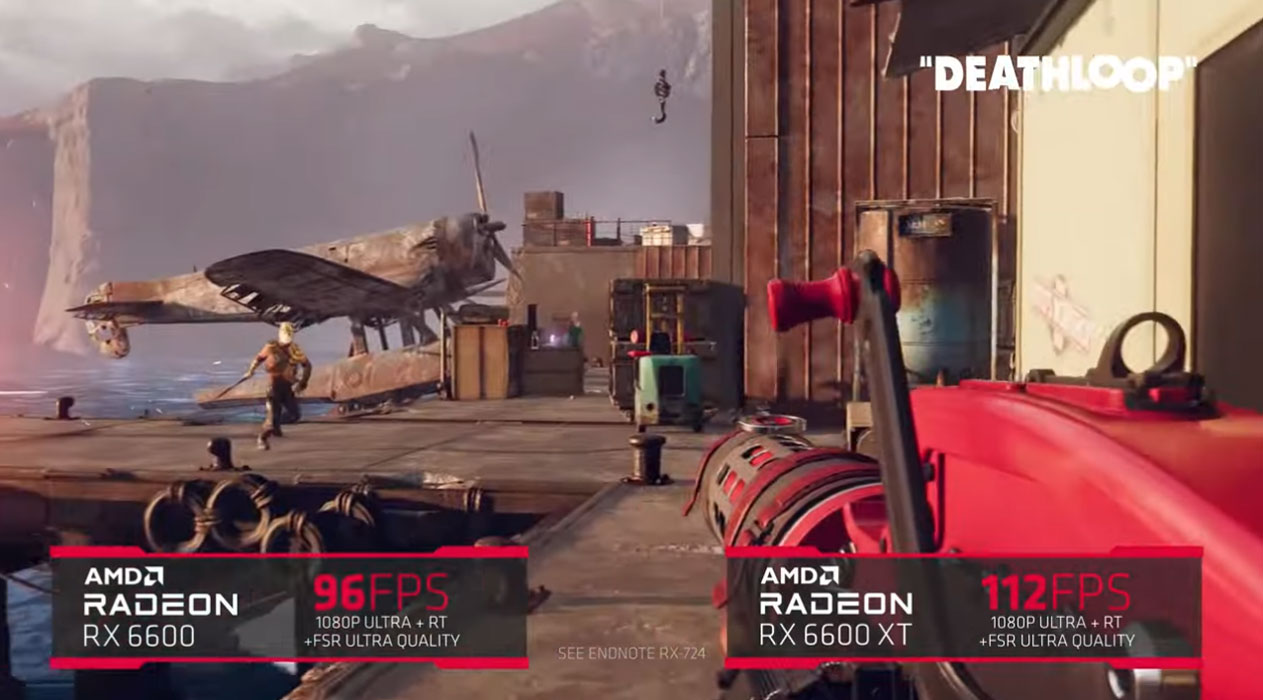
A notable point of discussion is ray tracing. While the RX 6600 is capable of hardware-accelerated ray tracing, its performance in this area is secondary to its rasterization prowess. In graphically demanding scenarios, the card often relies on AMD’s FidelityFX Super Resolution (FSR) to maintain playable frame rates. FSR has proven to be a vital "helping hand" for the RX 6600, allowing it to punch above its weight class in titles that support the upscaling technology.
Efficiency: The Power Advantage
One of the most impressive technical aspects of the RX 6600 is its power efficiency. With a Total Board Power (TBP) of just 132W, the card operates significantly cooler than the 170W RTX 3060. This low power draw makes the RX 6600 an ideal candidate for smaller form factor (SFF) builds and PCs with limited power supply headroom.
Interestingly, because many board partners are currently recycling cooling designs originally intended for the more power-hungry RX 6600 XT (160W), the market is currently saturated with oversized, over-engineered triple and dual-fan cards. While this may seem like overkill for a 132W chip, the result is an exceptionally quiet gaming experience, as the fans rarely need to spin at high RPMs to maintain thermal stability.
Official Stance and Market Availability
AMD’s official positioning for the RX 6600 emphasizes "visually stunning, high-refresh-rate 1080p gaming." The company frames the card as a future-ready investment for players who want to avoid the "compromise" of lower settings without spending premium-tier prices.
The Partner Ecosystem
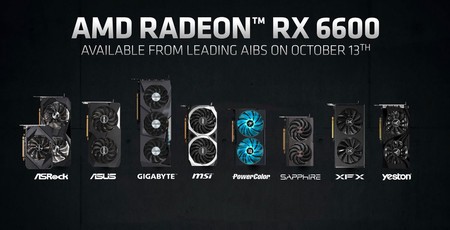
The rollout is supported by a comprehensive list of board partners, including industry stalwarts such as Asus, Gigabyte, MSI, PowerColor, Sapphire, ASRock, XFX, and Yeston. This diversity of manufacturers ensures that there are various aesthetics and cooling configurations available to the consumer, though finding these cards at or near their MSRP remains a challenge in the current global supply chain environment. Beyond standalone cards, the RX 6600 is also slated to appear in pre-built desktop systems, offering a plug-and-play solution for users who are wary of the current DIY market volatility.
Implications for the Future of Midrange Gaming
The launch of the RX 6600 carries significant weight for the broader GPU market. It serves as a reminder that the "luxury of choice" is a rare commodity in the current climate, where scalping and supply shortages continue to dictate availability. However, for those who can secure a unit at a reasonable price, the RX 6600 offers a compelling value proposition for 1080p and entry-level 1440p gaming.
The Ripple Effect: Impending Competition
The arrival of the RX 6600 has already sparked renewed speculation regarding Nvidia’s next move. Industry chatter suggests that Nvidia is preparing a counter-offensive with a potential desktop rollout of the GeForce RTX 3050 and 3050 Ti series. Rumors indicate that these cards might feature improved VRAM capacities—possibly including 6GB and 12GB GDDR6 variants—to better compete with AMD’s offerings.
If these rumors hold true, the midrange market is set to become even more competitive. For the consumer, this is an ideal scenario. Increased competition between the "red team" and the "green team" typically results in better price-to-performance ratios, more aggressive software support, and a wider variety of hardware options.
Concluding Thoughts
The AMD Radeon RX 6600 is not intended to be a groundbreaking, record-shattering flagship. Instead, it is a disciplined, efficient, and highly capable workhorse designed to handle the vast majority of gaming workloads at the most popular resolution globally: 1080p. By prioritizing power efficiency and leveraging the RDNA 2 architecture, AMD has provided a reliable path for mainstream gamers to enjoy modern titles at high frame rates.
While the broader market remains strained, the RX 6600 stands as a testament to AMD’s commitment to its midrange roots. As the industry looks toward the next cycle of hardware releases, the RX 6600 will likely remain a benchmark for what is expected of an accessible, modern graphics card. Whether it is enough to satisfy the hunger of the enthusiast community remains to be seen, but as a practical solution for today’s gaming landscape, it hits the mark with precision.

 Nana Muazin
 Sagoh
Sagoh