Nana Wu
A wave of excitement has swept through the gaming community following Nintendo’s official confirmation of a remake for the iconic The Legend of Zelda: Ocarina of Time. However, this monumental announcement has been met with a curious development: a significant alteration to the game’s description on the Nintendo Store, leaving fans questioning the true nature of this highly anticipated revival.
The legend of The Legend of Zelda: Ocarina of Time is deeply etched in the annals of gaming history. Released in 1998 for the Nintendo 64, it revolutionized 3D adventure games, earning critical acclaim and a devoted fanbase that has remained fervent for decades. The persistent clamor for a modern reimagining of Link’s seminal journey has been a constant undercurrent in gaming discussions. This persistent demand reached a fever pitch when Nintendo, during its recent Nintendo Direct presentation on June 9, finally unveiled that a remake is indeed on the horizon, slated for release in 2026.
This revelation has naturally ignited a fervor among both long-time aficionados and a new generation of players eager to experience this timeless classic. The remake is confirmed to be a Nintendo Switch 2 exclusive, a strategic move that significantly bolsters the appeal of Nintendo’s upcoming console and contributes to a growing roster of compelling exclusives that are making the Switch 2 an increasingly attractive prospect for consumers.
However, in the wake of such a highly anticipated announcement, every detail, no matter how minor, is subject to intense scrutiny. This became acutely apparent when a Reddit post on June 14 brought to light a subtle yet significant change in the description for The Legend of Zelda: Ocarina of Time remake on the official Nintendo Store. This alteration, seemingly innocuous at first glance, has since morphed into a focal point of fan speculation and concern.
The Shifting Narrative: From Detailed Promise to Cryptic Hint
The initial description for the Ocarina of Time remake on the Nintendo Store offered a tantalizing glimpse into what players could expect. It boldly stated: "The N64 classic reborn as a full remake for Nintendo Switch 2. Experience Ocarina of Time with stunning visuals, updated designs, and timeless gameplay." This wording suggested a comprehensive overhaul, a true modernization that would breathe new life into a beloved masterpiece. The phrase "full remake", coupled with promises of "stunning visuals" and "updated designs," painted a picture of a game rebuilt from the ground up, leveraging the power of the Switch 2 to deliver an experience that would be both familiar and revolutionary.
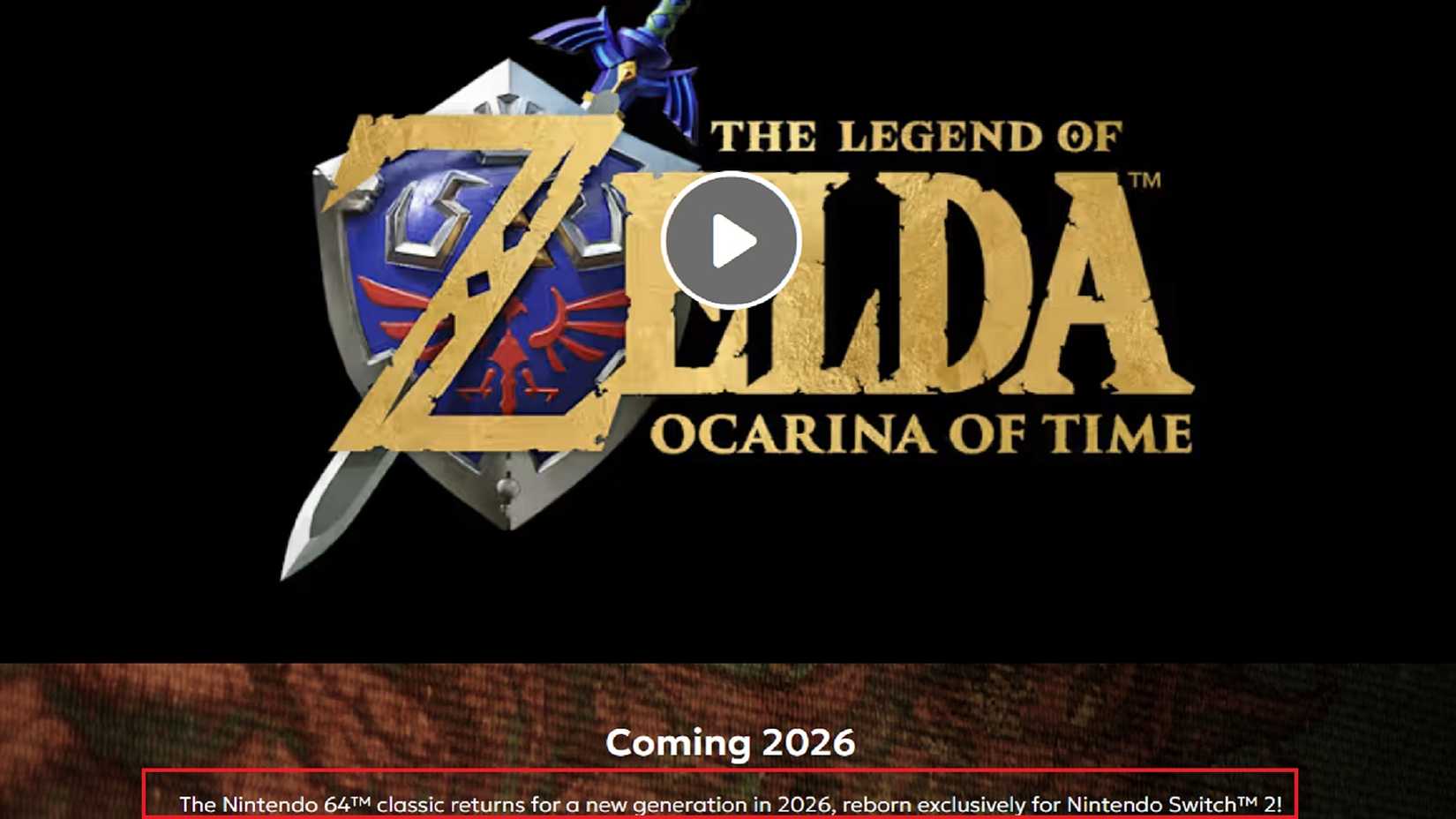
However, a visit to the Nintendo Store today reveals a starkly different description. The current listing now reads: "The Nintendo 64™ classic returns for a new generation in 2026, reborn exclusively for Nintendo Switch™ 2!"
The contrast is striking. The new description is notably shorter, stripped of the evocative language that previously hinted at the scope of the remake. The promise of "stunning visuals," "updated designs," and the crucial assurance of a "full remake" have been replaced with a more generalized statement of return. This abrupt shift has understandably fueled apprehension among fans who have been dreaming of a remake that addresses the game’s aging graphical fidelity and potentially clunky gameplay mechanics.
Decoding the Enigma: What Lies Behind the Generic Description?
The immediate reaction from many players has been a mixture of confusion and concern. Why would Nintendo, after generating such immense excitement, seemingly backtrack on the promised scope of the remake? The implication, for some, is that the "full remake" might be closer to a remaster, akin to the 2011 3D remake for the Nintendo 3DS, which primarily focused on graphical enhancements and minor gameplay tweaks rather than a complete reimagining.

The 1998 release of Ocarina of Time on the Nintendo 64 was a landmark achievement, but by today’s standards, its graphics and many of its gameplay elements are undeniably dated. The hope among fans is for a revitalization that not only modernizes the visuals but also refines the controls, potentially rebalances certain gameplay aspects, and offers a truly immersive experience for a new era of gaming.
Several theories have emerged to explain this enigmatic alteration:
Theory 1: The Accidental Original
The most pragmatic explanation, and one that aligns with common industry practices, is that the initial description was an unintentional placeholder. It is not uncommon for game listings on digital storefronts to feature generic or preliminary descriptions when first announced or listed. These initial descriptions are often populated with boilerplate text and are then updated with more specific and engaging details as marketing materials, trailers, and official announcements are rolled out.
In this scenario, the "full remake" description might have been a mistake, an early draft that was accidentally published. The current, more concise description could then represent the intended, official text that should have been present from the outset. This aligns with the typical release cycle of game information, where early details are often less polished and are refined over time.
Theory 2: Strategic Information Management
Another possibility is that Nintendo is deliberately employing a strategy of controlled information release. By initially hinting at a "full remake" and then reverting to a more ambiguous description, they may be aiming to manage expectations or to build anticipation for future reveals. This approach can generate buzz and keep the conversation around the game alive.
However, this strategy carries a significant risk. In an era where transparency is highly valued by gamers, such a perceived backtrack could lead to disappointment if the final product doesn’t meet the implied standards of the initial description. It could be seen as a bait-and-switch tactic, which can damage player trust.
Theory 3: A Genuine Shift in Scope
A more concerning, though less probable, theory is that there has been a genuine shift in the scope of the remake itself. Perhaps development challenges, budget constraints, or a change in directorial vision has led Nintendo to scale back from a full remake to something closer to a remaster.
This theory is particularly worrying because Ocarina of Time is a game that many believe is ripe for a substantial overhaul. A mere graphical facelift, without addressing the underlying mechanics and design elements that have been surpassed by modern game development, might not satisfy the deep-seated desires of the fanbase.
The Weight of Expectations: A Legacy on the Line
The legacy of The Legend of Zelda: Ocarina of Time is immense. It is not merely a video game; for many, it is a formative experience, a touchstone of their childhood. The anticipation surrounding its remake is therefore not just about playing a new game, but about revisiting a cherished memory with modern sensibilities.
The current description, devoid of specific promises, leaves the door open to interpretation. While it is possible that the remake will indeed be a comprehensive reimagining, the absence of explicit assurances leaves fans in a state of uncertainty. The fear is that the remake might fall into the category of games that are technically "remakes" but lack the ambition and transformative quality that fans truly desire.
Looking Ahead: When Will the Truth Be Revealed?
Nintendo has remained characteristically tight-lipped regarding the specifics of the Ocarina of Time remake’s description change. Official comments on such matters are rare, and it is unlikely that the company will issue a direct statement explaining the alteration.
Instead, players are left to await further official communications. The most logical juncture for Nintendo to provide clarity on the remake’s scope and features would be with the release of a dedicated trailer or a more detailed gameplay demonstration. This is typically when developers unveil the most comprehensive information about a project, offering a concrete look at the visuals, mechanics, and overall direction of the game.
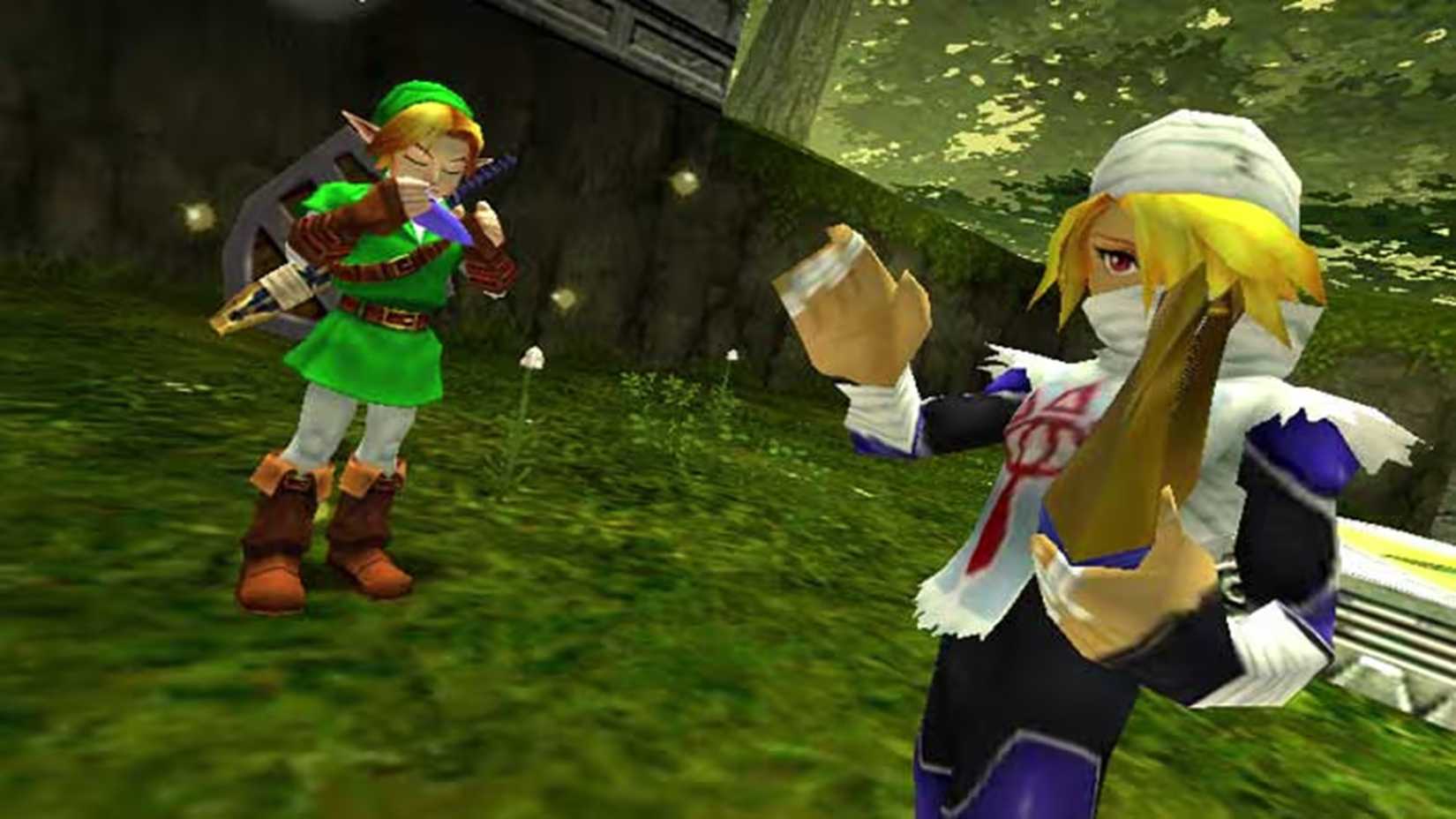
The upcoming months and years leading up to the 2026 release will undoubtedly be filled with leaks, rumors, and fan theories. However, only official channels can definitively confirm the nature of the Ocarina of Time remake.
The Broader Landscape: Remakes and Remasters in the Modern Era
The gaming industry has seen a significant surge in remakes and remasters in recent years. This trend, driven by nostalgia and the desire to introduce classic titles to new audiences, has yielded both critical and commercial successes. Games like Final Fantasy VII Remake and Resident Evil 2 Remake have set a high bar for what a modern reimagining can achieve, demonstrating that a "full remake" can indeed elevate a beloved classic to new heights.
However, there is also a fine line between a transformative remake and a superficial remaster. While remasters offer a valuable service by preserving older games and making them accessible on modern platforms, they often lack the ambition to fundamentally reinvent the experience. The concern surrounding the Ocarina of Time remake stems from the fear that it might lean more towards the latter.
A Tale of Two Zeldas: The Promise of Star Fox and Majora’s Mask
Adding to the intrigue, Nintendo has also confirmed a remake of Star Fox alongside the Ocarina of Time announcement. This dual commitment to reviving beloved franchises signals a broader strategy from Nintendo, one that leans into the power of nostalgia. The success of these remakes will likely influence Nintendo’s future decisions regarding its extensive back catalog.
The potential for remakes of other cherished Zelda titles, such as Majora’s Mask, hangs in the balance. If the Ocarina of Time remake proves to be a resounding success, it could pave the way for further explorations of Hyrule’s rich history. Conversely, a disappointing execution might temper Nintendo’s enthusiasm for such ambitious undertakings.
Conclusion: Patience and Pragmatism in the Face of Uncertainty
The mystery surrounding the Ocarina of Time remake’s description serves as a potent reminder of the intense scrutiny that beloved franchises face when reimagined for a new generation. While the shift from a detailed promise to a cryptic hint is concerning, it is crucial to remain pragmatic. The most likely explanation is a simple error in initial publication, with the current description being the intended one.
Ultimately, the true nature of the Ocarina of Time remake will be revealed through gameplay and official announcements. Until then, fans can only speculate, hope, and eagerly await the day when they can once again step into the shoes of the Hero of Time, experiencing his legendary adventure in a form that honors its legacy while embracing the future of gaming. The Switch 2’s early success may well hinge on the quality of its flagship titles, and the Ocarina of Time remake stands as one of its most significant early tests.


 Lina Irawan
 Sagoh
Sagoh