Raul Delapena Setiawan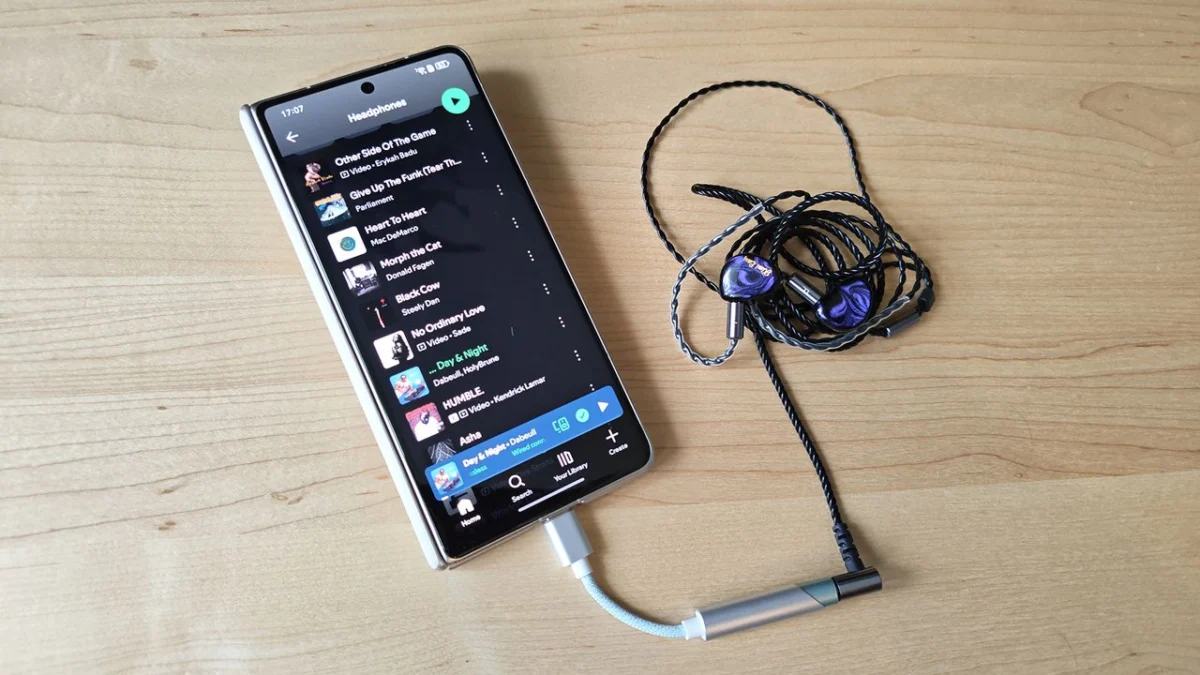
For decades, the term "audiophile" conjured images of mahogany-paneled listening rooms, five-figure amplifiers, and cables thicker than a garden hose, allegedly woven from silver and pixie dust. It was a hobby defined by exclusivity, gatekeeping, and a dictionary of nebulous, unprovable adjectives. But over the last 11 months, a quiet revolution has been unfolding—one that democratizes high-fidelity sound for the price of a takeout dinner.
The barrier to entry has officially collapsed. Whether you are a casual listener or a burgeoning music enthusiast, the pursuit of "audiophile" quality is no longer about clearing out your savings account. It is about the deliberate, active appreciation of music through hardware that is expertly tuned to reveal the nuances in your favorite tracks.
The Myth of the "Audio-Grade" Rock
For the uninitiated, the world of high-end audio can be genuinely intimidating. It is an industry shrouded in mysticism, where marketing departments frequently lean on "placebo engineering" to sell products to well-meaning, if occasionally gullible, consumers.
If you ever encounter a retailer attempting to sell you "audio-grade quartz rocks" to place on your amplifier to "clean up the soundstage," the best advice is simple: run. The audiophile market has historically been plagued by snake oil, where the lack of scientific consensus allowed companies to charge astronomical prices for products that offer zero objective improvement in sound quality.
The modern consumer, however, is becoming increasingly skeptical. We are moving away from an era of "magical thinking" toward an era of data-driven, accessible performance.
A Chronology of the IEM Renaissance
The shift toward affordable high-fidelity began with the rise of the In-Ear Monitor (IEM). Originally designed for professional musicians to use on stage as personal monitors, these devices prioritize isolation and sonic accuracy.
- 2010–2015: The "Chi-Fi" (Chinese Hi-Fi) market begins to emerge. Initially dismissed as low-quality clones, these manufacturers begin investing heavily in R&D, utilizing high-quality dynamic drivers and balanced armature arrays.
- 2016–2020: Online communities on platforms like Reddit and Head-Fi begin to track frequency response measurements. This transparency forces companies to compete on sound quality rather than just branding.
- 2021–2024: The "Golden Age of Budget Audio." Companies like Truthear, Kiwi Ears, and Moondrop bring professional-grade tuning to sub-$50 price points.
- 2025–Present: The normalization of high-fidelity mobile audio. With the ubiquity of high-resolution streaming services, consumers realize that their hardware is the final, and most critical, bottleneck.
The Audiophile Starter Pack: What You Actually Need
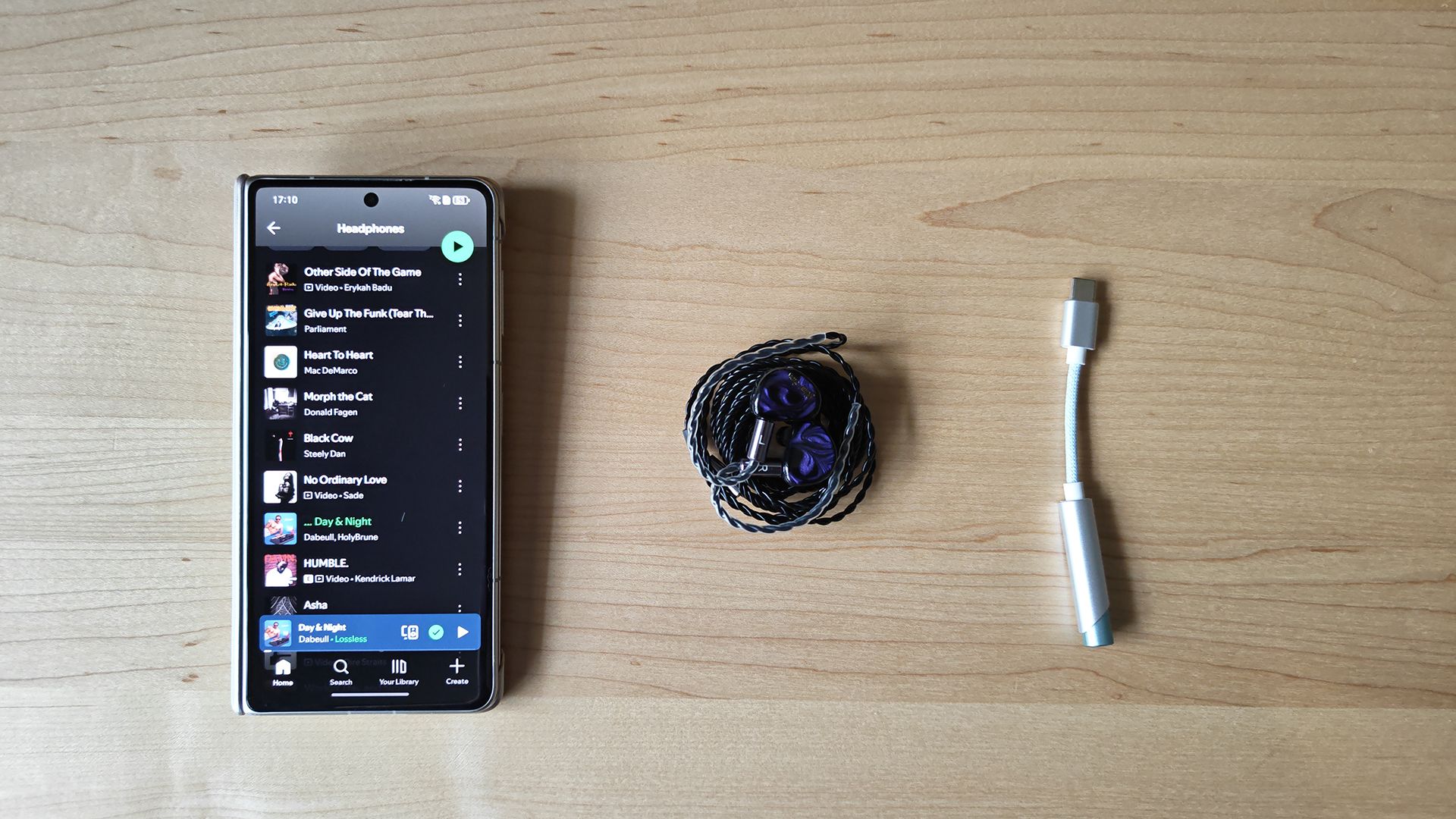
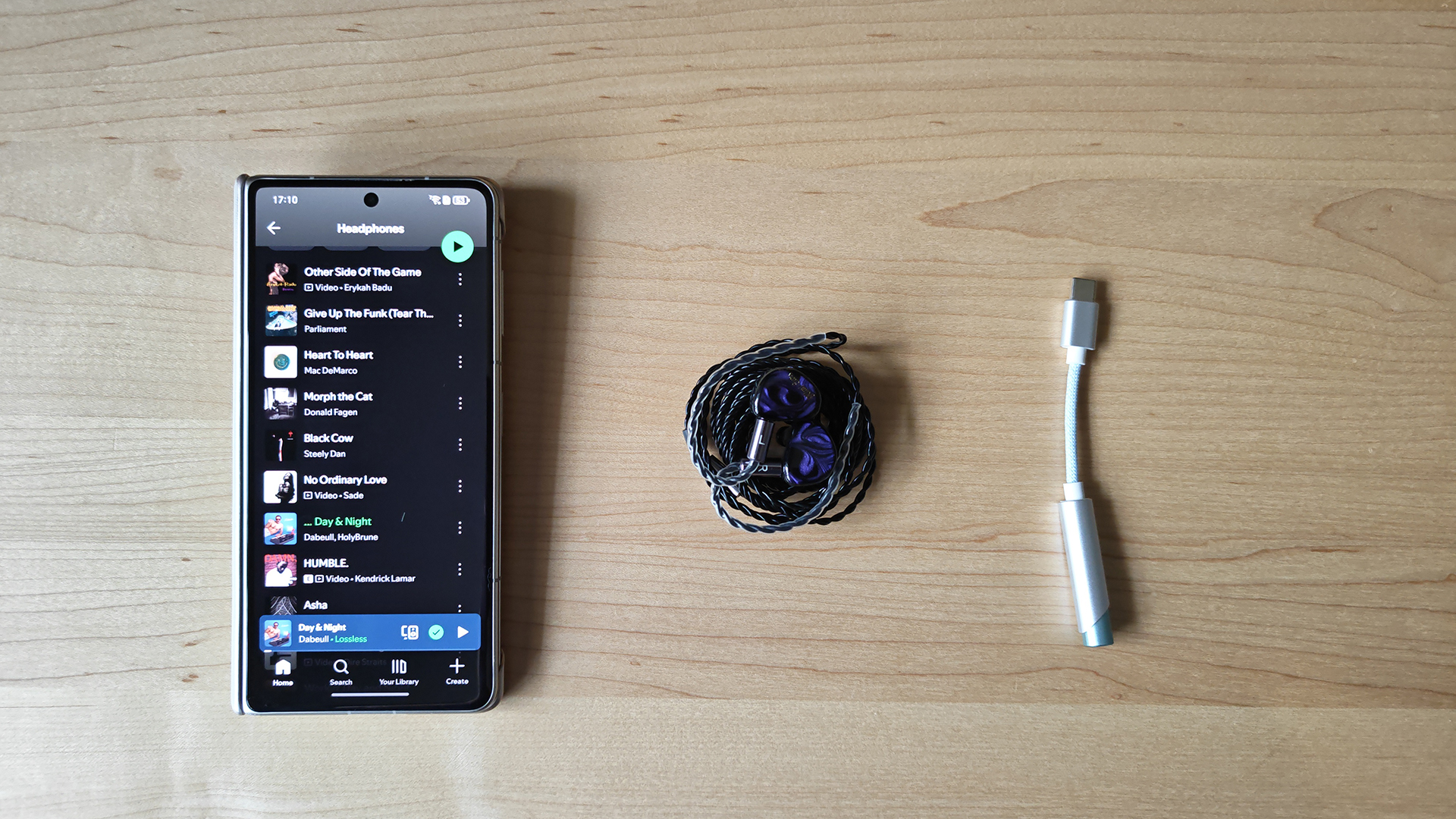
If you possess a smartphone with a 3.5mm jack, or a simple USB-C to 3.5mm adapter, you are already equipped to start your journey. Here are three entry-level stalwarts that illustrate the current state of high-performance, low-cost audio.
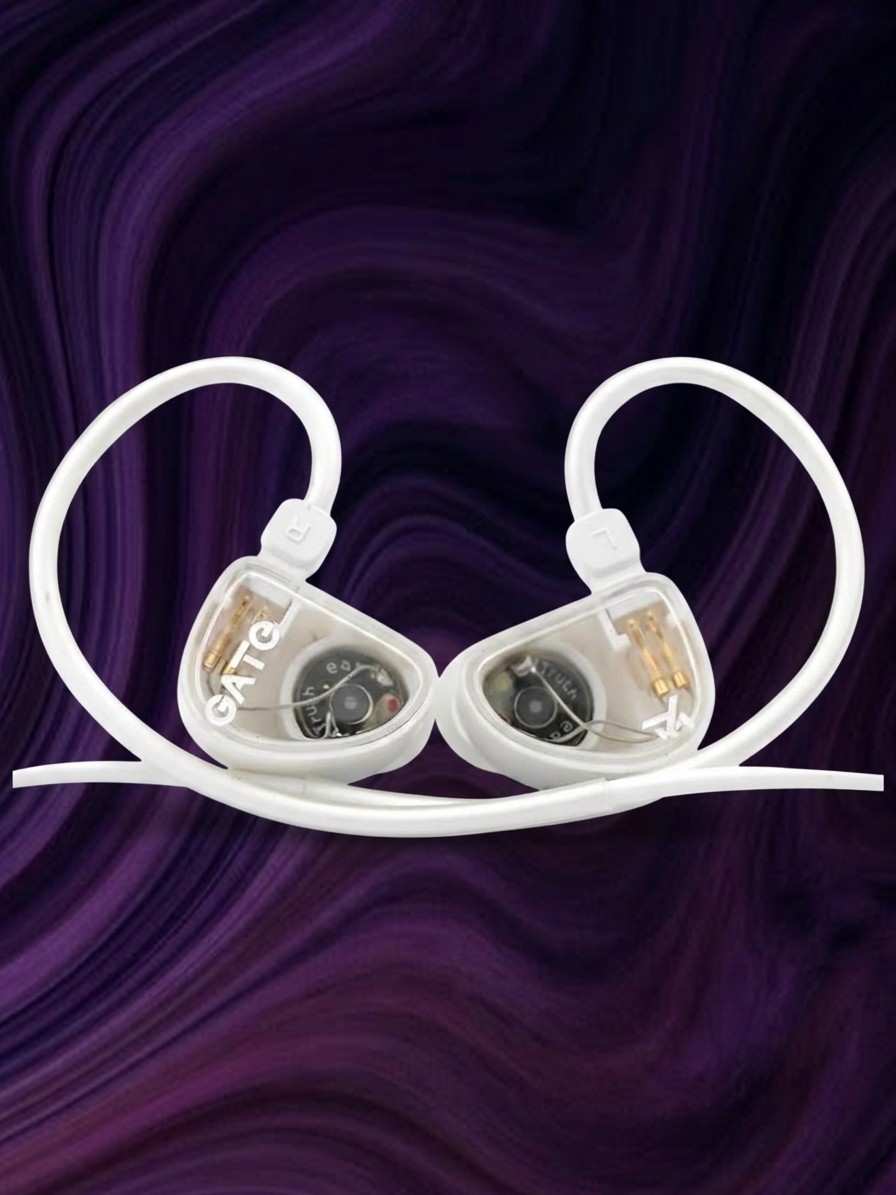
1. The Truthear Gate ($22)
Released in 2024, the Truthear Gate has become the "gold standard" for beginners. It offers a neutral, slightly bright sound signature with a satisfying bass punch. It is the perfect entry point for those who want to hear the "air" in a recording—the subtle textures of cymbals and string instruments—without sacrificing the rhythmic drive of modern pop or hip-hop.
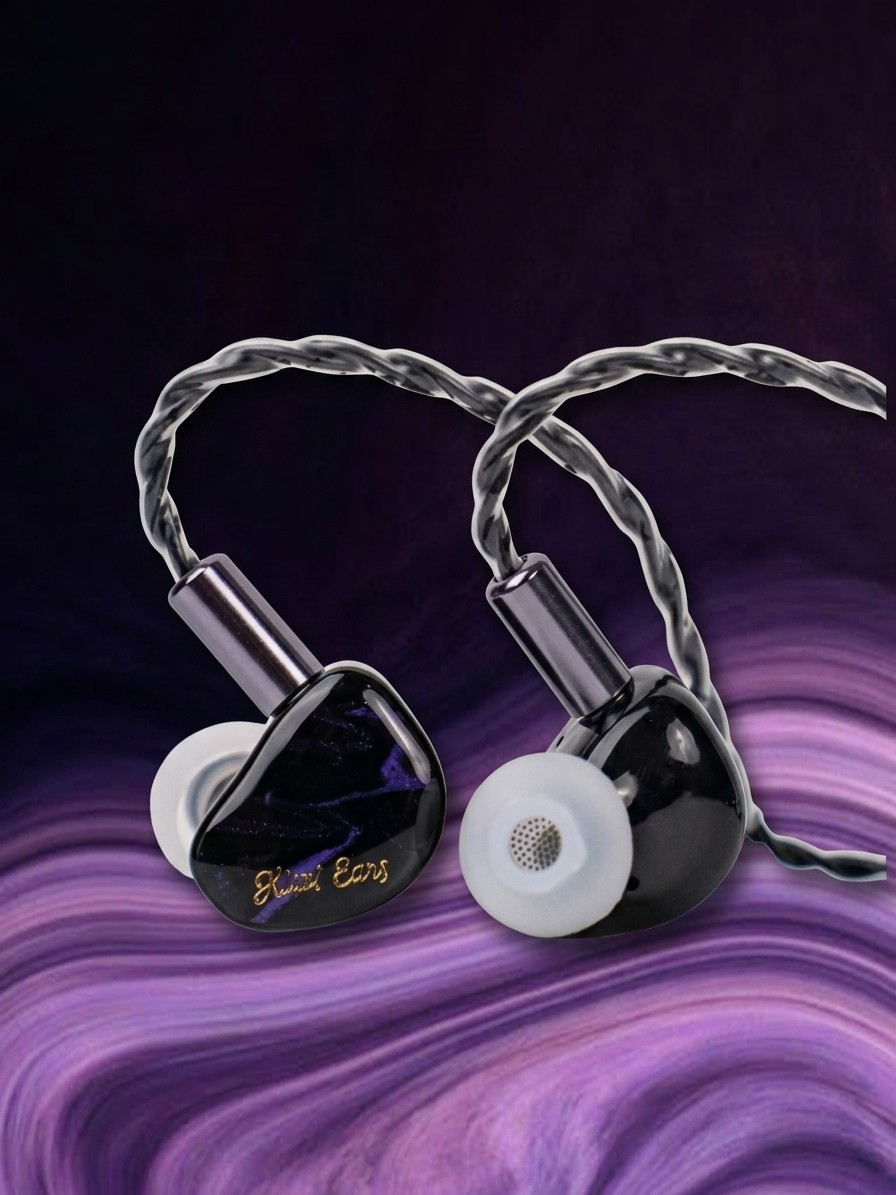
2. The Kiwi Ears Cadenza ($35)
For those who prefer a more "musical" or "fun" presentation, the Cadenza is peerless. It features a V-shaped sound signature, meaning it boosts both the bass and the treble. Unlike consumer-grade "bass-heavy" earbuds that muddy the sound, the Cadenza retains incredible definition, ensuring that the vocals remain crisp and clear even when the bass kicks in.
3. The Moondrop Lan ($40)
If the Gate is a spirited hatchback, the Moondrop Lan is the refined sedan. It features a premium metal shell that feels significantly more durable than its plastic counterparts. Its tuning is cleaner, more laid back, and incredibly precise. It is the ideal choice for those who want to hear the studio-quality clarity of their favorite jazz or classical tracks without the harshness of boosted treble.
The Secret Ingredient: The Apple Dongle ($9)
The most overlooked piece of audiophile hardware in existence is the $9 Apple USB-C to 3.5mm adapter. While critics often scoff at its modest price, technical analysis (such as the testing performed by Audio Science Review) has shown that it offers remarkably clean, low-distortion digital-to-analog conversion that rivals devices costing ten times as much. It is the ultimate proof that you do not need to overspend to achieve transparency.
Supporting Data: Why "Tuning" is King
The most significant shift in the industry is the realization that technical specs—like exotic driver materials—take a backseat to "tuning."
In a landmark 2014 study conducted by industry legend Sean Olive and his team at Harman, five different headphones ranging from entry-level to high-end were tuned to follow the same frequency response curve. When blinded, professional listeners were unable to consistently distinguish between them.
The takeaway is profound: The engineering of the sound signature—how the device handles different frequencies—is the single most important factor in how it sounds. Expensive cables, gold-plated connectors, and "exotic" housing materials are largely aesthetic. When you buy a $22 IEM from a reputable manufacturer today, you are paying for the culmination of decades of research into how the human ear perceives sound.
Industry Implications and the "New Audiophile"
The old guard of the audio industry—the brands that relied on prestige pricing and pseudo-science—is facing an existential crisis. Today’s audiophiles are armed with measurement microphones, frequency response graphs, and a healthy dose of skepticism.
This shift has created a more inclusive hobby. You no longer need to be a "gearhead" to enjoy the difference between a muddy, muffled pair of gas-station earbuds and a pair of tuned, high-resolution monitors. The democratization of high-fidelity audio means that the joy of discovery—hearing the intake of breath from a vocalist, or the specific resonance of a wooden cello body—is now available to everyone.
Conclusion: Defining the Audiophile for 2026
In 2026, the definition of an "audiophile" is no longer about the badge you wear or the amount of money you’ve burned. It is simply about the act of listening.
If you are curious about what your music is supposed to sound like, you don’t need a $5,000 amplifier. You need a pair of well-tuned IEMs, a high-quality streaming source, and the willingness to sit down, silence your notifications, and actually listen.
The industry may try to keep things opaque to protect their margins, but the data is clear: the path to high-fidelity has never been shorter, or more affordable. Don’t worry about the badge; worry about the music. You’ll find that the best seat in the house is just a $22 investment away.

 Suro Senen
 Laily UPN