Asep Darmawan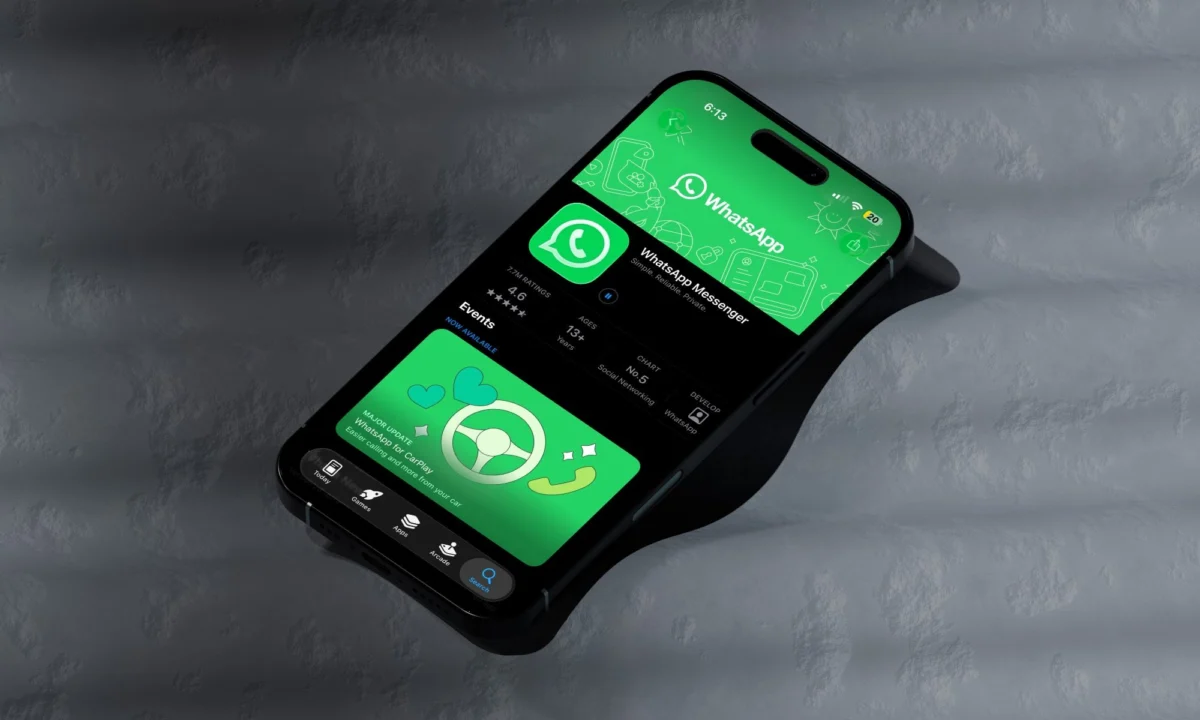
In an era where digital footprints are increasingly permanent, the demand for ephemeral communication has surged. WhatsApp, the world’s most popular messaging platform, is poised to close a significant gap in its privacy toolkit. According to recent reports from the industry-tracking outlet WABetaInfo, the Meta-owned messaging giant is currently developing "View-Once" functionality for standard text messages—a feature that promises to bring the same level of fleeting security to text that currently protects photos, videos, and voice notes.
The Evolution of Ephemeral Communication
WhatsApp has long championed the concept of disappearing messages, but the implementation has historically been broad-stroked. Current disappearing message settings apply to entire conversation threads, and the deletion timer is tethered to the moment a message is dispatched, rather than when it is consumed. This "one-size-fits-all" approach has left many users yearning for more granular control over individual sensitive communications.
The company has been aggressively iterating on these shortcomings. Earlier this year, reports surfaced that WhatsApp began testing an "After Reading" timer for disappearing messages. This improvement ensures that the deletion countdown only commences once the recipient has actually opened the message, providing a more intuitive experience. The addition of "View-Once" text messages serves as the logical next step in this progression, allowing users to send specific, high-stakes information that is designed to vanish the moment it is consumed.
Chronology: From Media to Text
The journey toward comprehensive ephemeral messaging on WhatsApp has been a multi-year endeavor:
- 2021: WhatsApp officially introduced the "View-Once" feature for photos and videos. This allowed users to share sensitive visual information—such as Wi-Fi passwords or confidential documents—with the assurance that the media would disappear from the chat history immediately after being viewed.
- 2023: Recognizing the success of its visual media implementation, WhatsApp expanded the View-Once capability to include voice notes. This was a critical update, as voice messages often contain personal or sensitive data that users prefer not to store indefinitely on the recipient’s device.
- Early 2026: WhatsApp initiated testing for the "After Reading" timer, signaling a shift toward user-centric, context-aware message deletion.
- June 2026: Industry experts at WABetaInfo spotted evidence of "View-Once" text functionality within the WhatsApp beta for iOS (version 26.24.10.16). This discovery confirmed that the company is actively developing the feature for both iOS and Android ecosystems.
Technical Mechanics: How the Feature Functions
The implementation of View-Once text messaging is designed for simplicity and strict enforcement of user intent. Based on early beta observations, the process is integrated directly into the standard messaging interface:
- Initiation: Users compose their message as they normally would within the chat interface.
- The "View-Once" Trigger: Instead of a simple tap, users will be required to long-press the "Send" button. This action triggers a context-sensitive dropdown menu offering the option to "Send as view once."
- Consumption: Once the recipient taps the notification to view the message, they will see its contents exactly once. Upon exiting the message view, the text will become inaccessible.
- Enforcement of Privacy: To ensure the integrity of the feature, WhatsApp is implementing strict guardrails. The platform will block the ability to copy text, forward the message, take screenshots, or perform screen recordings. If a user attempts to capture the content, the application will either trigger a security warning or return a blacked-out image, mirroring the existing restrictions currently applied to View-Once media.
This feature is expected to be available for both individual one-on-one chats and group conversations. However, initial reports suggest that Channels—WhatsApp’s one-to-many broadcasting tool—will not support this functionality, likely because the primary use case for Channels is information dissemination rather than private, ephemeral dialogue.

Supporting Data and Security Context
The necessity for such features is underscored by the shifting landscape of digital security. As cyber threats and data leaks become more prevalent, users are increasingly wary of "permanent" digital records.
While WhatsApp already employs end-to-end encryption for all messages, the "View-Once" feature adds a layer of "content-at-rest" security. Even if a device is compromised or a user’s cloud backup is accessed, the "View-Once" message is designed to never exist on the recipient’s storage long enough to be archived or extracted.
Industry analysts point out that this brings WhatsApp in closer parity with specialized privacy-focused messaging apps like Signal or Telegram’s "Secret Chat" mode. By integrating these features into a mainstream platform with over two billion users, WhatsApp is effectively normalizing high-level privacy practices for the general public, rather than restricting them to tech-savvy early adopters.

Official Responses and Development Status
As of mid-2026, WhatsApp has not released a formal press statement outlining a specific rollout date. The feature remains in the early stages of beta testing on TestFlight for iOS and is undergoing parallel development for Android.
Industry insiders note that the gap between a beta sighting and a public release can vary significantly. WhatsApp’s engineering team often subjects such privacy-centric features to rigorous testing to ensure that the "View-Once" protections—specifically the screenshot and copy-blocking mechanisms—cannot be bypassed by third-party tools or operating system exploits. Consequently, while the feature is highly anticipated, it may be several months before it reaches the stable release channel for the general user base.
Broader Implications for Digital Communication
The introduction of View-Once text messages is more than just a software update; it represents a fundamental change in how we perceive digital correspondence. For years, the internet was built on the premise that what is written is saved. By introducing "disposable" text, WhatsApp is encouraging a shift toward "conversational" digital communication, where messages behave more like spoken words—present in the moment, but not inherently destined for long-term storage.

Privacy as a Product Feature
For Meta, this is a strategic move. As competitors scramble to offer unique selling propositions, privacy has become the primary battleground. By offering robust, easy-to-use ephemeral tools, WhatsApp cements its position as a secure vault for personal data.
Impact on Legal and Professional Boundaries
The adoption of such features may also have long-term implications for the legal and corporate world. Organizations often require the preservation of communication for compliance reasons. As ephemeral messaging becomes standard, businesses may need to update their internal policies regarding the use of such features on devices used for professional correspondence.
User Experience Considerations
There is a potential downside to consider: user confusion. The existence of multiple "types" of messages—standard, disappearing, and view-once—could create a fragmented experience if not handled with clear UI/UX design. WhatsApp will need to ensure that the distinction between these modes is immediately apparent to prevent users from accidentally sending permanent messages that were intended to be ephemeral.

Conclusion
WhatsApp’s upcoming "View-Once" text feature is a testament to the platform’s commitment to evolving alongside the privacy needs of its massive user base. By bridging the gap between media and text, the company is providing a more comprehensive suite of tools for users to control their digital footprint. While the feature is still undergoing refinement in beta, its eventual arrival promises to make the world’s most popular messenger an even more formidable tool for secure, fleeting, and intentional communication. As we wait for the official rollout, one thing is clear: the era of permanent digital record-keeping is rapidly giving way to a more private, ephemeral future.

 Neng Nana
 Rifan Muazin