Nana
Nana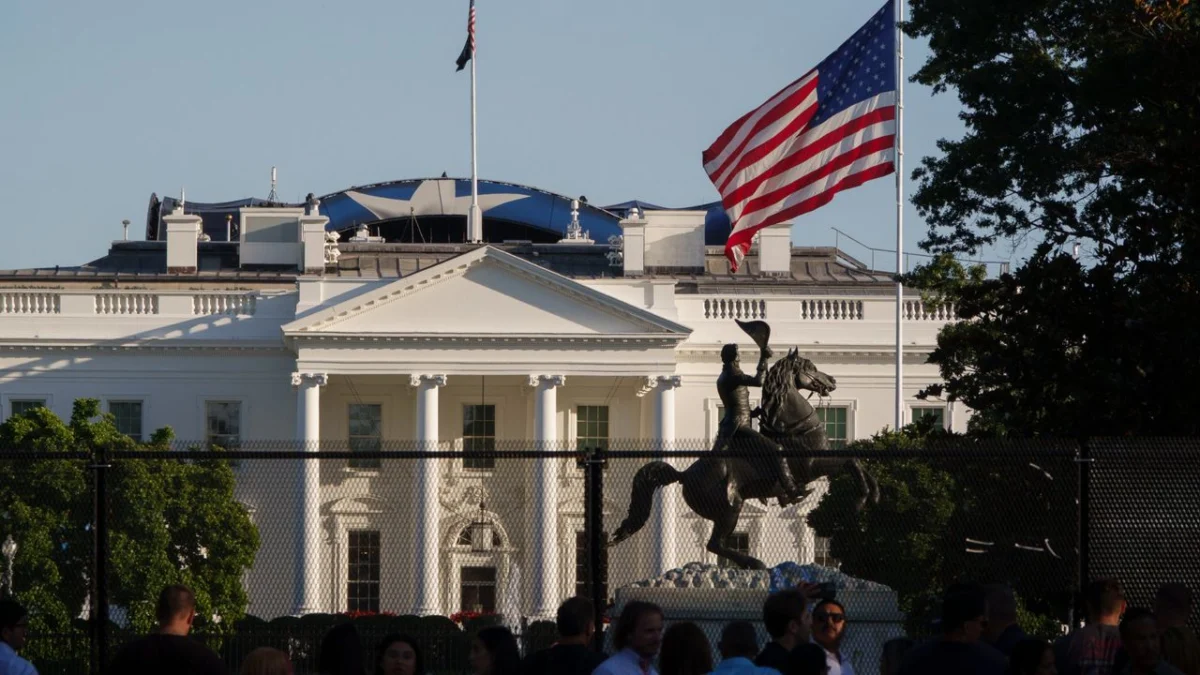
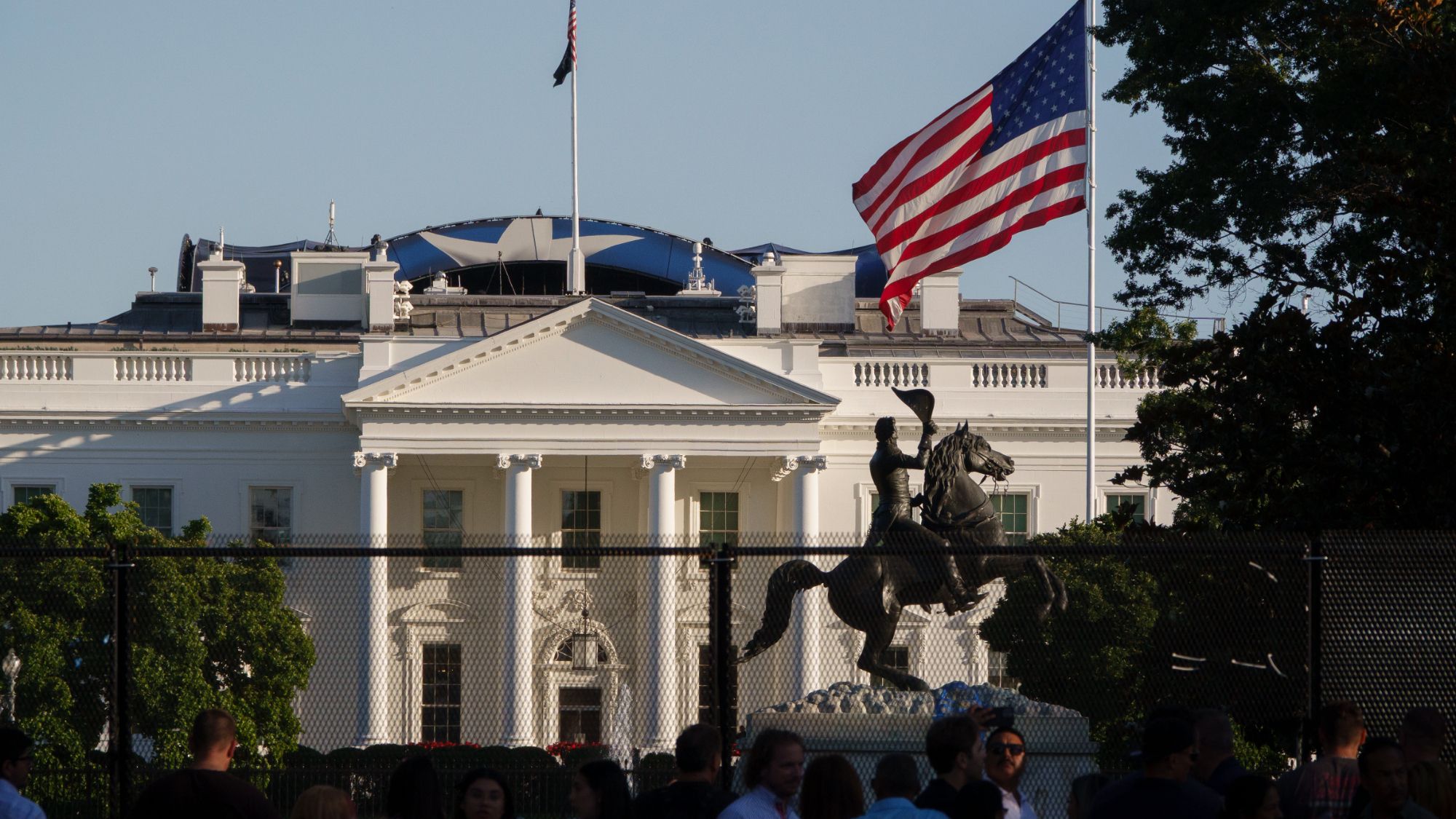
In a high-stakes balancing act of economic diplomacy and national security, the White House has reportedly stalled plans to add the Chinese artificial intelligence startup DeepSeek to the U.S. Department of Commerce’s Entity List. This decision, according to reports from Reuters, is not a reflection of a lack of concern, but rather a calculated attempt to avoid inflaming trade tensions with Beijing ahead of a critical state visit by President Donald Trump.
The potential blacklisting of DeepSeek—a firm that has sent shockwaves through the global AI industry—was slated to include over 100 other Chinese entities. The move was recommended by an interagency committee following alarming reports from senior State Department officials alleging that the firm has been actively supporting Chinese military and intelligence operations.
The Core Conflict: Security vs. Diplomacy
The Entity List serves as a powerful instrument of U.S. trade policy, effectively barring American companies from exporting technology or providing services to designated foreign entities. While the case against DeepSeek is compelling from a national security perspective, the timing of the potential sanction is fraught with geopolitical risk.
With a three-day state visit to China on the horizon, the Biden-Harris administration is navigating a precarious path. A heavy-handed approach could trigger a retaliatory cascade, particularly given Beijing’s tight grip on the supply chain for rare-earth materials—a critical bottleneck for global semiconductor manufacturing. The hesitation to finalize the blacklist reflects a broader, systemic tension: how does the United States contain the technological rise of its primary rival without destabilizing the global economy in the process?
A Chronology of Escalating Tensions
The scrutiny surrounding DeepSeek is not a sudden development but the culmination of months of friction between the American AI sector and its Chinese counterparts.
- Mid-2024: Concerns mount within the U.S. intelligence community regarding the rapid development cycles of Chinese frontier models.
- Late 2024: An interagency committee formally recommends the inclusion of DeepSeek and memory manufacturer CXMT (ChangXin Memory Technologies) on the Commerce Department’s Entity List.
- Early 2025: Anthropic, a leading American AI firm, publicly accuses Chinese developers of engaging in "industrial-scale copying" of their proprietary models.
- Present Day: The White House pauses the expansion of the blacklist, citing the need for diplomatic stability during upcoming high-level summits with Chinese leadership.
Anthropic’s Allegations: The "Distillation" Controversy
The controversy reached a boiling point when Anthropic, the developer of the Claude AI model, leveled serious accusations against DeepSeek and other Chinese firms. According to Anthropic, these companies have been engaged in "illicit distillation"—a process where a smaller, more efficient model is trained by mimicking the outputs of a larger, more sophisticated one.
Anthropic claims that 24,000 fraudulent accounts were used to perform 16 million exchanges with its systems to scrape enough data to distill Claude’s capabilities. In a statement released on X, the company explained the danger: "Distillation can be legitimate: AI labs use it to create smaller, cheaper models for their customers. But foreign labs that illicitly distill American models can remove safeguards, feeding model capabilities into their own military, intelligence, and surveillance systems."
This accusation strikes at the heart of the "model safety" debate. By removing the safety guardrails—the "ethical layers" designed to prevent AI from being used for malicious purposes—these companies are accused of repurposing American innovation for state-sponsored surveillance and military advancement.
The Semiconductor Shadow War
Beyond software, the struggle over hardware remains intense. Reports indicate that DeepSeek has allegedly utilized a network of shell companies to circumvent U.S. export controls and procure advanced Nvidia H100 AI GPUs. While Nvidia has officially denied direct involvement or knowledge of these transactions, the reports underscore a persistent problem: the difficulty of tracking high-end hardware once it enters the secondary market.
Simultaneously, CXMT, another firm on the watchlist, has begun to see its DRAM chips adopted by mainstream brands, including Corsair. As companies struggle with supply chain volatility from traditional giants like Micron, Samsung, and SK hynix, Chinese-made memory is increasingly viewed as an "antidote" to shortages. However, this creates a dependency that the U.S. government views as a potential long-term vulnerability.
Economic Implications: The Cost of Disconnection
The debate is complicated by the fact that DeepSeek has gained genuine traction among American users. As the cost of subscriptions for premier U.S.-based models from OpenAI and Anthropic rises, many developers and small firms are looking toward more affordable, open-source, or Chinese-developed alternatives.
If the U.S. proceeds with the blacklist, the fallout would be immediate and disruptive:
- Corporate Disruption: American firms relying on Chinese components or software-as-a-service (SaaS) models would be forced to undergo expensive and time-consuming transitions.
- Market Volatility: A full-scale blacklist could trigger a "tit-for-tat" war. Beijing has already demonstrated its willingness to control the export of rare-earth minerals. Given that these materials are essential for every facet of modern electronics—from EVs to advanced radar—any move by Beijing to restrict supply would cause global prices to spike, hurting the U.S. semiconductor industry far more than a simple trade ban.
- Innovation Stagnation: Forcing a "decoupling" of AI research could lead to a fragmented global ecosystem, where Western and Eastern models fail to interoperate, creating security risks in the long term due to a lack of shared standards and regulatory oversight.
Official Responses and the Road Ahead
To date, the White House has remained tight-lipped regarding the specific timeline for potential sanctions. Officials emphasize that the goal of export controls is not to crush the Chinese economy, but to "de-risk" the American technological base.
"We are committed to ensuring that our most advanced technologies do not empower those who would use them to undermine our national security," a spokesperson for the Department of Commerce stated in a recent press briefing. However, the spokesperson stopped short of naming specific companies or confirming when the blacklist might be updated.
Meanwhile, the Chinese government continues to frame these actions as protectionist measures designed to stifle legitimate competition. As the world watches the unfolding situation, the reality remains that AI is a dual-use technology. Its potential for economic growth is matched only by its potential for geopolitical disruption.
Conclusion
The case of DeepSeek is a microcosm of 21st-century global trade. The U.S. is caught between the imperative to protect its technological edge and the reality of a deeply interconnected global supply chain. As the administration prepares for high-level meetings in Beijing, the decision to keep DeepSeek off the blacklist is a tacit admission that the tools of economic warfare—while potent—carry significant risks of self-harm.
Whether the U.S. eventually proceeds with the blacklist or finds a middle ground through international regulation, one thing is certain: the era of "free trade" in advanced AI is effectively over. The future will be defined by strategic competition, where every line of code and every memory chip carries the weight of national security. As AI models become more powerful, the threshold for what constitutes "national interest" will only continue to rise, leaving companies like DeepSeek and their American counterparts in a state of perpetual, high-stakes uncertainty.


 Reynand Wu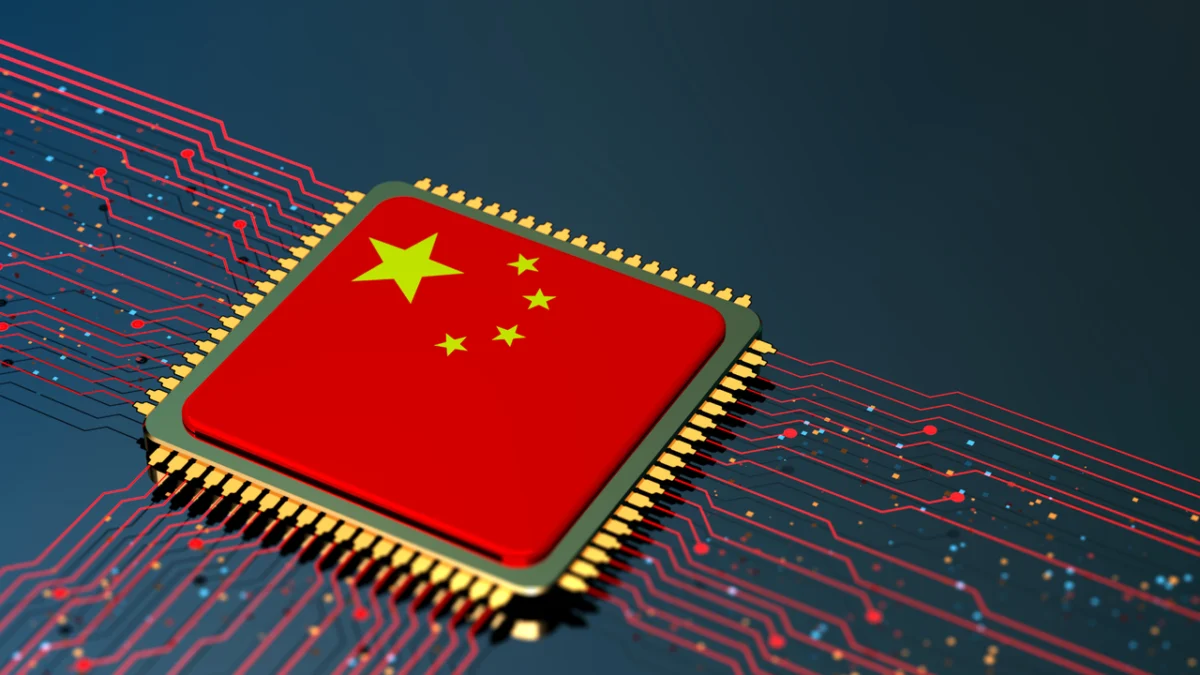
 Layla Zulfa