Nana Muazin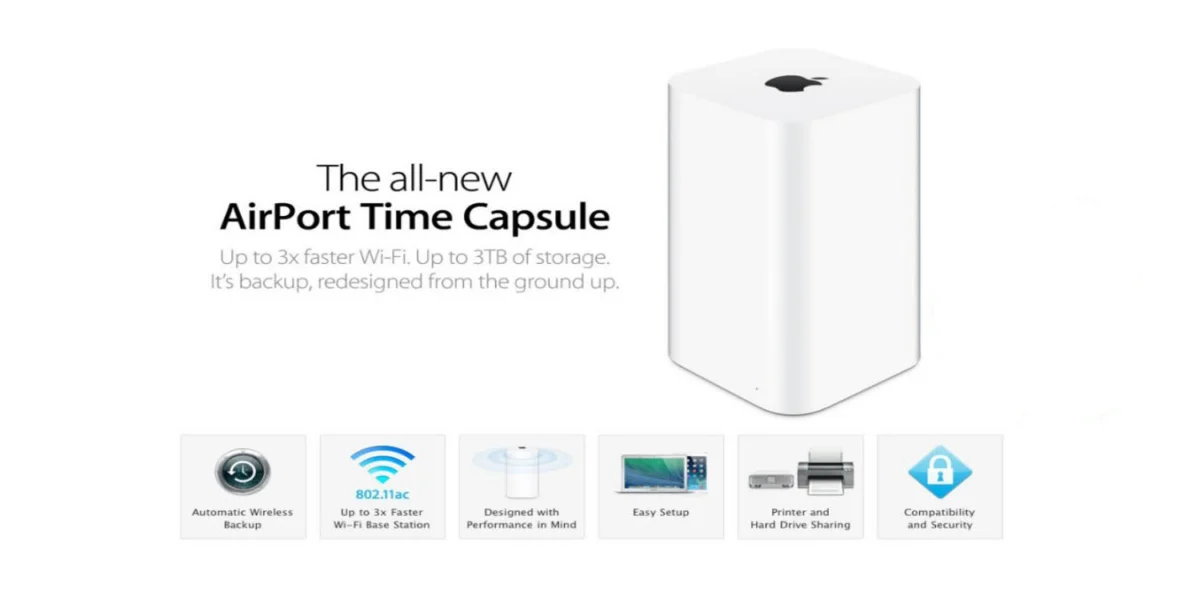
In the fast-paced ecosystem of Apple’s hardware, few products have demonstrated the longevity—or the stubborn persistence—of the AirPort Time Capsule. Even as macOS 27 rolls out with a suite of cutting-edge features and refined interfaces, a segment of the user base remains tethered to hardware that Apple officially abandoned nearly a decade ago.
While the latest macOS update initially appeared to “brick” these venerable devices by rendering them incompatible with modern security and networking protocols, a clever workaround has emerged from an unlikely source. A Microsoft engineer has successfully breathed new life into the legacy hardware, sparking a renewed conversation about a glaring hole in Apple’s current product lineup: the absence of a dedicated, seamless, "set-it-and-forget-it" backup solution for the average consumer.
The Technical Resurrection: Bridging the Gap
The threat to Time Capsule users arrived with the launch of macOS 27, which tightened security requirements for network-attached storage, effectively locking out the older SMB (Server Message Block) protocols used by the AirPort line. For many, this was the final nail in the coffin of a device that has survived multiple OS transitions.
However, Microsoft engineer James Chang has defied this obsolescence with the TimeCapsuleSMB project. By developing a modern Samba configuration, Chang has enabled the AirPort Time Capsule to operate as a Samba 4.24.3 server. This allows the device to be discovered by macOS 27 via the Bonjour networking protocol, restoring its functionality as a destination for Time Machine backups.

While this solution requires a level of technical literacy that goes beyond the "plug-and-play" experience Apple once championed, it proves that the hardware remains capable. The fact that a third-party enthusiast—and a Microsoft employee at that—has to bridge this gap serves as a stinging indictment of Apple’s current approach to personal data security.
A Chronology of Obsolescence: From Innovation to Silence
To understand why the Time Capsule remains a point of contention, one must look back at the trajectory of Apple’s networking division.
- 2008: Apple launches the first-generation Time Capsule, a radical device that combined a high-speed Wi-Fi router with an automated hard drive backup system. It was the epitome of the "it just works" philosophy.
- 2013: The “Tall” Time Capsule is released, featuring 802.11ac Wi-Fi and a sleeker, vertical design. It would be the final major hardware iteration.
- 2016: Internal reports indicate that Apple has begun to dissolve its AirPort division, reallocating engineering talent to higher-priority projects like the Apple Watch and expanded services.
- 2018: Apple officially confirms the discontinuation of the AirPort line, including the Time Capsule, effectively exiting the wireless router market.
- 2025: Apple issues a formal warning to users that native support for the legacy protocols used by AirPort devices will be deprecated in the forthcoming macOS 27.
- 2026: macOS 27 launches, formally breaking native compatibility. James Chang releases the TimeCapsuleSMB project shortly thereafter, proving the hardware is not dead, only unsupported.
The Philosophy of "Apple-esque" Utility
The Time Capsule was never merely a router or a hard drive; it was a conceptual bridge. In an era where data loss is a catastrophic event for the average user, Apple once recognized that the most effective backup system is the one the user doesn’t have to think about.
Most external hard drives fail because they require human intervention. A user must remember to plug the drive in, ensure the cable is secure, and keep the drive updated. This "friction" is the enemy of data integrity. The Time Capsule removed this friction entirely. Because it operated over Wi-Fi, the Mac would back up silently in the background whenever it was on the network. For millions of non-technical users, this was the difference between losing a lifetime of photos and having a seamless safety net.
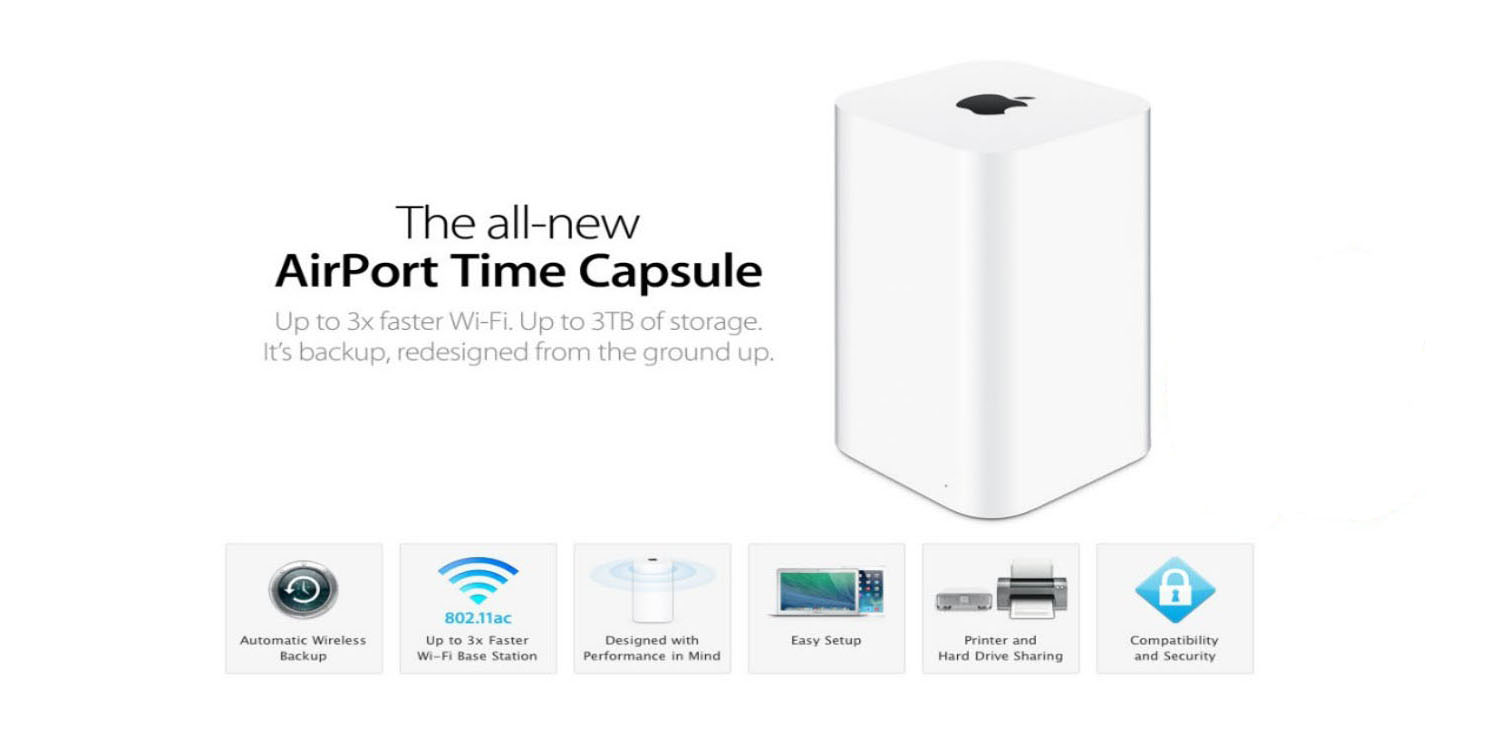
When Apple exited the market, it left a void that the cloud has only partially filled. While iCloud provides a robust solution for documents and photos, it is not a comprehensive, bootable, system-level backup. For users with terabytes of data, the cost of cloud storage is prohibitive, and the speed of recovery is often tethered to the quality of one’s internet connection.
The Data Crisis: Why Apple Must Return to Hardware
The current state of personal computing data is precarious. Despite the ubiquity of high-capacity devices, the percentage of users who maintain a rigorous, verified backup routine remains alarmingly low.
Industry data suggests that a significant majority of computer users suffer from “backup fatigue.” They assume that because they have a smartphone, their data is “in the cloud,” failing to realize that a full system failure on a Mac requires a local, bare-metal recovery solution to be truly painless.
Apple’s current stance—that users should rely on third-party NAS (Network Attached Storage) solutions or cloud services—ignores the core of the Apple value proposition: simplicity. A modern, re-imagined Time Capsule would not just be a backup device; it would be a "Digital Vault."

What a New Time Capsule Needs:
If Apple were to return to this category, it would need to move beyond the legacy hardware of 2013. A modern version should include:
- Wi-Fi 7/8 Compatibility: Utilizing the absolute latest in throughput to ensure backups are instantaneous.
- Mesh Networking: Integration with current home networking standards, allowing the device to act as a hub for a broader, smarter home ecosystem.
- Matter and Thread Support: Serving as a central controller for IoT devices, effectively replacing the HomePod as the primary smart home anchor in many households.
- Encrypted Local Storage: Utilizing Apple Silicon-level encryption, ensuring that backups are not only convenient but more secure than any cloud-based solution.
- SSD Optimization: Moving away from spinning mechanical drives to high-speed NVMe storage, which would allow for faster indexing and smaller form factors.
Implications: The Cost of Discontinuation
The implications of Apple’s silence on this front are twofold. First, there is the immediate risk to consumer data. By abandoning the "set-it-and-forget-it" model, Apple has inadvertently encouraged a culture of data vulnerability. Users who are not comfortable configuring a Synology or QNAP server are simply left unprotected.
Second, there is the loss of ecosystem synergy. Apple has spent the last decade building a “walled garden” that is incredibly sticky. A modern Time Capsule would be a natural extension of this, acting as a physical anchor for the digital life of a user. By ceding the local backup space to third-party manufacturers, Apple is missing an opportunity to control the entire hardware experience, from the screen the user looks at to the physical vault where their memories reside.
Conclusion: A Call for Innovation
The fact that a Microsoft engineer is currently facilitating the continued use of Apple hardware from 2013 is a testament to the quality of the original design. It is also a loud, undeniable signal that the market is still hungry for what the Time Capsule provided: a seamless, reliable, and invisible way to protect our digital lives.

Apple has never been a company that rests on its laurels, yet in the realm of local networking and data storage, it has allowed a vacuum to form. It is time for Apple to look back at its own history, recognize the enduring brilliance of the Time Capsule, and innovate a modern successor.
The question remains: will Apple continue to ignore this gap, or will they realize that for the millions of users who value their digital legacy, the best cloud is the one that stays within the four walls of their own home? As we move further into the era of macOS 27 and beyond, the need for a reliable, physical backup solution has never been greater. It is time for Apple to bring the Time Capsule back into the fold.


 Jia Lissa
 Ammar Sabilarrohman