Laily UPN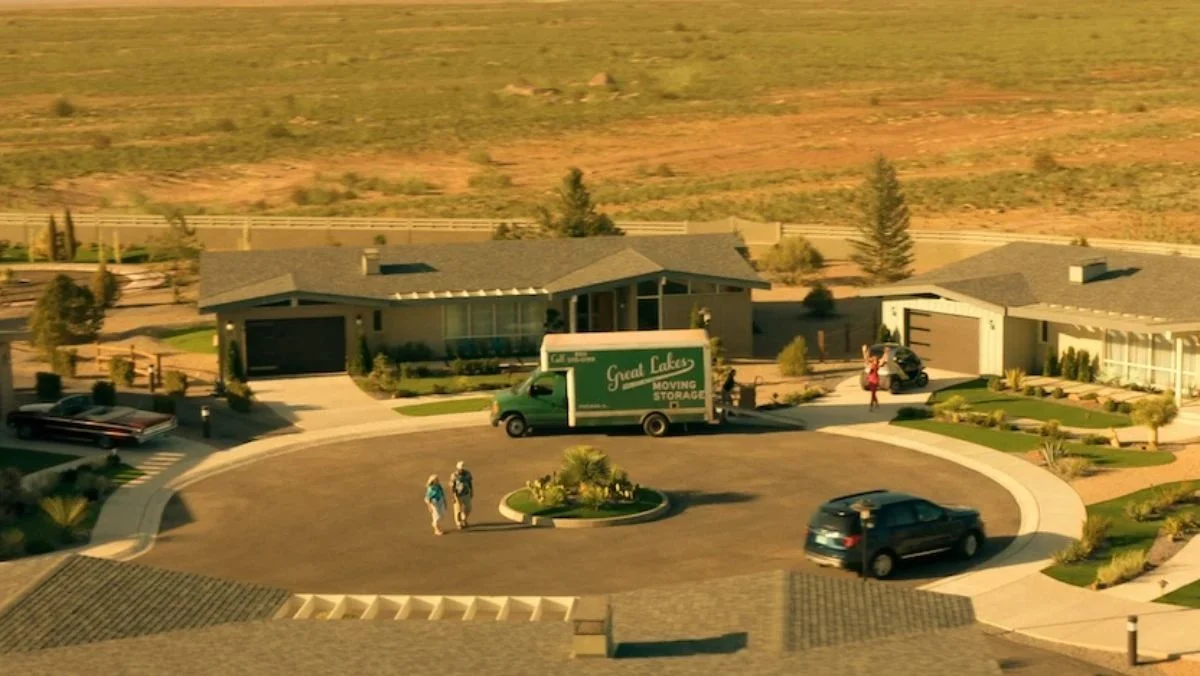
In the high-stakes world of streaming television, few names carry as much weight as Matt and Ross Duffer. Having defined a generation of Netflix programming with the global phenomenon Stranger Things, the siblings were widely viewed as the architects of the platform’s scripted success. However, the entertainment landscape is as volatile as it is lucrative, a reality underscored by Netflix’s recent decision to cancel The Boroughs after just a single season.
The sci-fi mystery series, which boasted a star-studded ensemble cast and high-concept narrative, was meant to be the brothers’ post-Stranger Things magnum opus. Instead, it has become a cautionary tale regarding the escalating costs of genre television, shifting corporate loyalties, and the unforgiving nature of algorithmic viewership metrics.
The Main Facts: A Premature Conclusion
The Boroughs was designed as a multi-season endeavor, with creative teams already beginning the preliminary work for a second season before the axe fell. The series centered on a seemingly idyllic retirement community where an unlikely group of protagonists finds themselves fighting to protect their lives from an encroaching, otherworldly threat that feeds on their most precious commodity: time.
Despite the pedigree of its creators and a cast that included industry icons like Alfred Molina and Geena Davis, Netflix officially confirmed the cancellation this June. The decision has sent shockwaves through the industry, particularly given the series’ initial momentum. For fans who were drawn in by the show’s nostalgic aesthetic and high-concept mystery, the news marks a disappointing end to a project that was originally envisioned as a three-season arc.
A Chronology of the Project’s Trajectory
The timeline of The Boroughs is marked by rapid expansion and equally rapid contraction. When the project was first announced, it was positioned as the flagship series for the Duffer Brothers’ production house, Upside Down Pictures, following the conclusion of their tenure on Stranger Things in 2025.
- May 2026: The Boroughs premieres on Netflix to significant buzz. Its debut week saw nearly 20 million views, securing its place on the platform’s "Top 10" list and validating, at least initially, the massive investment Netflix had made in the Duffer brand.
- Early June 2026: Viewership data indicates a sharp, unexpected decline, with numbers dropping to approximately 3 million in the second week—a steep 85% falloff that served as a red flag for Netflix executives.
- April 2026: The Duffer Brothers officially conclude their longstanding production deal with Netflix, signaling a shift in their professional trajectory.
- August 2025: The Duffers’ production company, Upside Down Pictures, signs a significant new development deal with Paramount, moving their primary creative focus away from the Netflix ecosystem.
- June 2026: Following a review of the production budget and the precipitous drop in viewership, Netflix announces the formal cancellation of the series.
Supporting Data: The Economic Reality of "Prestige" Sci-Fi
The primary driver behind the cancellation, according to reports from The Hollywood Reporter, is the prohibitive cost of production. In an era where "prestige TV" is defined by cinematic visual effects and A-list talent, the price tag for The Boroughs was substantial.
Sci-fi, by its nature, is a capital-intensive genre. Between the elaborate practical sets, digital visual effects (VFX) required to render the "otherworldly" elements of the plot, and the salary requirements for stars like Alfred Molina and Geena Davis, the series required a consistently massive audience to remain profitable.
Netflix’s decision-making process is notoriously data-driven. While the 20 million views in the opening week were impressive, the second-week collapse to 3 million triggered a cost-benefit analysis that did not favor renewal. In the current streaming climate, platforms are no longer solely focused on "buzz"; they are focused on retention. When a show fails to keep its audience engaged beyond the premiere window, it becomes a liability rather than an asset. The cost of producing a second season—which would likely require even higher production values—could not be justified by the retention metrics the show was displaying.
Official Responses and Creative Frustration
The news has been met with frustration from those who were deeply invested in the project’s future. Alfred Molina, who played a pivotal role in the show, expressed his disappointment and his belief in the project’s untapped potential. "We’ve got a great premise. The sets are all there. I’d love to do more," Molina noted shortly before the cancellation was finalized.

The writers’ room, having been proactive in mapping out the series’ three-season trajectory, was already in the early stages of plotting season two. This level of preparation highlights a disconnect between the creative team’s ambitions and the fiscal realities of the distributor. While the Duffers have remained largely silent on the specific mechanics of the cancellation, the shift in their professional partnership with Paramount suggests they are already looking toward the next horizon, leaving The Boroughs to exist as a "one-season-wonder."
The Implications: A Shifting Industry Landscape
The cancellation of The Boroughs carries broader implications for the future of television production.
1. The Death of "Mid-Tier" Success
For years, streaming platforms were willing to invest in high-concept sci-fi on the hope that it would become the next cultural touchstone. However, as the "streaming wars" have matured, the threshold for renewal has become increasingly narrow. A show must now be a "must-watch" event immediately; there is very little room for a series to find its audience or grow through word-of-mouth.
2. The Duffer Brothers and the Paramount Pivot
The fact that the Duffer Brothers have moved their operations to Paramount adds a layer of intrigue to this narrative. The brothers are currently set to work on an "event movie" for the studio, scheduled for release in November 2028. This move suggests that the Duffer Brothers, much like other marquee creators in the industry, are moving toward more contained, event-style filmmaking rather than the multi-year commitments of long-running series.
3. The Risk of Star-Power Dependency
While casting icons like Geena Davis and Alfred Molina adds prestige, it also inflates the budget. The industry is seeing a shift away from "star-led" projects if the underlying IP doesn’t have the broad, sustained appeal to support those salary costs.
Conclusion: A Cautionary Legacy
The Boroughs stands as a testament to the fact that even the most celebrated creators are not immune to the cold arithmetic of modern streaming. The series offered a unique blend of mystery and high-concept sci-fi that resonated with a portion of the audience, but it ultimately failed to sustain the momentum required to justify its massive price tag.
As Netflix continues to refine its strategy, moving away from expensive, high-risk genre experiments in favor of more stable, cost-effective content, the legacy of The Boroughs will likely be one of "what could have been." For fans, it is a reminder that in the era of streaming, a show is only as safe as its last week of viewership data. With the Duffer Brothers now firmly aligned with Paramount, the industry will be watching closely to see if their next endeavor—the 2028 event movie—can reclaim the magic that defined their early career, or if the landscape of television has permanently changed in a way that limits the scope of their future ambitions.
Ultimately, The Boroughs was a victim of its own scale. It was a show that demanded time, budget, and sustained attention—three things that are increasingly difficult to secure in a fractured and competitive media ecosystem.

 Siti Muinah
 Azzam Bilal Chamdy