Dwi Wanna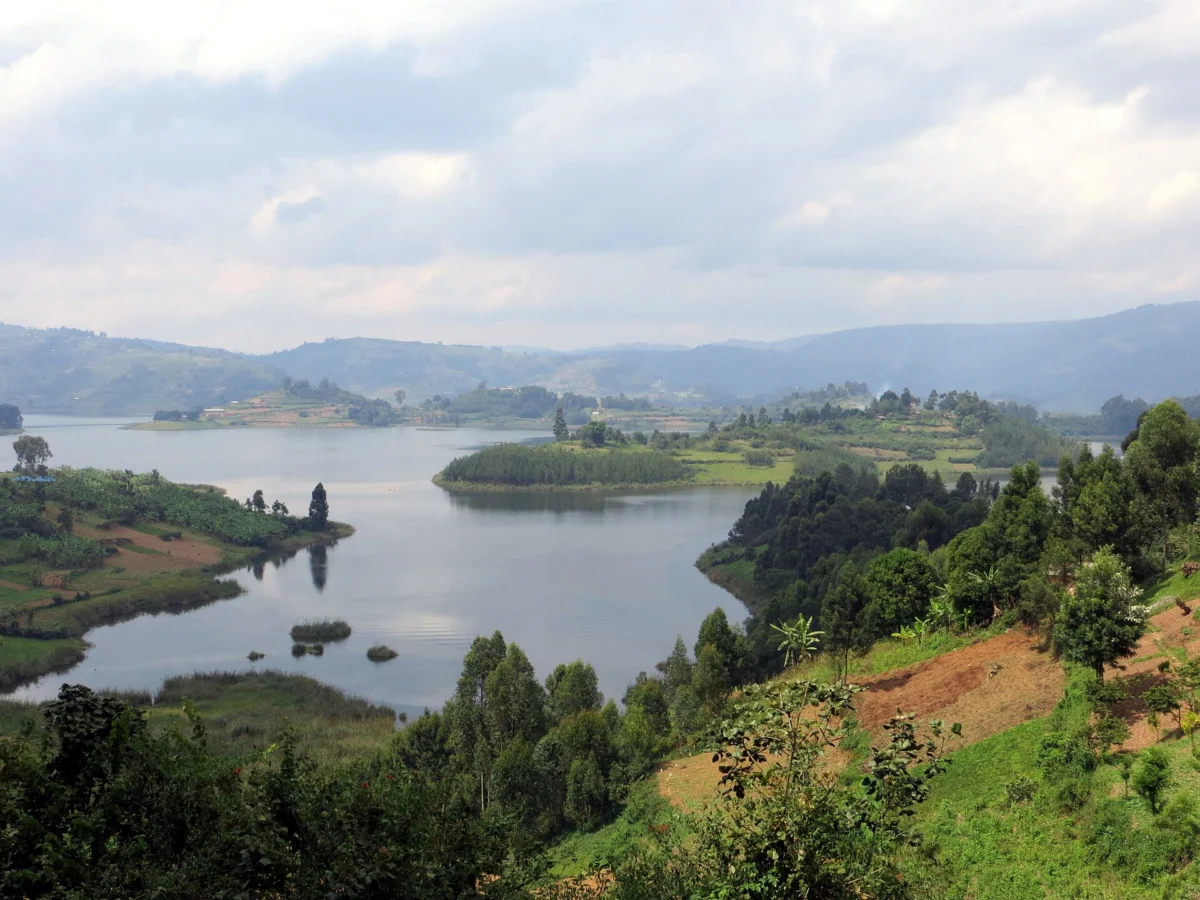
In the landscape of modern speculative fiction, the term "worldbuilding" has become the gold standard of craft. It implies a creator—an architect of geography, language, and culture—who possesses the omnipotence to mine the past and present for materials, assembling them into a coherent, functioning universe. However, an emerging movement of scholars and writers is challenging this foundational premise. They argue that the very language of "worldbuilding" is inextricably tied to colonial logics, fostering an extractive mindset that objectifies the subjects of our stories and perpetuates structures of dominance.
The Colonial Architecture of "Worldbuilding"
The critique begins with a fundamental question: Who has the right to build a world? When authors view themselves as the sole arbiters of a fictive universe, they mirror the colonial impulse to claim, parcel, and extract from land and people. This "god-complex" in writing treats cultures, histories, and environments as raw materials to be scavenged, stripped of their original context, and repurposed for the benefit of the narrative.

The Epistemic Line
Scholars such as Sabelo J. Ndlovu-Gatsheni have noted that the "epistemic line is simultaneously the ontological line." This means that how we think about the world directly dictates how we treat it. If a writer approaches a fictional culture as an object to be exploited for flavor or conflict, they are practicing a form of epistemic erasure. This is not merely a critique of "bad writing," but an indictment of the structural assumptions that underpin Western publishing, which often reward writers who "build" worlds from a position of detached mastery.
A Case Study in Toxicity: Prospect (2018)
To understand how these colonial logics manifest, one need look no further than the 2018 film Prospect. Set on a hostile, spore-filled moon, the film follows a father and daughter who engage in the "mining" of a local creature, the aurelac, to extract precious gems. The film serves as a powerful allegory for the extractive nature of colonial industry.

Chronology of Desensitization
- Arrival: The protagonists arrive on the Green Moon, viewing the environment solely through the lens of economic survival.
- Extraction: The "mining" process is depicted as a violent, surgical procedure—cutting into the flesh of a living being to retrieve a commodity.
- Dehumanization: As the film progresses, the characters’ willingness to commit violence against nature bleeds into their interpersonal relationships. The most striking moment occurs when the young protagonist, Cee, performs a brutal amputation on a companion to save his life. Her lack of emotional response is not an indication of strength, but a terrifying sign of the "rot" that results from a life predicated on extraction.
The film makes it clear: the colonial mindset does not stop at the environment. It eventually consumes the humanity of the colonizer.
Supporting Data: The Cost of Decontextualization
The practice of "mining" history or culture for worldbuilding is often justified under the guise of artistic inspiration. However, critics point to the real-world harm caused by the decontextualization of cultural sites.

- The Case of Lake Bunyonyi: The use of Lake Bunyonyi in Uganda as a visual backdrop for Wakanda in Black Panther (2018) has been cited by scholars like Kemi Cole as a prime example of "borrowing" landscapes without acknowledging the historical trauma—in this case, femicide—associated with the site.
- The "Shorthand" Problem: Tanvir Ahmed’s research highlights how the use of Muslim-coded tropes as shorthand for villainy in speculative fiction is not an isolated creative choice. It is a reflection of real-world biases that contribute to the marginalization and dehumanization of Muslim populations in geopolitical discourse.
When we treat our worldbuilding elements as interchangeable parts, we override community autonomy and perpetuate the very violences we may claim to oppose.
The Shift Toward "Worlding"
If "worldbuilding" is the language of the colonizer, then "worlding" is the language of kinship. Drawing from Indigenous epistemologies and African literary theory, many writers are moving away from the desire to "make" a world toward the practice of "worlding"—an ongoing, iterative process of meeting a world as it unfolds.

Principles of Worlding
- Agency: Instead of the writer acting as a master, the world is treated as an interlocutor. It has its own history, its own pulse, and its own agency.
- Kinship: As Oji-nêhiyaw writer Joshua Whitehead suggests, stories are animate beings. When we write, we are not constructing an object; we are engaging in an act of oratory that requires accountability to the "kin" we are creating.
- Liquid Organizing: Borrowing from organizational communication theory, worlding encourages fluid, emergent engagement. Rather than trying to force a narrative into a pre-constructed grid, the writer pays attention to the textures of the world as they emerge in the moment.
- Sintering: As Leanne Betasamosake Simpson describes in Theory of Water, sintering is a process of joining. Like snowflakes forming a pack, elements in a story should bond to one another without losing their individual integrity. This is a collaborative, communal transformation rather than an extractive one.
Official Perspectives and Academic Discourse
The academic community has been increasingly vocal about these shifts. In his monograph Breaking the World, Justin L. Mann argues that for marginalized voices, the act of "worldbreaking"—tearing down the restrictive, colonial norms of a genre—is a necessary precursor to creating space for genuine life.
Joseph M. Pierce, in his work Speculative Relations, notes that the term "world-making" implies a forging from scratch, whereas "worlding" acknowledges the temporalities and previous lives of a space. "I world," Pierce writes, "and I am never alone." This shift in perspective releases the writer from the individualistic pressure of "god-like" creation, allowing them to participate in a collaborative process with the world itself.

Implications for Future Writing
The implications of this shift are profound. For the speculative fiction industry, it suggests a move away from the "master class" model of writing craft toward one that values deep engagement, historical acknowledgment, and reciprocal relationships.
Moving Forward:
- Acknowledge Origins: Writers must move beyond the surface level of cultural appropriation, recognizing the histories and traumas embedded in the landscapes they inhabit in their fiction.
- Practice Responsibility: The author should view their role as a participant in a living system. If a story requires a setting, the author must treat that setting with the respect one accords a living being, not a commodity.
- Embrace Uncertainty: By relinquishing the need for absolute, omnipotent control, writers can find new, unpredictable developments in character and plot that are far richer than those created by a top-down, colonial logic.
In conclusion, the movement to replace "worldbuilding" with "worlding" is not a call for less imagination; it is a call for a more responsible, humble, and profound form of creation. When we stop trying to master our fictional worlds and start listening to the stories they already hold, we open ourselves to a form of storytelling that supports life, honors context, and weaves our narratives into the fabric of the real world rather than exploiting it. We are not gods of our stories; we are merely their witnesses and companions.



 Siti Muinah