Reynand Wu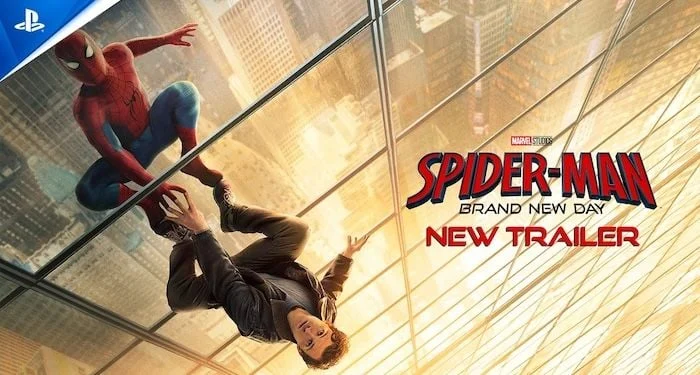
From the high-stakes world of blockbuster superhero cinema to the shifting landscapes of the publishing industry and the resurgence of epic fantasy, this week’s literary and entertainment headlines reflect a period of massive transition. As major franchises pivot toward multimedia expansion and retail giants rethink the physical format of the book, readers and viewers alike find themselves at a crossroads of innovation and nostalgia.
The Cinematic Landscape: Tom Holland Returns in Spider-Man: Brand New Day
The long-awaited silence surrounding the future of the Marvel Cinematic Universe’s wall-crawler has finally been broken. The official trailer for Spider-Man: Brand New Day has arrived, signaling a tonal and narrative shift for the franchise five years after the reality-warping events of Spider-Man: No Way Home.
Narrative Continuity and Character Dynamics
Picking up in the aftermath of the previous trilogy, the film features Tom Holland’s Peter Parker navigating a world that has fundamentally forgotten his existence. This "clean slate" narrative approach allows the filmmakers to explore a more grounded, isolated version of the character.
The production has confirmed a high-profile ensemble cast. Zendaya is set to return as MJ, whose relationship with Peter remains a primary emotional anchor for the series. Perhaps most intriguing is the inclusion of Mark Ruffalo as The Hulk and Jon Bernthal reprising his iconic role as The Punisher. The convergence of these characters suggests a darker, perhaps more street-level, conflict than previous entries, raising questions about how the friendly neighborhood Spider-Man will contend with the aggressive, vigilante tactics of Frank Castle and the raw power of the Hulk.
Spider-Man: Brand New Day is scheduled for a worldwide theatrical release on July 31st.
Retail Innovation: Indigo’s Pocket-Sized Experiment
In an era dominated by digital e-readers and the sprawling aesthetic of "BookTok"-favored hardcovers, the humble mass-market paperback—the small, portable format that defined the 20th-century reading experience—has faced a decade of decline. However, a bold experiment by Canadian retail giant Indigo suggests the format is far from dead.
The Shift to Nonfiction
Traditionally, the mass-market format was synonymous with genre fiction—romance, mystery, and thrillers. Indigo, however, is bucking this trend by collaborating with various publishers to reprint popular Canadian nonfiction in this compact, affordable format.
By prioritizing portability, Indigo is testing whether modern readers are willing to sacrifice shelf-appeal for ease of transit. The early data is promising: several titles that had languished on shelves have found a "second life" in the smaller format, returning to bestseller lists as they become more accessible to commuters and travelers. This experiment serves as a case study for the publishing industry: when the cost of living fluctuates, the physical design of the book itself may be the key to maintaining a robust readership.
The Multimedia Evolution of The Wheel of Time
Despite the cancellation of the The Wheel of Time series on Prime Video after its third season, the franchise is far from dormant. iwot Studios has announced a comprehensive plan to revitalize the series, signaling a transition from a singular television production to a multi-platform powerhouse.
Expanding the Mythology
The studio’s roadmap includes a suite of new projects, most notably an animated series, several feature-length films, and an interactive video game. The most significant development in this pivot is the partnership with Thomas Wu, a visionary producer known for his work on Netflix’s critically acclaimed Arcane.
Wu’s involvement suggests a focus on aesthetic fidelity and high-production value. "I see tremendous opportunity in expanding The Wheel of Time into fully authentic, integrated, interactive, and animated storytelling experiences," Wu stated in a recent press release. "The depth of the mythology provides a foundation for sustained, multi-platform franchise growth."
By utilizing animation, iwot Studios aims to circumvent the budgetary limitations that often hinder high-fantasy live-action adaptations, allowing for the visual representation of the complex, magic-heavy world created by Robert Jordan.
Market Analysis: The Bestselling Landscape
The current literary market is a study in contrasts, balancing the dominance of established literary titans against the runaway success of serialized, fan-driven adaptations.
Data Overview: June 18, 2026
According to a synthesis of data from USA Today, Publishers Weekly, the New York Times, Amazon, and independent booksellers, the current landscape is defined by two major debuts in the literary fiction category:
- Whistler by Ann Patchett: A new masterwork that has immediately captured critical and commercial attention.
- Land by Maggie O’Farrell: Continuing the author’s streak of atmospheric and deeply felt storytelling, securing a top-tier debut spot.
The "Off-Campus" Phenomenon
Perhaps the most notable trend in the current market is the total dominance of the Off-Campus series. Following its recent screen adaptation, the series has surged in popularity, accounting for a staggering 50% of the top 10 Amazon Fiction Bestsellers this week. This underscores a persistent trend: the "screen-to-shelf" pipeline remains the most powerful marketing engine in the modern book industry. When a story finds a secondary life on screen, the source material experiences a recursive boom, often outperforming brand-new titles by a wide margin.
Implications: The Future of Media and Literature
The confluence of these headlines highlights three major shifts in the entertainment landscape:
- The Franchise Pivot: The transition of The Wheel of Time from a cancelled television show to a multi-platform franchise suggests that studios are moving away from "all-or-nothing" live-action investments. Instead, they are opting for diversified media footprints where animation and gaming serve as foundational pillars.
- The Physicality of Reading: Indigo’s experiment with mass-market paperbacks proves that there is still a tactile desire among readers. While digital consumption is convenient, the "pocket-sized" movement suggests that consumers are seeking ways to integrate reading into their physical lives without the burden of heavy, expensive hardcovers.
- The Continuity Conundrum: With Spider-Man: Brand New Day, the film industry is testing audience appetite for stories that reset the status quo while maintaining continuity. By isolating Peter Parker, Marvel is attempting to recapture the intimacy of the character’s origins while benefiting from the massive, interconnected scale of the MCU.
Looking Ahead
As we head into the second half of 2026, the industry remains focused on engagement. Whether it is through the portability of a mass-market book, the multi-platform expansion of a fantasy epic, or the emotional stakes of a rebooted superhero, the goal remains the same: capturing the audience’s attention in an increasingly fragmented digital world.
For readers and viewers, the coming months promise a wealth of options, ranging from the high-octane spectacle of the Spider-Man cinematic release to the quiet, introspective pages of new literary fiction. The resilience of these formats—from the humble paperback to the multi-million dollar film—serves as a reminder that stories remain the most valuable currency in our culture.
Stay tuned to our future dispatches as we track the box office performance of July’s releases and the ongoing evolution of the publishing experiments mentioned here.

 Layla Zulfa
 Ali Ikhwan