Azzam Bilal Chamdy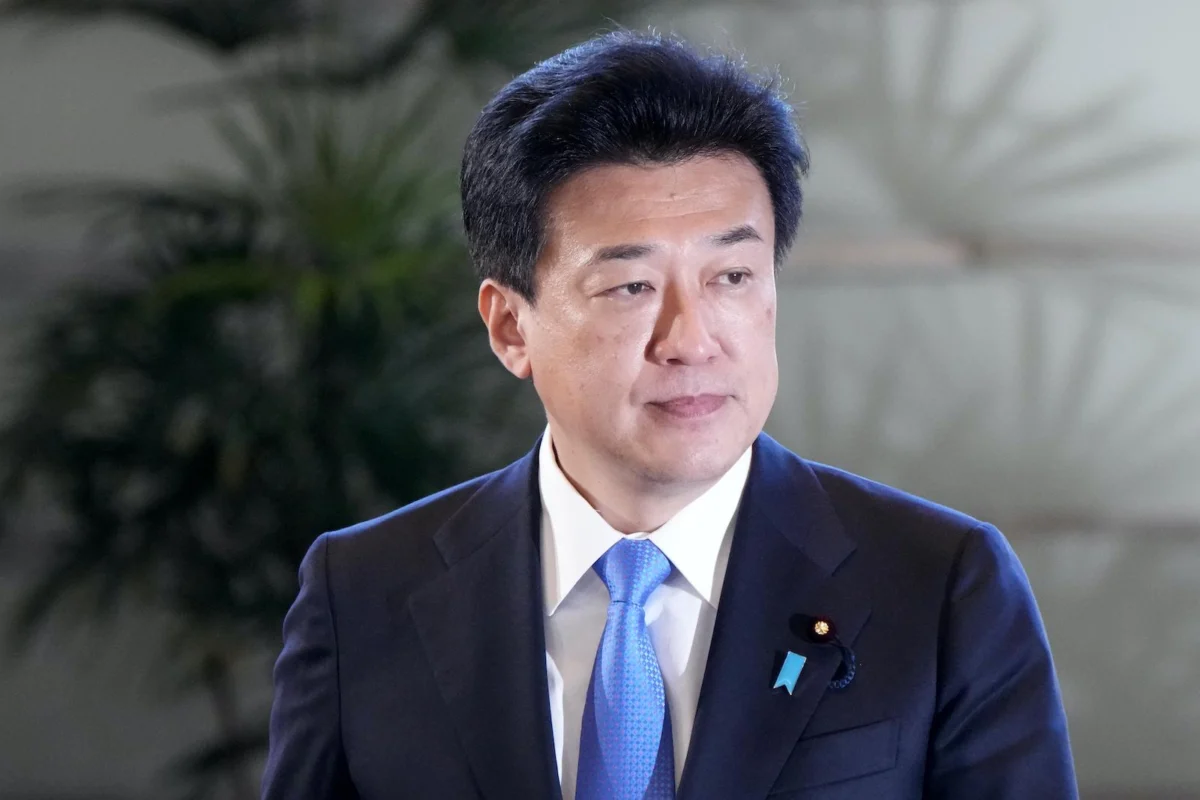
TOKYO – The geopolitical landscape of the Middle East shifted dramatically this week as the United States and Iran signed a 14-point memorandum of understanding (MoU), signaling a long-awaited cessation of hostilities that have rattled global markets and threatened the stability of the Strait of Hormuz for months. The breakthrough, confirmed by U.S. officials and Iranian state media, has prompted a wave of cautious optimism in Tokyo, with the Japanese government vowing to leverage its unique diplomatic position to facilitate a lasting peace.
The Framework of the Truce
On Wednesday, in a move that caught many international observers off guard, U.S. President Donald Trump and Iranian President Masoud Pezeshkian finalized an agreement aimed at halting active military operations. The 14-point memorandum serves as a temporary ceasefire, providing a critical 60-day window for both nations to navigate the complex diplomatic hurdles required for a permanent peace treaty.
For months, the two nations have been locked in an escalating cycle of brinkmanship, characterized by naval skirmishes, proxy conflicts, and the looming threat of an expanded regional war. The memorandum explicitly outlines the cessation of kinetic military actions and sets the stage for a period of intensive negotiation intended to resolve the long-standing nuclear proliferation disputes and the crippling sanctions regime that has isolated Tehran.
Chronology of Escalation and Diplomacy
The path to this week’s memorandum has been marked by extreme volatility. The following timeline outlines the rapid deterioration and subsequent pivot toward de-escalation:
- Early Months: Tensions spiked as Iranian naval assets increased their presence near the Strait of Hormuz. Intelligence reports suggested that the Iranian military had begun laying naval mines in the waterway, effectively choking off a vital artery for global energy supplies.
- Mid-Conflict: As oil prices surged in response to the perceived threat to maritime traffic, global powers scrambled to prevent an economic catastrophe. Japan, which relies on the Middle East for the vast majority of its crude oil imports, found itself in an increasingly precarious position.
- The Turning Point: Back-channel negotiations, reportedly facilitated by neutral intermediaries, intensified throughout the early week. These discussions focused on establishing a "cooling-off period" to prevent accidental escalation into a full-scale regional conflict.
- Wednesday, The Signing: President Trump and President Pezeshkian formalized the 14-point MoU, establishing the 60-day ceasefire window.
- Thursday, Global Reaction: Markets responded with relief, and governments worldwide began assessing the long-term implications of the deal, with Tokyo leading the call for immediate implementation.
Official Responses from Tokyo
Japan’s response to the memorandum has been one of professional relief tempered by a call for concrete action. Chief Cabinet Secretary Minoru Kihara held a press conference on Thursday to address the nation, emphasizing that Japan views the agreement as a vital step toward restoring global energy security.
"We strongly expect a final agreement on the Iran nuclear issue and other points of contention to be reached as soon as possible," Kihara stated. He underscored that Japan intends to play "every possible role" in the region’s stability and reconstruction, noting that the government is prepared to commit significant resources to ensure the memorandum leads to a permanent resolution.
Kihara further highlighted the importance of the Strait of Hormuz. "Japan hopes that the deal will be steadily implemented and that free and safe navigation through the Strait of Hormuz will be restored swiftly," he said, reflecting the concerns of a nation whose industrial base is inextricably linked to the flow of crude oil through the waterway.
When questioned about the potential for military involvement—specifically the deployment of the Japan Self-Defense Forces (JSDF)—Foreign Minister Toshimitsu Motegi offered a measured response during a parliamentary committee session. While the JSDF is globally recognized for its elite minesweeping capabilities, Motegi clarified that no formal requests for assistance have been received. "I am not aware of any specific request having been made, and there is no hard information on whether mines have actually been laid," Motegi said, opting for diplomatic caution over military posturing.
Implications for Global Energy and Security
The closure of the Strait of Hormuz—even if only in a limited, "effective" sense—has been a primary driver of global economic anxiety. The Strait serves as the world’s most important oil chokepoint, with approximately 20 to 30 percent of the world’s petroleum consumption passing through its narrow waters daily.
The Energy Crisis
For Japan, the threat of conflict in the region is existential. Unlike the United States, which has seen a boom in domestic shale production, Japan remains almost entirely dependent on imports. A prolonged closure of the Strait would force Japan to rely on costly, longer-distance imports, causing inflationary pressure and potentially stalling the nation’s post-pandemic recovery.
The Diplomatic Tightrope
Japan faces the delicate task of balancing its security alliance with the United States while maintaining its historically cordial relationship with Iran. Foreign Minister Motegi noted that Tokyo will "make diplomatic efforts, together with the international community," to help Washington and Tehran bridge the gap on "remaining issues." These include the controversial Iranian nuclear program and the lifting of economic sanctions, which remain the most significant obstacles to a lasting peace.
Looking Forward: The 60-Day Window
The 60-day period established by the memorandum is viewed by analysts as both an opportunity and a trap. If both sides utilize the time to address core grievances—specifically, the transparency of Iran’s nuclear program and the reciprocal rollback of economic sanctions—the region could witness a period of unprecedented stability.
However, skeptics point to the history of U.S.-Iran relations, noting that mutual mistrust runs deep. The "14-point" nature of the deal suggests a highly structured framework, but critics argue that without external verification, the memorandum could easily unravel.
The Role of International Mediation
Tokyo’s willingness to contribute to reconstruction and stability efforts is seen as a strategic move to ensure it has a seat at the table. By offering financial and technical support for regional stability, Japan aims to prevent the U.S.-Iran negotiations from devolving into a zero-sum game.
"Japan’s role is to ensure that the voice of the international community is heard," one diplomatic analyst noted. "Tokyo is uniquely positioned because it does not carry the same historical baggage as the U.S. or the regional rivals of Iran."
Conclusion
The signing of the U.S.-Iran memorandum of understanding is a tentative, fragile victory for international diplomacy. While the guns have been silenced for now, the real work of peace-building lies ahead. For Japan, the stakes could not be higher; as a nation reliant on the free flow of energy, Tokyo is arguably the most invested party in the successful implementation of this truce.
As the world watches the 60-day countdown begin, the international community remains hopeful that the spirit of the current agreement will prevail over the hardline interests that have defined the region for decades. Whether this memorandum becomes the foundation of a new Middle Eastern order or merely a footnote in a long-standing conflict remains to be seen. For now, however, the diplomatic gears are turning, and the hope for a stable, open, and secure Strait of Hormuz remains the primary focus of the global community.
© KYODO


 Neng Nana
 Asro
Asro