Rifan Muazin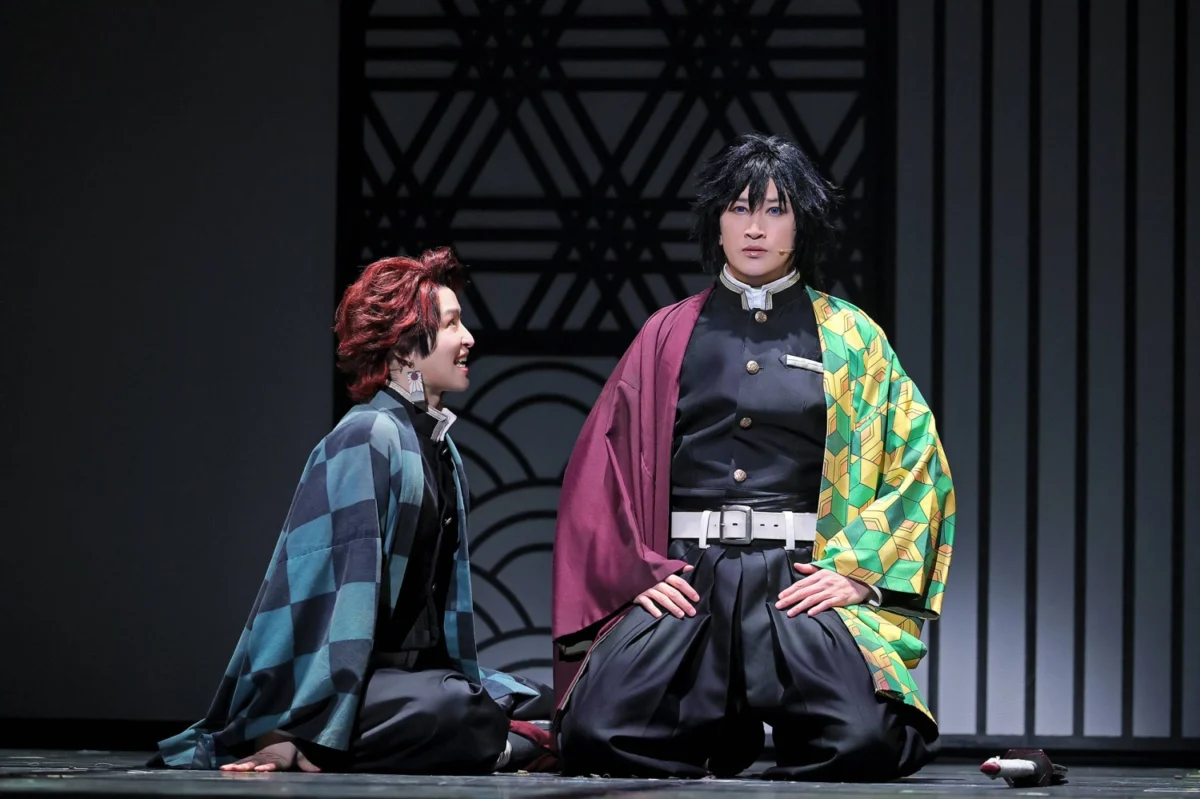
The world of Demon Slayer: Kimetsu no Yaiba has once again transcended the boundaries of the printed page and the digital screen. On June 13, the curtain rose at the MoN Takanawa: The Museum of Narratives for the premiere of Demon Slayer: Hashira Training/Infinity Castle: The Beginning. As the sixth installment in a serialized stage production that began its tenure in 2020, this latest musical adaptation marks a bold step forward in the franchise’s ongoing expansion into live performance art.
Combining the rigorous physical demands of martial arts choreography with the emotive power of musical theater, the production offers a unique synthesis of storytelling. Audiences are treated to a visual feast of moving stairs, rotating sliding doors, and intricate digital projections that successfully mimic the impossible geometry of the series’ iconic Infinity Castle.
A Legacy of Performance: The Evolution of the Stage Play
The history of Demon Slayer stage adaptations is one of unprecedented consistency and fan dedication. Since the inaugural show in 2020, the production team has maintained a remarkably stable cast, with many actors portraying their respective characters for the entirety of the six-year run.
This stability has fostered a rare synergy between the performers and the audience. For the devoted fanbase, the stage production is not merely a retelling of the anime; it is a live-action celebration of a narrative they have spent years deconstructing. By the time the lights dimmed at the MoN Takanawa, the emotional investment in the room was palpable, reflecting a deep-seated connection to both the lore of the Tanjiro Kamado saga and the performers themselves.
Chronology and Narrative Structure
The production is bifurcated into two distinct acts, each serving a different pacing and tonal purpose.
Act 1: The Hashira Training Arc
The first act, focusing on the titular Hashira Training, serves as the narrative bridge between the established status quo and the impending catastrophe. However, it is here that the production faces its most significant creative hurdle. Spanning 80 minutes, the act is a meticulous, almost reverent adaptation of the manga’s training sequences. While the production team clearly aimed to satisfy the purist fans who demand a faithful recreation of every iconic panel, the pacing suffers. Critics and audience members alike have noted that the emotional beats—often heavy with exposition—could have been distilled into fewer, more impactful musical numbers, allowing the show to bypass the "labored" feel that accompanies purely preparatory storytelling.
Act 2: The Descent into the Infinity Castle
The narrative momentum shifts dramatically in the second act. Transitioning from the rigorous training sequences to the claustrophobic, shifting environment of the Infinity Castle, the production finds its stride. The stage becomes a character in its own right, utilizing high-tech projections and kinetic set pieces to create a disorienting, exhilarating environment. It is in this act that the "musical" aspect of the show truly shines, as the carnivorous demons—the antagonists of the series—break into song, using musical numbers as a narrative shorthand to explore their tragic backstories and warped philosophies without sacrificing the frantic energy of the sword-fighting sequences.
Performance Analysis: The Cast and Their Craft
The success of any adaptation hinges on the actors’ ability to inhabit characters that are already larger than life.
- Shogo Sakamoto (Tanjiro Kamado): As the anchor of the narrative, Sakamoto delivers a performance defined by reliability. While he occasionally recedes into the background to allow the supporting cast to shine, his portrayal of Tanjiro’s empathetic responsiveness remains the emotional heart of the show.
- Yugo Sato (Inosuke Hashibira): Sato brings a visceral, unhinged energy to the stage. His portrayal of the boar-masked warrior, characterized by shirtless, reckless physicality, provides much-needed comic relief and a sense of raw, untamed power.
- Keisuke Ueda (Zenitsu Agatsuma): Arguably the standout performance of the production, Ueda masterfully balances the "pathetic" nature of Zenitsu with the electric, sudden bursts of competence that define the character. His ability to toggle between cowardice and lethal precision is a testament to his seasoned tenure in the role.
Supporting Data: The Commercial Context
The premiere of Demon Slayer: Hashira Training/Infinity Castle: The Beginning occurs against the backdrop of a franchise experiencing a golden era of commercial dominance. The production follows the historic performance of the Demon Slayer: Kimetsu no Yaiba — Infinity Castle film, which shattered domestic records in Japan.
With domestic earnings exceeding ¥40 billion and global box office receipts nearing the $800 million mark, the film solidified Demon Slayer as a cultural juggernaut. This commercial success has undoubtedly provided the financial runway for the stage production to invest heavily in its high-end digital projections and complex set design. The stage play is no longer a niche spin-off; it is a pillar of a multi-billion dollar intellectual property that demands high production value to meet the soaring expectations of its global fanbase.
Implications for the Future of 2.5D Theater
The term "2.5D theater"—stage productions based on anime, manga, or video games—has often been viewed by traditionalists as a niche or low-brow endeavor. However, the success and technical ambition of the Demon Slayer stage plays are challenging that perception.
By integrating anime-style openings performed by the full cast and utilizing musical motifs to advance plot points, the production has created a hybrid medium that appeals to both musical theater aficionados and otaku culture. The implication is clear: there is a massive, untapped audience for high-budget, technically proficient live adaptations of animated properties. As MoN Takanawa continues its run, industry analysts are watching closely to see if other franchises will attempt to replicate this model.
Conclusion: A Balancing Act
Demon Slayer: Hashira Training/Infinity Castle: The Beginning is a production of two halves. While the first act struggles under the weight of its own faithfulness to the source material, the second act demonstrates the immense potential of live-action anime adaptation when it leans into the spectacle of its source material.
Despite the pacing issues, the production succeeds because of its heart. Whether it is the humor found in the absurdity of waterfall training or the gravity of the final clashes, the cast brings a sincerity to the stage that justifies the show’s existence. For fans who have followed Tanjiro’s journey from the page to the screen, this stage production serves as a final, physical realization of a story that has redefined modern Japanese pop culture.
As the production continues its run, it remains a vital, if occasionally flawed, example of how a franchise can evolve, adapt, and continue to find new ways to captivate an audience that is, quite literally, waiting for the next strike of the blade.


 Neng Nana
 Asro
Asro