Iffa Jayyana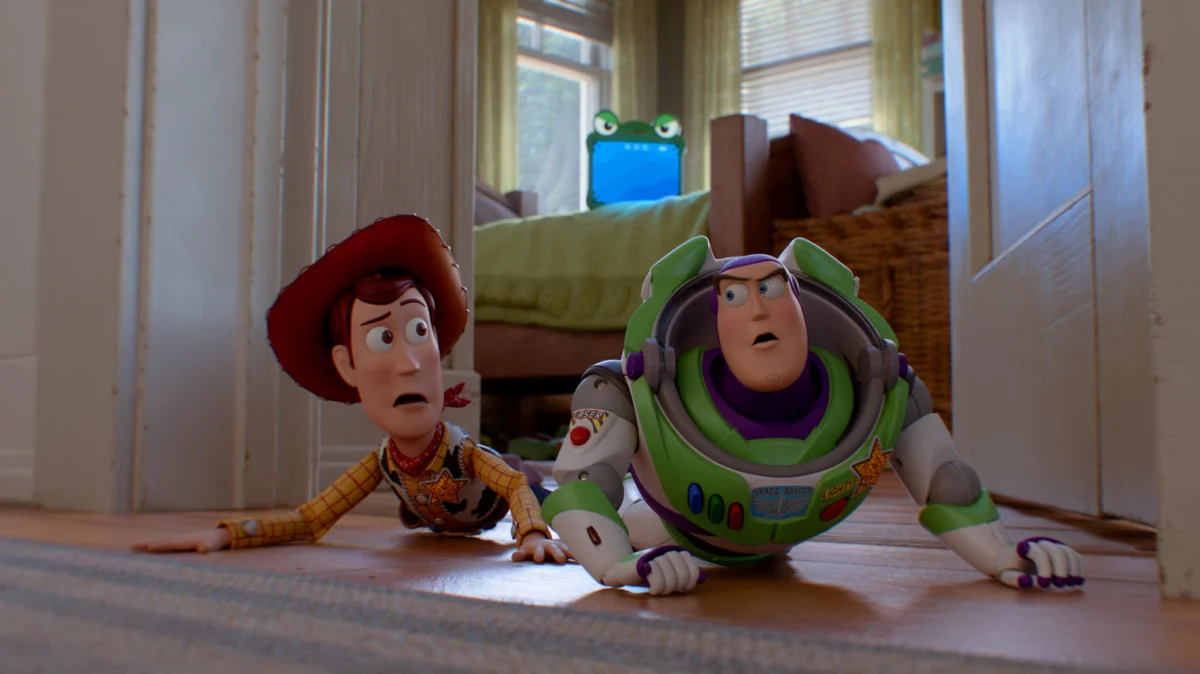
By Jeremy Mathai
Warning: This article contains major spoilers for "Toy Story 5."
The cultural phenomenon that is the Toy Story franchise has reached a new, record-breaking milestone. As audiences worldwide flock to theaters, Toy Story 5 has officially cemented its status as the biggest box-office hit of the year. For a franchise that began nearly three decades ago, this latest installment represents a daring evolution. While many long-time fans felt the emotional conclusion of Toy Story 3 was the definitive end, Pixar’s latest effort proves that the series still possesses the creative vitality to resonate with a new generation—one born into a world of tablets, social media, and constant digital connectivity.
The Modern Dilemma: Tradition Meets Innovation
At its core, Toy Story 5 is an exploration of the shifting landscape of childhood. The film moves away from the "lost toy" tropes of the past, focusing instead on the emotional development of Bonnie (voiced by Scarlett Spears). Bonnie, who has struggled with social anxiety and isolation, finds herself caught between the analog comfort of her classic toy collection and the allure of "Lilypad," a sophisticated digital platform that facilitates social interaction for kids.
Unlike previous antagonists who were driven by malice or abandonment—such as the manipulative Lotso or the sadistic Sid—the "villain" in Toy Story 5 is more abstract. Lilypad, voiced by Greta Lee, represents the modern pressure to curate an online persona and navigate the complexities of social cliques. The conflict is not one of good versus evil, but rather an existential question: can the tactile, imaginative world of play coexist with the high-speed demands of the digital age?
Chronology of the Climax: A Multi-Front Operation
The narrative structure of Toy Story 5 is uniquely fragmented, with the ensemble cast split across three distinct storylines before converging in a high-stakes finale.
The Jessie and Smarty Pants Arc
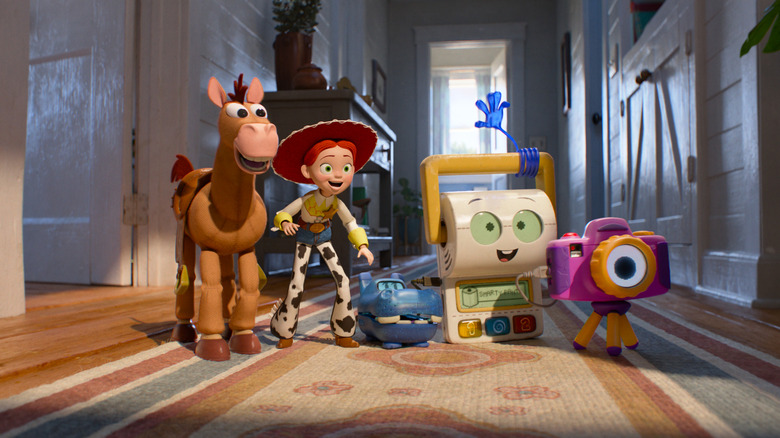
Jessie (Joan Cusack) embarks on a journey that forces her to confront her own history. She finds herself in the former home of her original owner, Emily, which is now occupied by a young, tech-savvy girl named Blaze (Mykal-Michelle Harris). Here, Jessie encounters an "older" generation of tech-based toys, including a potty-training device named Smarty Pants (voiced by Conan O’Brien). Initially, the friction between the traditional pull-string doll and the tech-oriented toys is palpable. However, as they share their experiences of being discarded, a bond forms, leading them to collaborate on a plan to facilitate a meeting between Bonnie and Blaze.
Woody and Buzz: The Battle for Home Turf
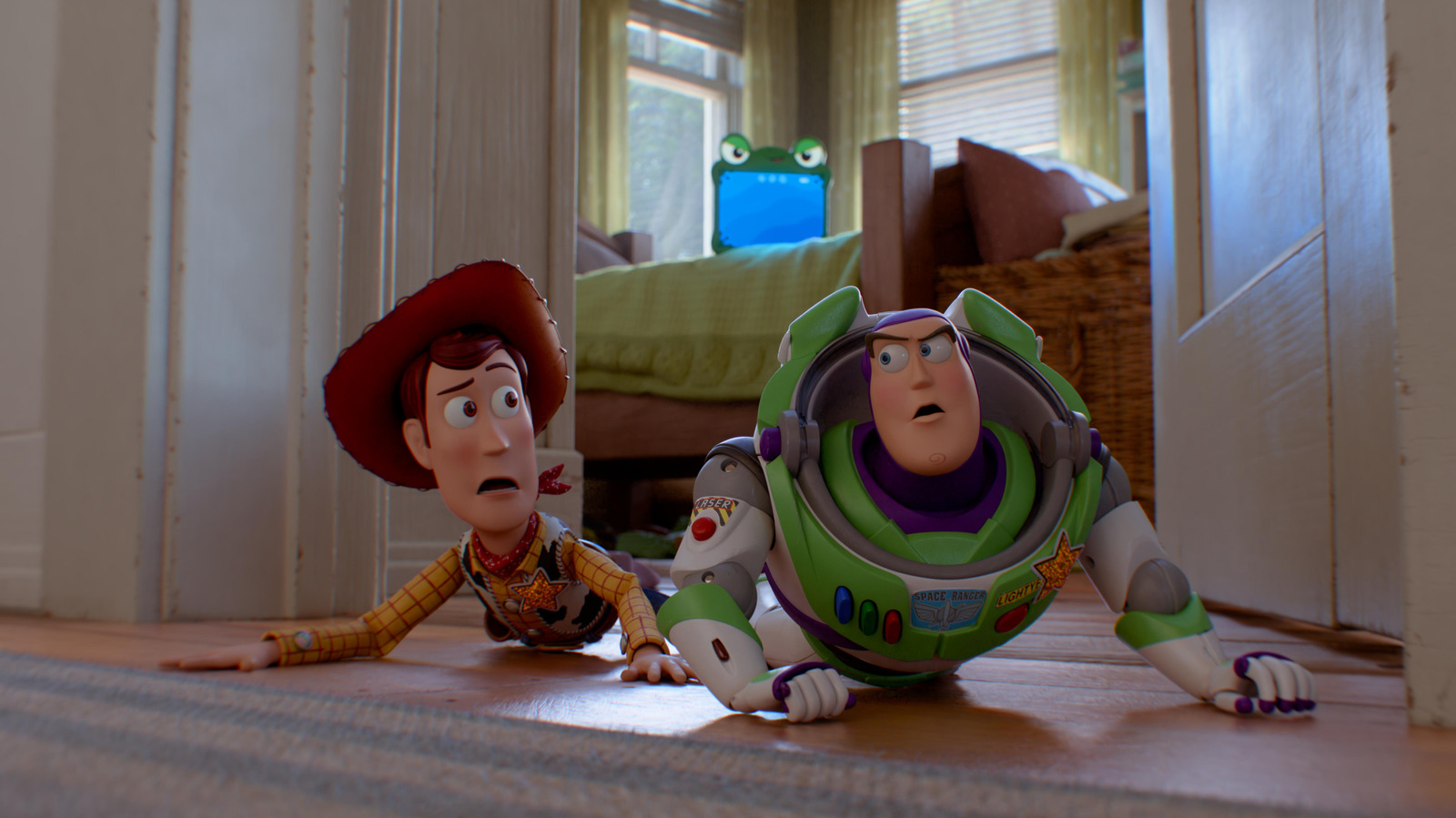
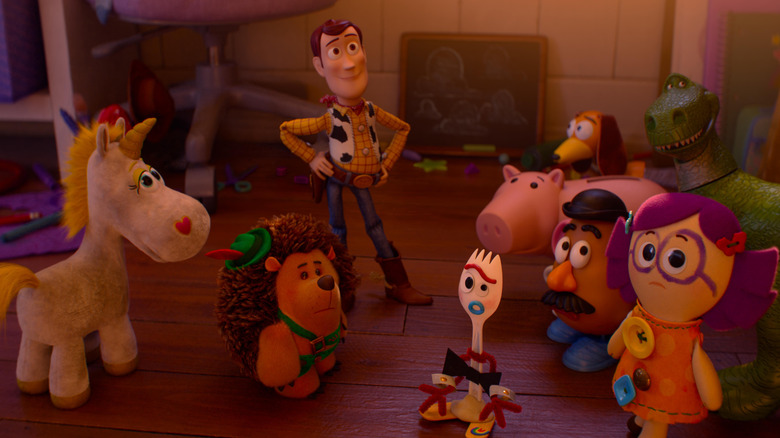
Meanwhile, Woody (Tom Hanks) and Buzz Lightyear (Tim Allen) remain in Bonnie’s room, attempting to neutralize the influence of Lilypad. They view the platform as an existential threat to Bonnie’s well-being, observing how it encourages her to prioritize digital status over real-world engagement. Their attempts to "deactivate" the platform’s influence lead to humorous, albeit desperate, tactical maneuvers.
The Convergence
The final act sees the disparate threads woven together. Woody and Buzz eventually realize that their "enemy" is simply another tool being used by a child who is just as lonely as Bonnie. When Lily (the personification of the Lilypad influence) recognizes the emotional toll her judgmental social circles have taken on Bonnie, she chooses a path of reconciliation rather than conflict. The finale is bolstered by the arrival of the "Hi-Tech Buzz Lightyear Army"—a squadron of drone-like toys that, contrary to the toys’ initial fears, prove instrumental in bridging the physical gap between Bonnie and Blaze.
Supporting Data and Thematic Nuance
The brilliance of the Toy Story 5 ending lies in its refusal to condemn technology. In a lesser film, the toys would have "defeated" the tech to restore a nostalgic status quo. Instead, Pixar opts for a synthesis. The message is clear: when used as a conduit for human connection rather than a substitute for it, technology can actually enhance a child’s social life.
The box office data supports this pivot. Early polling suggests that the film is hitting a "sweet spot" with families, drawing in parents who grew up with the original films and children who are currently navigating the very social media environments depicted on screen. The film effectively validates the anxieties of modern parenting while providing a resolution that is both comforting and forward-thinking.
Official Perspectives: The Pixar Philosophy
In recent press junkets, the creative team behind Toy Story 5 emphasized that the film was intended as a metaphor for the difficult, often painful process of parenting. "It’s about the anxiety of watching your child step out into a wider, more complicated world," noted one producer. By allowing the toys to take a backseat to the girls’ emotional growth, the film reinforces the theme of selflessness. The toys realize that their primary purpose is no longer just to "be played with," but to act as silent mentors, guiding Bonnie toward the real-world friendships she desperately needs.
Implications for the Future of the Franchise
What does this mean for the future of Pixar? Toy Story 5 demonstrates that the studio is not interested in merely recycling the past. By introducing characters like Smarty Pants and the Hi-Tech Buzz army, Pixar has expanded the lore of the Toy Story universe to include modern gadgets, ensuring that the franchise can continue to evolve alongside the audience.
The final scene, where Bonnie and Blaze play together—mixing physical toys with the digital connectivity provided by Lilypad—is a powerful testament to the film’s thesis. The "old" and the "new" are not rivals; they are components of a modern childhood. As the credits roll, the audience is left with a profound sense of closure. The toys have not been replaced; they have been integrated into a larger, more complex ecosystem of play.
Ultimately, Toy Story 5 succeeds because it trusts its audience to handle a mature, nuanced message. It is a film that acknowledges the frightening speed of the modern world while celebrating the timeless, universal need for human connection. It is, perhaps, the most "human" story the franchise has ever told, proving that even after five films, these toys still have a lot to teach us about growing up, letting go, and finding our place in a world that never stops changing.


 Asro
Asro
 Basiran