Lina Irawan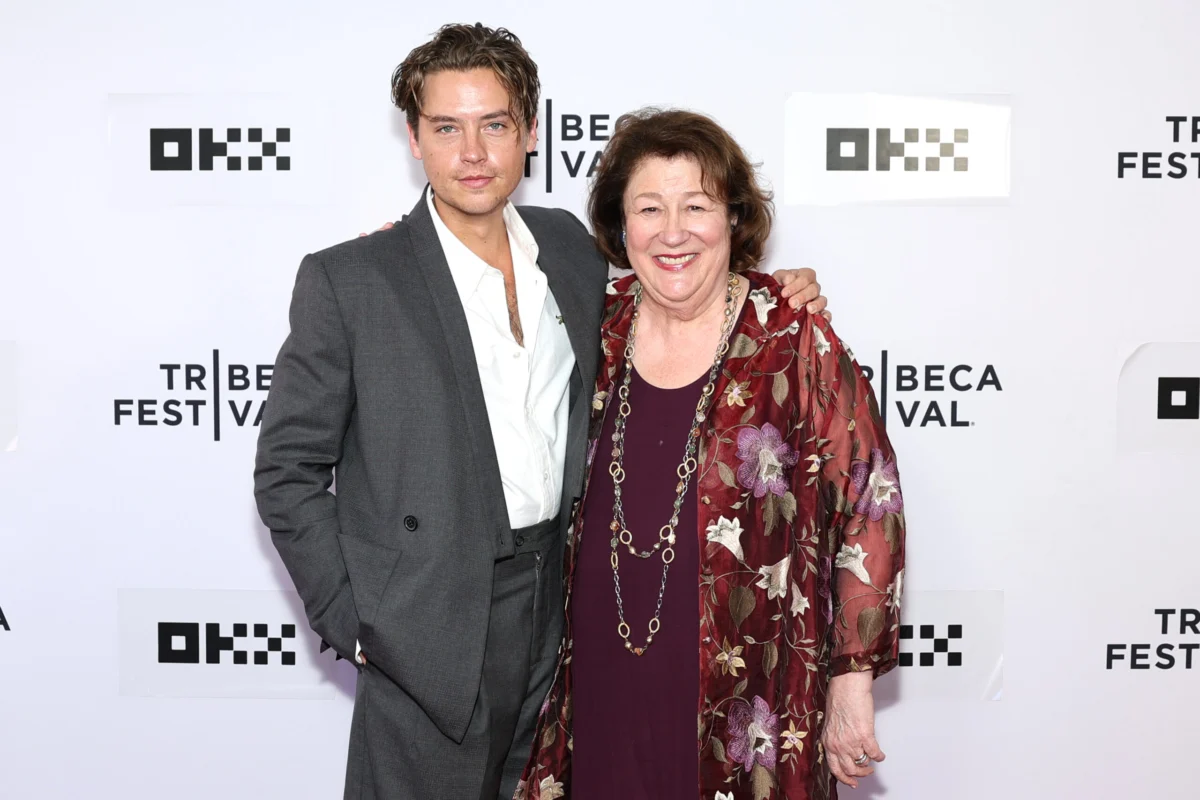
For years, Margo Martindale has been Hollywood’s secret weapon. Whether she is the ruthless KGB handler in The Americans, the duplicitous criminal mastermind in Justified, or the scene-stealing, self-aggrandizing version of herself in the cult animated series Bojack Horseman, Martindale has built a career defined by the industry’s most restrictive moniker: "esteemed character actress."
It is a title that carries both prestige and a glass ceiling. It suggests an actor who provides the necessary texture to a story without ever being the story itself. But that narrative has finally been shattered. In director David Drake’s new indie drama, The Long Haul, Martindale steps out of the periphery and into the frame, occupying every inch of the screen. The result is a performance of such profound gravity that it demands a complete re-evaluation of her career—and, quite possibly, a spot on the Oscar ballot come next year.
The Evolution of an Icon: From Supporting to Lead
Margo Martindale’s filmography is a tapestry of memorable turns. She has been the woman you doubt in The Americans, the one you fear in Sneaky Pete, the one you want to scream at in Million Dollar Baby, and the one you root for against a rampaging predator in Cocaine Bear. Yet, until The Long Haul, she had never anchored a feature film.
In The Long Haul, Martindale portrays Carol Jane—known as "CJ"—a veteran truck driver struggling to navigate a modern logistics industry that is increasingly hostile to the independent operator. The film paints a portrait of a woman who is stubborn, wounded, and resilient, existing in a world that demands digital integration and "influencer" savvy, both of which CJ staunchly rejects.
The film is a study in quiet intensity. As CJ, Martindale disappears into the role, shedding the familiar ticks of her previous work to reveal the bones of a woman who has lived a lifetime on the road, suppressing traumas that the audience only begins to piece together as the film unfolds.
A Chronology of a Masterpiece
The Long Haul premiered last week at the Tribeca Film Festival, where it immediately stood out as a beacon of analog filmmaking in an increasingly digitized landscape.
The project’s inception is as unique as its lead. Director David Drake, a self-taught filmmaker from a rural, blue-collar background, spent his early career working as a machinist and photographer. His path to the director’s chair bypassed the traditional film school route, fueled instead by his experiences working in Northern England and traveling the American West to shoot album covers for bands like The 1975.
For Drake, the film is a personal mission. He describes his worldview with an almost refreshing ignorance of modern industry trends—when asked about current AI models, he admits he doesn’t know what they are. This detachment from the "machine-thinking" future of Hollywood is exactly what gives the film its soul. It is, by all accounts, an "anti-AI" film, not through aggressive proselytizing, but through its sheer, handmade humanity.
Supporting Cast and Creative Resonance
The film’s power is bolstered by a stellar supporting cast that leans into the "character actor" energy that Martindale has now transcended. Stephen Root provides a poignant turn as an old family friend, while Yalitza Aparicio appears as an enigmatic presence, and Cole Sprouse captures the essence of the modern "trucker-bro."
The film’s aesthetic—described by some as a "Narrative Nomadland"—relies on the chemistry of these performers and the lived-in reality of the locations. It is a slow-burn narrative, one that doesn’t rely on high-octane plot twists but rather on the internal landscape of a woman refusing to be erased by the march of time and technology.
The Industry Crisis: Why There is No Buyer
Despite the critical acclaim following its Tribeca premiere, The Long Haul currently sits in a precarious position: it has no buyer.
The industry’s hesitation to pick up an indie drama centered on a septuagenarian lead is a grim indictment of current distribution trends. In a market obsessed with IP-driven blockbusters and algorithmically optimized content, a quiet, human-centric story like The Long Haul is often viewed as a financial liability.
Industry analysts suggest that the lack of a buyer is a symptom of a broader, systemic issue: the devaluation of mid-budget, human-focused drama. When a performance as transcendent as Martindale’s is ignored by the marketplace, it begs the question: are we losing the ability to recognize, and therefore support, genuine cinematic art?
In Conversation: Margo Martindale on the Craft
In a recent interview, Margo Martindale reflected on the shift from television to the intimate, reflective pace of film. "A series is happening. It’s alive," she explained. "You can manipulate where the writers go a bit if you know what you’re doing. But this [film] is reflective. And I’ve never been satisfied this way in a movie. I’ve never been the center of a feature until now."
Despite her grueling schedule—which includes an upcoming role in a Prison Break reboot and a performance as "an Ina Garten sort of character" in Ryan Murphy’s All’s Fair—Martindale remains deeply committed to the potential of The Long Haul. She is even willing to brave the grueling awards-season campaign circuit if it means the film gets the distribution it deserves.
"I feel like I’ve had a really great career," she notes, reflecting on her status. "I have nothing to complain about. Have I wanted a lead in a movie? Yeah, I have. But it wasn’t something I had to have."
The Human Antidote: Implications for Cinema
The success—or lack thereof—of The Long Haul serves as a litmus test for the future of cinema. In an era where AI-generated scripts and deep-fake aesthetics threaten to commodify human experience, the film’s existence is an act of defiance.
CJ’s character, who refuses to use the modern digital tools that have turned her profession into a conglomerate-owned nightmare, mirrors the film’s own production philosophy. The movie relies on real people, real locations, and the unrepeatable magic of an actor who has spent decades honing her craft, waiting for the right moment to show the world what she is truly capable of.
If the film is bought and distributed, it could spark a conversation about the necessity of supporting "handmade" art. If it remains in limbo, it stands as a tragic monument to an industry that has prioritized the efficiency of the machine over the resonance of the human spirit.
For now, the message is clear: Margo Martindale has delivered the performance of the year. It is a "tour de force gut-punch" that forces us to stop, look, and listen. Now, all that is left is for the industry to do the same. Someone needs to buy this damn movie.

 Asro
Asro
 Basiran