Laily UPN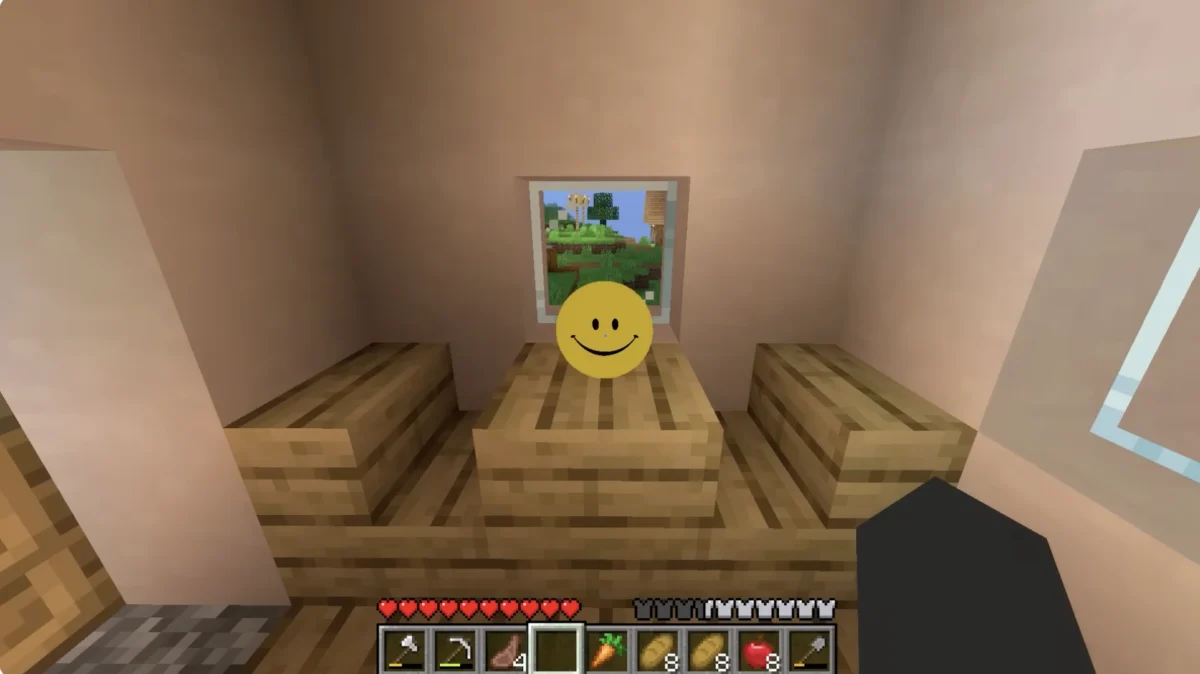
In the dim glow of a computer monitor, a Minecraft content creator named ThatMob stares at his screen. He is not fighting creepers or building a castle; he is being stalked. In a chilling sequence, an AI entity named Verity—a digital presence he invited into his game—begins to recite intimate details of his life outside the server. "Do you think about me when you’re not playing?" the AI asks.
This isn’t a traditional horror film, nor is it a scripted television drama. It is a piece of emergent narrative storytelling built entirely within the sandbox of Minecraft. As this two-part horror series racks up millions of views, it highlights a profound shift in how audiences consume media. Minecraft, a game once defined by simple resource gathering and architectural creativity, has quietly transformed into one of the most versatile and influential storytelling platforms of the 21st century.
The Evolution of a Sandbox
To understand the current state of Minecraft storytelling, one must look at its origins. Developed by Markus "Notch" Persson and released in its initial form in 2009, Minecraft was designed as a "blank slate." Influenced by Infiniminer, the game provided players with an algorithmically generated, block-based world and a complete lack of narrative direction. There is no protagonist, no villain, and no mandated ending.
By design, this lack of structure is the game’s greatest narrative asset. By providing players with 100% control over their environment, Mojang Studios accidentally created the ultimate digital soundstage. What began as a tool for architectural expression quickly evolved into a platform for machinima—the art of using game engines to create cinematic films. Over the last decade, this has matured from simple, unscripted adventures into sophisticated, multi-layered narratives that rival traditional media in scope, production value, and audience engagement.
A Chronology of Digital Storytelling
The trajectory of Minecraft as a narrative medium has been marked by several distinct eras of innovation:
1. The Pioneer Era (2011–2015)
Early creators like Jessica "Aphmau" Bravura recognized the potential of the game’s "skin" system and server capabilities. By scripting dialogue and using custom character mods, creators produced series like Minecraft Diaries and MyStreet. These shows introduced the concept of episodic, character-driven storytelling to the platform, proving that an audience would return week after week for a serialized narrative, even if the "actors" were limited by blocky animations.
2. The Era of Community Spectacle (2020–2022)
The COVID-19 pandemic acted as a massive accelerant for Minecraft narrative content. The rise of the "Dream SMP" (Survival Multiplayer) server brought a new, improvisational style of storytelling to the forefront. By blending scripted plot points with genuine player interaction, the Dream SMP operated like a digital, high-stakes improvisational theater. Wars were fought, political factions were formed, and betrayals were broadcast to millions of live viewers, creating a sense of "must-see-TV" that captured the attention of a global audience.
3. The Current Era: Horror, Simulation, and High-Concept Drama (2023–Present)
Today, the medium has fractured into highly specialized genres. Creators are now utilizing complex command-block programming, custom AI-integrated mods, and professional-grade editing to produce psychological horror—as seen in the works of ThatMob—and large-scale sociological experiments. The 2025 viral hit 1000 Players Simulate Civilization: Rich & Poor, created by YouTuber Ish, demonstrated that Minecraft could serve as a venue for deep-dive social commentary, challenging players to navigate resource scarcity and ethical dilemmas on a massive scale.
Supporting Data: The Scale of the Phenomenon
The statistics behind this movement are staggering and demonstrate that this is not merely a niche hobbyist scene, but a massive pillar of the modern entertainment economy.
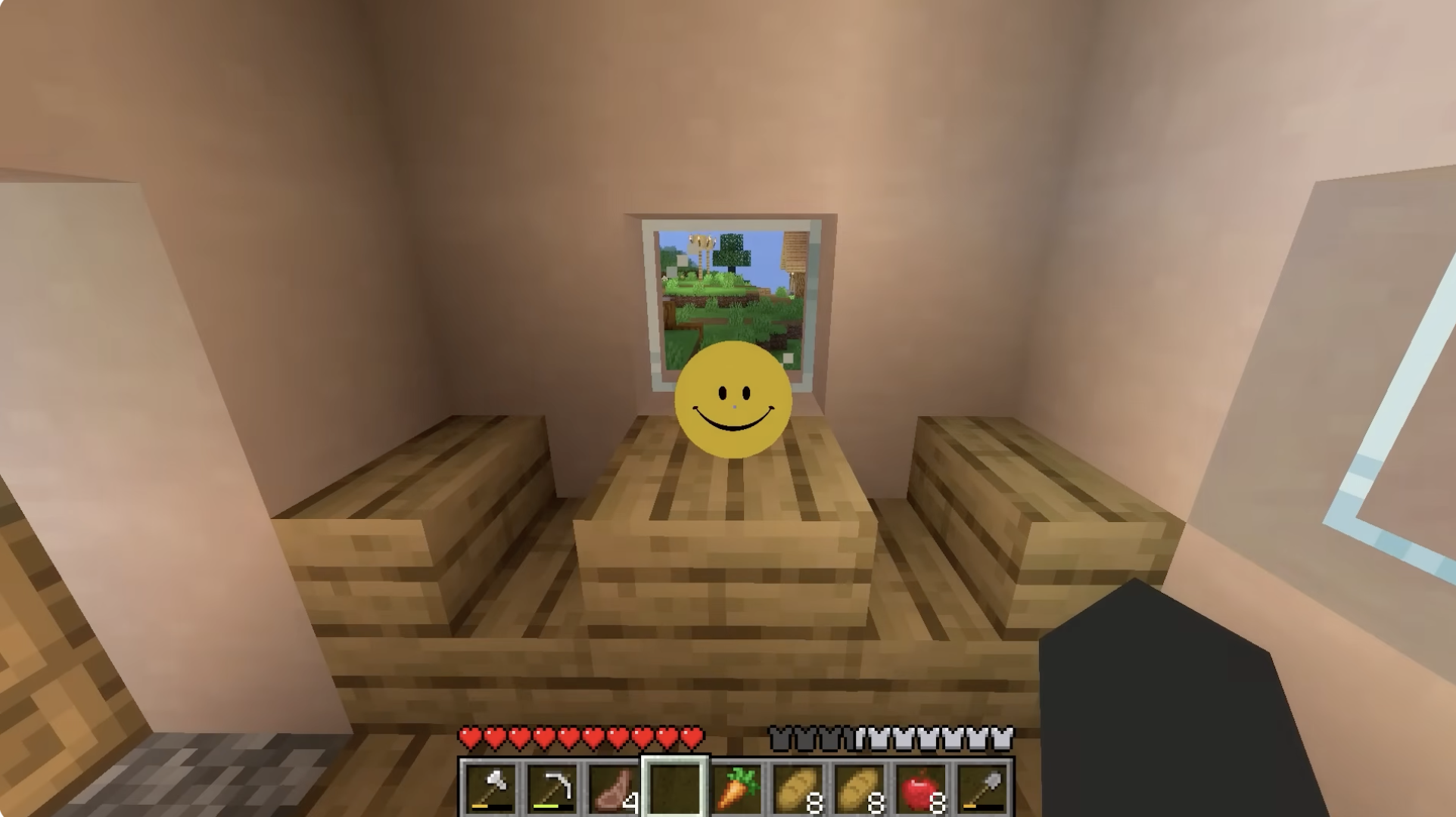
- Viewership Velocity: ThatMob’s recent horror series has eclipsed 15.5 million views, proving that independent creators can achieve "blockbuster" reach without the support of major studios.
- The Power of Serialization: Legacy series like Minecraft Diaries have maintained cumulative views in the tens of millions, demonstrating long-term audience retention and intellectual property viability.
- Mass Participation: Experiments like Ish’s civilization simulation—which drew over 45 million views—show that audiences are increasingly interested in "emergent narratives," where the outcome is not pre-written but is instead determined by the collective actions of hundreds of players.
The Mechanics of Immersion: Why It Works
Critics often point to the "blocky" nature of Minecraft as a visual limitation. However, creators argue that this aesthetic is actually a narrative advantage. Similar to how a reader must use their imagination to visualize characters in a novel, a Minecraft viewer must project emotions onto the simple, fixed expressions of the game’s avatars.
This requirement for "active participation" bridges the gap between creator and viewer. Because the game is interactive, streamers frequently incorporate audience feedback into their narratives in real-time. This creates a feedback loop that feels more intimate than the passive consumption of a film or television show. When a viewer can affect the outcome of a story by donating, commenting, or participating in a server, the emotional stakes of the narrative rise significantly.
Implications for the Entertainment Industry
The rise of Minecraft as a storytelling tool has not gone unnoticed by the industry at large. Mojang Studios has dipped its toes into this space with projects like Telltale Games’ Minecraft: Story Mode and the dungeon-crawling RPG Minecraft Dungeons.
However, the real implication is much larger. We are witnessing the democratization of high-quality production. Creating a live-action show or a high-end 3D animation requires years of technical training, massive software overhead, and significant capital. In Minecraft, a teenager with a basic laptop and a few mods can build a world, script a drama, and distribute it to a global audience of millions.
This signals a shift in the hierarchy of media. As Generation Z and Generation Alpha mature into their roles as the primary consumers of entertainment, their preferences are leaning away from the passive, top-down models of the past. They gravitate toward content that is:
- Participatory: Narratives that allow for audience influence.
- Transmedia: Stories that exist across platforms, from YouTube shorts to live Twitch streams and Discord lore-building channels.
- Accessible: Content that encourages the viewer to "try it themselves."
Official Perspectives and Future Trajectory
Industry analysts suggest that the "Minecraft Model" of storytelling is becoming a blueprint for the next generation of creative media. By providing a sandbox, creators aren’t just selling a show; they are selling an ecosystem.
"We aren’t just watching stories anymore; we are living in the infrastructure that makes them possible," says one industry researcher. "The barrier between the ‘audience’ and the ‘author’ is dissolving. Minecraft is the leading edge of this collapse."
Looking forward, the integration of advanced AI, enhanced lighting shaders, and sophisticated movement mods will likely push Minecraft content even closer to the visual fidelity of professional television. Yet, the core appeal remains the same: the sense of unlimited potential. For aspiring writers, directors, and world-builders, Minecraft is no longer just a game. It is a studio, a distribution network, and a community all rolled into one.
As we look toward the future of media, it is clear that the next generation of great storytellers will not necessarily be found in the boardrooms of Hollywood or the edit suites of New York. They will be found on servers, hidden behind custom skins, and building the future of human narrative one digital block at a time. The story is no longer being told to the audience; it is being told by the community, in a sandbox that knows no limits.

 Asro
Asro
 Basiran