Siti Muinah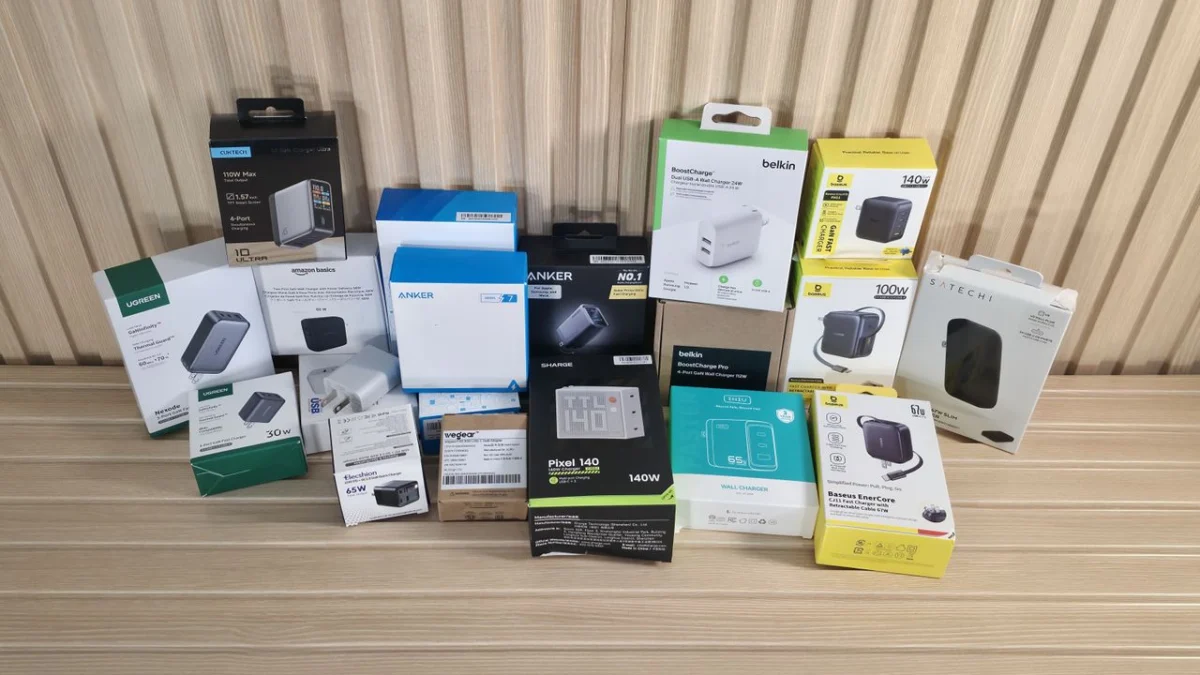
In the modern digital landscape, the humble wall charger has evolved from a simple accessory into a critical piece of infrastructure. With manufacturers increasingly removing charging bricks from the box—leaving users to source their own power solutions—the market has become flooded with options ranging from ultra-compact travel bricks to massive, multi-port power stations.
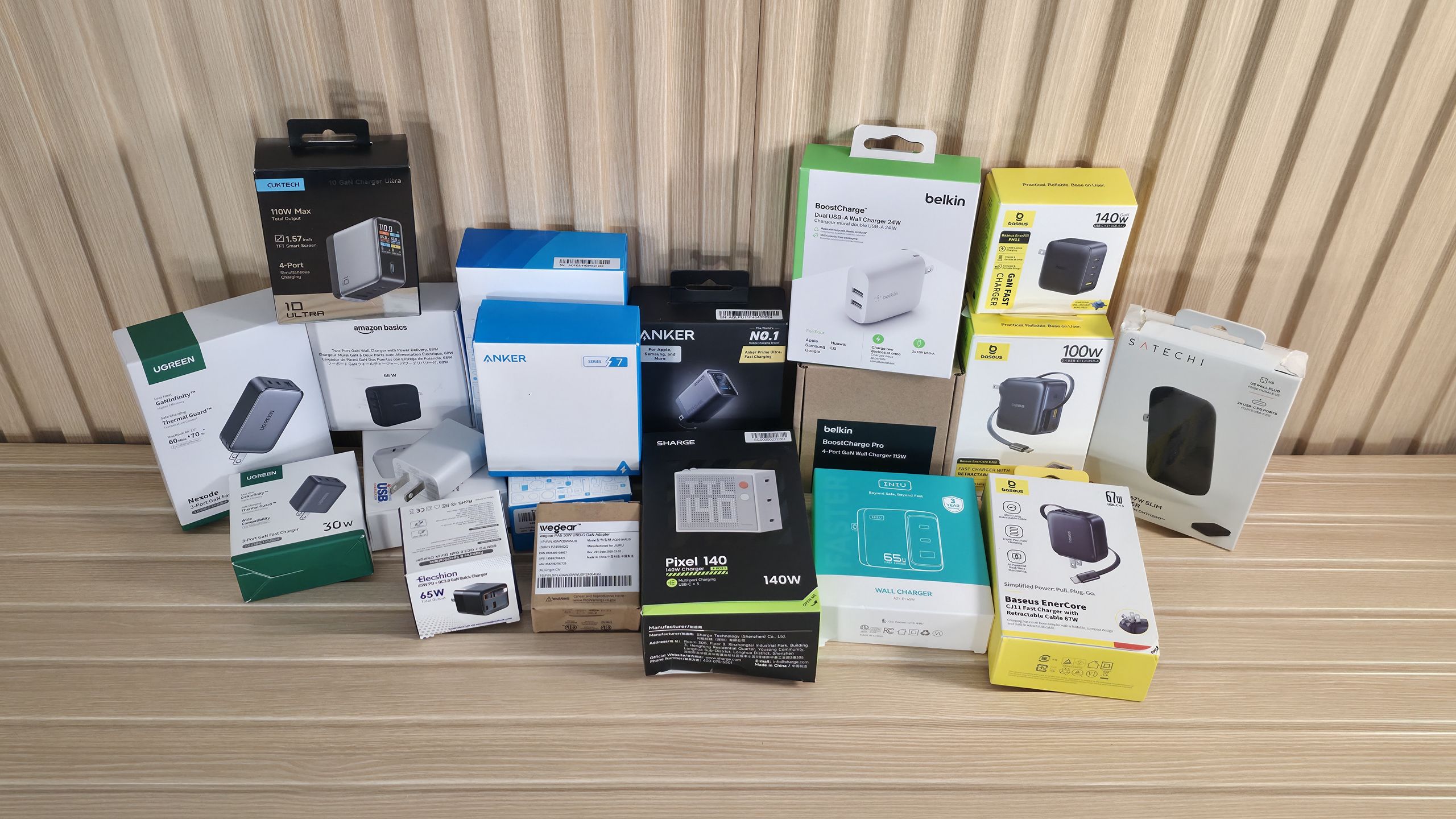
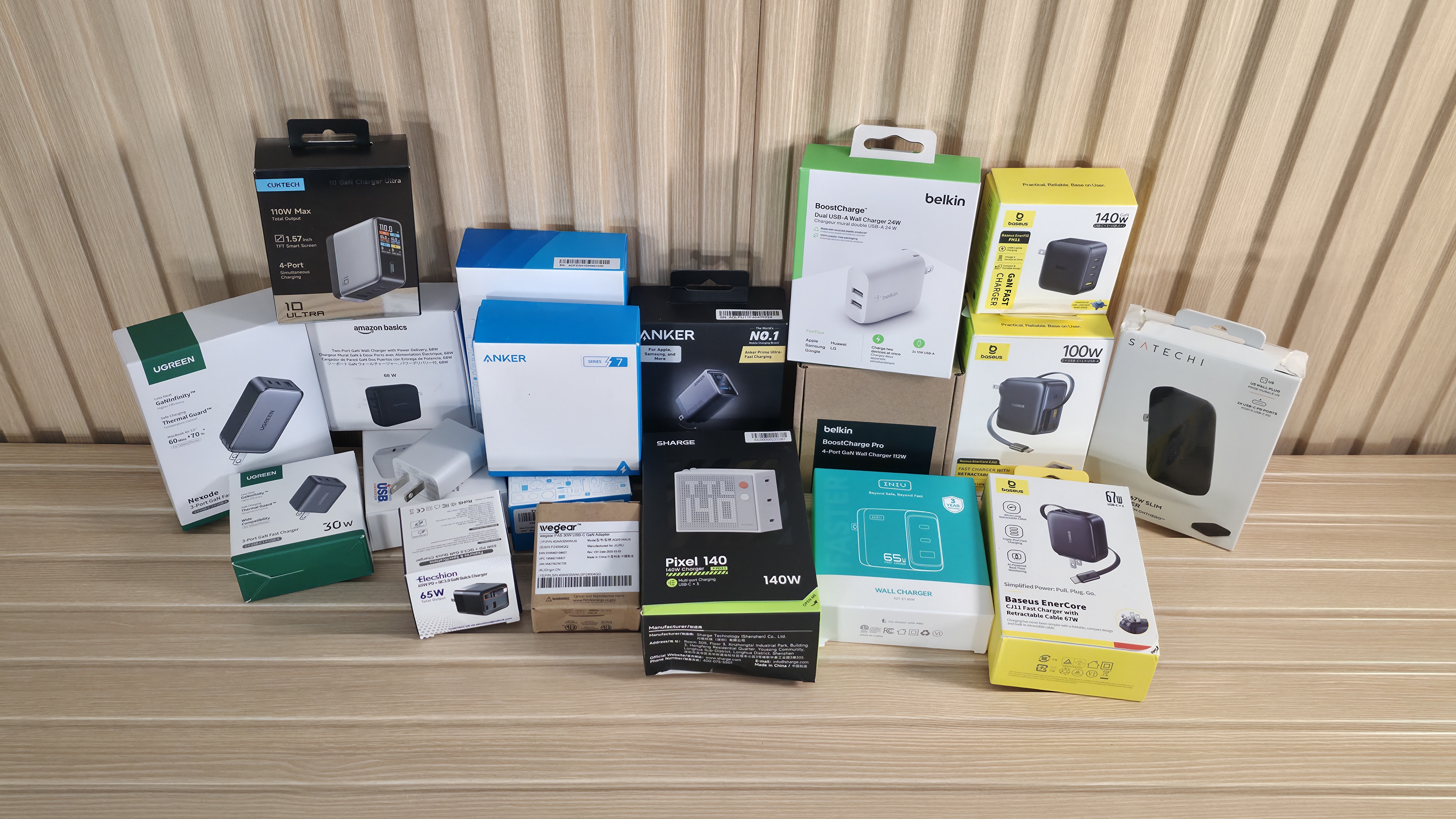
Choosing the right charger is no longer just about compatibility; it is about balancing safety, thermal efficiency, and power delivery standards like USB-PD (Power Delivery), PPS (Programmable Power Supply), and GaN (Gallium Nitride) technology. To demystify this crowded market, we at Tom’s Hardware conducted an exhaustive, rigorous testing cycle on 20 different charging models, spanning the spectrum from modest 15W smartphone adapters to 140W high-performance power delivery beasts.
The State of Modern Power: Main Facts and Testing Methodology
Our testing protocol moved far beyond marketing slogans. We subjected each charger to sustained stress tests, measuring thermal output, efficiency, idle power draw, and consistent wattage delivery over time.
The primary takeaway from our research is that while basic charging is now commoditized—meaning almost any modern, reputable charger can safely top up a smartphone—the landscape changes dramatically when you move into the 100W-plus territory. Here, physics imposes strict limitations. Compressing 140W of power into a form factor the size of a deck of cards generates significant heat, and managing that heat without sacrificing performance or longevity is the true hallmark of a premium product.
The Evolution of Charging Technology
Modern charging relies on three pillars:
- Gallium Nitride (GaN): Unlike traditional silicon, GaN allows for higher efficiency and smaller components, which is why modern chargers are significantly more compact than their predecessors.
- USB-PD 3.0/3.1: This standard allows for "smart" communication between the charger and the device, negotiating the exact voltage and current required to ensure the fastest possible charge without damaging the battery.
- PPS (Programmable Power Supply): A subset of USB-PD, PPS allows the charger to make micro-adjustments to the voltage in real-time, reducing heat during the charging cycle.
Chronology of Our Testing: From 15W to 140W
Our testing process followed a structured timeline to ensure fairness across all power tiers. We categorized the 20 units into three distinct classes:
- Phase 1 (Low Power, 15W–30W): We tested entry-level bricks focused on smartphone and accessory charging. We prioritized stability and safety features, as these devices are often left plugged in for long durations overnight.
- Phase 2 (Mid-Range, 45W–67W): This bracket targets ultrabook users, tablet owners, and those needing a reliable travel companion. We looked for port flexibility and thermal management during multi-device charging scenarios.
- Phase 3 (High-Output, 100W+): The final phase focused on power-hungry laptops, including gaming rigs and mobile workstations. This phase was the most grueling, as we tested for "sustained output"—checking if the charger could maintain its advertised wattage without thermal throttling after an hour of heavy use.
Supporting Data: Our Top Recommendations
After hundreds of hours of testing, three specific models emerged as the clear leaders in their respective categories.
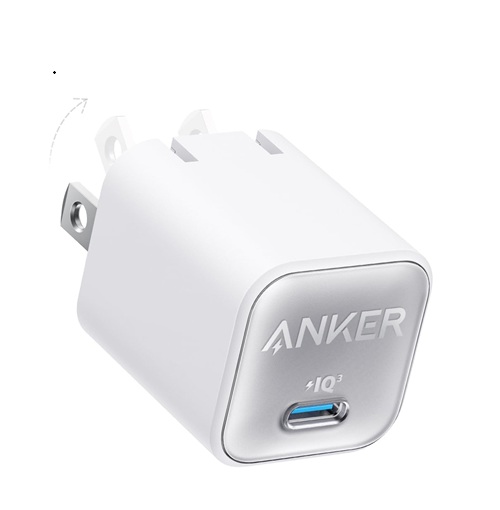
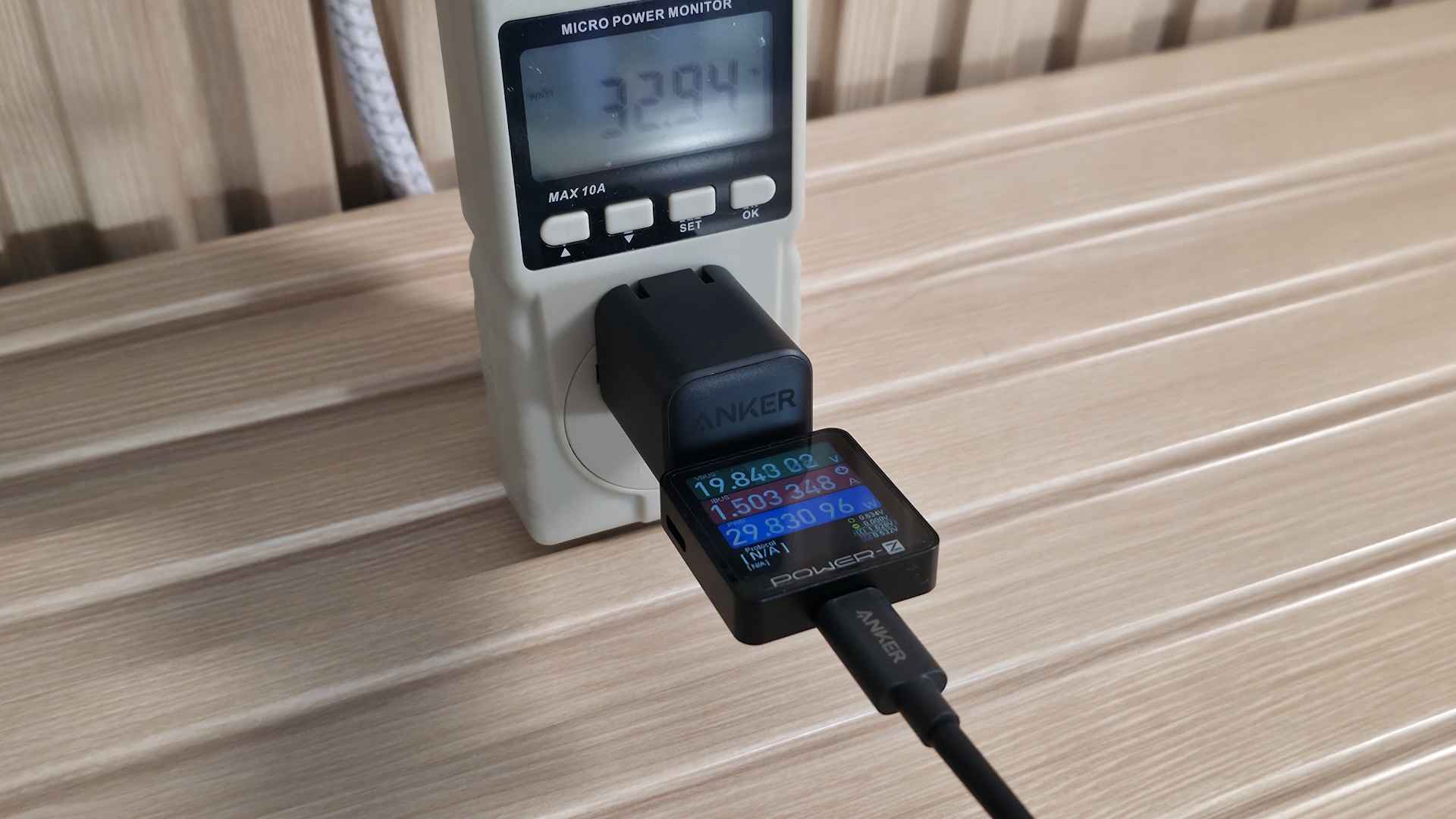
1. Best Low-Power Charger: Anker Nano 3 (30W)
The Anker Nano 3 represents the gold standard for personal, single-port charging.
- Why it won: It demonstrated remarkably consistent output. While it peaked at 65°C under heavy load, its thermal management was highly stable.
- Key Specs: USB-PD 3.0, PPS, and PowerIQ 3.0.
- Verdict: At $15.99, it is an essential purchase for anyone needing a reliable, pocketable charger for a phone or tablet.
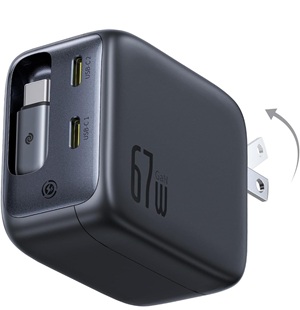
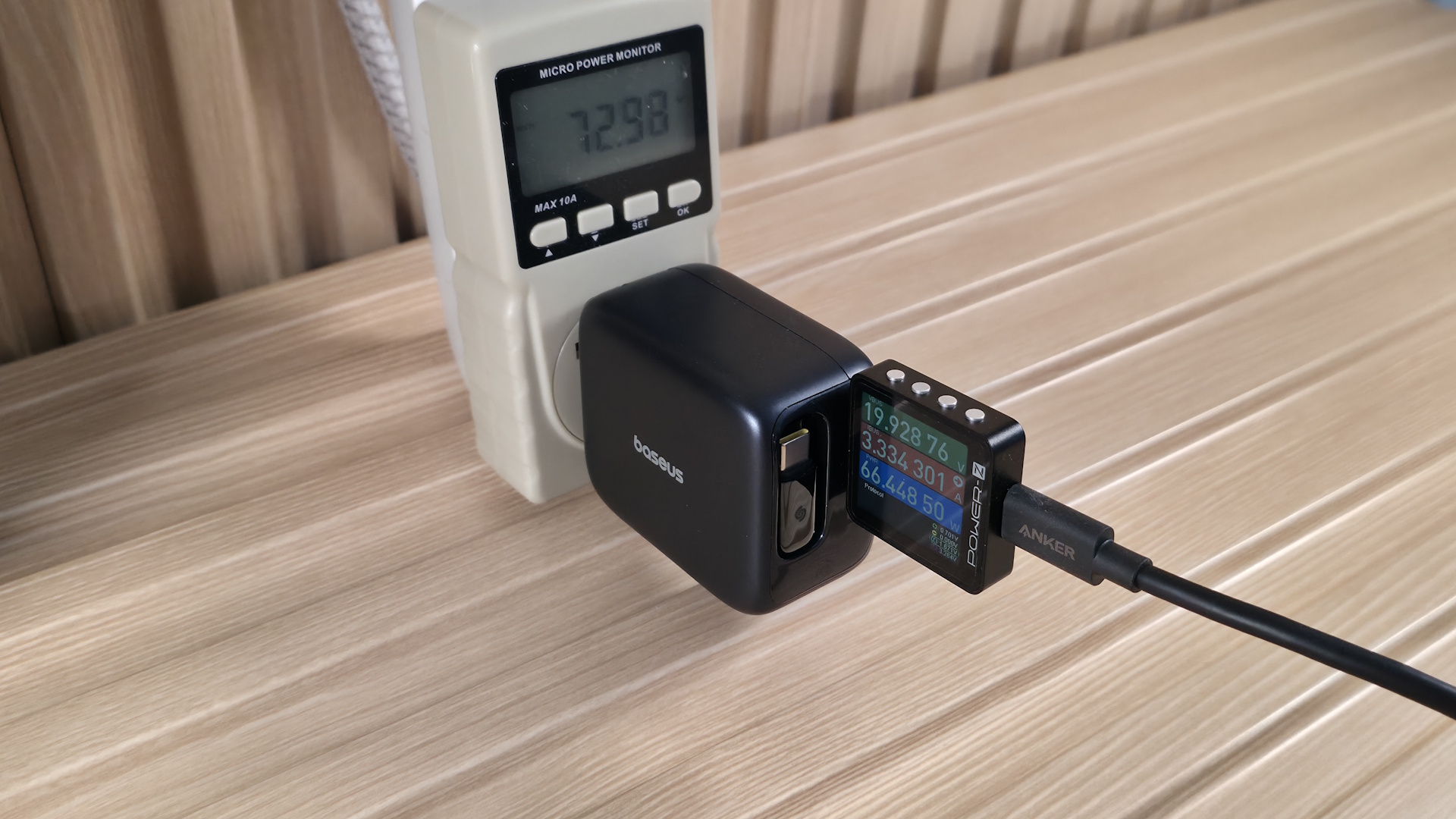
2. Best Mid-Range Charger: Baseus Enercore (67W)
For travelers who carry multiple devices, the Baseus Enercore is a masterclass in convenience.
- Why it won: It was the only unit tested with an integrated, retractable cable, and it set a new record for efficiency by running at just 55°C—the coolest in our mid-range group.
- Key Specs: Retractable Type-C cable, dual additional Type-C ports, and BCT (Baseus Cooling Technology).
- Verdict: Priced at $29.99, it offers the best "bang for your buck" for the average user who needs to charge a laptop and a phone simultaneously.
3. Best High-Output Charger: Cuktech 10 Ultra (110W)
When power is the priority, the Cuktech 10 Ultra stands alone.
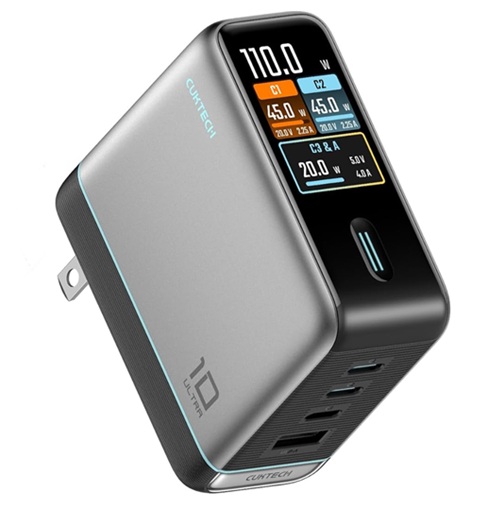
- Why it won: It maintained nearly 90% of its rated output even after prolonged stress testing. Furthermore, its built-in color display provides real-time data for every port, allowing users to see exactly how much power each device is pulling.
- Key Specs: 4-port output (3x Type-C, 1x Type-A), supports USB-PD 3.1 and PPS.
- Verdict: At $59.99, it is an investment, but it effectively replaces the need for a bulky laptop power brick and multiple phone chargers.
Implications: The Dangers of "Cheap" Charging
One of the most critical findings in our research concerns the "no-name" chargers often found in impulse-buy aisles. While it is tempting to save a few dollars, our testing confirmed that these units frequently lack essential safety certifications like UL (Underwriters Laboratories) or CE (Conformité Européenne).
Thermal and Electrical Risks
The dangers of inferior chargers are not merely theoretical. A low-quality charger often lacks the "overcurrent" and "overvoltage" protection circuitry found in name-brand units. In our tests, several uncertified chargers exhibited significant voltage fluctuations when multiple ports were used, potentially stressing the battery management systems (BMS) of expensive devices like MacBooks or flagship smartphones.
Furthermore, the lack of effective heat dissipation means these cheap chargers can pose a fire risk if left covered or in poorly ventilated areas. Always look for established brands that provide clear specifications and safety certifications.
Expert Shopping Tips for Consumers
As you navigate the market, keep these three rules in mind to ensure you get the most value and longevity from your purchase:
- Don’t Overspend on Wattage: If you are only charging an iPhone or a pair of earbuds, a 100W charger is a waste of money and space. Stick to the 30W range for small electronics to keep costs and size down.
- The Cable is Half the Equation: A 140W charger is useless if your cable is only rated for 60W. Always use USB-IF certified cables, especially for high-wattage charging. As we noted, a high-quality 240W cable from a reputable brand like Ugreen can be had for under $10—a small price for safety.
- Port Selection Matters: If you travel frequently, look for chargers that offer a mix of Type-C and Type-A ports, or even better, multiple Type-C ports. This allows you to consolidate your charging kit into one device, reducing the "cable clutter" in your bag.
Conclusion
The era of the "one-size-fits-all" charger is over. Whether you are a minimalist who just needs a reliable 30W brick for your commute or a power user needing 110W to keep a gaming laptop and accessories running, the current market has never been more sophisticated. By prioritizing safety, heat management, and official protocol support, you can ensure that your devices are not just charged, but protected for years to come.
For more information on our complete testing data, including efficiency graphs and thermal imaging results for all 20 units, visit the full breakdown on the Tom’s Hardware website.


 Dwi Wanna
 Jia Lissa