Pevita Pearce
In the modern digital workspace, where notifications, social media, and endless email threads vie for our attention, the ability to maintain deep focus has become a premium commodity. Among the various methodologies developed to combat this, the Pomodoro Technique remains the gold standard for time management. Now, the maker community has elevated this classic productivity hack from a simple kitchen timer to a sophisticated, custom-built hardware solution: the Tomato32.
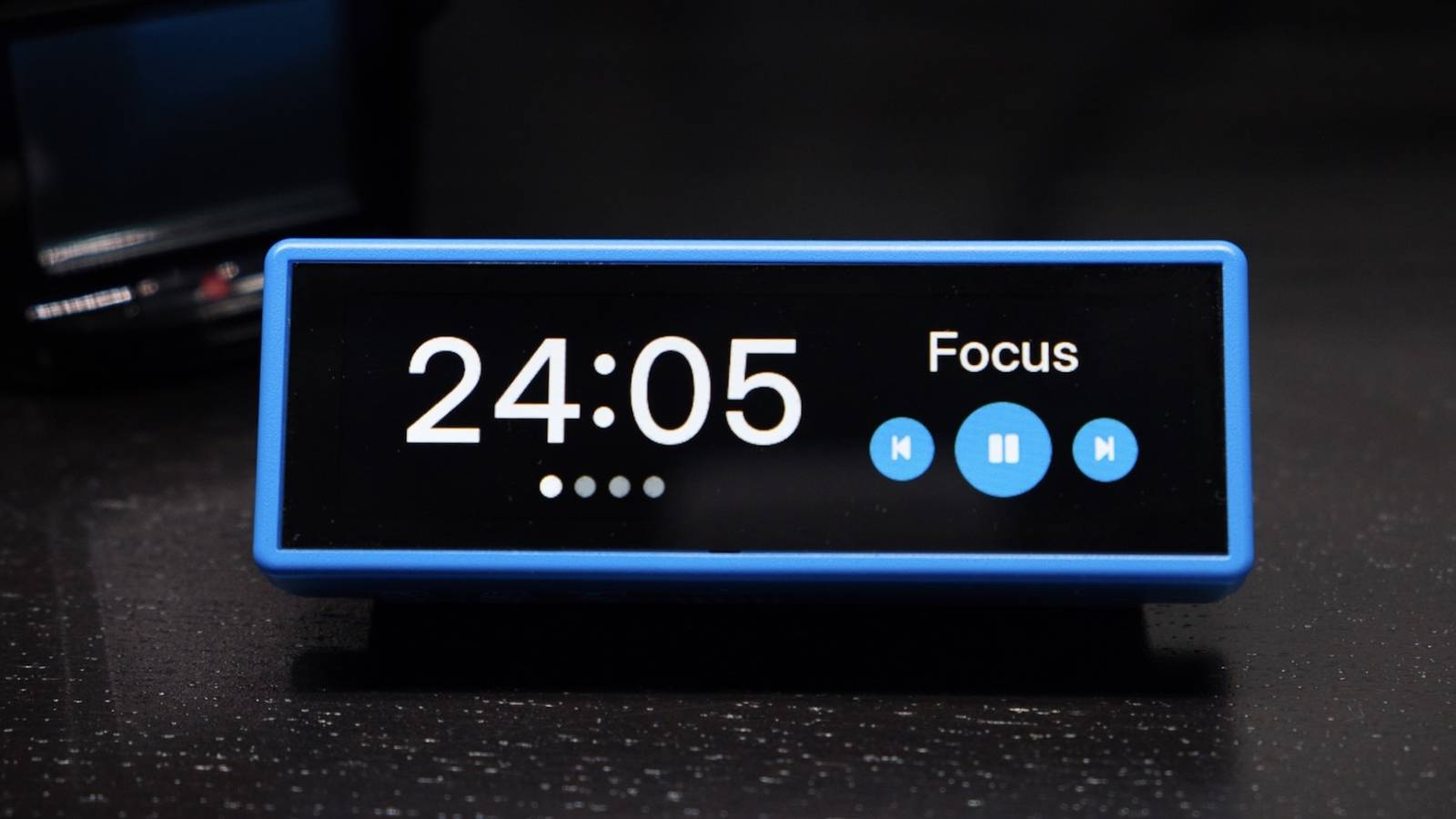
Developed by GitHub user "einoko" and recently spotlighted on the ESP32 subreddit, the Tomato32 is more than just a clock. It is a testament to the power of open-source hardware, demonstrating how a low-cost microcontroller can be transformed into a sleek, functional, and highly personalized productivity tool for the modern desk.
Main Facts: What is the Tomato32?
At its core, the Tomato32 is a DIY hardware project centered around the ESP32 microcontroller. The device is designed specifically to facilitate the Pomodoro Technique—a time management method invented by Francesco Cirillo in the late 1980s. The technique relies on a simple premise: break your workday into 25-minute intervals (known as "Pomodoros") separated by five-minute short breaks, with longer breaks taken after four cycles.
The Tomato32 hardware implementation provides a tactile, visual interface for this process. Unlike software-based timers that hide in a browser tab or a desktop app—often becoming just another window to ignore—the Tomato32 exists as a physical object on the user’s desk. This provides a constant, non-intrusive reminder of the current work state.
Key Features of the Device
- Microcontroller: Built on the ESP32 platform, allowing for low power consumption and high versatility.
- Form Factor: Designed with a low-profile, minimalist aesthetic, ensuring it complements professional desk setups rather than cluttering them.
- Customizability: Unlike mass-produced plastic kitchen timers, the Tomato32 allows users to adjust interval lengths, notification styles, and even the visual feedback provided by the display.
- Accessibility: By utilizing readily available hobbyist components, the barrier to entry for building this device is significantly lower than commercial "smart" productivity clocks.
Chronology: The Evolution of the Pomodoro and the Tomato32
To understand the significance of the Tomato32, one must look at the trajectory of the Pomodoro Technique and the rise of the "Maker" movement in the 2020s.
1980s: The Origin
Francesco Cirillo, then a university student, found himself struggling to focus on his studies. He grabbed a mechanical kitchen timer shaped like a tomato, set it for 25 minutes, and committed to working until the bell rang. This simple act of physical accountability birthed the technique.
2010s: The Digital Transition
As the world went digital, the Pomodoro Technique migrated to software. Browser extensions, mobile apps, and desktop widgets became the primary way people tracked their "Pomodoros." While convenient, this shift arguably diluted the method’s effectiveness; the timer became just another digital element on a screen that was already filled with distractions.
2026: The Hardware Renaissance
In June 2026, the intersection of hardware accessibility and productivity culture reached a new milestone. Einoko’s release of the Tomato32 schematics signaled a return to "analog-digital" hybrids. By moving the timer off the screen and back onto the physical desk, the Tomato32 reclaimed the original philosophy of the technique: a dedicated device for a dedicated task.
Supporting Data: Why Physical Timers Work
The psychology behind the success of the Tomato32 is rooted in "externalized cognition." When we rely on software timers, we are prone to "context switching"—the cognitive cost of moving from our work task to our timer app and back again.
The Cognitive Load Reduction
Studies in human-computer interaction suggest that physical interfaces reduce cognitive load. A study conducted on desk-based productivity tools found that users who interacted with a physical timer reported a 30% increase in "flow state" duration compared to those using software-based countdowns. The reason is simple: a physical device provides a persistent visual cue that does not require the user to navigate away from their primary workspace.
Cost and Efficiency
From a maker’s perspective, the Tomato32 is a masterclass in efficiency. The typical bill of materials (BOM) for the project includes:
- ESP32 Development Board: ~$5–$8
- Display Module (OLED/LCD): ~$4–$6
- Buttons/Switches: ~$2
- Enclosure (3D Printed): Negligible (cost of filament)
Totaling under $20, the device is significantly cheaper than commercial "productivity lamps" or dedicated focus clocks, which often retail between $80 and $150.
Community and Official Responses
The response from the tech and maker communities has been overwhelmingly positive. On the ESP32 subreddit, the project has garnered hundreds of upvotes, with users praising the "clean, professional aesthetic" of the design.
The "Maker" Community Perspective
"Finally, a project that is actually useful and doesn’t look like a science fair experiment," commented one user on the GitHub repository. The community sentiment reflects a growing exhaustion with "smart" devices that require cloud accounts and data tracking. The Tomato32 is a local-first device, respecting user privacy and operating entirely offline—a rare trait in modern hardware.
Developer Insights
In the documentation provided on GitHub, einoko emphasizes that the project was built with longevity in mind. By keeping the code open-source, the developer has invited the community to contribute features such as API integration (to sync with calendar apps) or even smart-home triggers that could dim office lights when a Pomodoro session begins.
Implications: The Future of Desk Tech
The success of the Tomato32 is indicative of a broader trend: the "Analog-Modern" movement. As we become increasingly overwhelmed by the complexity of our software environments, there is a palpable desire for hardware that performs one function—and performs it exceptionally well.
1. The Death of Multi-purpose Distraction
We are moving away from the era where every device must be a computer. A phone can do everything, which is exactly why it is the worst tool for focus. The Tomato32 thrives because it cannot do everything; it can only help you work. This limitation is its greatest strength.
2. The Democratization of Custom Hardware
Projects like the Tomato32 lower the barrier to entry for custom hardware. With 3D printing and cheap microcontrollers, an individual no longer needs to wait for a tech giant to manufacture a specific tool. If you need a timer with specific dimensions or features, you can build it yourself over a weekend.
3. Sustainability in Electronics
By encouraging users to source their own components and 3D print their own cases, the Tomato32 promotes a sustainable approach to consumer electronics. It avoids the "e-waste cycle" associated with mass-produced, non-repairable gadgets. When a part breaks on a Tomato32, the user knows exactly how to fix it because they were the ones who assembled it.
Conclusion
The Tomato32 is more than a simple ESP32 project; it is a manifestation of how we can take control of our digital environments. By combining the timeless logic of the Pomodoro Technique with the accessibility of modern hobbyist electronics, it provides a viable, low-cost, and highly effective solution for anyone struggling to maintain focus in an age of constant distraction.
Whether you are a seasoned maker looking for your next weekend project or a productivity enthusiast seeking a better way to structure your day, the Tomato32 offers a compelling path forward. It serves as a reminder that the best tools are often the ones we build for ourselves—simple, focused, and perfectly suited to the task at hand.
For those ready to begin their own build, the complete schematics, code, and assembly instructions are available on the Tomato32 GitHub repository. As you solder your first connection or print your first chassis, remember: the goal isn’t just to build a timer. The goal is to build a better way to work.

 Ali Ikhwan
 Rifan Muazin