Muslim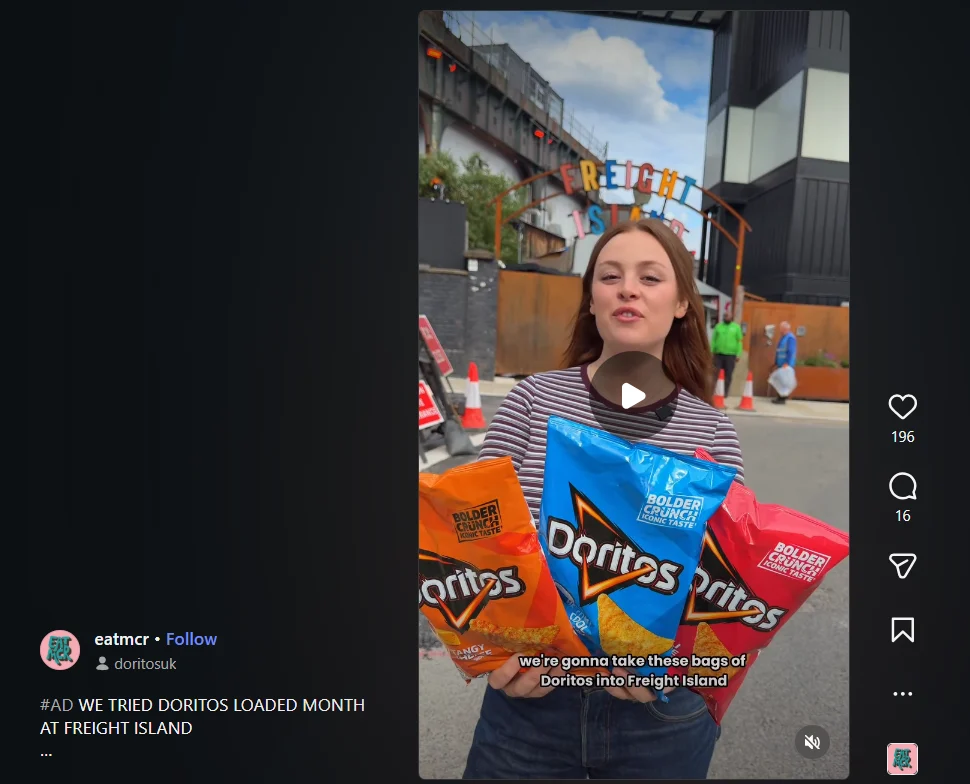
In the rapidly maturing landscape of digital marketing, the days of brands relying on one-off influencer "gifting" or sporadic, manual outreach are effectively over. To achieve sustainable growth and genuine audience trust, modern enterprises are pivoting toward "programmatic influencer management." This shift represents a transition from treating creator partnerships as a transactional afterthought to integrating them as a core, scalable pillar of the marketing organization.
The right influencer strategy can skyrocket brand visibility, but executing it effectively requires more than just a list of names and contact information. It demands a robust, end-to-end framework that governs everything from initial discovery and vetting to long-term relationship cultivation, contractual compliance, and data-driven performance analysis.
Main Facts: Defining the Programmatic Shift
Influencer management is no longer merely a subset of public relations or social media posting; it is an ecosystem that encompasses the entire lifecycle of creator-led content. At its core, programmatic management involves:
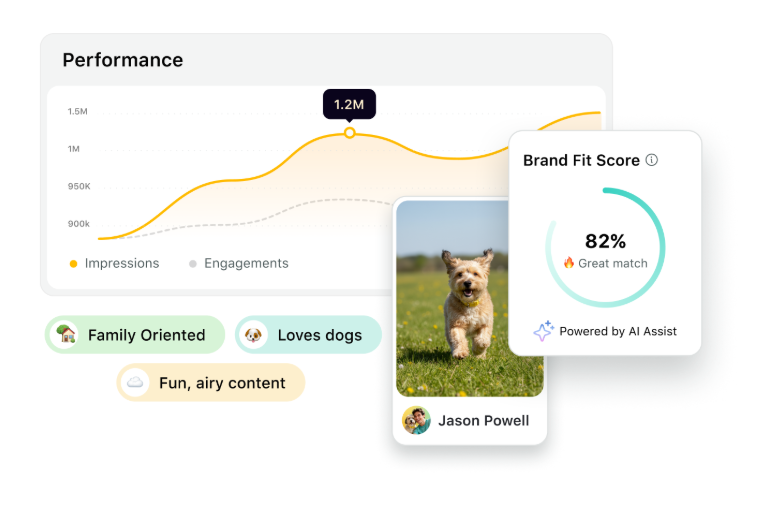
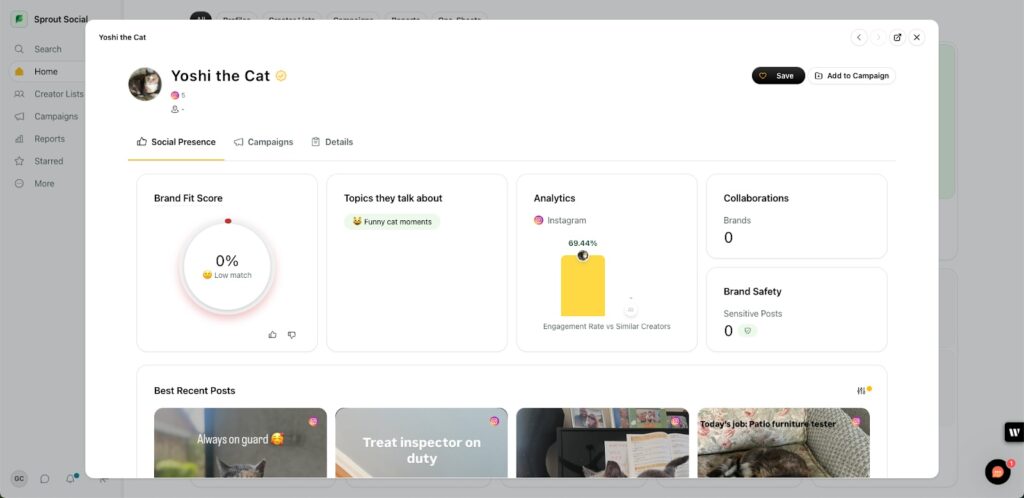
- Systematized Discovery: Moving beyond manual searches to AI-driven tools that identify creators based on topical authority, audience demographics, and brand-fit scores.
- Operational Consistency: Utilizing centralized workspaces to handle contracting, briefing, and content approval workflows, ensuring that brand standards remain consistent even when scaling across dozens or hundreds of creators.
- Data-Backed Decision Making: Replacing guesswork with concrete metrics, such as real-time engagement data, conversion tracking, and competitor share-of-voice analysis.
- Strategic Retention: Prioritizing long-term partnerships that transform influencers into reliable brand ambassadors, fostering deeper trust with their communities over time.
Chronology: The Lifecycle of a Modern Creator Campaign
A professional, programmatic approach to influencer management follows a deliberate, six-step lifecycle. This structure ensures that no critical element—from legal compliance to creative impact—is overlooked.
- Automated Discovery and Alignment: The process begins with defining clear audience goals. By using AI-powered natural language processing, marketers can identify creators who are already discussing topics relevant to their brand, ensuring the partnership feels authentic to the creator’s existing community.
- Streamlined Recruitment and Contracting: Standardized pitch templates and centralized CRM systems—often referred to as "Creator Lists"—allow teams to manage outreach efficiently. This phase concludes with the execution of comprehensive, consistent contracts that mitigate legal and brand-safety risks.
- Creative Briefing: Success relies on the balance between brand requirements (such as specific calls-to-action or tag placements) and creative freedom. A standardized briefing template provides the guardrails necessary for consistency without stifling the influencer’s unique voice.
- Approval and Compliance: Before content goes live, it must pass through a structured review process. Using shared workspaces, brands and agencies can track draft versions, ensure compliance with regional disclosure regulations, and perform automated brand-safety audits.
- Launch and Amplification: Once content is published, the focus shifts to paid amplification. By using integrated tools, teams can boost top-performing creator posts directly from their management dashboard, connecting top-of-funnel reach with bottom-of-funnel conversions via UTM parameters and tracking pixels.
- Reporting and Payouts: The cycle closes with post-campaign analysis. By measuring performance against pre-set benchmarks, brands gain insights that inform future strategies. Simultaneously, automated, transparent payment systems—integrated with platforms like PayPal or Lumanu—ensure creators are compensated promptly, securing the relationship for future collaborations.
Supporting Data: Why Process Beats Intuition
The argument for a programmatic approach is supported by the need to overcome common industry friction points. Manual, siloed workflows are the primary cause of campaign bottlenecks.
For example, when dealing with "high-reach but low-engagement" influencers, data-driven vetting is essential. While macro-influencers offer massive top-line visibility, they often lack the deep, trust-based connections found in micro-communities. Anna Larson, Director of PESO Content at Flint Group, emphasizes this point: "Whether a creator has 1,000 followers or 1 million, the most effective partnerships happen when audiences believe the person behind the content. That’s something no follower count can measure on its own."
The efficacy of these tools is evident in the time saved. By shifting away from spreadsheets and multiple disconnected platforms, teams can reclaim dozens of hours per month. Instead of spending time on manual research or chasing down invoices, marketers can focus on high-level strategy, relationship development, and creative brainstorming.
Official Perspectives: Industry Expert Insights
The industry is clearly moving toward a unified "source of truth" model. Leaders in the field, such as those at Flint Group, report that the transition to tools like Sprout Social Influencer Marketing has fundamentally altered their output.
"We’re able to identify highly aligned creators much faster, spend less time on manual research, and focus more energy on strategy, relationship building, and development," says Larson. This shift allows agencies and internal teams to provide clients with recommendations backed by concrete intelligence rather than subjective assumptions.
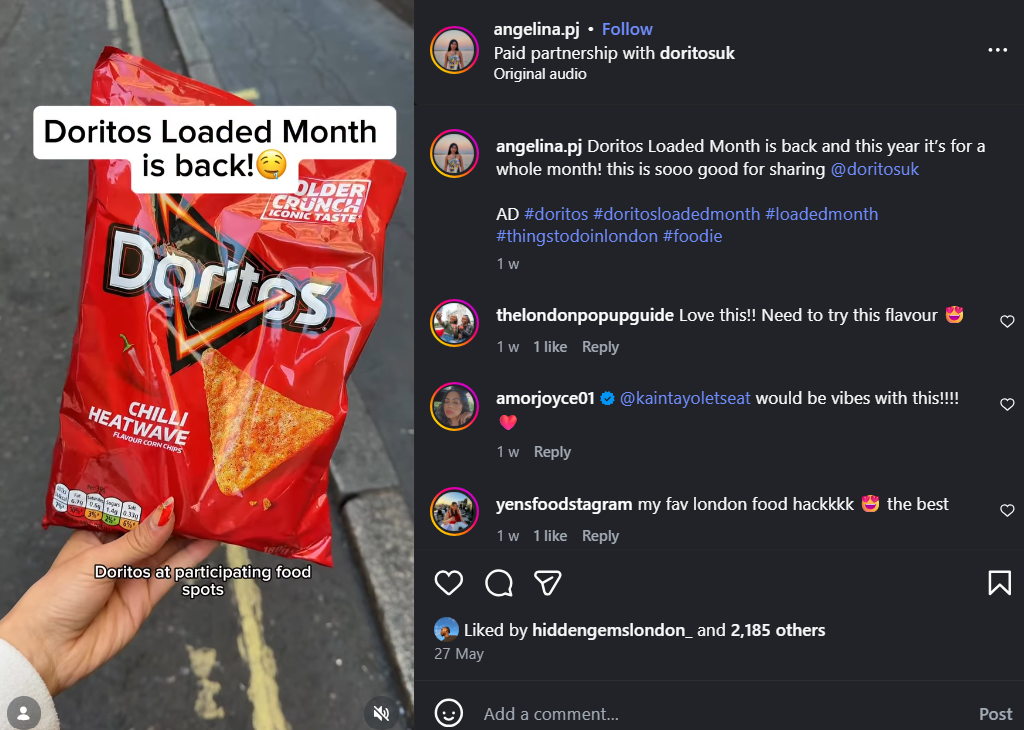
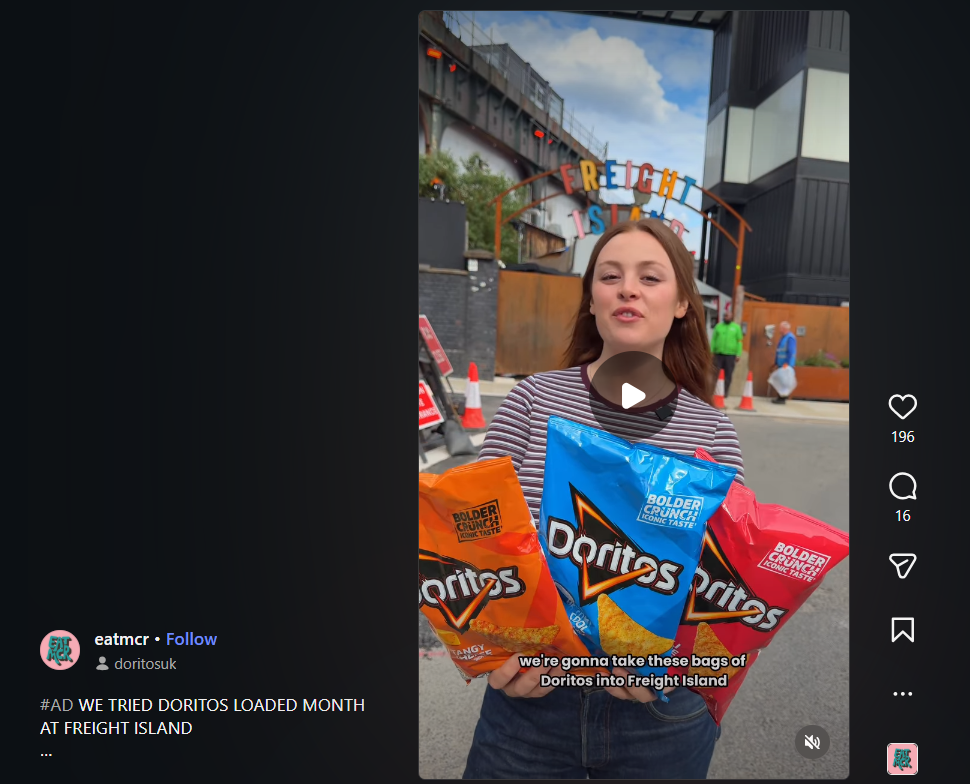
Successful campaigns, such as the Doritos Loaded Month in the UK, demonstrate the power of this structured approach. By partnering with local restaurant influencers, Doritos managed to keep branding consistent across various creative outputs while allowing creators to maintain their personal style. This consistency is only possible when the brand has set clear, scalable creative guardrails from the outset.
Implications for Future Marketing Strategy
The move toward programmatic influencer management carries profound implications for the future of digital advertising.
Creative Consistency vs. Creative Freedom
The primary challenge for brands is maintaining a distinct voice while relying on external creators. The programmatic solution is to front-load the strategy. By defining non-negotiables early and providing clear, flexible guidelines, brands can empower creators to tell authentic stories that serve both the audience and the brand’s bottom line.
Brand Safety as a Non-Negotiable
As brands delegate their voice to influencers, the risk of misaligned content grows. Automated tools now allow for "red flag" customization, checking a creator’s entire posting history for profanity, controversial topics, or thematic misalignment before a contract is ever signed. This proactive oversight is critical in today’s highly sensitive digital landscape.
The Rise of the "Always-On" Ambassador
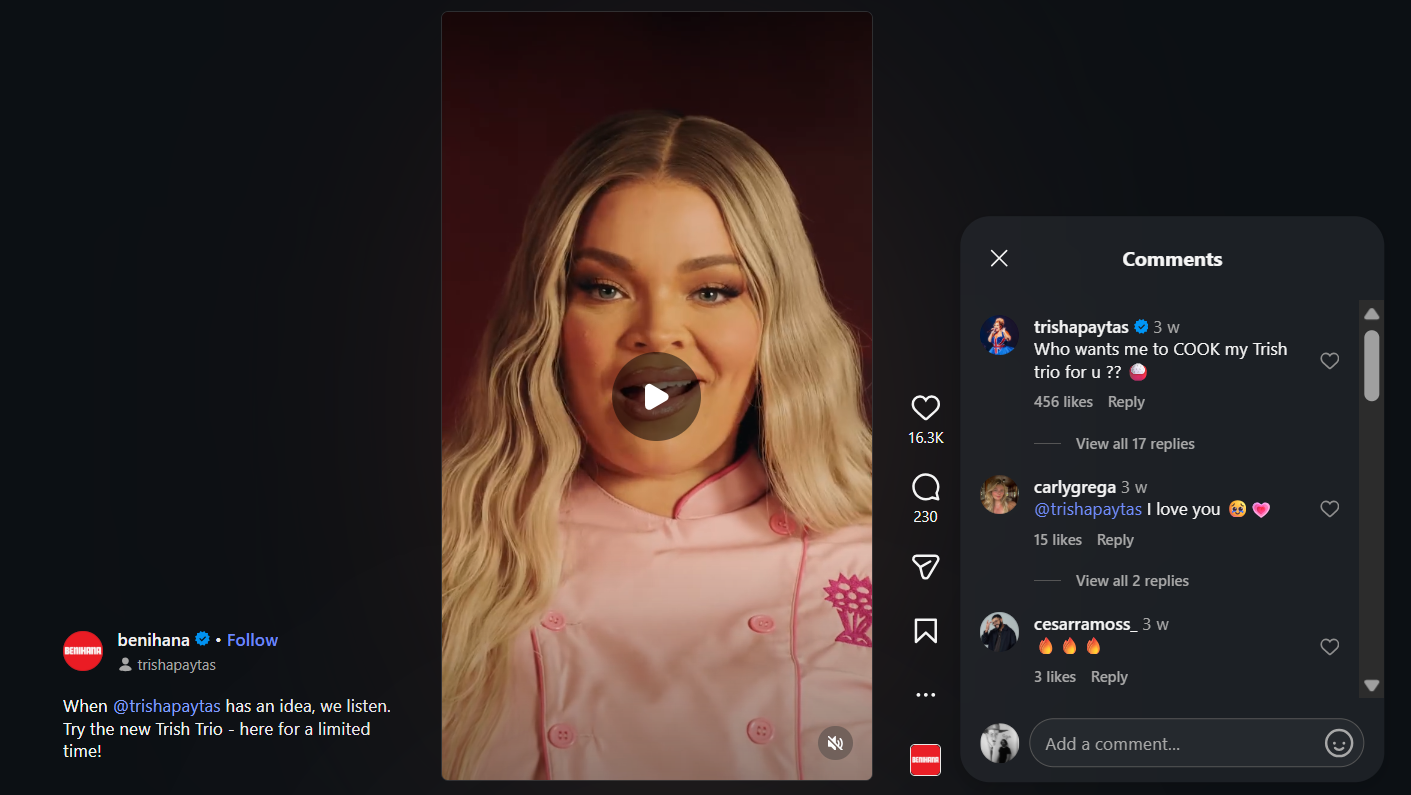
The most valuable influencer marketing programs are those that move beyond one-off activations. When a brand treats an influencer as a long-term partner—like the collaboration between Trisha Paytas and Benihana—the influencer becomes an extension of the brand. This long-term association creates an authentic "fan" status that is far more persuasive to potential customers than a one-time sponsored post.
The Necessity of Integrated Tooling
As the volume of influencer collaborations increases, the administrative burden on social teams will become unsustainable without dedicated management platforms. Whether it is Sprout Social, Heepsy, or Pitchbox, the common thread is the need for centralization. These platforms are no longer "nice-to-haves"—they are essential infrastructure for any brand serious about competing in the influencer-led marketplace.
Conclusion: A Professionalized Future
Influencer marketing has graduated from the "Wild West" era of social media into a sophisticated, highly measurable, and operationally rigorous discipline. For brands looking to thrive in this environment, the path forward is clear: professionalize the management process, automate the administrative heavy lifting, and prioritize long-term, trust-based relationships over short-term reach. By adopting a programmatic mindset, brands can turn the chaotic energy of social media into a structured, reliable, and high-performing engine for growth.

 Nana
Nana
 Asep Darmawan