Nana
Nana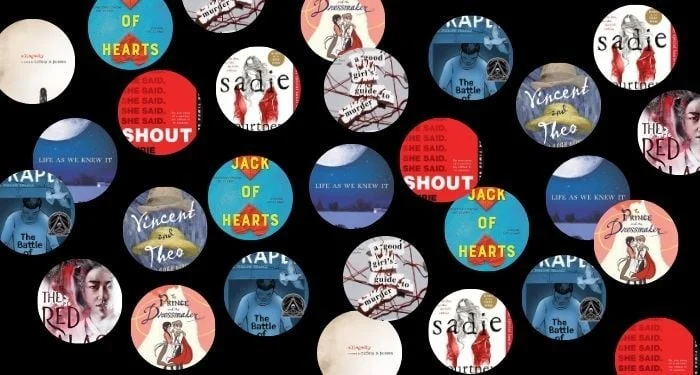
Curating a definitive list is an act of both celebration and sacrifice. Last week, the editorial team at Book Riot unveiled our highly anticipated selection of the “Best of the Century So Far” for young adult literature. The project was a massive undertaking: an exhaustive, multi-month deep dive into the last 25 years of publishing to distill the most impactful, resonant, and representative titles from a golden age of YA fiction.
However, the reality of curation is that for every title selected, several equally deserving masterpieces are left on the cutting room floor. Given the immense depth and breadth of the young adult landscape—ranging from hard-hitting nonfiction to genre-bending graphic novels—we felt it would be a disservice to the literary community to leave these "near-misses" in the shadows.
What follows is an exploration of the rigorous process behind our "Best of the Century" selections, a look at the methodology that shaped the final list, and an in-depth spotlight on ten influential titles that, while not making the final cut, remain essential pillars of the 21st-century YA canon.

The Methodology: How We Defined the "Best"
The process of defining excellence in literature is inherently subjective, yet we approached it with a structured, democratic methodology. To ensure a balance of critical acclaim, cultural impact, and reader popularity, we implemented a multi-stage selection process:
- The Nomination Phase: Every editor and contributor at Book Riot was invited to submit their nominations. We encouraged a broad scope, asking participants to consider literary merit, historical significance, and emotional resonance.
- Frequency Analysis: Titles that received multiple nominations were automatically elevated to a "Priority Consideration" tier. This helped identify the undisputed titans of the genre.
- The Deliberation Round: Once the initial pool was established, we moved to a secondary phase focusing on diversity of representation. We scrutinized the list for balance across genres (sci-fi, fantasy, mystery, realistic fiction), formats (prose, graphic novels, nonfiction), and the lived experiences of the authors and protagonists.
- Final Refinement: The most difficult stage involved "negotiation." If an author had multiple books on the list, we debated which single title best represented their contribution to the genre. We also looked for gaps in representation, ensuring that we weren’t just highlighting a specific "type" of YA, but the full, vibrant spectrum of the category.
The result is a list that stands as a snapshot of a specific time in history. While no list can ever be truly exhaustive, every book included serves as a testament to the power of storytelling.
A Selection of Influential "Near-Misses"
While these ten titles did not make our final 45-book list, they are nonetheless seminal works that have shaped the trajectories of countless young readers.

1. Allegedly by Tiffany D. Jackson
Tiffany D. Jackson has become a cornerstone of modern YA, and Allegedly remains a masterclass in the psychological thriller genre. The story of Mary, a girl who killed a baby at age nine and now, at fifteen, struggles to uncover the truth of that night while pregnant in a state-run facility, is harrowing. It is a sharp, unflinching examination of systemic failure, racial bias, and the nuances of the justice system. The book’s success helped pave the way for a wave of socially conscious thrillers in the late 2010s.
2. The Battle of Jericho by Sharon M. Draper
As the first installment of the Jericho trilogy, this novel remains a foundational text for many readers exploring the complexities of social hierarchy. When 16-year-old Jericho is invited to pledge for the "Warriors of Distinction," he expects prestige and popularity. What he finds is a disturbing series of initiation rituals that force him to confront his own morals. Draper’s ability to tackle bullying and peer pressure with such clarity makes this a timeless read.
3. A Good Girl’s Guide to Murder by Holly Jackson
Few books have captured the zeitgeist of the true-crime obsession quite like A Good Girl’s Guide to Murder. By centering the narrative on a high school senior project that unearths the dark, hidden secrets of a town still reeling from a closed murder case, Jackson crafted a page-turner that feels both contemporary and classic. Its massive crossover appeal and successful screen adaptation have solidified its place in the modern YA pantheon.

4. Jack of Hearts (and other parts) by Lev A.C. Rosen
Teen literature is, by its very nature, about boundary-pushing. Rosen’s novel about Jack, a queer teen writing a sex-positive column for his school newspaper, was a watershed moment for honest, frank depictions of adolescent sexuality. When Jack is targeted by a stalker, the book transforms into a gripping mystery, but its heart remains in its unapologetic defense of queer identity and bodily autonomy.
5. Life As We Knew It by Susan Beth Pfeffer
Often cited as an early benchmark in the climate fiction (cli-fi) subgenre, this 2008 novel presents a terrifying "what if" scenario: the moon is knocked closer to Earth by an asteroid, triggering catastrophic global events. Told through the intimate, desperate lens of diary entries, it remains one of the most effective depictions of survival in the face of environmental collapse. Its relevance has only grown in the era of modern climate anxiety and pandemic-era isolation.
6. The Prince and the Dressmaker by Jen Wang
Graphic novels have become a vital pillar of the YA market, and The Prince and the Dressmaker is a shining example of the form. The story of Prince Sebastian and his brilliant dressmaker, Frances, is a beautiful exploration of gender expression and the courage required to be one’s true self. Wang’s art and narrative sensitivity earned it a spot on our "Best Comics of the Century" list, and its influence on the graphic novel landscape is undeniable.

7. The Red Palace by June Hur
June Hur has established herself as a titan of historical YA mystery. Set in 1758 Korea, The Red Palace follows a palace nurse who must navigate a dangerous web of political intrigue to clear her mentor’s name. It is a stunning example of how historical fantasy can be both meticulously researched and pulse-poundingly suspenseful. Hur’s work continues to bring diverse, global historical settings to the forefront of the YA market.
8. Sadie by Courtney Summers
Sadie is a triumph of narrative structure. By interweaving a traditional novel with the transcripts of a true-crime podcast, Summers created an immersive experience that mirrored the real-world rise of the podcast format. The story of a girl hunting down her sister’s killer is a brutal, heart-wrenching exploration of vengeance and the way the media consumes tragedy.
9. SHOUT by Laurie Halse Anderson
While Anderson is widely celebrated for her iconic fiction, SHOUT—a work of verse nonfiction—is perhaps her most vital contribution to the cultural conversation. It is a raw, powerful memoir about surviving assault and the necessity of intellectual freedom. For readers who grew up with Speak, this book acts as a reclamation of voice, serving as a rallying cry for survivors and a testament to the power of truth.

10. Vincent and Theo: The Van Gogh Brothers by Deborah Heiligman
Nonfiction is frequently the most under-appreciated category in YA, yet it provides some of the most profound reading experiences. Heiligman’s deep dive into the bond between Vincent and Theo van Gogh is a masterpiece of narrative nonfiction. Presented as a gallery for the reader to explore, it challenges the traditional structure of biography and humanizes one of history’s most enigmatic figures.
Implications for the Future of YA
The "Best of the Century" project, and the subsequent discussion of these ten titles, reveals a significant truth: young adult literature is no longer a monolith. It has evolved into a sophisticated, multi-faceted ecosystem that reflects the complexities of the modern world.
The titles discussed here highlight three major trends that have defined the last 25 years:

- The Rise of the "Genre-Bender": Authors are increasingly comfortable mixing thriller, mystery, and historical elements to tell stories that transcend traditional categorization.
- The Power of Nonfiction: There is a growing appetite for narrative nonfiction that treats the young adult reader with the same intellectual respect as an adult reader.
- Identity as Action: Whether through fantasy metaphors or realistic drama, the act of self-discovery and the reclamation of identity has become the central narrative engine of 21st-century YA.
As we look toward the next quarter-century, it is clear that the influence of these authors will continue to ripple through the publishing industry. While no single list can capture the entirety of the human experience, these books—both those on the main list and those on the cutting room floor—provide a meaningful map for any reader looking to build a rich, thought-provoking reading life.
Whether you are a long-time fan of the genre or a newcomer looking for your next great read, these ten titles offer a gateway into the most vital, challenging, and beautiful stories of our time. Happy reading.

 Ammar Sabilarrohman