Sagoh
Sagoh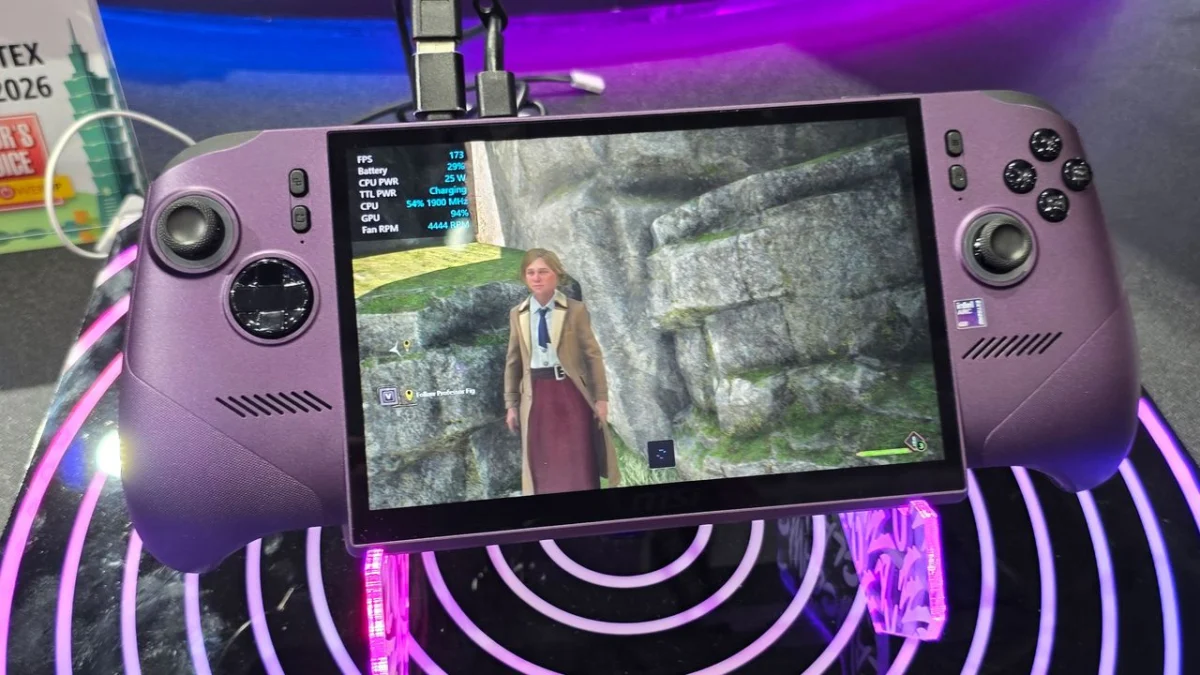
The handheld gaming market, once defined by the accessible, budget-friendly allure of devices like the original Steam Deck, is currently undergoing a painful transformation. As manufacturers push for higher performance, sharper displays, and AI-driven capabilities, the price of entry is skyrocketing. The latest evidence of this shift is the official arrival of the MSI Claw 8 EX AI+, a device that has sparked intense debate over its premium price point—a figure that positions it firmly in the territory of high-end gaming laptops rather than portable consoles.
Main Facts: A Premium Handheld for a Premium Price
MSI officially unveiled the Claw 8 EX AI+ at Computex earlier this year, touting it as a significant evolution in its handheld lineup. However, the sticker shock was immediate when the device appeared on the company’s official web store with a price tag of $1,799. While some retailers like Newegg have listed the unit at a slightly lower $1,699, the baseline cost remains staggering for the handheld form factor.
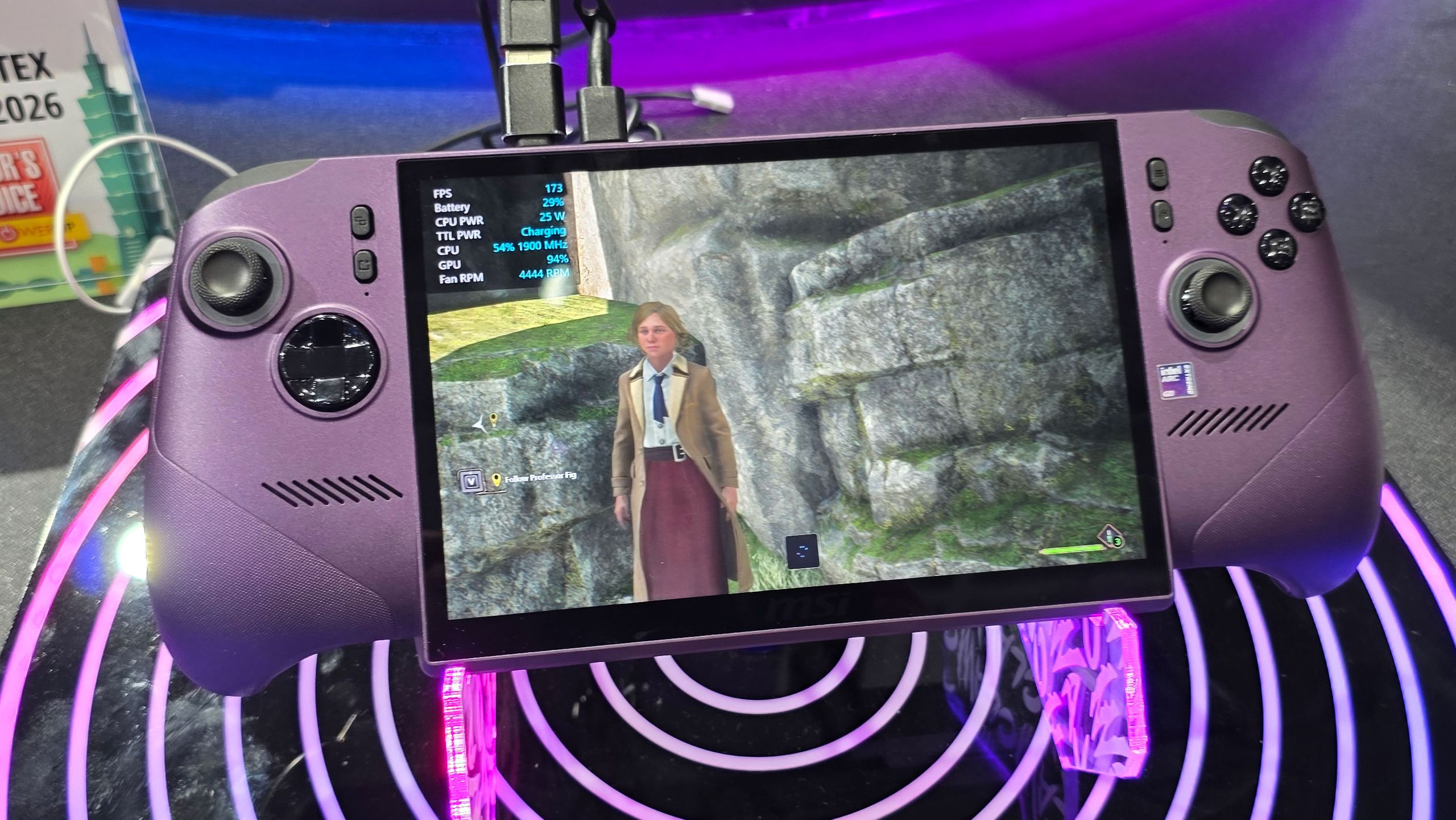
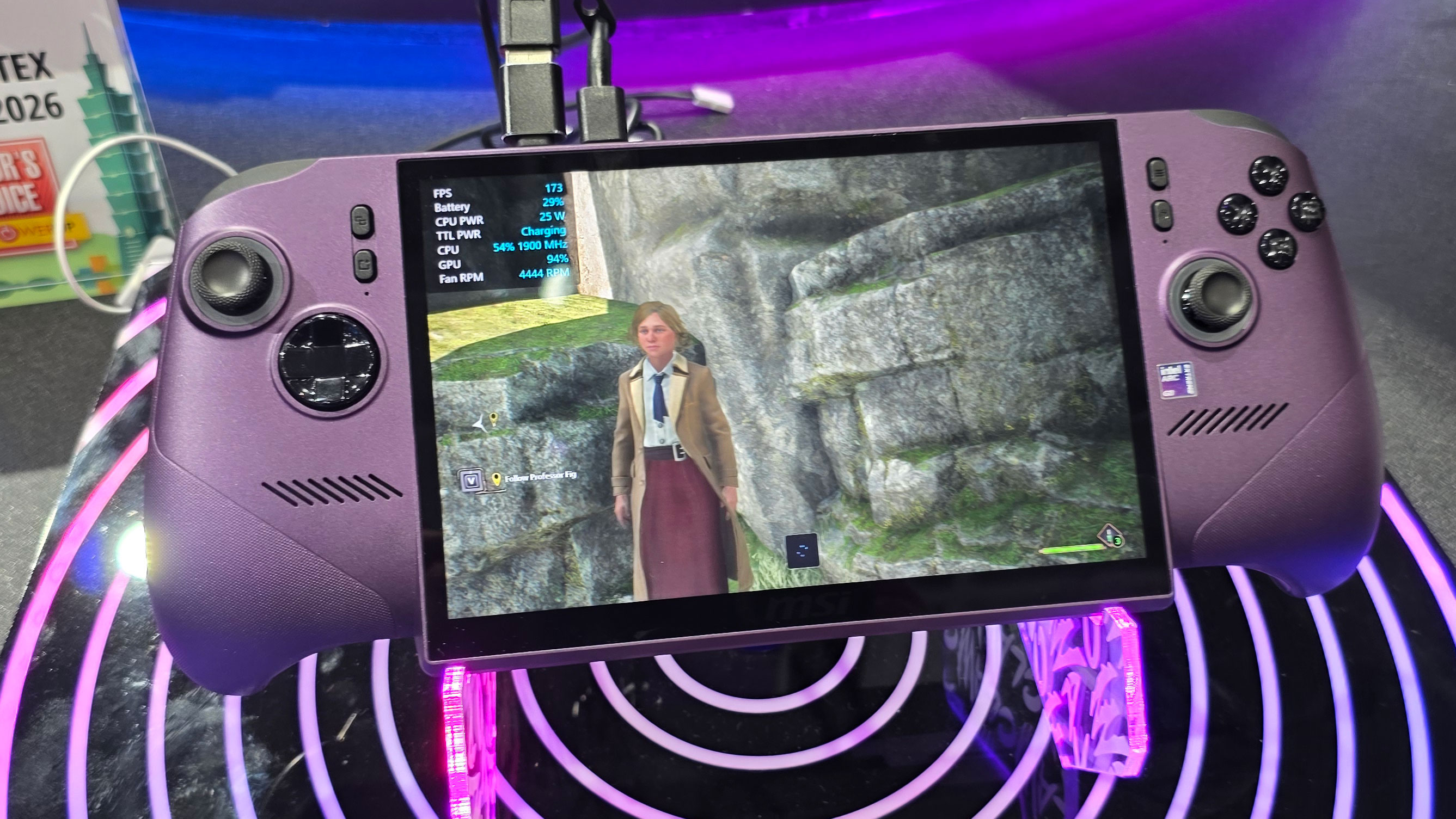
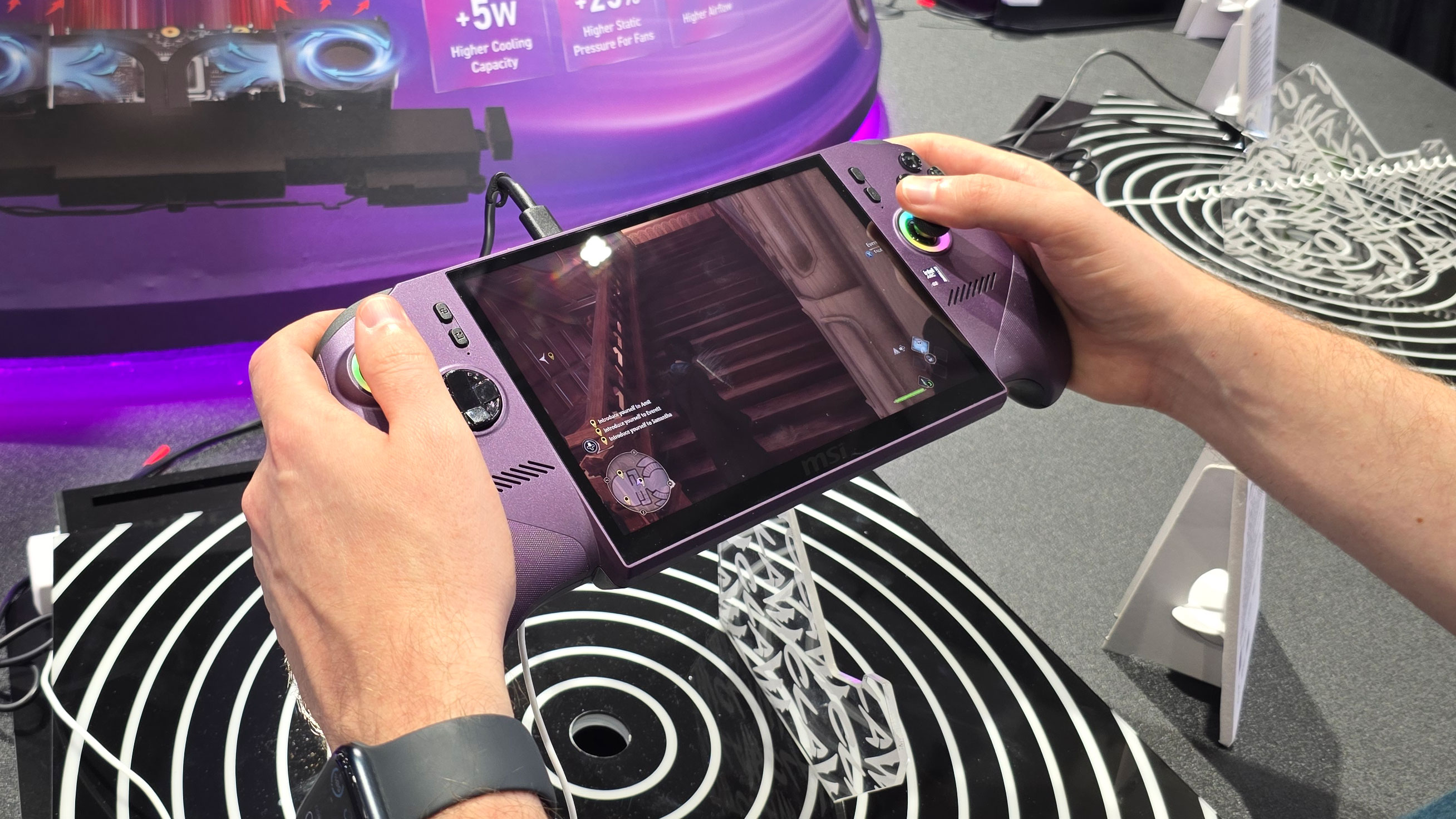
At its heart, the device is powered by Intel’s cutting-edge Arc G3 Extreme APU, paired with the flagship Arc B390 integrated graphics. This is bolstered by 32GB of high-speed LPDDR5X memory, a necessity for modern high-performance tasks but also a significant contributor to the current bill-of-materials (BOM) cost. The device boasts an 8-inch, 120Hz display and improved ergonomic grips, signaling MSI’s attempt to refine the user experience significantly over its predecessor. Yet, as the market digests these specifications, the primary conversation has pivoted from gaming performance to the brutal economics of modern semiconductor manufacturing.
A Chronology of Rising Costs
The trajectory of handheld gaming hardware has been a steady climb toward luxury pricing. When Valve first launched the Steam Deck, it disrupted the industry by offering a functional, capable PC handheld for under $400. That "bastion of affordability" has since seen its own price creep upward as hardware revisions and OLED displays became the industry standard.
The timeline of this inflation is clear:
- The Early Era: Handhelds were niche, focused on low-power, low-cost hardware.
- The Performance Surge: The introduction of the ROG Ally and the original MSI Claw moved the industry toward "console-killer" performance.
- The Component Crunch: Beginning in late 2023 and continuing through 2024, the global shortage of high-density DRAM and NAND flash memory began to bite.
- The Current Reality: As seen with the recent Nintendo Switch 2 pricing leaks—which suggest a hike to $499—and the $949 price tag for a high-end Steam Deck OLED, the "affordable handheld" is effectively a relic of the past.
MSI’s position is particularly difficult. As an OEM, they are at the mercy of component suppliers who are prioritizing hyperscalers—massive data center operators—over consumer electronics manufacturers. When companies like Microsoft, Google, and Amazon buy up production lines to feed the insatiable demand for AI-driven cloud infrastructure, the supply chain for consumer devices suffers, leading to the current $1,700+ reality for the Claw 8 EX AI+.
Supporting Data: Why the Price Is So High
To understand why a handheld device now commands the price of a high-end gaming laptop, one must look at the semiconductor supply chain.
The Memory and Storage Bottleneck
The Claw 8 EX AI+ includes 32GB of LPDDR5X memory. In the current market, memory prices have been on a sharp upward trajectory. Because DRAM and NAND storage are being diverted to satisfy the explosive growth of AI server farms, consumer electronics manufacturers are forced to pay a premium to secure supply.
The "AI Boom" Paradox
There is a profound irony in the current marketing of "AI+" devices. Manufacturers are promoting these devices for their AI capabilities, yet those same AI requirements (such as larger memory pools and advanced NPU integration) are the very factors driving up the cost of the components required to build them. When hyperscalers "annex" production lines, they offer manufacturers fatter profit margins than consumer hardware makers can, leaving MSI and its competitors with limited leverage to negotiate lower prices.
Market Comparison
- ROG Ally X: At $999, the AMD-powered Ryzen Z2 Extreme rival offers a more conventional price point, though it lacks some of the specific architectural advantages or the specific "AI+" branding focus of the MSI unit.
- Strix Halo Handhelds: Reports indicate that forthcoming handhelds equipped with AMD’s Strix Halo silicon may exceed the $2,000 threshold, further normalizing these extreme price points.
- Laptop Alternatives: Consumers are now facing a choice: a handheld that costs $1,799 or a mid-to-high-range gaming laptop with similar or superior thermal overhead and screen real estate for the same price.
Official Responses: MSI’s Defense
Andy Chu, the brand’s product marketing lead, has been transparent about the company’s struggles. In a recent interview, he noted, "It’s a really difficult year for Intel and especially the OEM like us… because we also need to take those cost hikes for those key components like memory and also storage."
MSI maintains that they have exhausted every avenue to reduce costs. "We have tried every approach to get the memory and storage at a lower cost… like deepening the relationship between us and our suppliers… we have done everything we can to make our system as affordable as possible," Chu stated.
Perhaps most concerning for consumers is the executive’s warning that this price point may not be the ceiling. When asked about future pricing, the sentiment was clear: there is "much room for another price hike." This suggests that if the current supply chain tension continues, the $1,799 price tag could look modest by the end of the year.
Implications: The Future of Handheld Gaming
The launch of the MSI Claw 8 EX AI+ signals a fundamental shift in the gaming industry. We are witnessing a bifurcation of the market:
- The Luxury Handheld: Devices like the Claw 8 EX AI+ and upcoming Strix Halo units are moving into the "enthusiast luxury" category. They are no longer mass-market consoles but specialized, high-performance computing devices.
- The Value Decline: As manufacturers are forced to prioritize higher-margin, more expensive components, the entry-level handheld segment may eventually vanish, leaving behind only budget devices with severely compromised performance.
Could Costs Have Been Lower?
Critics have pointed out that while Intel mandates specific memory speeds for the Panther Lake architecture, MSI could have potentially utilized different configurations. A shift to 24GB or even 12GB of RAM, while perhaps reducing the "AI+" efficacy of the device, would have allowed for a more palatable retail price. However, MSI appears to have opted for the "flagship" approach, likely betting that those willing to pay $1,700 for a handheld are not the users looking for entry-level memory configurations.
The Consumer Outlook
For the average gamer, the situation is disheartening. The "spiraling out of control" cost of hardware means that portable gaming is becoming an increasingly expensive hobby. While the MSI Claw 8 EX AI+ is a technically impressive device—offering a high-fidelity, high-refresh-rate experience in a compact form factor—it is effectively a testament to the current state of the global semiconductor economy.
As we look toward the future, the industry faces a sustainability crisis. If major companies like Microsoft are reporting that they expect to pay five times more for components in 2027 than they did two years ago, the "sustainable hardware gap" that CEOs are currently discussing will soon become the primary hurdle for all hardware innovation. For now, the MSI Claw 8 EX AI+ serves as a high-performance, high-cost reminder that the era of inexpensive, cutting-edge portable gaming has reached a difficult, and likely permanent, inflection point.


 Dwi Wanna
 Jia Lissa