Iffa Jayyana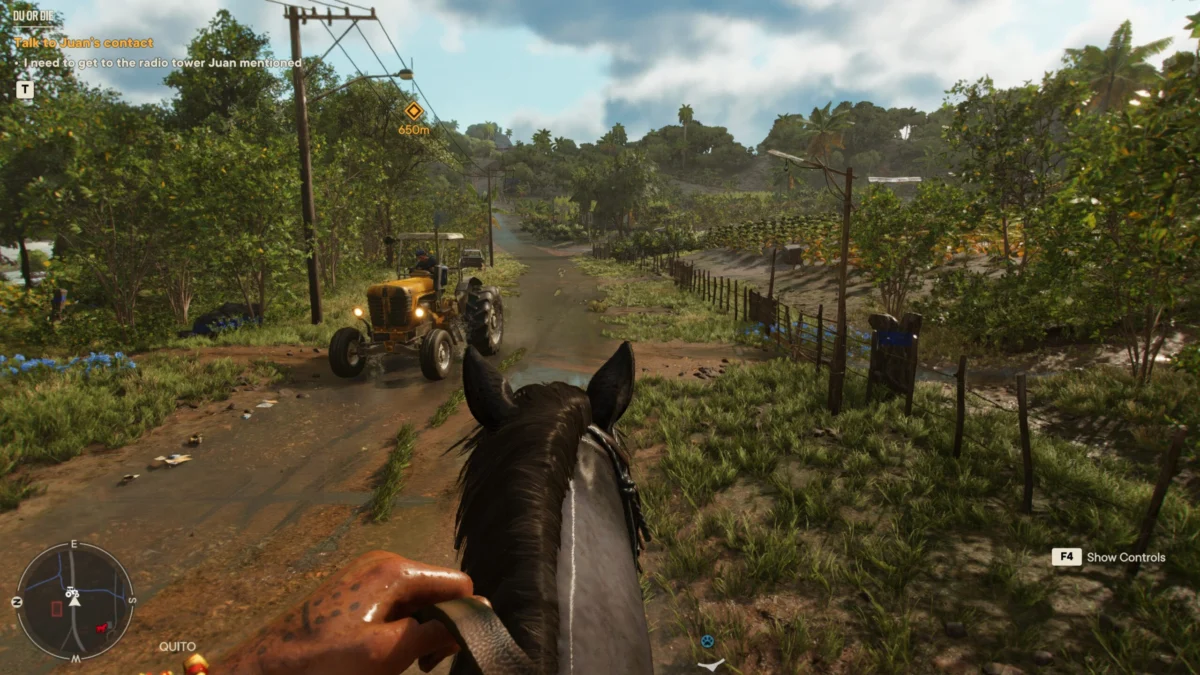
Introduction: A Familiar Battlefield
If one were to distill the Far Cry experience down to its core elements—the smell of gunpowder, the chaotic interference of local wildlife, and the relentless reclamation of map icons—Far Cry 6 would be the definitive iteration of that formula. It is an absurdly large, sprawling open-world shooter that manages to feel both like a significant leap forward and a stubborn exercise in repetition.
While the debate over whether it surpasses its predecessor, Far Cry 5, is a tight contest, Far Cry 6 ultimately emerges as the more refined, albeit deeply conflicted, sibling. It is a game that oscillates between moments of sheer emergent brilliance and the stifling weight of Ubisoft’s design philosophy. For those familiar with the series, the experience is akin to returning to a favorite vacation spot that has been renovated, though the new paint fails to hide the cracks in the foundation.
The Rise and Fall of Anton Castillo: The Narrative Framework
At the center of Far Cry 6 is a performance that anchors the game’s otherwise fluctuating tone: Giancarlo Esposito as Anton Castillo. Best known for his chilling, methodical work in Breaking Bad, Esposito brings a gravitas to the role of the dictator of Yara. He is not a mustache-twirling caricature; he is a man convinced of his own righteousness, ruling an island nation with an iron grip and a cold, calculated sense of purpose.
Players step into the boots of Dani Rojas, an optionally gendered protagonist who transitions from a desperate conscript in the Yaran military to a hardened guerrilla revolutionary. Over the course of a 30-to-50-hour campaign, the player is tasked with toppling Castillo’s regime, province by province.
The Plot’s Labyrinthine Logic
The narrative, however, is where the game begins to buckle under its own weight. The central conceit—that a revolutionary "cancer-curing" tobacco requires a toxic, ecologically devastating fertilizer to grow—is a plot point that struggles to justify the sheer scale of the ensuing carnage. It is a tale that tries to walk a razor-thin line between a gritty, somber meditation on the cost of revolution and a slapstick, high-octane action romp. Often, the game finds itself tied in knots, failing to commit to either. It is perhaps the least compelling narrative in the franchise, yet it serves its purpose: it provides a reason to dismantle the military infrastructure of Yara’s three primary provinces.
Chronology of the Guerrilla Struggle
The structure of Far Cry 6 is a familiar loop of systematic destabilization. The game progresses as the player works to undermine Castillo’s three top lieutenants. The methodology is consistent:
- Intelligence Gathering: Discovering the locations of military checkpoints and outposts.
- Sabotage: Clearing road checkpoints, destroying anti-aircraft installations to unlock aerial traversal, and neutralizing military propaganda.
- Unification: Completing narrative-driven quests to unite fragmented guerrilla cells, turning a disorganized resistance into a national force.
- The Confrontation: Engaging the regional lieutenants in high-stakes encounters that serve as the climax for each major sector of the map.
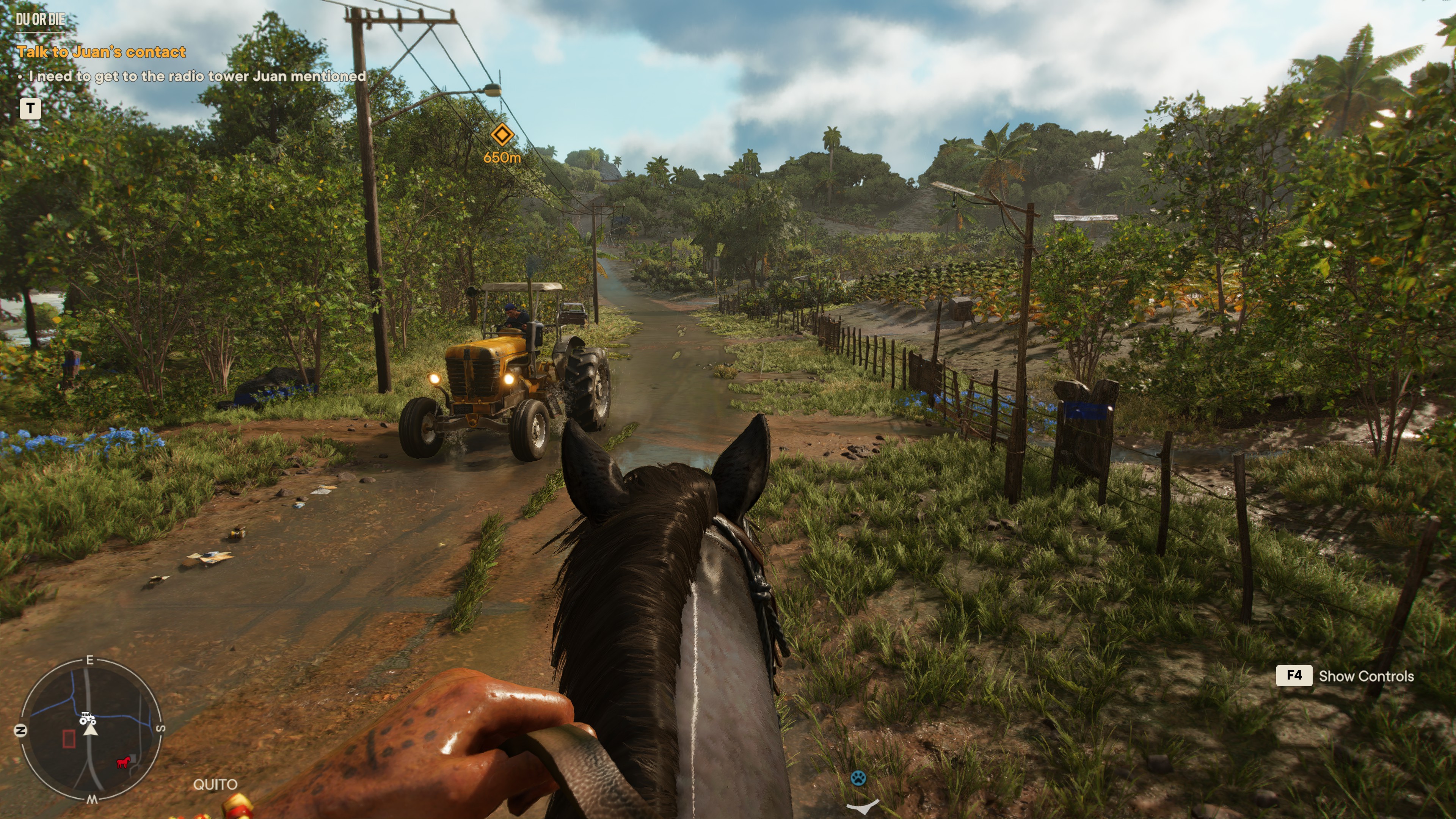
This cycle is supported by the introduction of guerrilla footpaths—winding, blue-flower-marked tracks that allow players to traverse the island under the cover of the jungle. These paths represent a refreshing shift in traversal, encouraging the use of grappling hooks, first-person platforming, and horseback riding rather than relying solely on vehicles.
Mechanics: The Good, The Bad, and The "Supremo"
The "guerrilla" theme is meant to define the gameplay, yet the execution is a mixed bag of innovation and frustration.
The Holster Mechanic
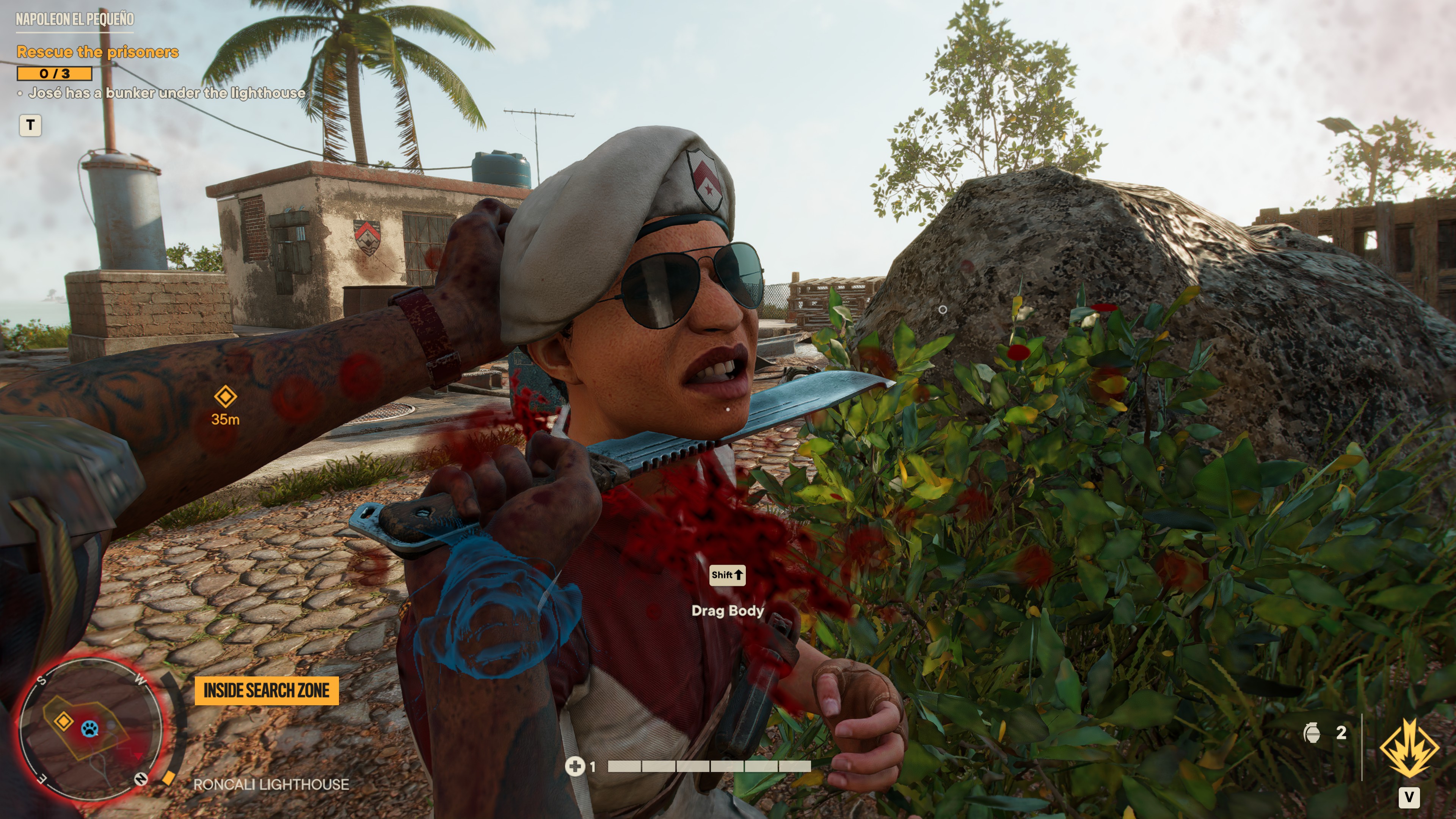
Ubisoft has introduced a system where players can holster their weapons to walk freely through towns. While this is a tactical advantage—allowing the player to infiltrate checkpoints undetected and initiate combat on their own terms—it inadvertently breaks the tension of being a guerrilla fighter. The sense of constant danger is replaced by a "stop-and-go" combat style that feels slightly detached from the narrative’s focus on survival.
The Resolver and Supremo Systems
Perhaps the most polarizing additions are the "Resolver" and "Supremo" weapons.
- Resolver Weapons: Crafted by the eccentric Juan Cortez, these are meant to be makeshift tools of war. While a nailgun or a repurposed flamethrower fits the theme, the inclusion of a compact disc launcher or a metal-spike thrower feels overly whimsical, clashing with the "authentic" aesthetic of the Yaran environment.
- Supremo Backpacks: These are, for lack of a better term, "win buttons." These weaponized backpacks provide devastating, superpowered abilities, such as auto-targeting rocket barrages or rings of fire. They feel ripped from a high-fantasy hero shooter like Destiny and sit uncomfortably within the grounded, gritty roots of the Far Cry series, often trivializing the tactical preparation required for difficult encounters.
Supporting Data: The Power of Dynamic Systems
Despite the gripes regarding new mechanics, Far Cry 6 remains a masterclass in dynamic, systemic game design. When the "Supremo" backpacks are left in the gear locker and the player leans into the standard weapon pool—which features a highly modular system for custom armor-piercing, sniper, and incendiary setups—the game shines.
The true magic of Far Cry 6 lies in its unpredictability. Consider a scenario where a mission to destroy poisonous fertilizer planes goes awry. The player is forced to pivot: the stealth approach fails, the military air support arrives, and suddenly, the player is dogfighting in a stolen plane before crashing it into a fuel depot. This is the "emergent gameplay" that the series is famous for.
Even smaller interactions possess a comedic, if dark, charm. The game’s wildlife and AI systems often intersect in ways that defy scripting. An animal companion like Guapo the crocodile might be intercepted by wild dogs, causing a guard to flee in terror, only for a hostage to be accidentally run over by a civilian vehicle. It is these chaotic, unscripted moments that make the vast map of Yara feel alive, even if the map itself is littered with an overwhelming number of icons.
Implications for the Series
What does Far Cry 6 mean for the future of the franchise? It represents a crossroads. Ubisoft is clearly aware that the "formula" is wearing thin, hence the attempts to add "Resolver" gadgets and guerrilla traversal. However, the game also shows that the developer is hesitant to abandon the comfort of the Far Cry 5 architecture.
The inclusion of these disparate systems—the serious tone of the story versus the goofy weaponry, the realistic jungle traversal versus the arcade-like "Supremo" powers—suggests a franchise struggling to define its identity in a post-open-world saturation market.
Final Verdict
For the player, Far Cry 6 is a game that can be actively despised in its design choices, yet it remains undeniably addictive. It is a game of extremes: you will be frustrated by the bloated map and the nonsensical crafting systems, but you will also find yourself losing hours to the thrill of a firefight that spins wildly out of control in the most satisfying way possible.
If given the choice between the previous iteration and this one, Far Cry 6 is the superior product, not because it reinvents the wheel, but because it spins it with more confidence and more dynamic flair. It is not a masterpiece, but it is a highly polished, deeply flawed, and frequently brilliant experience that proves that, despite all the noise, the Far Cry formula still has a heartbeat.

 Dwi Wanna
 Jia Lissa