Basiran
In the pantheon of 20th-century American cinema, few figures cast as long a shadow as Clint Eastwood and Charles Bronson. Eastwood, the squinting, laconic embodiment of the American West, and Bronson, the granite-faced, hard-hitting avatar of blue-collar vengeance, represent two distinct archetypes of masculinity. Their filmographies are littered with iconic performances—from the Spaghetti Westerns of Sergio Leone to the grit of Dirty Harry, and from the visceral intensity of The Magnificent Seven to the urban warfare of Death Wish.
Yet, despite their overlapping careers, their similar trajectories through the Western genre, and their shared association with legendary directors, these two titans of the silver screen crossed paths in a scripted capacity exactly once. That collision occurred not on the big screen, but in the waning days of CBS’s long-running television staple, Rawhide.
The Genesis of an Icon: Clint Eastwood and the Trail of ‘Rawhide’
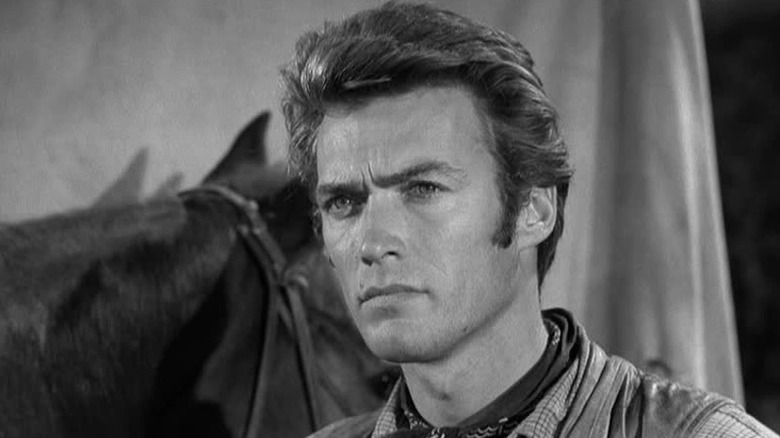
To understand the weight of this meeting, one must first look at the landscape of the early 1960s. Before he was the director of Unforgiven or the face of Harry Callahan, Clint Eastwood was Rowdy Yates, the second-in-command of a cattle drive in Rawhide.
Rawhide was a juggernaut of the era, running for eight seasons and totaling 217 episodes. It was a production that relied on grueling shooting schedules and the art of "cowboy craft." For Eastwood, the show was a transformative laboratory. He spent years in the saddle, learning the nuances of character movement, the rhythm of dialogue, and, crucially, the mechanics of filmmaking from behind the scenes. The show’s formula was predictable but effective: the drovers, led by Eric Fleming’s Gil Favor and Eastwood’s Rowdy Yates, would traverse the American landscape, inevitably stumbling into the problems of local townsfolk or isolated homesteaders.
While Eastwood would eventually transcend the limitations of episodic television to become a cinematic auteur, Rawhide provided the foundational training that would serve him for decades. By the time the show reached its 214th episode, titled "Duel at Daybreak," the industry was already beginning to recognize that Eastwood possessed a gravity that surpassed the constraints of a weekly Western.
Chronology: The Road to ‘Duel at Daybreak’
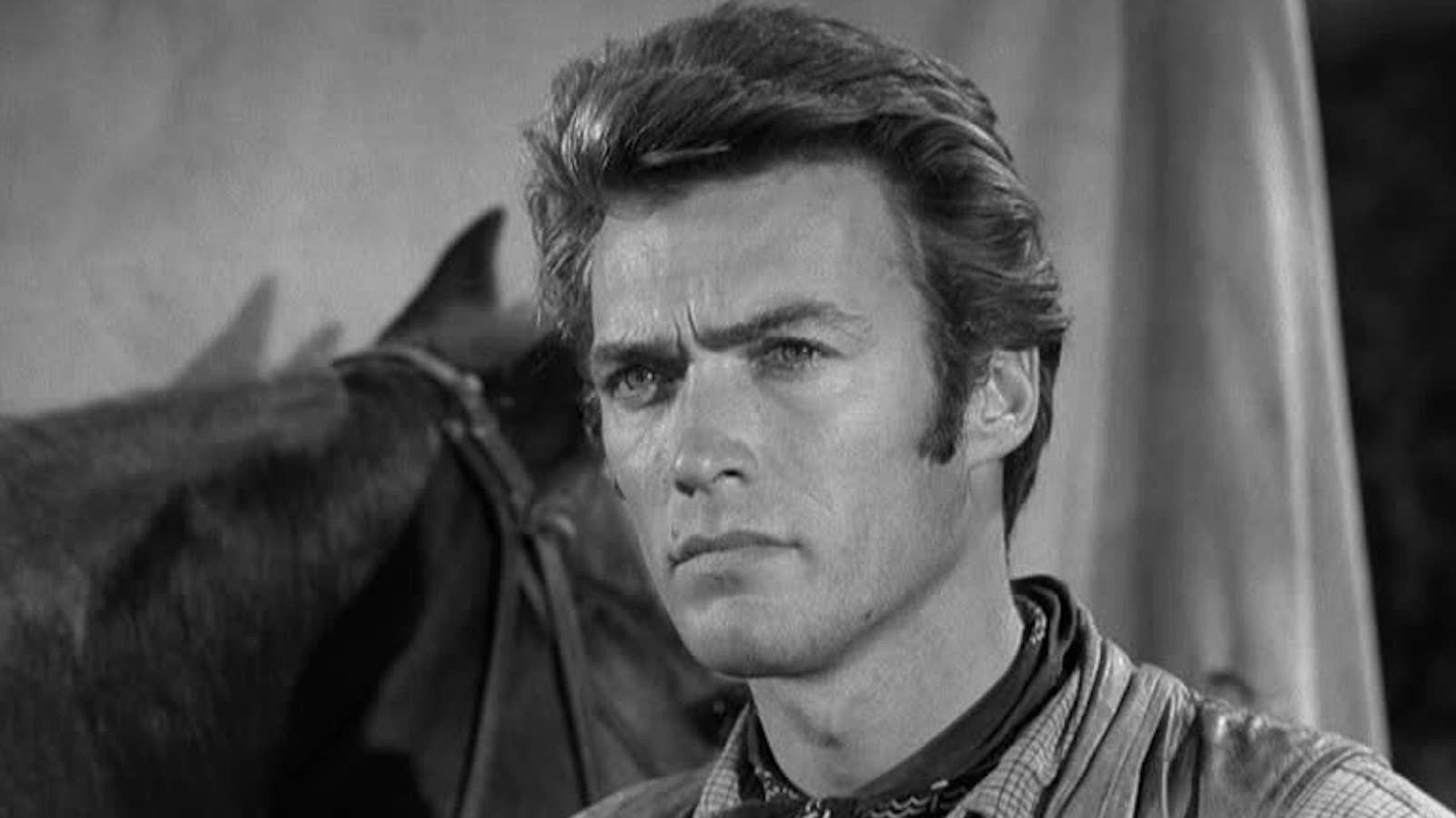
"Duel at Daybreak," which aired in the final season of the series, serves as a fascinating historical footnote. By 1965, Charles Bronson was already a veteran of the screen, though he had not yet reached the stratospheric heights of his 1970s Death Wish fame.
Bronson’s trajectory was markedly different from Eastwood’s. He had served in the military before transitioning into acting, often cast in roles that highlighted his rugged, unconventional appearance. By the mid-50s, he had made a splash in films like Machine-Gun Kelly, establishing a reputation as a man who could command attention with minimal dialogue.
When Bronson stepped onto the set of Rawhide for his guest appearance as Del Lingman, he brought with him a level of intensity that matched the show’s escalating stakes. The narrative of "Duel at Daybreak" follows a classic Western trope: Rowdy Yates arrives at a ranch to deliver cattle, only to find the operation under the thumb of a sadistic "top hand" played by Bronson. Lingman, a character defined by cruelty and intimidation, bullies a young drover who has developed a romantic interest in the rancher’s daughter. The tension builds to a predictable, yet emotionally charged, standoff.
While the audience of 1965 might have hoped for an epic shootout between the two future icons, the script utilized them in a more grounded, interpersonal conflict. The episode remains a testament to the "guest star" culture of the 1960s, where future legends often honed their craft by cycling through the most popular series of the day.
Supporting Data: The Anatomy of a Television Legend
Rawhide was not merely a show about cattle; it was a socio-cultural phenomenon that defined the "Western" genre for millions of post-war Americans.
- Production Longevity: Spanning from 1959 to 1966, the show captured the tail end of the Western’s dominance in American pop culture.
- The Eastwood Factor: Eastwood appeared in every single episode of the series, a level of consistency that allowed him to refine his "man with no name" persona long before he met Sergio Leone.
- The Bronson Factor: Charles Bronson’s filmography in the 1960s was remarkably eclectic. During the same period he appeared on Rawhide, he was also filming The Magnificent Seven, The Great Escape, and The Dirty Dozen. His appearance on the CBS series was a brief stopover in a decade defined by high-stakes ensemble work.
The lack of further collaborations is a historical oddity, but it speaks to the divergent paths the two actors took. Eastwood moved toward minimalist, philosophical Westerns and character-driven crime dramas, while Bronson became the primary face of the "urban vigilante" sub-genre, particularly through his collaboration with director Michael Winner.
Official Industry Perspectives and Implications
Critics and historians often point to the "Duel at Daybreak" episode as a missed opportunity for a grander cinematic partnership. In the years following, the industry landscape shifted. By the 1970s, Eastwood was arguably the most powerful actor-director in Hollywood, and Bronson was an international superstar, particularly in Europe.
Why did they never work together again? There are no documented feuds or professional animosities that kept them apart. Rather, it appears to be a case of professional trajectory and scheduling. Eastwood was focused on building his own production entity, Malpaso Productions, which prioritized his specific vision for cinema. Bronson was equally focused on maintaining his brand as an invincible, often stoic, force of nature.
The implication of their brief overlap in Rawhide is the realization of how interconnected the "Golden Age" of Hollywood really was. Actors were not yet sequestered in their own blockbuster bubbles; they were part of a rotating repertory of talent that cycled through the same soundstages and backlots.
Legacy: The Echoes of a Singular Moment
When fans revisit "Duel at Daybreak" today, they aren’t just watching a standard episode of a 60-year-old Western; they are witnessing a temporal anomaly. It is a moment where the "Rowdy Yates" era of Clint Eastwood and the pre-superstardom era of Charles Bronson briefly held space in the same frame.
The episode functions as a time capsule. For Eastwood, it represents the final chapters of his apprenticeship. For Bronson, it captures the raw, predatory energy that would define his later career. Their interaction in the episode—though not the climactic duel audiences might dream of—carries the weight of two legends whose work would eventually define the masculine ideal in American film.
In an era where modern franchises obsessively map out shared universes and crossovers, the simplicity of this encounter stands out. It was a one-off performance, a brief meeting of two men who were destined to be the pillars of their respective cinematic worlds, captured on celluloid in the dusty, black-and-white landscape of the American West.
For those looking to study the evolution of the Western hero, "Duel at Daybreak" is mandatory viewing. It is a reminder that even the biggest stars once had to earn their spurs, one episode of Rawhide at a time. While they never shared the screen again, the singular episode they did make remains a quintessential piece of television history, proving that even the most formidable forces in Hollywood once stood on the same trail, headed toward their own, separate, and legendary destinies.

 Ammar Sabilarrohman
 Asro
Asro