Evan Lee Salim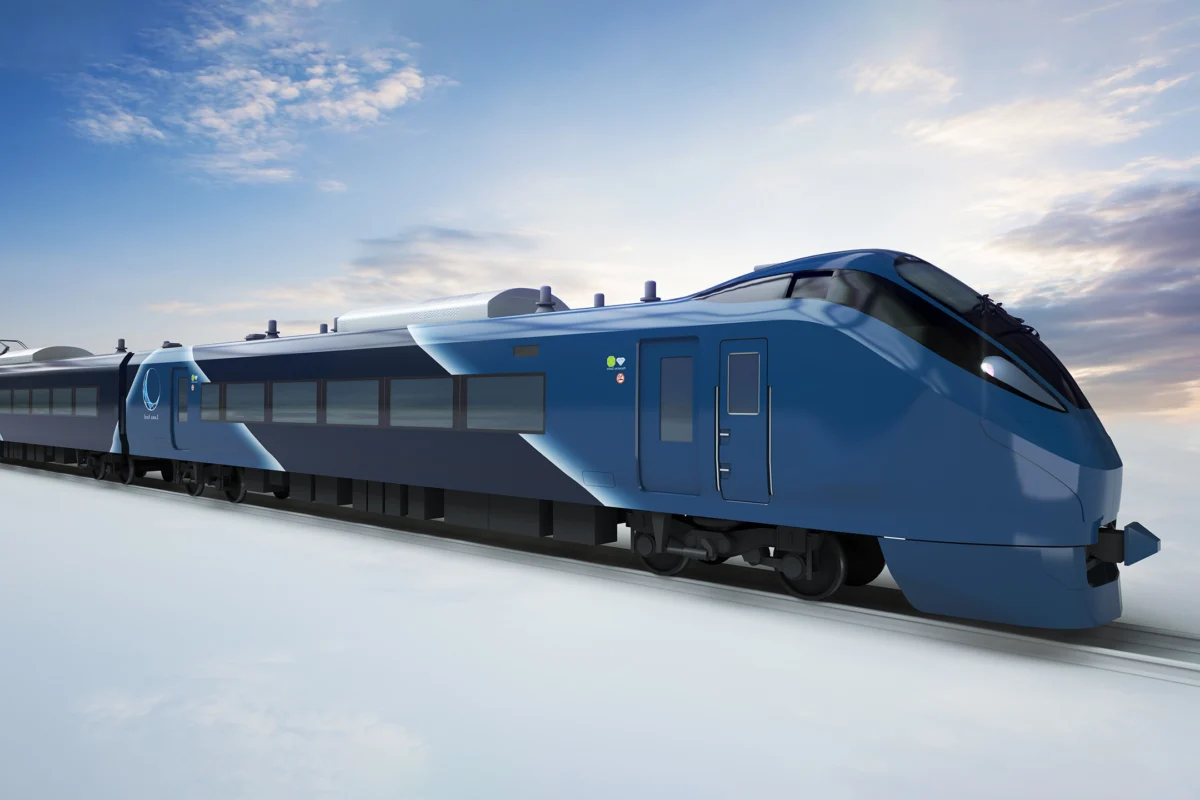
In an era defined by the relentless pursuit of speed, where Japan’s iconic Shinkansen bullet trains shave minutes off transcontinental journeys, a counter-movement is quietly gathering momentum. The focus is shifting from "getting there" to "being there." Recognizing a growing appetite for slow travel and immersive experiences, JR East has announced the upcoming launch of the Luna Azul, a bespoke sightseeing train set to debut in 2027. More than a mere mode of transport, the Luna Azul is designed as a sanctuary on wheels, aiming to revive the fading nostalgia of the overnight sleeper train for a modern generation.
The Vision: A "Blue Moon" Over the Japanese Landscape
The name Luna Azul—Spanish for "Blue Moon"—evokes a sense of rarity, mystery, and elegance. The concept is rooted in the philosophy that a journey should be as enchanting as the destination. As high-speed rail has rendered many traditional long-distance sleeper services obsolete, JR East has identified a niche for high-end, experiential travel that prioritizes comfort, atmosphere, and the unfolding scenery.
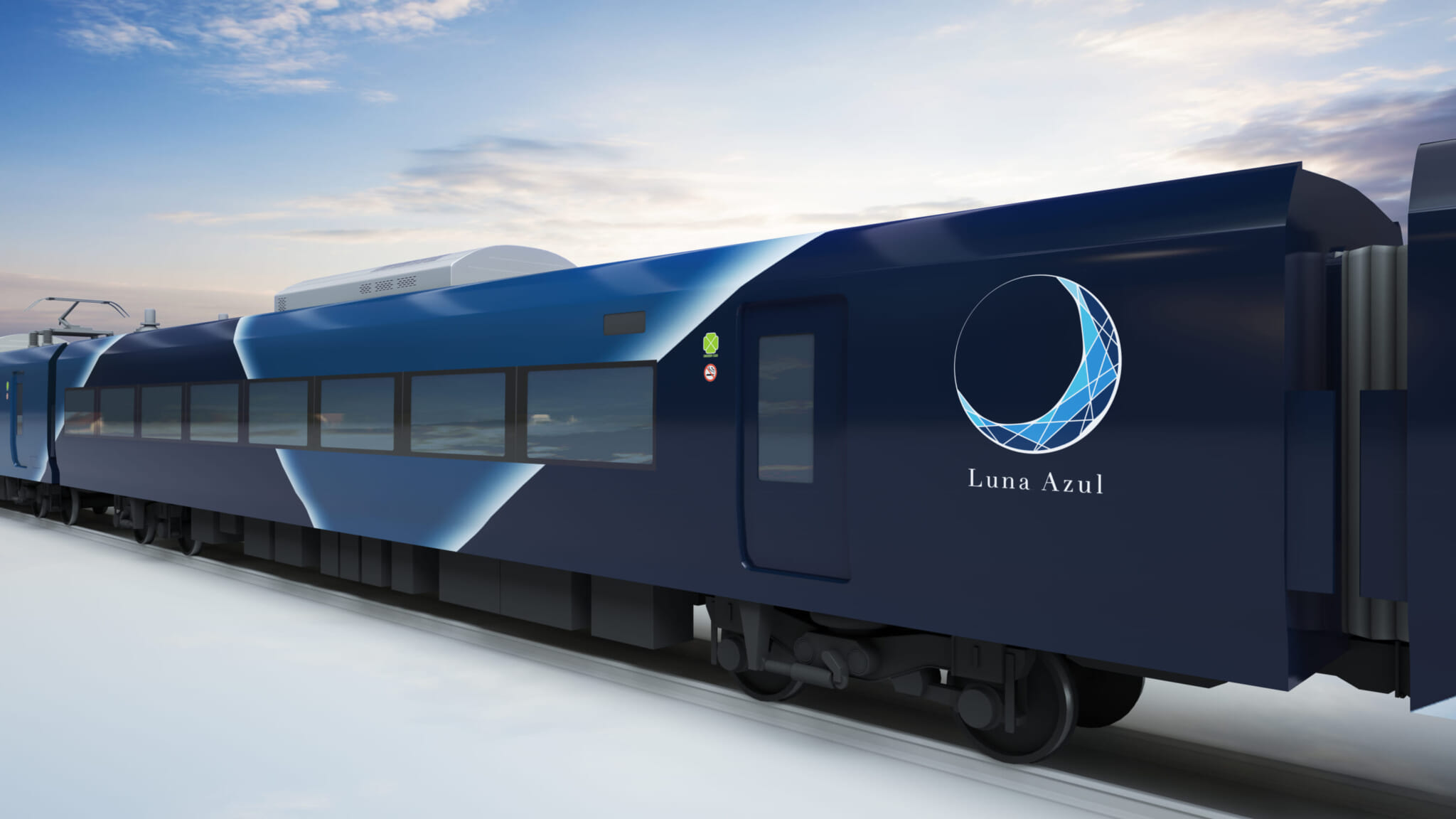
The 10-car train is a masterclass in modern railway hospitality. With a capacity capped at 125 passengers, the focus remains strictly on exclusivity. Every carriage is designated as either "Green Car" or "Premium Green Car" class, ensuring that the luxury experience is not a privilege for the few, but the standard for all who step aboard. The design language of the interior is meant to mirror the serenity of the night, featuring ambient lighting, plush furnishings, and expansive windows that serve as a frame for the shifting tapestry of the Japanese countryside.
Chronology of the Journey: From Concept to Tracks
The project represents a multi-year development cycle for JR East, reflecting a significant investment in the future of Japanese tourism.
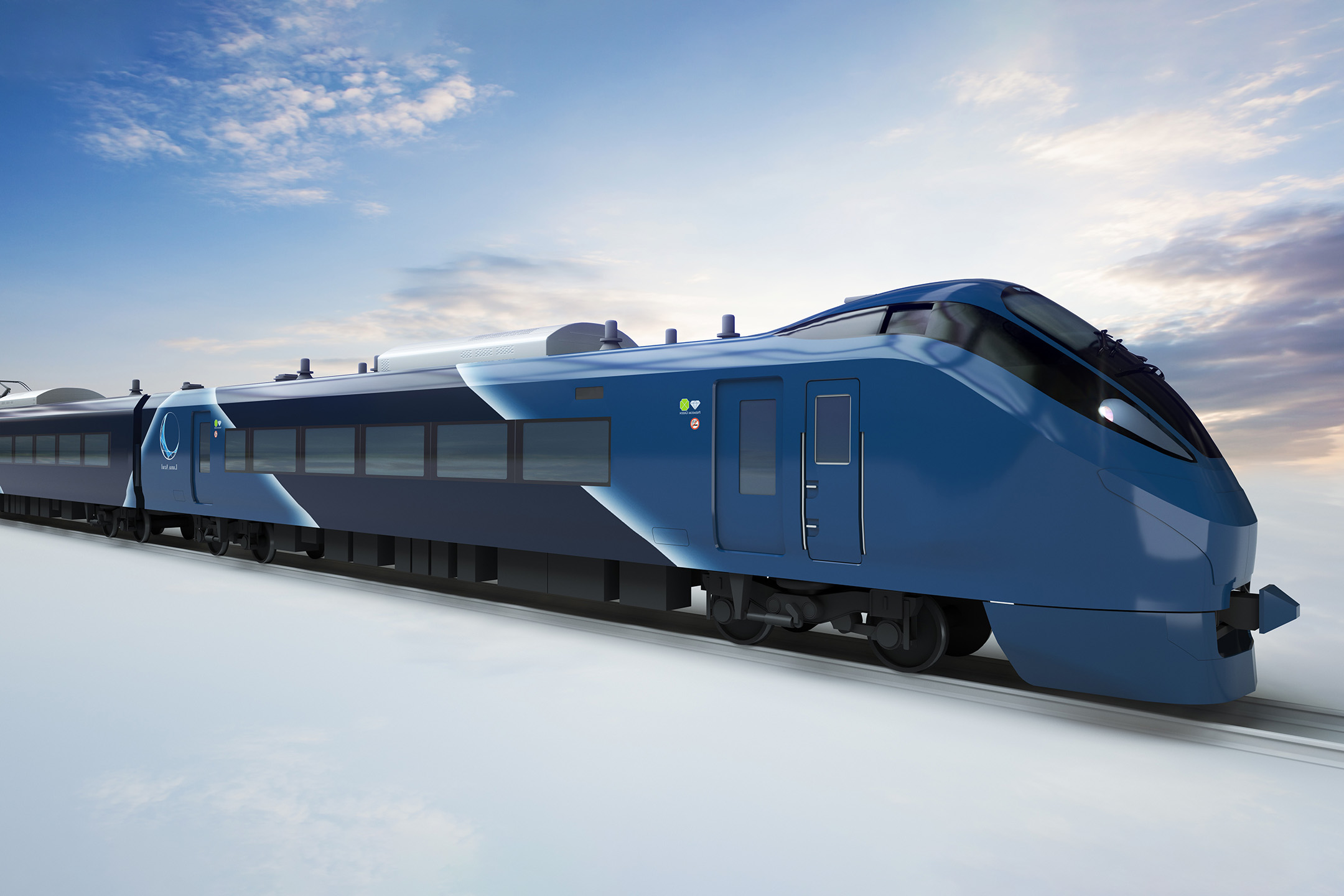
- 2026: The official unveiling of the Luna Azul project occurs in mid-year, signaling a pivot in JR East’s strategic focus toward the "slow travel" sector. The announcement highlights the importance of the Tohoku and Kanto regions in the initial rollout.
- 2027 (Scheduled Debut): The train is slated to commence operations. The inaugural year will serve as a proof-of-concept for the dual-season model, rotating between the overnight Tohoku route and the winter Kusatsu Onsen route.
- Beyond 2027: While specific plans remain under wraps, JR East has confirmed that the Luna Azul is intended to be a platform for expansion. Depending on the success of the initial routes, the operator plans to explore additional corridors, potentially opening up other historically significant but less-traveled rail lines to high-end sightseeing.
The Seasonal Itineraries
The Luna Azul is designed to evolve with the changing seasons of Japan, offering two distinct, curated experiences.
The Northern Odyssey: Tokyo to Aomori
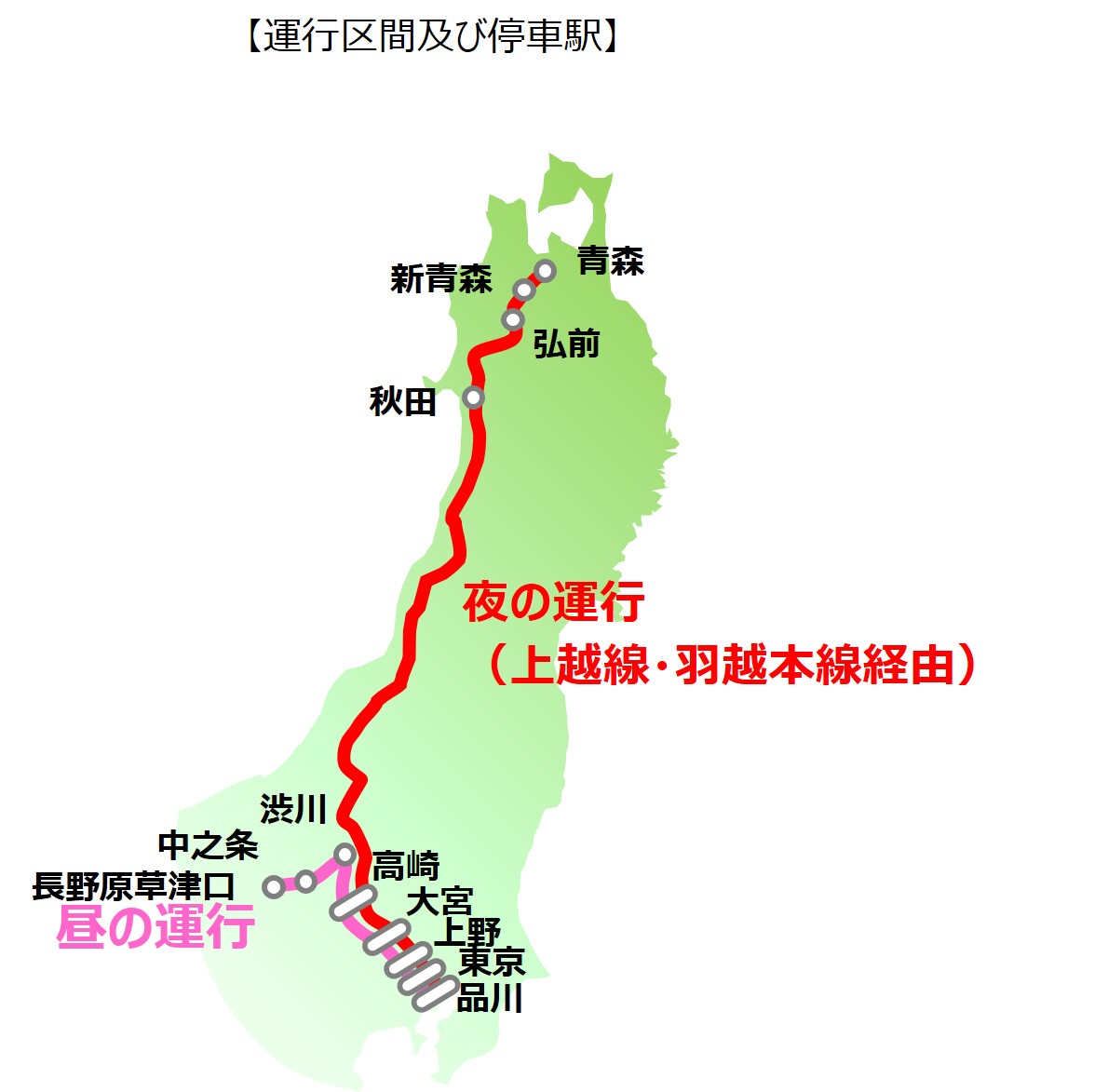
During the vibrant months of spring and autumn, the Luna Azul will operate as a true overnight sleeper. Departing from Tokyo’s Shinagawa Station at approximately 9:00 p.m., the train embarks on a 12-to-15-hour odyssey through the heart of the Tohoku region. Traversing the Joetsu and Uetsu Main lines, the train serves as a mobile hotel.
Passengers awake to the rugged beauty of northern Japan, arriving in Aomori at 9:30 a.m. the following morning. By choosing this route, travelers bypass the frantic pace of the morning commute, instead waking up to the mist-covered valleys and coastal views of the Tohoku region. Key stops include Ueno, Omiya, Takasaki, Akita, and Hirosaki, providing a comprehensive tour of the region’s diverse geography.
The Winter Escape: Tokyo to Kusatsu Onsen
As winter blankets the Kanto region in snow, the Luna Azul transitions to a daytime service. This route, departing Shinagawa at 10:00 a.m. and arriving at Naganohara-Kusatsuguchi at 12:30 p.m., is a testament to the allure of winter in Gunma Prefecture. Passengers are treated to panoramic views of snow-dusted mountains and forests, culminating in arrival at the gateway to Kusatsu Onsen, one of Japan’s most storied and revered hot spring destinations. With six round trips per week, the service caters to both weekend getaways and mid-week retreats.
Supporting Data: Engineering Comfort
The Luna Azul is not just about the route; it is about the living space. The dimensions of the cabins are engineered to provide maximum personal comfort, a rarity in modern travel.
- Capacity: 125 passengers across 10 cars.
- Compartment Versatility: Private cabins range from 90 x 195 centimeters for solo travelers to 325 x 195 centimeters for groups of four. These configurations ensure that whether one is traveling alone or with family, the feeling of confinement—common in standard rail travel—is entirely absent.
- The Luna Vista Lounge: Located in Car 5, this social hub is the heart of the train. It will serve as a curated space for regional beverages and snacks, facilitating interaction among passengers while offering an unobstructed view of the passing terrain.
Official Responses and Strategic Implications
JR East’s decision to launch the Luna Azul is indicative of a broader trend in the global travel industry: the "experience economy." By moving away from the commodity-style travel that defines the commuter rail sector, JR East is positioning itself as a leader in "luxury rail tourism."
Industry analysts point out that this move serves two strategic purposes. First, it revitalizes aging rail lines that have seen reduced traffic due to the efficiency of the Shinkansen. By turning the journey into a destination, JR East can drive demand for routes that might otherwise be underutilized. Second, it aligns with Japan’s post-pandemic tourism strategy, which aims to disperse visitors beyond the "Golden Route" (Tokyo-Kyoto-Osaka) and into the rural prefectures of Tohoku and Gunma.
"The Luna Azul is a response to the traveler who finds the bullet train too fast and the airplane too detached," says a spokesperson for the rail operator. "We are inviting our passengers to reclaim the time they spend in transit, transforming it from a logistical necessity into the highlight of their holiday."
The Economic and Cultural Impact
The launch of this train will likely have a cascading effect on the local economies along the route. By bringing high-spending, luxury-oriented travelers to areas like Akita and Naganohara-Kusatsuguchi, the Luna Azul acts as an economic catalyst. Small-scale artisanal producers, local craft shops, and regional culinary hotspots are expected to benefit from the steady influx of visitors who are traveling specifically for the journey’s pace.
Furthermore, the shift toward package-based ticketing—rather than simple fare-based travel—suggests that JR East is moving toward a vertically integrated tourism model. By partnering with local ryokans, tour guides, and regional tourism boards, the Luna Azul will function as a gateway to authentic, curated Japanese experiences that are difficult to access via traditional transport.
Conclusion: A New Era of Rail Travel
As the debut date for the Luna Azul approaches, the anticipation among rail enthusiasts and luxury travelers is palpable. By blending the aesthetic beauty of a bygone era with the comfort and technological standards of the 21st century, JR East is effectively bridging the gap between Japan’s past and its future.
The Luna Azul reminds us that travel is not just about the destination; it is about the quiet moments spent watching the world go by, the comfort of a private space, and the rhythmic sound of the rails beneath us. As we look toward 2027, the Luna Azul stands as a beacon for those who believe that the best journeys are the ones that take their time. Whether one is traversing the autumn leaves of Tohoku or the winter snows of Gunma, the Luna Azul promises a voyage into the heart of the Japanese landscape—one that will surely be remembered long after the train pulls into the station.


 Neng Nana
 Asro
Asro