Ali Ikhwan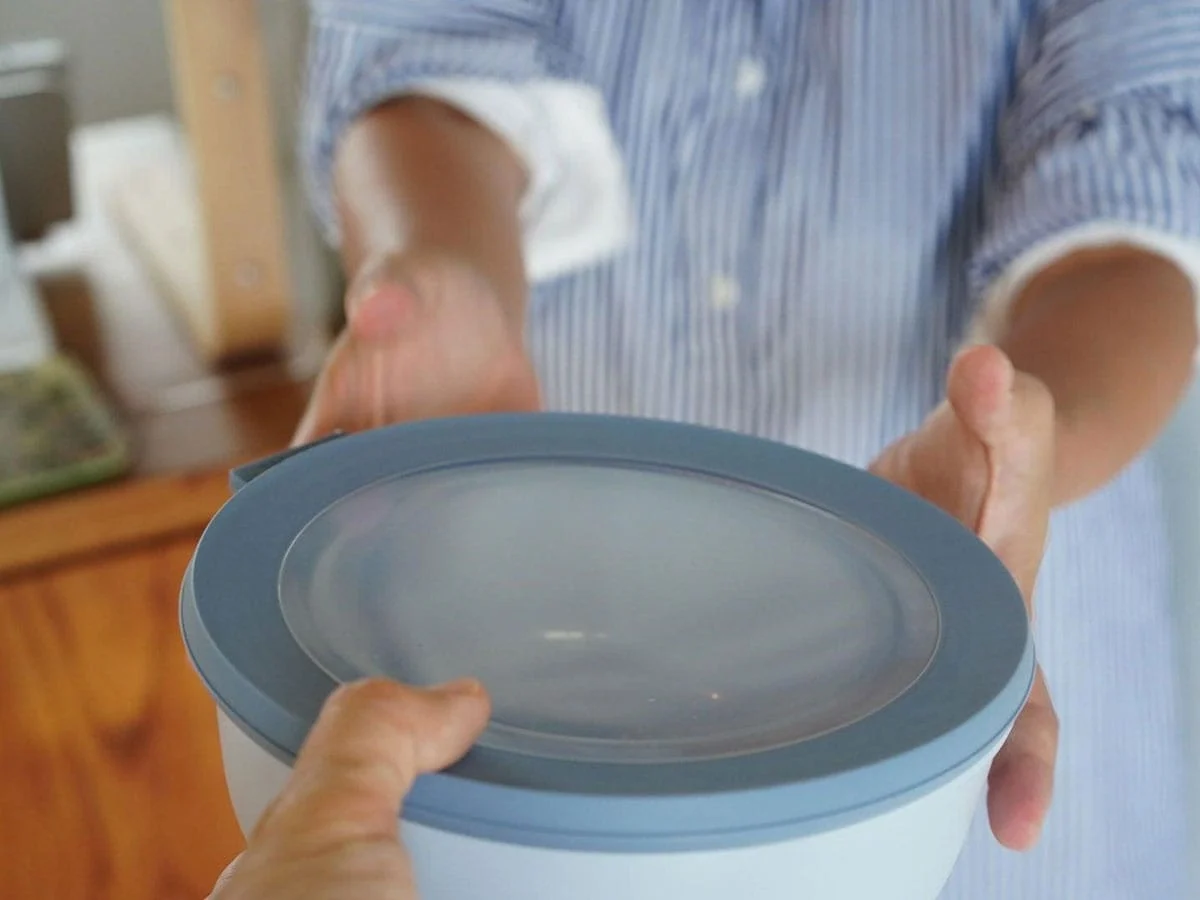
Shibuya, Tokyo’s pulsating heart of youth culture, neon-lit nightlife, and relentless culinary innovation, is known for many things—but until recently, "sustainability" was not at the top of the list. As one of the world’s most densely populated urban centers, Shibuya generates massive amounts of waste, particularly from the explosion of takeout and delivery services that became a way of life during the pandemic. However, a transformative pilot program is currently challenging the "take-make-waste" culture of the district.
The introduction of the Megloo service represents a concerted effort to shift the paradigm of urban dining. By replacing single-use plastic and paper containers with durable, multi-use alternatives, this initiative aims to turn Shibuya into a laboratory for circular-economy solutions.
Main Facts: The Megloo Mechanism
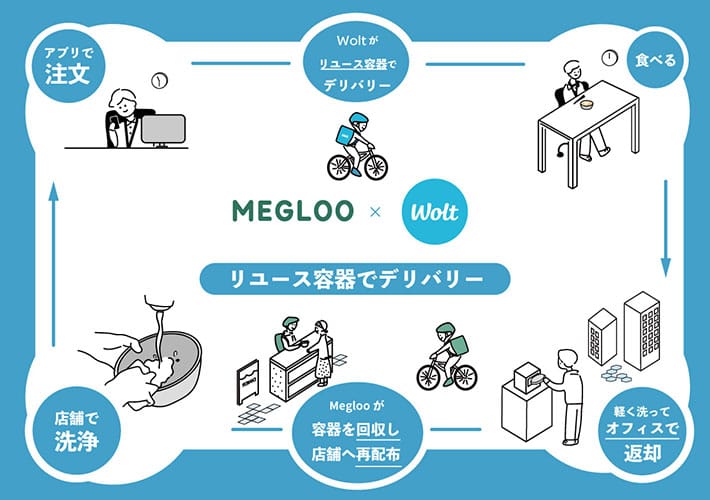
At its core, Megloo is a logistical solution to a systemic environmental problem. Operated by Kaman Co., Ltd., the service facilitates a "circular cycle" for food packaging. Unlike traditional takeout, where the container is discarded immediately after consumption, the Megloo model functions as a closed-loop system:
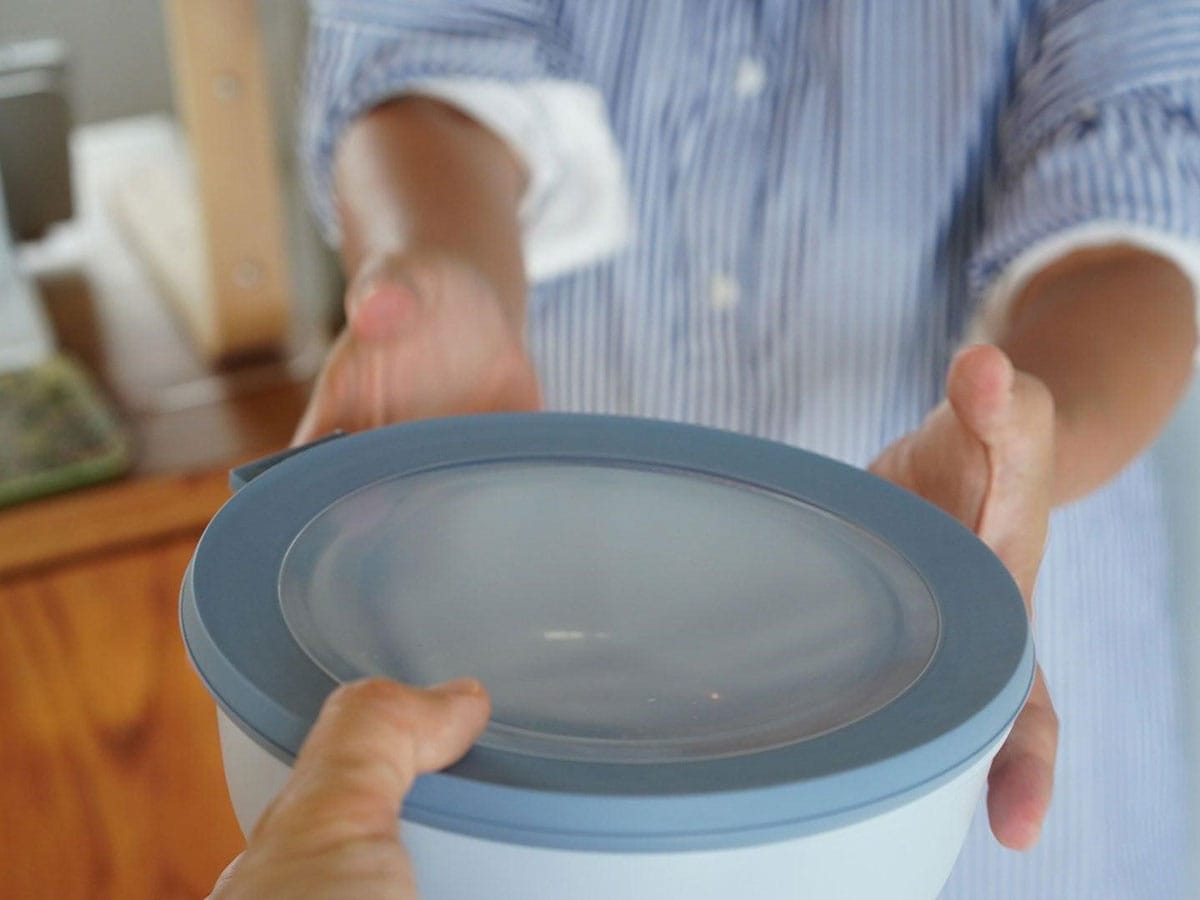
- Distribution: Customers order food from participating eateries and receive their meals in specialized, high-quality, reusable Megloo containers.
- Consumption & Rinse: After enjoying their meal, customers are asked to perform a simple "light rinse" of the container to prevent residue build-up.
- The Return: The containers are deposited into designated, branded Megloo collection boxes located at strategic points throughout the Shibuya area.
- Sanitization & Re-circulation: Megloo collects the used containers, which are then returned to the restaurants for professional, high-temperature industrial cleaning, making them ready for the next customer.
This pilot project, which ran from January 24th to February 23rd, 2023, involved 19 brick-and-mortar restaurants and five specialized food trucks. By partnering with food truck operator Workstore Tokyo Do and the delivery giant Wolt Japan, the program tested the feasibility of integrating reusable containers into both walk-up takeout and high-speed delivery ecosystems.
Chronology: A Month of Sustainable Innovation
The implementation of the pilot was a carefully orchestrated sequence of events designed to measure consumer adoption and operational efficiency.
- Pre-Launch (Early January 2023): Kaman Co., Ltd. finalized partnerships with local stakeholders, including the management of the Shibuya Cast building and various culinary hubs in the Harajuku, Omotesando, and Yoyogi areas.
- Launch Phase (January 24, 2023): The service officially went live. Participating restaurants began offering the "Megloo option" to customers. The initial week focused on public awareness, with signage placed at Shibuya Cast and other key transit points to educate the public on the return process.
- Mid-Trial (February 2023): As the trial progressed, data was collected regarding the "return rate"—a critical metric for any circular model. Challenges such as the proximity of collection boxes to dining locations were monitored, and adjustments were made to ensure that the user experience remained frictionless.
- Conclusion (February 23, 2023): The formal pilot period ended, marking the beginning of the data analysis phase. The findings are intended to guide the expansion of the program, with Kaman signaling a desire to scale the infrastructure to cover the entirety of the Shibuya Ward in the coming years.
Supporting Data: Why Shibuya Needs a Shift
The necessity of the Megloo project is rooted in the sheer volume of waste generated by Tokyo’s food service industry. While Japan has an advanced recycling infrastructure, the sheer energy cost and the carbon footprint associated with manufacturing, transporting, and disposing of single-use plastics are unsustainable.
During the trial, the participating entities represented a diverse cross-section of Shibuya’s food culture. This was essential to verify whether the system could handle different types of cuisine:
- Noodle and Soup-based dishes: Challenging due to the risk of spills and heat retention.
- Taco Rice and Salads: Tested via the "Spicy Tacorice Cafeteria" and "WithGreen," these provided insight into how cold and room-temperature items perform in reusable vessels.
- Mobile Dining: By including food trucks at the Shibuya Cast Garden, the pilot tested the durability of the containers in a high-traffic, outdoor environment.
For travelers and residents alike, the convenience of the system is the "make or break" factor. By providing a map of return boxes, Kaman aimed to ensure that the effort required by the user was minimal—essentially equivalent to disposing of trash, but with a positive environmental impact.
Official Responses and Strategic Vision
The leadership at Kaman Co., Ltd. has framed the Megloo project not merely as a temporary trial, but as an essential piece of urban infrastructure. In discussions surrounding the pilot, representatives highlighted that the ultimate goal is to remove the "burden of choice" from the consumer.
"We want sustainability to be the default, not the alternative," a spokesperson noted during the launch. By integrating with established delivery platforms like Wolt Japan, the service bypasses the need for new apps or complex sign-ups, allowing users to simply opt-in to the reusable container system during their checkout process.
The partnership with Workstore Tokyo Do was equally significant. Food trucks represent a unique waste challenge; they operate in public spaces where trash collection is often limited. By utilizing reusable containers, food trucks can significantly reduce the amount of litter generated in public plazas like the Shibuya Cast Garden, making their operations more palatable to local authorities and urban planners.
Implications: The Future of Urban Dining in Japan
The Megloo experiment carries profound implications for the future of Japanese urbanism. Japan has long been a country of high environmental consciousness, yet it remains one of the largest consumers of single-use plastics in the world.
1. Scaling the Circular Economy
The success of this pilot in Shibuya suggests that if a reusable system can work in a high-density, high-pace environment like Shibuya Station, it can theoretically be deployed anywhere. The scalability of the Megloo model relies on "collection density"—having enough return points that a user is never more than a few minutes’ walk from a drop-off box.
2. Changing Consumer Behavior
One of the most significant barriers to sustainability is the "convenience gap." By providing a system that mimics the ease of standard takeout, Megloo addresses the psychological friction that prevents consumers from choosing eco-friendly options. If this trial proves that users are willing to participate in a "rinse-and-return" loop, it could lead to government subsidies or regulations mandating reusable packaging for large-scale urban food hubs.
3. Corporate Responsibility and ESG Goals
For companies like Wolt and the participating restaurants, the Megloo trial is a powerful tool for ESG (Environmental, Social, and Governance) reporting. Demonstrating a tangible reduction in plastic waste provides businesses with a competitive edge, as modern Japanese consumers—particularly the younger demographic in Shibuya—are increasingly prioritizing brands that align with their ethical values.
Conclusion: A Blueprint for Tomorrow
As the pilot period has concluded, the conversation in Shibuya has shifted toward long-term adoption. While the initial test provided the necessary data to refine the logistics, the broader takeaway is that the city is ready for a change.
If you are planning a visit to Tokyo, keep an eye on these initiatives. The "Megloo cycle" is more than just a way to eat lunch; it is a signal that Shibuya is evolving. It is a transition from a district of fleeting consumption to one that respects the environment, one container at a time. Whether you are grabbing a bowl of ramen near the station or ordering taco rice via a delivery app, the choices you make during your stay can help support this growing infrastructure.
For the latest updates on participating establishments and the permanent expansion of the Megloo service, keep an eye on official social media channels, as the infrastructure developed in 2023 is expected to form the foundation of a greener, cleaner Shibuya for years to come.


 Neng Nana
 Asro
Asro