Nana Wu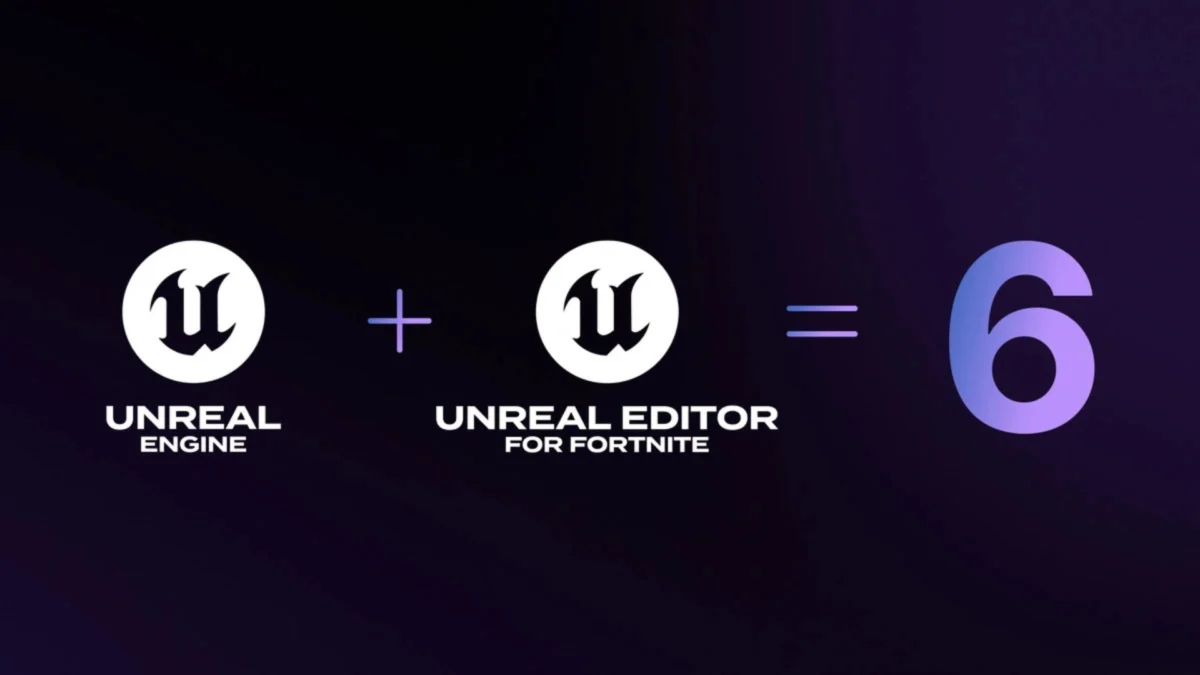
The gaming industry stands at a major crossroads. Epic Games, the powerhouse behind the ubiquitous Unreal Engine, has officially begun the transition toward Unreal Engine 6 (UE6). While the engine has long been the gold standard for high-fidelity graphics and accessible development, the shift toward UE6 represents more than just a performance upgrade—it signals a fundamental change in how game logic is authored, how assets are managed, and how artificial intelligence will integrate into the creative process.
As developers prepare for the upcoming early-access launch, the community finds itself sharply divided. At the heart of this controversy is the gradual deprecation of Blueprints, the visual scripting system that democratized game development for over a decade, in favor of Verse, a new, robust programming language.
Main Facts: The Pillars of UE6
The transition to Unreal Engine 6 is built upon three primary architectural pillars, each designed to modernize the engine for the next generation of interactive media:

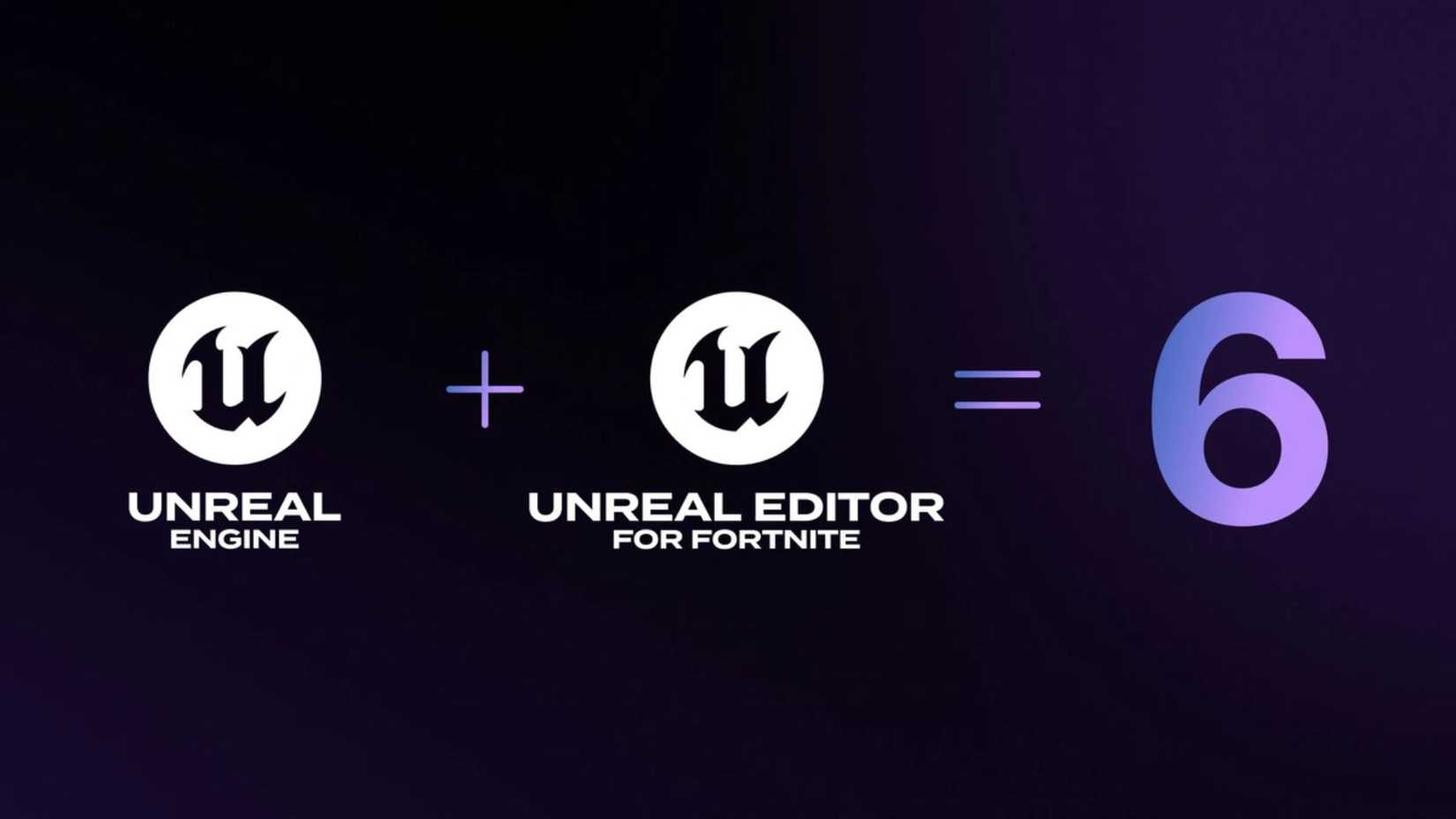
- Unified Ecosystems: UE6 is designed to bridge the gap between standalone game development and the Fortnite ecosystem. By merging Unreal Engine with the Unreal Editor for Fortnite (UEFN), Epic aims to create a singular, streamlined pipeline.
- The Scene Graph Framework: Moving away from traditional actor-based systems, UE6 introduces the "Scene Graph." This new gameplay framework is purpose-built to handle massive, complex, and highly dynamic environments, ensuring that performance remains stable even as world scale increases.
- The Verse Programming Model: Perhaps the most significant change, Verse is designed to replace Blueprints as the primary method for writing game logic. It combines elements of functional, imperative, and logic-based programming, designed to solve the scaling issues that often plague large-scale projects in older versions of the engine.
Chronology: From Visual Scripting to Verse
The history of Unreal Engine is a history of accessibility. With the launch of UE4, Epic Games introduced Blueprints, allowing designers to create complex gameplay interactions through a node-based visual interface. This lowered the barrier to entry significantly, allowing artists and designers to prototype and ship titles without requiring a deep understanding of C++.
However, as game projects grew in size and complexity, Blueprints began to show its limitations. Large "spaghetti" nodes became difficult to debug, performance costs grew, and version control became a nightmare for professional teams.
- 2014–2020: Blueprints become the industry standard for indie and AAA prototyping.
- 2023: Epic Games introduces Verse within the UEFN environment, testing its viability in a live-service setting.
- June 2026: Epic officially announces the transition roadmap for UE6, confirming that while Blueprints will remain supported in early access, they will eventually be sunset.
- 2027 and Beyond: The anticipated full rollout of UE6, where Verse becomes the primary scripting language.
Supporting Data: Why the Shift?
The decision to move away from Blueprints is not one Epic has taken lightly. According to internal documentation released alongside the UE6 announcement, the company identifies three specific technical hurdles that Blueprints cannot overcome in a modern, scalable environment:

- Extensibility: As project codebases scale into the millions of lines, visual nodes become unmanageable. Verse is designed to be modular and text-based, allowing for easier integration with standard version control systems like Git or Perforce.
- Maintenance: Debugging a node-based system is notoriously difficult. Verse’s architecture allows for unit testing and more rigorous error checking.
- Performance: While Blueprints are compiled, they often carry overhead that text-based scripts do not. By adopting a specialized language, Epic can optimize the execution of game logic at a much deeper level of the engine’s hardware abstraction layer.
Official Responses and Developer Perspectives
The industry response has been visceral and bifurcated. On one side, there is a vocal contingent of indie developers who fear that the loss of Blueprints will undo the democratization of game dev. On X (formerly Twitter), user @ZaliasFGC voiced a sentiment shared by many: "LLMs can’t generate blueprints, so that’s why you’re getting rid of probably the best feature in Unreal? I just don’t understand this decision."
Conversely, many veteran developers are applauding the move. Eric ‘@aherys’ Rajot, director of Beautiful Light, was blunt in his assessment: "I’m the only one happy to see blueprint dropped? It’s garbage, only useful to iterate very small scripts… Garbage for extensibility/maintenance, garbage for readability."
Epic Games’ official stance remains firm. They argue that Verse is not merely a replacement, but an evolution. By drawing inspiration from Python and C#, Verse offers a "functional, logic, and imperative" environment that is familiar yet powerful enough to handle the complexity of modern, persistent, and massive-scale worlds.

Implications: The Role of AI and Future Workflow
Perhaps the most controversial aspect of the UE6 announcement is the heavy emphasis on Generative AI. Epic has stated that they intend for LLMs, generative models, and coding assistants like Claude and Codex to play a "central role" in the UE6 workflow.
The AI-Integrated Pipeline
Epic envisions a future where the developer acts less as a manual coder and more as an architect. By delegating repetitive, boilerplate, or tedious logic tasks to AI assistants, developers can spend more time on high-level creative direction.
Portability and the "Fortnite Effect"
One of the most ambitious goals of UE6 is the creation of a truly portable content ecosystem. Epic is piloting this with Fortnite cosmetics. In the future, a creator might build an asset or a character outfit in their own UE6-powered game that is natively compatible with the Fortnite ecosystem, and vice-versa. This represents a significant step toward a standardized, interoperable metaverse—a long-held ambition of Epic CEO Tim Sweeney.
The Learning Curve
For the industry, the transition will be painful. Teams currently relying on heavy Blueprint architectures will face significant refactoring costs. Educational institutions and tutorial creators will need to pivot their entire curricula to teach Verse. However, if Epic’s vision holds, the result will be a faster, more robust, and more standardized development environment that can handle the demands of the next decade of gaming.
Conclusion: A New Engine for a New Era
Unreal Engine 6 represents a maturation of game development. While the departure of Blueprints marks the end of an era of "visual-only" development, the introduction of Verse and AI-assisted workflows suggests that the future of game creation is focused on speed, scale, and interoperability.
Whether this transition will alienate the hobbyist community or empower a new generation of creators remains to be seen. What is clear, however, is that the mechanics shop is open, and when the doors to UE6 finally swing wide, the industry will look very different than it did when Unreal Engine 5 first set the standard for graphical fidelity. For now, developers have a window of opportunity to learn, adapt, and prepare for the next great evolution in digital creation.


 Jia Lissa