

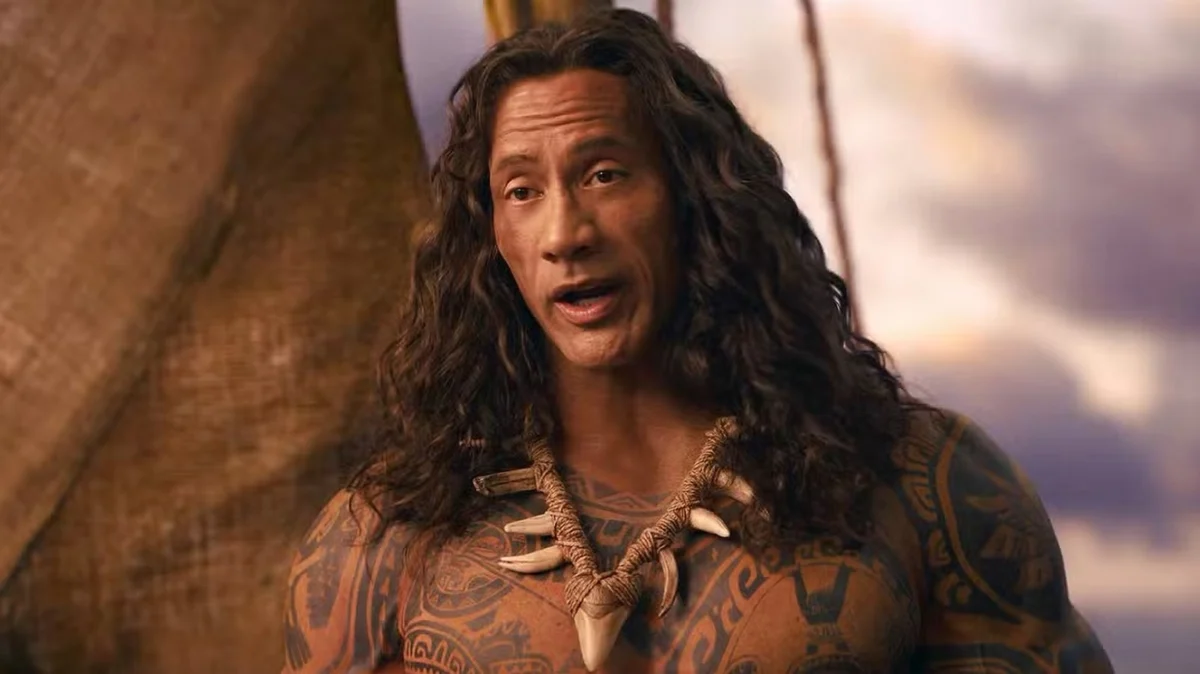
The recent theatrical release of Disney’s live-action reimagining of Moana was intended to be a crown jewel in the studio’s aggressive strategy of adapting its animated library. Instead, the film has arrived as a sobering reality check for the entertainment giant. Following a domestic opening of $43 million and a global debut of $95 million—figures that fell significantly short of the projected $70 million domestic target—the film is currently trending toward becoming one of the most high-profile box office disappointments of the summer season.
As the industry grapples with the aftermath of this underperformance, stakeholders are left asking: How did a franchise with a proven $1 billion pedigree stumble so significantly in its live-action transition?
The Anatomy of a Misfire: Main Facts and Figures
The disparity between expectation and reality is stark. While Disney has enjoyed immense success with live-action remakes in the past, the 2026 Moana adaptation has struggled to find its footing. The production, directed by Thomas Kail, faced a "perfect storm" of variables that hindered its path to profitability.
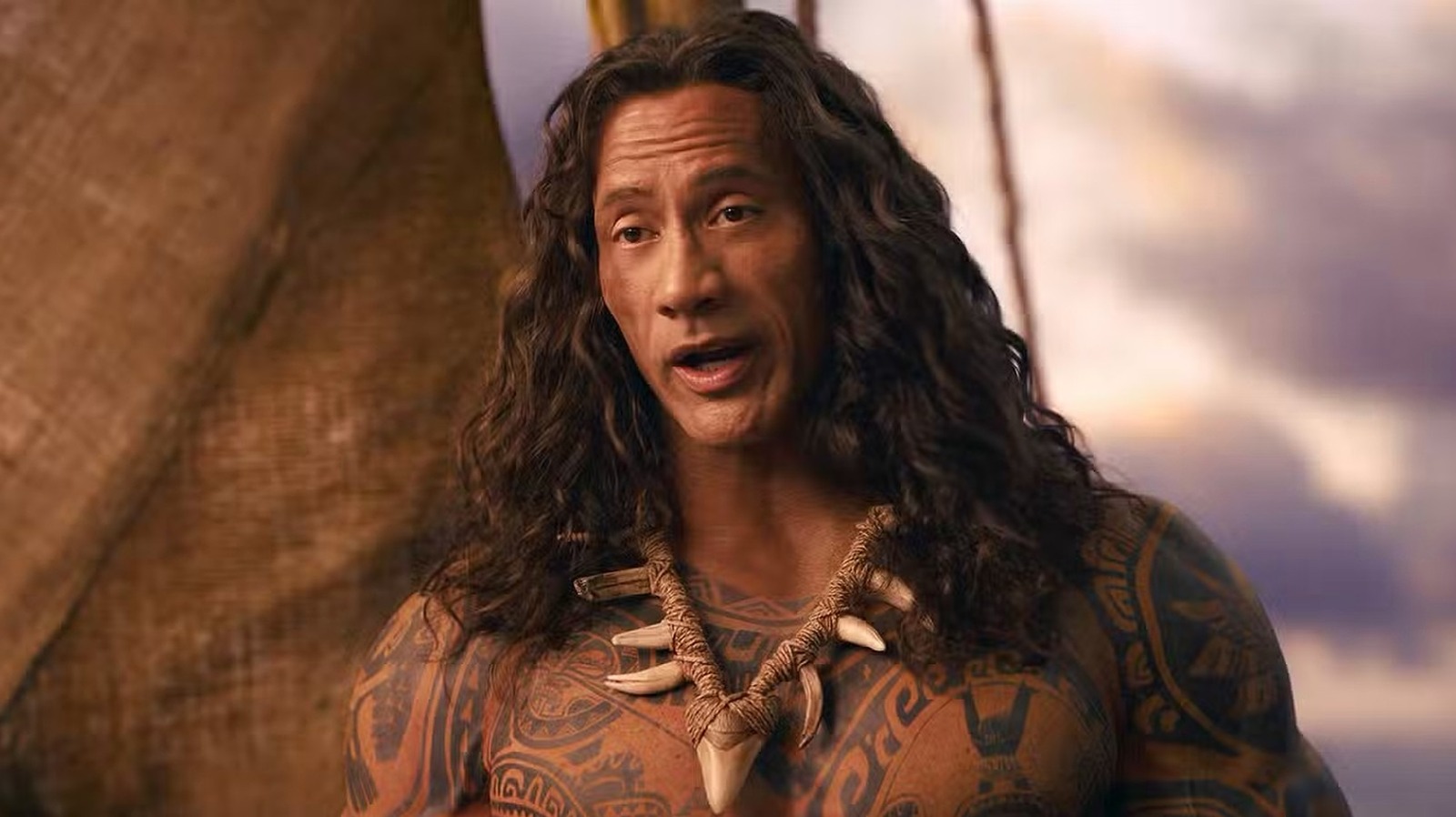
With a reported production budget of $250 million, the film faces an uphill battle to reach the break-even point. Industry standards suggest that for a blockbuster of this scale, including marketing and distribution costs, the film would likely need to gross upwards of $600 million globally to be considered a financial success. With a weak opening weekend and cooling interest, the path to that figure appears increasingly obstructed.
A Chronological Descent: The Build-Up and The Break
To understand the failure, one must look at the timeline of the Moana franchise’s recent history.
- The Animated Peak (2016): The original animated Moana became a cultural touchstone, beloved for its music, character design, and authentic storytelling.
- The Sequel Success (2024): Only a year and a half before the live-action release, Moana 2 stormed theaters, becoming one of only three Disney films that year to cross the $1 billion threshold.
- The Announcement (2025/2026): Disney moved rapidly to capitalize on the momentum of the sequel, announcing the live-action project.
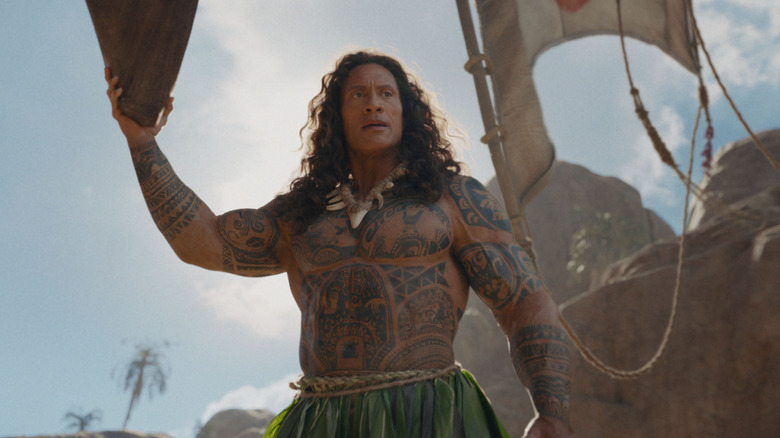
- The Opening Weekend (2026): The film hit theaters to muted enthusiasm. Despite the involvement of Dwayne Johnson, who reprised his role as the demigod Maui, the audience turnout failed to meet pre-release projections.
The speed of the transition—moving from the animated sequel to a live-action remake in under two years—created a sense of "franchise fatigue" that the studio failed to account for.
Supporting Data: Why Audiences Stayed Home
The box office performance of Moana is not a singular mystery; it is the result of several quantifiable factors that analysts have been tracking throughout the weekend.
1. Critical Reception vs. Audience Sentiment
The film holds a polarizing 33% critical approval rating on Rotten Tomatoes. While the audience score sits at a more respectable 90% and the film earned an "A-" CinemaScore, the initial critical drubbing created a barrier to entry. In an era where ticket prices are high and streaming alternatives are plentiful, negative reviews from reputable outlets often act as a deterrent for the casual moviegoer. When professional critics label a film a "flat, lifeless, artificial rehash," the perceived value of an expensive theater ticket diminishes.
2. The Overcrowded Marketplace
The 2026 summer box office is remarkably competitive. Toy Story 5 has maintained a stranglehold on family audiences since late June, nearing the $1 billion mark globally. Additionally, the Minions & Monsters franchise continues to draw significant crowds. These two juggernauts effectively cannibalized the target demographic for Moana. When families are faced with a choice between a universally acclaimed, high-performing sequel like Toy Story 5 and a live-action remake that feels redundant, the choice becomes clear.
3. The "Too Soon" Factor
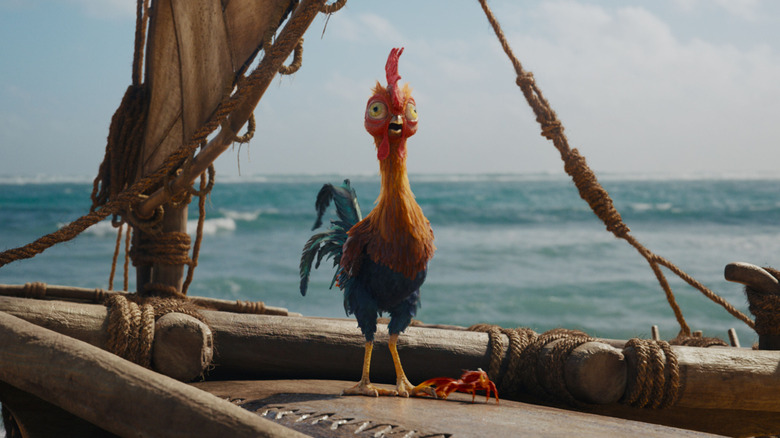
Perhaps the most damaging factor was the lack of temporal distance. Audiences had only just finished engaging with the Moana universe via the 2024 sequel. By releasing a live-action remake of the 2016 film so soon, Disney bypassed the "nostalgia window." Unlike The Jungle Book or Cinderella, which relied on the passage of decades to create a sense of longing, the Moana remake felt like a brand-extension exercise rather than a creative necessity.
Official Responses and Internal Shifts
While Disney has remained relatively quiet regarding the specific financial projections of the film, sources within the studio suggest a period of internal reflection. The failure of Moana to launch has reportedly triggered a broader discussion regarding the sustainability of the $250 million-plus production budget model.
For years, the industry operated under the assumption that "bigger is better." However, with the post-pandemic box office failing to fully recover to 2019 levels of consistent volume, this philosophy is being challenged. Executives are now reportedly re-evaluating the pipeline of upcoming remakes, focusing on whether these projects can be produced at a lower price point or if they should be relegated to streaming-first releases.

The Broader Implications for Hollywood
The struggle of Moana sends a clear signal to the rest of the industry: the audience’s appetite for "re-treads" is not bottomless.
The End of the "Remake Era"?
The immense success of Disney’s 2010–2019 remake cycle—which generated over $7 billion—set a dangerous precedent. It convinced studios that brand recognition was a substitute for narrative innovation. Moana serves as proof that even the strongest brands can be diluted if they are over-exploited.
The Budget Reckoning
The $250 million price tag on a film that is essentially a scene-for-scene recreation of a recent hit highlights a deeper "budget problem" in Hollywood. When a film relies heavily on CGI to replicate an animated aesthetic, the costs balloon. If that aesthetic fails to resonate with audiences, there is no financial safety net. Studios must now face the reality that a $100 million opening weekend is no longer the floor—it is the goal—and if a project cannot be made for a price that allows for profitability at lower thresholds, it should not be made at all.
The Streaming Shift
The most immediate implication for Moana will be its accelerated journey to Disney+. For audiences who decided to "wait and see," the film will likely find a massive second life on the streaming platform. However, this raises a strategic question for the studio: If the primary audience for these remakes is increasingly opting for home viewing, does the theatrical model still make sense for mid-tier franchise films?
Conclusion
Disney’s live-action Moana is a cautionary tale about the intersection of creative fatigue and fiscal irresponsibility. While the film may eventually find a loyal audience on digital platforms, its performance at the box office suggests that the era of "automatic" blockbuster success for live-action remakes is coming to an end.
The lesson for the industry is twofold: audiences crave genuine innovation over mere replication, and the economic model of the modern blockbuster must be tethered more closely to the reality of contemporary theater-going habits. As Disney looks toward the future, the Moana experience will undoubtedly serve as the primary case study for a necessary, and perhaps overdue, shift in strategy. The ocean, it seems, has its limits—and for now, the tide has turned against the live-action remake.










