Asep Darmawan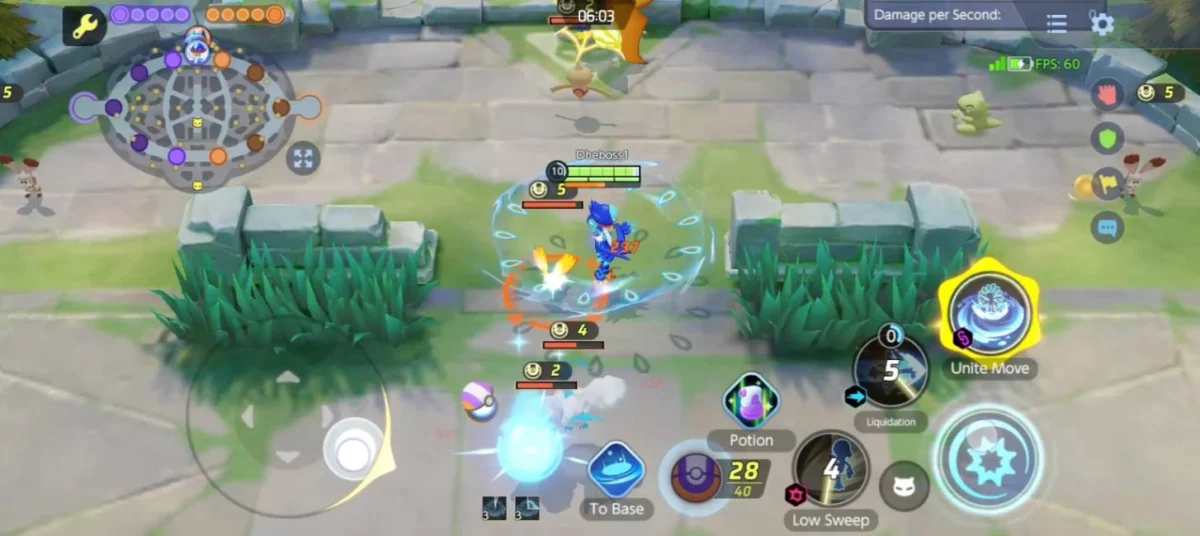
The roster of Pokémon Unite continues to evolve with the arrival of the flamboyant and formidable All-Rounder, Quaquaval. As the latest addition to the Aeos Island arena, this Water-type dancer brings a unique mechanical layer to the game: the "Vibe" system. By mastering the rhythm of combat through consistent engagement, players can unlock devastating offensive potential, making Quaquaval a terror in extended team fights.
This guide serves as your definitive resource for navigating Quaquaval’s toolkit, optimal itemization, and strategic positioning to ensure you dominate the competition.
The Core Concept: Understanding the Vibe Mechanic
Unlike traditional All-Rounders that rely solely on raw stats, Quaquaval’s gameplay is built upon a rhythmic foundation. The "Vibes" mechanic acts as a catalyst for the Pokémon’s most powerful effects. By landing basic attacks and abilities, you build stacks of Vibes. Once these stacks reach their maximum threshold, Quaquaval’s abilities receive significant enhancements, turning a standard engage into a fight-winning maneuver.
This makes Quaquaval a "momentum-based" fighter. In the heat of a skirmish, a skilled Quaquaval player is constantly managing their spacing to ensure they can continue attacking—and thus generating Vibes—without being caught out of position.

Chronology of Development: From Quaxly to Dance Master
Quaquaval follows the standard Pokémon Unite evolution trajectory, requiring players to navigate the early game with caution before hitting their power spikes.
- Levels 1–4 (Quaxly): The early game is focused on laning and jungle clearing. During this phase, you are vulnerable. Prioritize securing last hits on wild Pokémon to reach your first evolution threshold as quickly as possible.
- Levels 5–6 (Quaxwell): Upon reaching Level 5, you gain your first major ability evolution. This is where your presence in lane begins to shift from passive to aggressive.
- Level 7+ (Quaquaval): Achieving the final evolution is paramount. At this stage, Quaquaval gains access to its full kit, including the highly disruptive Liquidation, allowing you to transition into the mid-game team-fighting phase.
Detailed Moveset Analysis
Basic Attack
Quaquaval’s basic attacks are the heartbeat of its kit. Every third attack is a boosted kick, which not only deals increased damage but also helps sustain your Vibe stacks. Players should prioritize attack speed to ensure they are constantly hitting this threshold.
Ability 1: Pound and Low Sweep
- Pound (Initial): A bread-and-butter displacement tool that slows opposing Pokémon, allowing for easy ganks or escapes.
- Low Sweep (Level 5 Upgrade): This move unleashes three rapid kicks in a designated direction. It is your primary tool for closing the gap and applying crowd control. Critically, when Low Sweep hits a target while your Vibes are at maximum capacity, the subsequent Spinning Edge (a secondary passive effect) deals significantly increased damage.
Ability 2: Wing Attack and Liquidation
- Wing Attack (Initial): A lunge move that provides both area-of-effect damage and a temporary shield.
- Liquidation (Level 7 Upgrade): This is arguably Quaquaval’s most important survival tool. It allows the user to charge forward, dealing damage and reducing the target’s Defense stat. Crucially, it restores a portion of Quaquaval’s HP upon contact. Because you can hold up to two charges of Liquidation, it offers incredible mobility and the sustain necessary to survive prolonged engagements.
Unite Move: Carnival Splash
Quaquaval’s signature Unite Move is a masterclass in battlefield disruption. The Pokémon performs an elaborate dance, pulling nearby enemies into its range and rendering them unable to act. This move is perfect for turning the tide in contested zones like Regieleki or Rayquaza pits. If used while Vibes are at maximum, the move grants a massive shield and empowers your next Spinning Edge, making it a double-threat of crowd control and high-burst damage.
Strategic Itemization and Optimization
To maximize Quaquaval’s performance, players must select held items that reinforce its identity as an aggressive, sustain-heavy All-Rounder.

Recommended Held Items
- Focus Band: Given Quaquaval’s reliance on extended fights, the HP recovery provided by the Focus Band is non-negotiable. It keeps you alive during moments when you are waiting for a Liquidation cooldown.
- Choice Specs: While physical in nature, Quaquaval benefits from the Sp. Attack boost for its ability scaling, ensuring that its combo burst is high enough to threaten squishy attackers.
- Weakness Policy: Since you will be in the thick of the fight, you will inevitably take damage. The Weakness Policy rewards this by increasing your Attack stat as you absorb hits, turning the enemy’s aggression against them.
Battle Items
- Eject Button: Essential for correcting positioning errors or chasing down low-health targets.
- X-Speed: A strong alternative if the enemy team relies heavily on slows, allowing you to maintain your Vibe-building basic attacks even while under pressure.
Gameplay Tactics: Early, Mid, and Late Game
The Early Game Strategy
Start in the Jungle or Top Lane. Your primary goal is to reach Level 5 as efficiently as possible. Avoid unnecessary fights that might result in a death before you evolve into Quaxwell. Use Pound to secure wild Pokémon and to slow down aggressive opponents who try to contest your lane.
The Mid-Game Transition
Once you hit Level 7, your role shifts. You are no longer just a laner; you are an initiator. Use your Liquidation charges to dash into the backline, debuffing the enemy carry’s defense. Your focus should be on "dance-fighting"—moving in to attack to build Vibes, then retreating or dashing with Liquidation to reset your position.
Late Game Team Fights
In the final minutes of the match, prioritize team synergy. Wait for your teammates (especially Defenders like Snorlax or Slowbro) to initiate crowd control. Once the enemy is clumped together, activate Carnival Splash. The resulting displacement will set up your team for a clean sweep, while the shield from the move provides you with the durability needed to finish off stragglers.
Synergies and Matchups
Best Teammates
Quaquaval thrives when paired with Pokémon that can provide "peel" or additional crowd control.

- Slowbro: Slowbro’s Telekinesis or Surf keeps enemies locked down, allowing you to maximize your Vibe-boosted attacks.
- Snorlax: Snorlax acts as the perfect anchor, absorbing damage while you flank the enemy team.
Counters to Watch For
- Zeraora: Its high burst speed can delete Quaquaval before you have a chance to build up your Vibe stacks.
- Alolan Ninetales: The constant freezing debuffs prevent you from maintaining the consistent attack rhythm required to sustain your Vibes.
- Slowbro: While a great teammate, an enemy Slowbro is your worst nightmare. Their ability to lock you down renders your mobility useless.
Implications for the Meta
The introduction of Quaquaval signals a shift toward more high-skill, rhythmic gameplay in Pokémon Unite. Its ability to restore health and gain shields while simultaneously shredding enemy defenses makes it a top-tier candidate for competitive play. However, because it is heavily reliant on the Vibe mechanic, players who lack the mechanical discipline to keep their stacks high will find the Pokémon underwhelming.
Ultimately, Quaquaval rewards players who treat Pokémon Unite not just as a MOBA, but as a performance. By keeping the rhythm of the dance alive, you will find that Quaquaval is not just a participant in the fight—it is the one leading it.
What is your experience with the new Quaquaval build? Are you finding the Vibe mechanic difficult to manage, or has it become your new favorite way to play? Join the conversation in our community forums and share your clips!


 Laily UPN
 Asro
Asro