Pevita Pearce
The Golden Age of Hollywood—a period spanning roughly from the late 1920s to the early 1960s—is frequently romanticized as an era of unparalleled glamour. It was the time of the "Studio System," when titans like MGM, Warner Bros., and Paramount exerted absolute dominion over the film industry. While this period birthed legendary icons like Marilyn Monroe, Humphrey Bogart, and Audrey Hepburn, and produced cinematic masterpieces that defined the medium, the glossy black-and-white veneer concealed a machinery of immense cruelty.
Beneath the red carpets and the strobe lights lay a brutal industrial complex that prioritized profit margins over human dignity. To understand the reality of the era, one must look past the starlets and the silver screens to the rigid, often exploitative structures that governed every aspect of an artist’s existence.
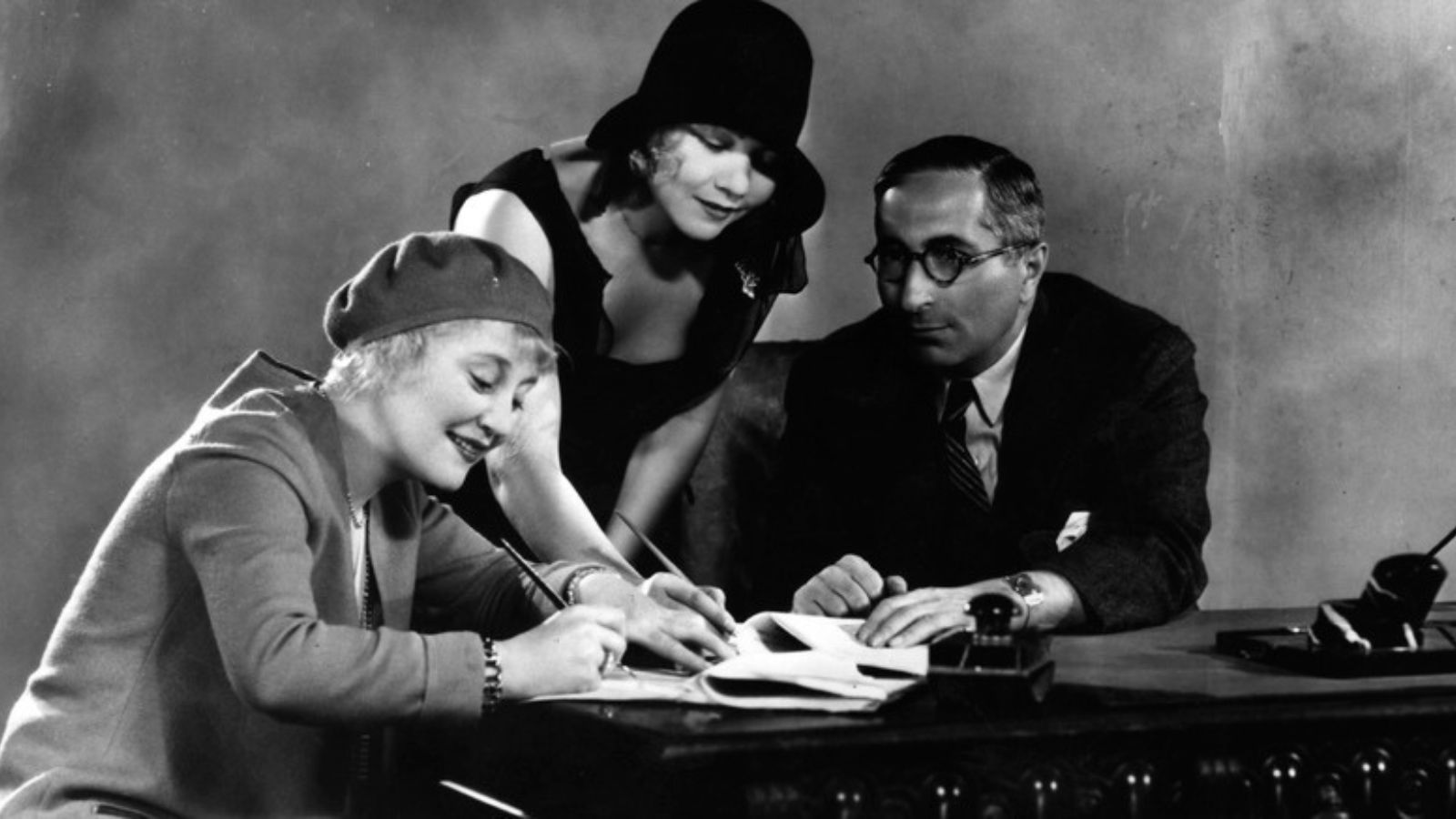
1. The Mechanics of Control: How the Studio System Operated
At the heart of the Golden Age was the "contract player" system. Actors were not freelancers; they were chattel. Upon signing a standard seven-year contract, a performer surrendered almost all agency over their public and private lives.
Total Surveillance and Image Management
Studios employed high-powered publicists and "fixers"—men like Eddie Mannix—whose primary job was to bury scandal. If a star was arrested for drunk driving, caught in a clandestine affair, or struggling with substance abuse, the studio machine would bribe police, pay off journalists, or manufacture a "distraction" story to ensure the star’s image remained pristine.

Manufactured Identities
The "American Dream" was a commodity to be sold. Studios routinely scrubbed the ethnic backgrounds, real names, and humble origins of their stars to fit a carefully curated persona. A performer’s religion, sexual orientation, and political leanings were sanitized, rewritten, or hidden behind forced "marriage" contracts designed to keep gossip columnists at bay.
2. A Chronology of Institutional Exploitation
To grasp the breadth of these issues, we must look at the timeline of the industry’s unchecked power.
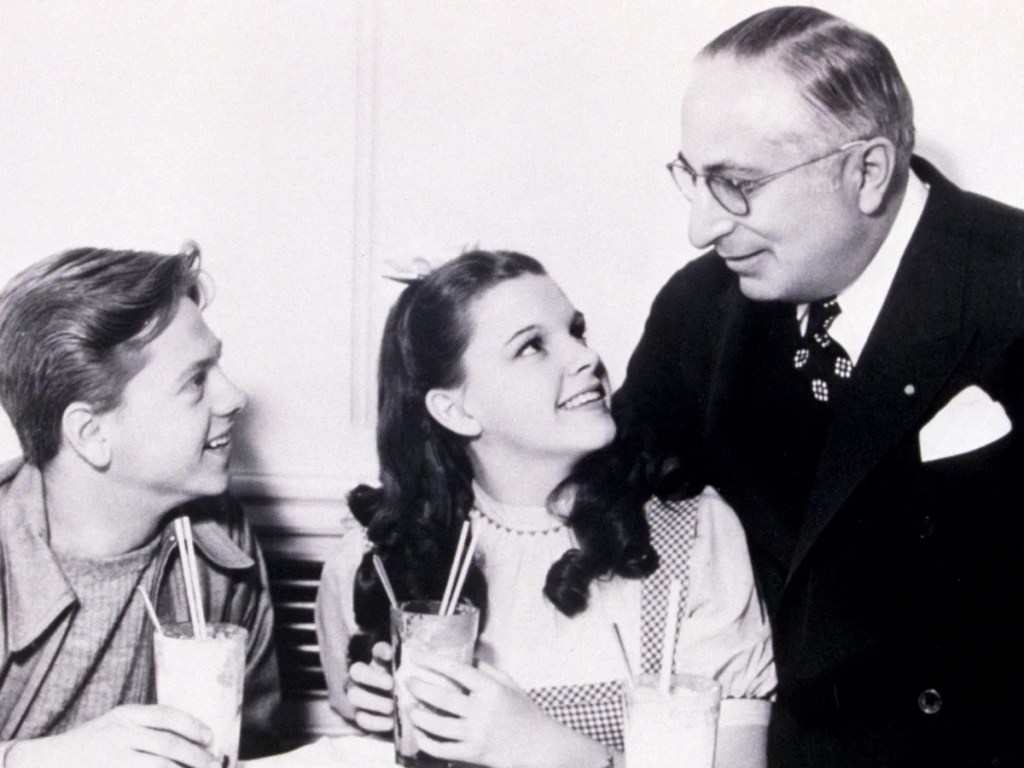
- 1920s–1930s: The Rise of the Moguls. As sound film emerged, studios consolidated power, establishing the "Block Booking" system that forced theaters to take bad films to get the hits. This gave studios near-total control over the market, leaving actors with zero bargaining power.
- 1940s: The Peak of the Studio Machine. During WWII, the industry reached its zenith of influence, but internal cracks grew as the "casting couch" became an open, toxic secret in production offices across Burbank and Culver City.
- 1947–1950s: The Red Scare and the Blacklist. The House Un-American Activities Committee (HUAC) hearings ushered in a period of intense political persecution. Studios, fearing government retaliation, implemented the infamous Blacklist, destroying the careers of anyone suspected of "leftist" sympathies.
- 1960s: The Collapse of the System. The United States v. Paramount Pictures decision, which forced studios to sell their theater chains, combined with the rise of television, finally began to break the iron grip of the studio heads, signaling the end of the Golden Age.
3. Supporting Data: The Hidden Costs of Fame
The "glamour" of the era was often a byproduct of physical and psychological trauma.
The Financial Disparity
While male leads were often paid handsomely, the gender pay gap was stark. Female stars, despite being the primary draw for certain genres, were often trapped in lower salary tiers. Furthermore, child stars were systematically robbed of their earnings; their guardians and studios often managed their trust funds, leaving many to find their accounts empty upon reaching adulthood.
Occupational Hazards
Safety regulations were virtually nonexistent. Stunt performers and actors frequently worked in hazardous conditions, with on-set injuries ranging from broken limbs to severe burns treated as minor production delays rather than human rights issues. The chemicals used in early stage makeup were also notoriously toxic, leading to long-term dermatological and respiratory issues for many performers.
4. The Human Toll: Mental Health and Identity
Perhaps the most devastating aspect of the Golden Age was the complete erasure of the individual.
- The Casting Couch: An open secret within the industry, this practice normalized sexual exploitation as a prerequisite for career advancement. Those who spoke out were swiftly blackballed.
- Mental Health Stigma: In an era where "nerves" were considered a sign of weakness, actors struggling with addiction or depression were given amphetamines or sedatives by studio-hired doctors to keep them working. The result was a cycle of dependency that claimed the lives of numerous icons.
- Systemic Racism: While the era produced some breakthrough moments, the industry was fundamentally exclusionary. Actors of color were relegated to roles that reinforced harmful stereotypes, and they were consistently denied the prestige or pay afforded to their white counterparts.
5. Official Responses and Industry Accountability
For decades, the "Golden Age" was protected by a wall of silence. However, as the studio archives have opened to historians, the industry has been forced to grapple with its own history.
In the modern era, the Academy of Motion Picture Arts and Sciences and various studio conglomerates have begun to acknowledge these systemic failures. While they cannot undo the damage, the shift toward transparency in historical documentaries and the re-evaluation of classic films have helped dismantle the myth of the "innocent" past.
The industry’s response to the #MeToo movement in recent years can be seen as a direct, albeit delayed, rejection of the power dynamics that were perfected in the 1930s. By shedding light on the "casting couch" and the unchecked power of executives, modern Hollywood is attempting to rectify a culture that prioritized the "product" over the "person."
6. Implications: What We Have Learned
The legacy of the Golden Age is a cautionary tale about the intersection of corporate power and artistic expression. When a single entity controls an artist’s image, contract, and private life, the conditions for abuse are not just possible—they are inevitable.
The Erosion of Artistic Agency
The "Typecasting" epidemic of the 1950s serves as a primary example of how the studio system stifled creativity. By forcing actors to play the same "type" to ensure box office success, the studios prevented legitimate character growth. When an actor attempted to break out of their mold, the studio would often punish them by stalling their career or assigning them to "B-movie" purgatory.
The Legacy of the Blacklist
The Blacklist remains the most chilling example of how the industry compromised its own moral integrity to appease political pressure. It proved that in the face of external threat, the studio machine would sacrifice its own talent without hesitation. This betrayal of trust left a scar on the industry that took decades to heal.
Conclusion
The Golden Age of Hollywood was a magnificent facade. It gave us the enduring magic of the cinema, yet it demanded a price that was paid in blood, identity, and freedom. To truly appreciate the films of that era, we must view them with a clear eye—recognizing the artistry on screen while acknowledging the darkness that enabled it. By uncovering these fifteen facets of the era, we do not diminish the achievements of the stars who shone so brightly; rather, we honor their resilience in surviving a system that was designed to use them, not support them.
As we look back at this transformative, often tragic chapter of American history, the lesson is clear: the true "gold" of the industry is not the box office revenue, but the protection of the human beings who bring the stories to life. The Golden Age is over, but its lessons on power, exploitation, and the necessity of accountability remain as relevant as ever in the digital age.


 Nana Muazin
 Nana
Nana