Ammar Sabilarrohman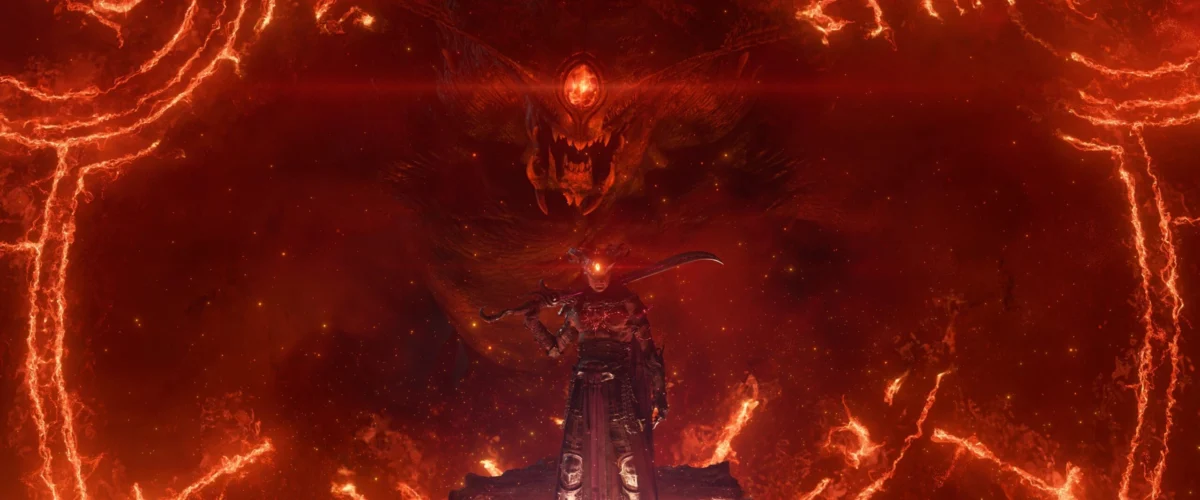
Sanctuary braces for a new era of darkness and light as Blizzard Entertainment officially pulls back the veil on the Warlock, the second highly anticipated new class slated to join the ranks of heroes in Diablo 4 with the upcoming Lord of Hatred expansion. Revealed during the extensive Diablo 30th Anniversary Spotlight, the Warlock stands as a thematic antithesis to the already-available Paladin, promising a rich tapestry of forbidden magic, demonic pacts, and a fresh approach to combating the encroaching evils of Hell. This monumental announcement signals a significant expansion of Diablo 4‘s gameplay, lore, and endgame, with a release window set for late April.
The reveal was a cornerstone of Blizzard’s celebratory livestream, which, despite some anticipatory leaks, delivered a comprehensive look at the future of the beloved ARPG franchise. While the Paladin, a beacon of divine justice, has already entered the fray for those who pre-ordered Lord of Hatred, the Warlock’s sinister powers will become accessible upon the expansion’s full launch. This strategic staggered release builds immense anticipation for players eager to explore both ends of the moral spectrum within Sanctuary’s eternal conflict.
The Warlock: Embracing Forbidden Power
The Warlock emerges from the shadows as a master of forbidden knowledge, a practitioner who dares to draw upon the very energies of Hell to combat its infernal overlords. This philosophical and practical contrast to the Paladin’s unwavering devotion to the Light and adherence to righteous tenets is a deliberate design choice by Blizzard, aimed at enriching the narrative and offering diverse playstyles. Where the Paladin embodies purity and divine strength, the Warlock revels in the edgy, anti-hero archetype, a conduit for dark magic and demonic manipulation.
Lore and Thematic Depth
The introduction of the Warlock is more than just a new set of skills; it’s a profound addition to Diablo‘s rich lore. Warlocks in fantasy often derive their power from pacts with infernal entities, forbidden rituals, or innate, often cursed, magical talent. In the context of Sanctuary, a world perpetually teetering on the brink of demonic invasion, a class that actively taps into the forces of Hell itself presents fascinating narrative possibilities. Are they merely using a lesser evil to fight a greater one, or are they constantly walking a perilous tightrope, risking their own souls for power? This internal conflict and moral ambiguity are central to the Warlock’s appeal, promising a character journey steeped in difficult choices and dangerous alliances. Players can expect a class that grapples with the consequences of its power, perhaps even forming bonds (or dominion) over minor demons, utilizing curses that weaken foes, and unleashing destructive spells born from the very essence of the Burning Hells. This thematic depth promises to resonate deeply with players who prefer a darker, more morally grey fantasy experience.
Anticipated Playstyle and Community Excitement
While concrete gameplay footage remains under wraps until the dedicated livestream on March 5, the "Warlock" moniker itself conjures vivid images for long-time Diablo fans and newcomers alike. We can anticipate a class that excels in long-range magical combat, possibly specializing in debuffs, crowd control, and damage-over-time effects that slowly grind down even the most formidable demons. Summoning demonic minions to fight alongside them, a staple of Warlock archetypes in many fantasy settings, is also a highly probable and eagerly awaited feature. This would add a significant layer of strategic depth, allowing players to manage their summoned army while weaving devastating spells. Resource management for a Warlock might involve a unique mechanic tied to their pacts or dark energies, distinct from the mana, spirit, or essence systems of existing classes. The community is already abuzz with speculation, envisioning builds focused on curses, soul-siphoning, or explosive infernal magic, each promising to carve out a unique niche within Diablo 4‘s evolving meta.
Lord of Hatred: A New Chapter for Sanctuary
The Lord of Hatred expansion itself represents a pivotal moment for Diablo 4, marking its first major content injection since launch. Centered around Mephisto, the titular Lord of Hatred and one of the Prime Evils, the expansion promises to propel Sanctuary’s narrative forward into even darker territory. This narrative thrust is complemented by a wealth of new content, including an entirely new region and innovative endgame systems designed to extend the game’s longevity and challenge players in fresh ways.
The Unveiling of Skovos: A Mediterranean-Inspired Frontier
Among the most visually striking reveals was the first glimpse of Skovos, the expansion’s expansive new region. Described as Mediterranean-inspired, Skovos offers a stark contrast to the gothic, bleak landscapes of existing Diablo 4 zones. Players can anticipate sun-drenched coastlines, ancient ruins, and vibrant, yet still perilous, settlements that reflect a different cultural aesthetic within Sanctuary. This visual diversity is not merely cosmetic; Skovos will be the crucible where the new story arc unfolds, challenging players with unique environments, indigenous threats, and distinct questlines that delve deeper into Mephisto’s insidious influence. More critically, Skovos is being positioned as a premier endgame destination. Once the main expansion narrative concludes, this region will offer high-level activities, powerful new adversaries, and lucrative rewards, solidifying its role as a crucial hub for post-campaign progression and exploration.
The Paladin’s Crusade: A Foundation of Faith
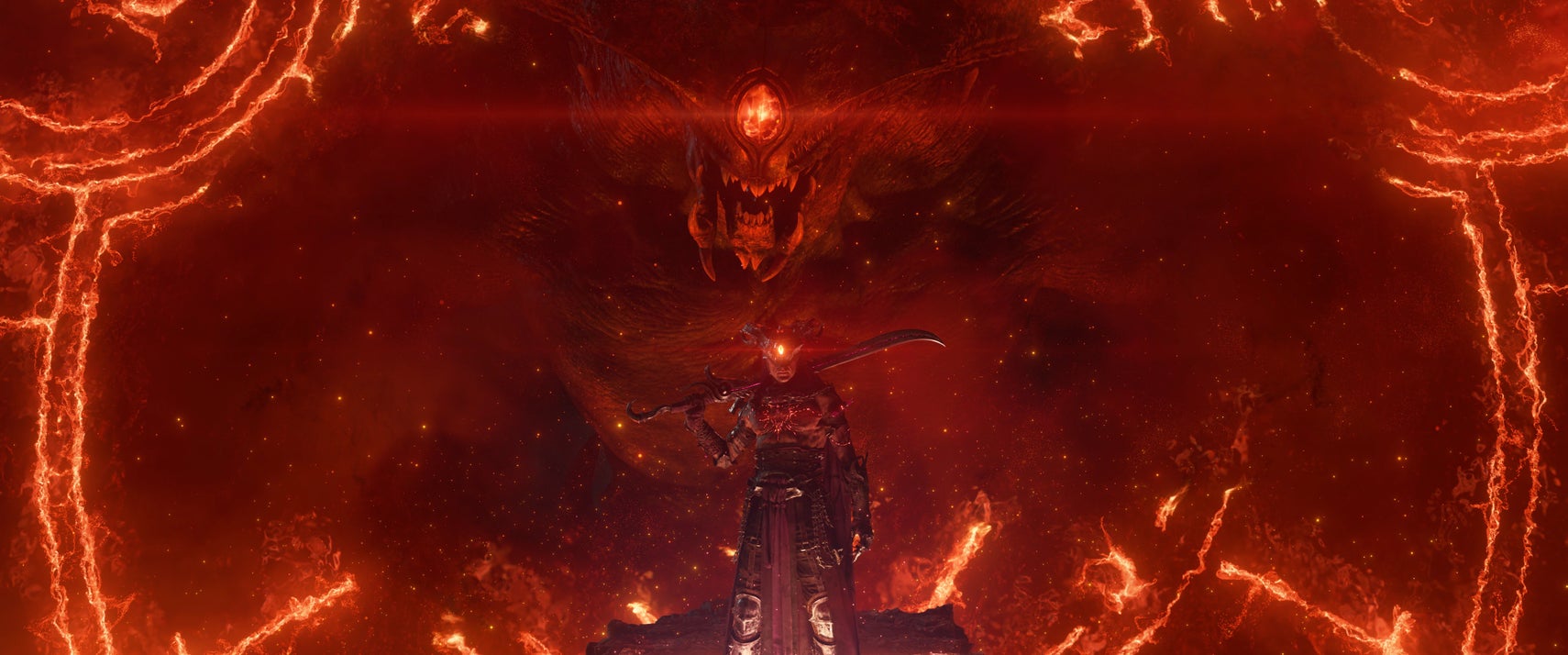
Before the Warlock’s full arrival, the Paladin has already begun its righteous crusade in Sanctuary. As the first new class of Lord of Hatred, the Paladin embodies divine power and unwavering faith. Available immediately for pre-order purchasers of the expansion, this class provides a stark contrast to the impending Warlock. Paladins typically wield holy magic, protective auras, and martial prowess, often serving as stalwart defenders and healers. Their early introduction allows players to experience the expansion’s new narrative and initial content from a perspective of light and order, setting the stage for the Warlock’s descent into darker practices. This dual class release strategy ensures that players have varied options from the outset, appealing to different fantasy preferences and combat styles.
Revolutionizing the Endgame: War Plans and Echoing Hatred
Lord of Hatred is not just about new classes and regions; it’s about fundamentally enhancing Diablo 4‘s long-term appeal through innovative endgame content. Blizzard has introduced two distinct modes, War Plans and Echoing Hatred, each designed to provide fresh challenges and rewards for seasoned adventurers.
Strategic Depth with War Plans
War Plans introduces an unprecedented level of player agency and customization to the endgame experience. This system allows players to construct a personalized playlist of up to five existing endgame activities. Imagine being able to string together a sequence of Nightmare Dungeons, Helltides, World Boss encounters, and other challenges, all tailored to specific farming goals or desired experiences. This bespoke approach empowers players to target particular rewards, streamline their grind for specific gear or materials, and optimize their playtime. Furthermore, War Plans are intricately linked to a new activity tree, a meta-progression system that spans all endgame content. Engaging in War Plans will be the primary method for earning progression within this tree, unlocking powerful bonuses, unique resources, and further customization options. This system promises to alleviate the monotony often associated with repetitive endgame loops, providing a dynamic and rewarding path for long-term player engagement.
The Gauntlet of Echoing Hatred
On the other end of the spectrum lies Echoing Hatred, a rare and intense event that thrusts players into a relentless horde mode against legions of Mephisto’s minions. Triggered by a rare lootable item, this event offers a high-stakes, high-reward challenge. Players will face unending waves of increasingly difficult enemies, testing their builds, reflexes, and coordination (for those playing in groups). However, Echoing Hatred is not a mere survival mode; Blizzard has hinted at "a couple of twists," suggesting unique mechanics, boss encounters, or environmental hazards that will differentiate it from standard horde experiences. This mode is designed to be a crucible for top-tier builds, offering an adrenaline-pumping alternative for players seeking a pure combat challenge and the potential for exceptionally powerful loot. Its rarity ensures that each activation feels significant and impactful, adding a layer of anticipation to the endgame grind.
Enhancing Longevity
Collectively, War Plans and Echoing Hatred aim to significantly enhance Diablo 4‘s endgame longevity. By offering both structured, customizable progression and unpredictable, high-intensity challenges, the expansion caters to a wide array of player preferences. These systems provide compelling reasons for players to continue logging in, experimenting with builds, and pushing the limits of their characters, ensuring that the journey through Sanctuary remains fresh and rewarding long after the main story concludes.
Deepening Character Customization and Itemization
Beyond new classes and endgame activities, Lord of Hatred is poised to introduce fundamental changes to Diablo 4‘s core systems, impacting every character and every item. These updates promise to broaden build diversity, reintroduce beloved mechanics, and give players more control over their destiny in Sanctuary.

Expanded Class Skill Trees: A Broader Canvas for Builds
A significant quality-of-life and gameplay enhancement coming with the expansion is the expansion of class skill trees for all existing classes. This means more skill points to allocate, new active and passive abilities to unlock, and a greater degree of customization for every character. For veterans, this translates into fresh build possibilities, allowing for more specialized roles, synergistic combinations, and potentially entirely new playstyles that were previously impossible. For new players, it offers a more robust and engaging progression path. This widespread update demonstrates Blizzard’s commitment to continuously evolving the game’s core mechanics, ensuring that even pre-expansion characters feel refreshed and gain new avenues for power.
The Talisman System’s Return: Unlocking Set Bonuses
The Talisman system makes a triumphant return, a mechanic that will undoubtedly excite fans of deeper itemization. While details are still emerging, the system is designed to unlock powerful set bonuses, reminiscent of classic Diablo gear sets. This adds a compelling layer to the gear hunt, encouraging players to collect specific combinations of items to achieve synergistic boosts to their abilities. The Talisman system offers a new vector for power progression, influencing how players prioritize loot, engage with crafting, and theorycraft their ultimate character builds. Its reintroduction suggests a move towards more defined build archetypes and the reward of dedicated farming for specific gear combinations.
Horadric Cube: A Legacy of Transmutation and Control
Perhaps one of the most iconic and beloved artifacts in Diablo history, the Horadric Cube, is making its way to Diablo 4. This legendary item, famous for its transmutation abilities in Diablo 2, will once again empower players with unprecedented control over their itemization. Specifically, in Diablo 4, the Horadric Cube will grant players control over Affixes. This is a game-changer for gear optimization. Instead of relying solely on random drops, players will be able to reroll, extract, or potentially even add specific affixes to their items, allowing for fine-tuning of their equipment to perfectly match their build. The Horadric Cube’s return signifies a more player-centric approach to itemization, reducing reliance on pure RNG and providing tangible pathways to creating truly powerful and personalized gear. This deepens the crafting and customization aspects of the game, giving players more agency in shaping their character’s power.
A Franchise-Wide Reign of the Warlock
The Warlock’s influence isn’t confined to Diablo 4 alone; Blizzard is orchestrating a franchise-wide celebration of this new class, extending its reach to both Diablo Immortal and, most notably, Diablo 2: Resurrected. This synchronized launch strategy underscores a unified vision for the Diablo universe, creating a cohesive experience across different platforms and eras of the game.
Diablo 2: Resurrected’s Historic Addition
The Warlock’s arrival in Diablo 2: Resurrected (D2R) is nothing short of historic. The "Reign of the Warlock" DLC marks D2R’s first new class addition in 25 years, a quarter-century after the original game’s launch. This is a monumental event for a game known for its steadfast adherence to its classic roots. The Warlock in D2R will undoubtedly be a distinct interpretation, tailored to that game’s unique mechanics and aesthetic, yet sharing the core thematic elements of dark magic and forbidden power.
The "Reign of the Warlock" DLC for D2R, available now, also brings a host of other updates. These include new quality-of-life features that modernize the classic experience without compromising its integrity, alongside new endgame content like the "Colossal Ancients" encounter, promising fresh challenges for even the most hardened veterans. Updated Terror Zones will further diversify the high-level farming experience, and as a bonus, purchasing this D2R expansion will grant players exclusive cosmetics in Diablo 4, further linking the two titles. This move demonstrates Blizzard’s commitment to supporting its legacy titles with meaningful, game-changing content, and rewarding its most dedicated fans across the franchise.

Diablo Immortal’s Dark Sorcery
For players immersed in the mobile-first experience of Diablo Immortal, the Warlock will also make its debut, adapted to the game’s fast-paced combat and progression systems. This ensures that the excitement surrounding the new class is shared across all current Diablo titles, offering a consistent thematic expansion regardless of preferred platform. The Warlock in Diablo Immortal will likely offer a distinct set of skills and progression paths optimized for mobile play, but will retain the core identity of a dark magic user, further enriching the already diverse roster of classes available in that game.
Unified Vision
This multi-game rollout of the Warlock class exemplifies Blizzard’s strategy to create a more interconnected and evolving Diablo universe. By introducing the Warlock simultaneously across its flagship titles, Blizzard not only maximizes the impact of the reveal but also fosters a sense of shared excitement and continuity among its diverse player base. It signals a future where content and thematic elements can transcend individual game boundaries, offering a richer, more integrated Diablo experience for everyone.
Looking Ahead: The March 5th Deep Dive
While the initial reveal provided a thrilling overview, Blizzard has wisely scheduled a dedicated livestream for March 5th to delve much deeper into the Warlock. This upcoming showcase is where the true excitement will culminate, offering players their first tangible look at the class in action.
Anticipated Details
During the March 5th event, players can expect a comprehensive breakdown of the Warlock’s abilities, including specific skill demonstrations, resource mechanics, and how its unique class fantasy translates into gameplay. Blizzard will likely elaborate on the Warlock’s lore, perhaps revealing more about their origins in Sanctuary, the nature of their pacts, and their place within the ongoing conflict against Mephisto. This livestream will be crucial for players to understand the Warlock’s role in group play, its potential for solo progression, and how it will interact with the new systems introduced in Lord of Hatred. It will also provide an opportunity for Blizzard to address community questions and further build anticipation for the expansion’s late April launch.
Setting Expectations
The community’s expectations for this deep dive are high. Players will be looking for unique mechanics that set the Warlock apart from existing spellcasters like the Sorcerer or Necromancer. Will there be a unique pet system, a novel debuff mechanic, or an intriguing resource management minigame? The presentation on March 5th will be key to solidifying the Warlock’s identity and assuring players that it brings a truly fresh experience to Diablo 4.
Implications for Diablo 4 and the Future of Sanctuary
The Lord of Hatred expansion, spearheaded by the Warlock, carries profound implications for the future of Diablo 4 and the broader Diablo franchise. It represents a significant commitment from Blizzard to evolve the game, address player feedback, and expand the universe in meaningful ways.

Shifting the Meta and Expanding Build Diversity
The introduction of two new classes, coupled with expanded skill trees for existing classes, is set to dramatically shift Diablo 4‘s meta. The Warlock, with its unique blend of dark magic and potential for demonic summoning, will open up entirely new build archetypes and strategies. Similarly, the Paladin’s righteous might offers a robust option for those seeking a more traditional heroic fantasy. These additions, combined with the refined itemization through the Talisman system and the Horadric Cube, will foster an environment of unprecedented build diversity, encouraging experimentation and fresh approaches to combat. The competitive landscape, particularly in areas like leaderboards and high-tier Nightmare Dungeons, will undoubtedly be redefined.
Player Engagement and Retention
Expansions are vital for the long-term health of live-service games, and Lord of Hatred is poised to significantly boost player engagement and retention for Diablo 4. The wealth of new content—two classes, a new region, innovative endgame modes, and fundamental system overhauls—provides compelling reasons for lapsed players to return and for current players to remain invested. The promise of new narratives, challenging content, and deeper customization options is a powerful draw, ensuring that Sanctuary remains a vibrant and evolving world for years to come.
Blizzard’s Commitment to the Franchise
The scale and ambition of Lord of Hatred, combined with the franchise-wide Warlock rollout, clearly signal Blizzard’s renewed commitment to the Diablo series. After a launch that saw mixed reactions, this expansion appears to be a concerted effort to deliver on the game’s immense potential. By listening to community feedback regarding endgame variety, build depth, and itemization control, Blizzard is demonstrating a proactive approach to developing Diablo 4 into the definitive ARPG experience. The simultaneous release of the Warlock across Diablo 2: Resurrected, Diablo Immortal, and Diablo 4 also showcases a unified brand strategy, aiming to deliver a cohesive and exciting experience for all fans of the Eternal Conflict.
Conclusion
The official unveiling of the Warlock for Diablo 4‘s Lord of Hatred expansion marks a thrilling new chapter for the game and the franchise as a whole. As players prepare to embrace forbidden powers or continue their righteous crusades, they can look forward to a massively expanded Sanctuary brimming with new challenges, deeper customization, and a narrative that plunges further into the heart of darkness. With the Paladin already battling the legions of Hell and the Warlock’s sinister arrival imminent in late April, the stage is set for an epic confrontation that will redefine the future of Diablo 4. The upcoming March 5th deep dive promises to shed more light on the Warlock’s dark secrets, further fueling the anticipation for what is shaping up to be a truly transformative expansion.


 Lina Irawan
 Sagoh
Sagoh