Ali Ikhwan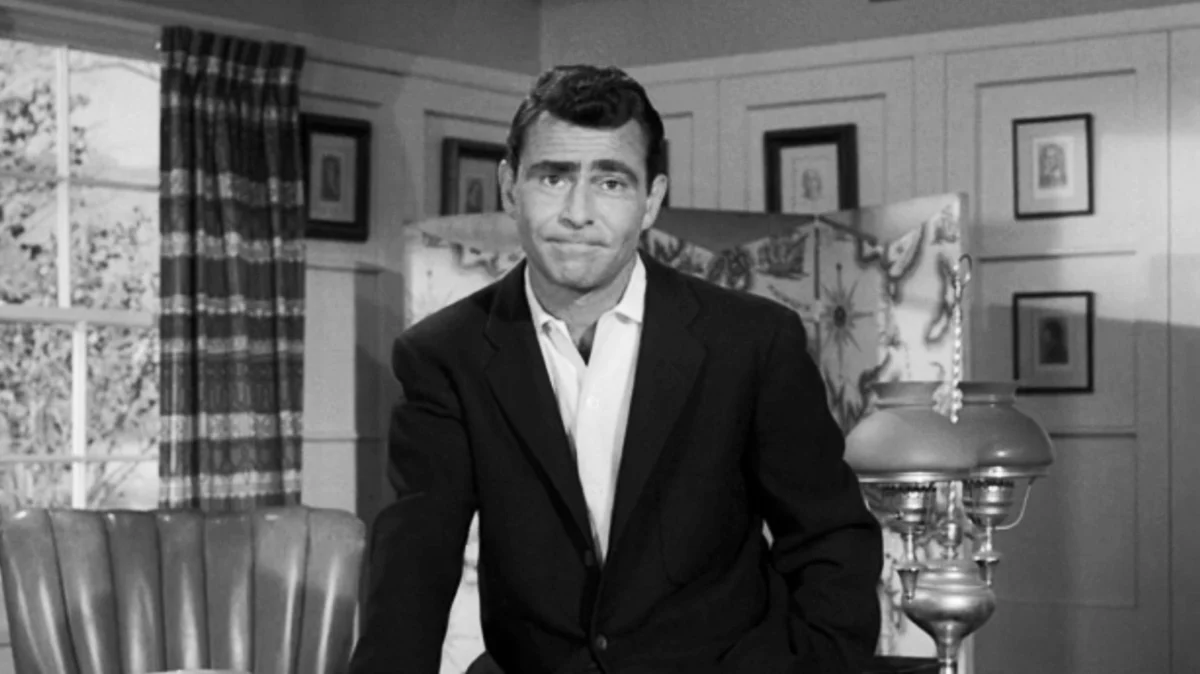
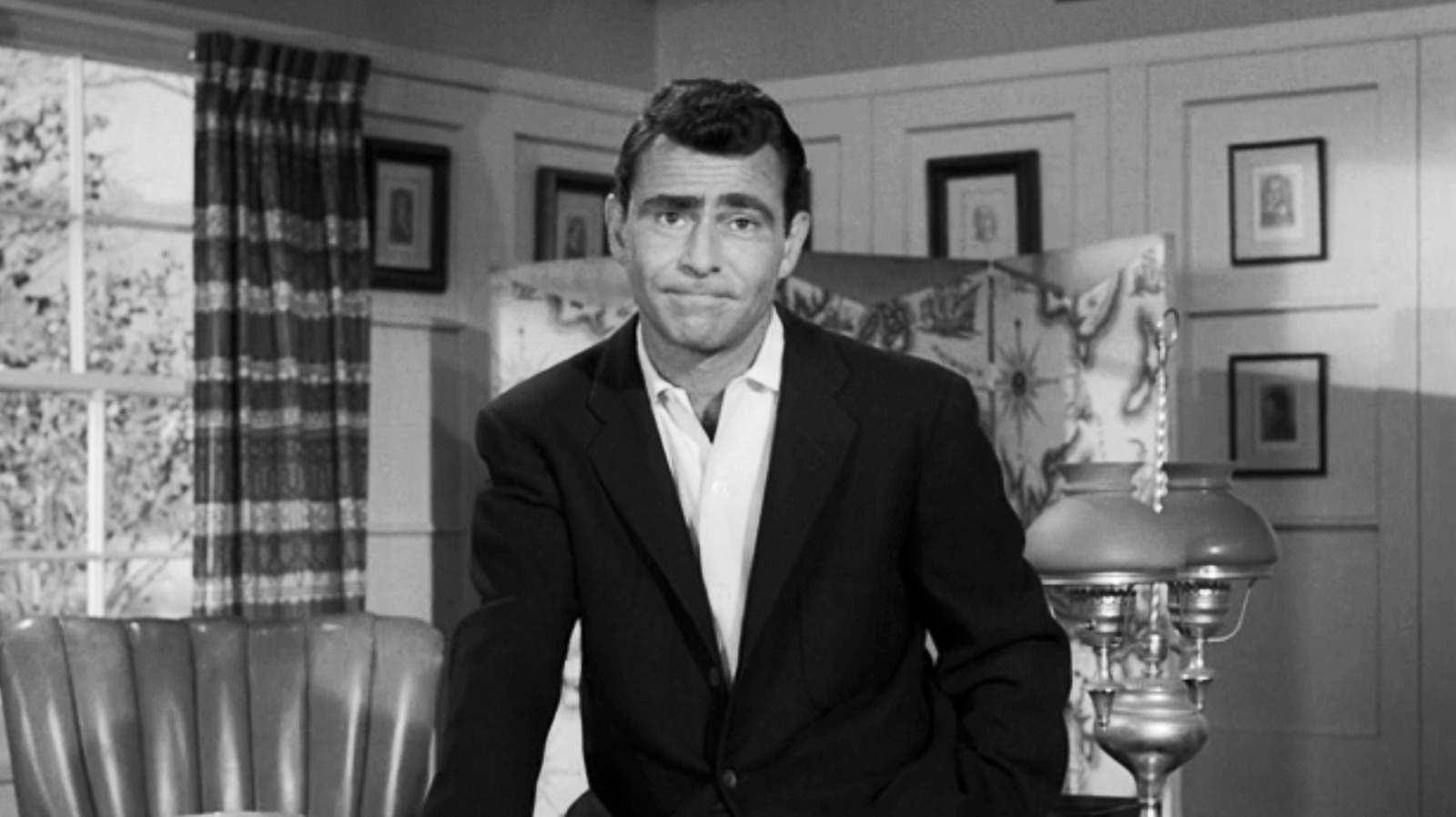
In the annals of television history, few names loom as large as Rod Serling. As the architect of "The Twilight Zone," Serling redefined the boundaries of genre storytelling, using science fiction and horror as a Trojan horse for biting social commentary. Yet, his later endeavor, the horror anthology "Night Gallery," serves as a poignant study of creative frustration. Despite his immense talent, Serling’s tenure on the show was marked by a persistent, often bitter struggle with network executives and producers. Perhaps no moment encapsulates this friction better than his unvarnished assessment of the 1971 episode "The Different Ones," a script he authored but ultimately condemned as “a piece of s***.”
The Main Facts: A Vision Betrayed
The central tragedy of "The Different Ones" lies in the disconnect between intent and execution. Serling, ever the humanist, wrote the segment as a poignant, sensitive fable exploring themes of physical difference, social ostracization, and the search for belonging. The narrative followed Paul Koch (played by Dana Andrews) and his son Victor (Jon Korkes), a young man born with severe facial differences. In a future where societal intolerance has rendered Victor an outcast, his father secures him a place in an inter-planetary exchange program to the planet Boreon—a world where Victor’s appearance is not a deformity, but a norm.
On paper, the script was quintessential Serling: a classic morality play designed to force the audience to confront their own biases. However, the finished product was a disaster in the eyes of its creator. Serling famously lamented that what was intended to be a tender, allegorical exploration of humanity was transformed during production into a cheap, “American International bug-eyed monster” flick. The nuance of the script was discarded in favor of aesthetic choices that Serling found offensive and reductive.
Chronology: From Twilight to the Gallery
To understand why Serling’s relationship with "Night Gallery" became so strained, one must look at the trajectory of his career following the 1964 conclusion of "The Twilight Zone."
- 1959–1964: The "Twilight Zone" era. Serling exercises significant creative control, writing 92 of the 156 episodes and cementing his reputation as a master of the medium.
- 1970: "Night Gallery" debuts on NBC. While Serling remains a prominent writer and host, the creative power structure is vastly different from his days on CBS.
- 1971: The release of "The Different Ones." The episode airs, marking a low point for Serling’s confidence in the production team.
- 1972: Tensions reach a boiling point as the show leans heavily into horror-centric vignettes and comedic "blackout" sketches.
- 1976: In one of his final interviews before his death, Serling reflects on the failures of his later work, explicitly naming "The Different Ones" as a script that was fundamentally broken by the production process.
Supporting Data: The Conflict of Tone
The discord surrounding "The Different Ones" was symptomatic of a larger ideological battle occurring behind the scenes of "Night Gallery." Under the direction of producer Jack Laird, the series drifted away from the intellectual, often poignant social critiques that Serling pioneered.
Laird’s mandate was simple: maximize the "scare" factor. This led to a tonal dissonance that bothered Serling deeply. The production team began inserting bizarre, comedic blackout sketches—often featuring lighthearted performers like Flip Wilson—immediately following harrowing, Poe-inspired segments. Serling was vocal about this jarring juxtaposition. As he noted in the biography "Rod Serling: His Life, Work, and Imagination," he felt it was impossible to maintain a cohesive narrative thread when the audience was forced to pivot from high-concept horror to slapstick comedy in under a minute.
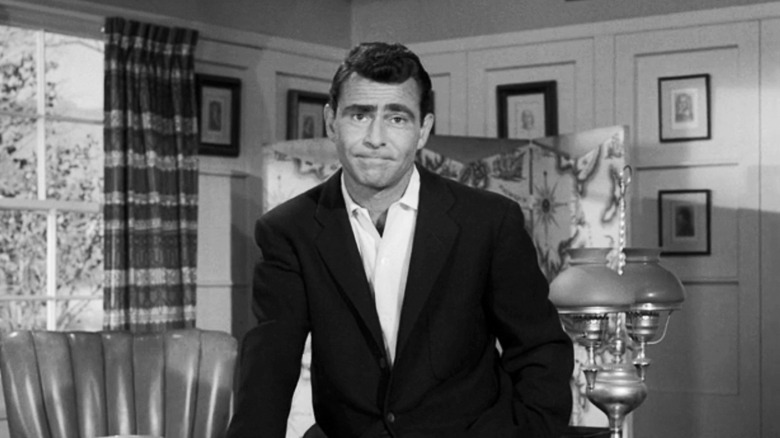
This creative environment created a vacuum where a script like "The Different Ones"—which required delicate handling to avoid falling into caricature—was doomed to fail. When the producers prioritized visual spectacle over the emotional core of the story, they effectively hollowed out the script, turning a story about the pain of being "different" into a superficial creature feature.
Official Responses and Reflections
Serling’s distaste for the final version of "The Different Ones" was not a fleeting emotional reaction; it was a deep-seated professional grievance. In a 1976 interview with Linda Brevelle, archived at RodSerling.com, the writer expressed a weariness that extended beyond a single bad episode.
"Jeez, there may be legion," he responded when asked which of his scripts were ruined by production. He drew direct parallels between his experience and that of his peers, such as Charles Beaumont and Ray Bradbury. Serling felt a deep empathy for fellow writers who saw their intellectual property mangled by studios. He cited the film adaptation of "The Illustrated Man," starring Rod Steiger, as a prime example of a profound source material being "p***** all over" by a production that failed to grasp the core thesis of the work.
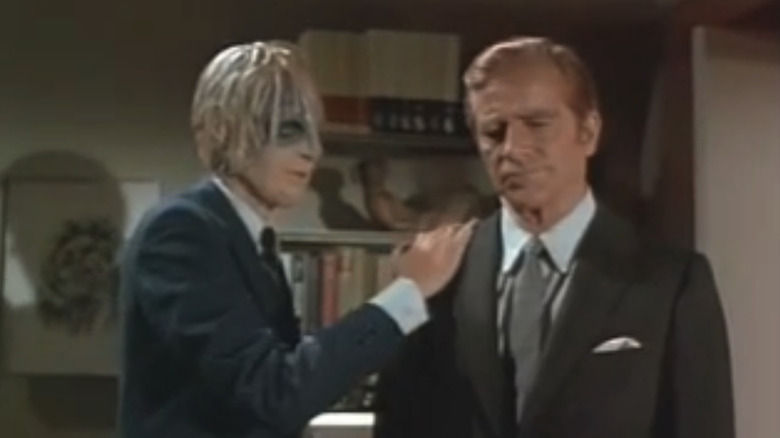
For Serling, these failures were not merely technical; they were personal. He viewed himself as a custodian of the audience’s empathy, and when a production team reduced his work to the level of a B-movie monster flick, he felt he had failed the very viewers he intended to provoke into deeper thought.
Implications: The Legacy of the "Writer-Producer" Tension
The case of "The Different Ones" serves as a cautionary tale regarding the erosion of the "auteur" model in television. Serling’s career highlights the shift from the writer-driven golden age of the 1950s to the studio-driven, high-concept era of the 1970s.
- The Loss of Creative Agency: When writers lose control over the tone and final cut of their work, the original intent is often the first casualty. Serling’s experience shows that even a master of the craft can be rendered impotent by a production team with a different vision.
- The "Genre" Trap: Serling’s frustration highlights the danger of forcing stories into a "horror" or "sci-fi" box. By focusing on the visual aspects of the "different" characters, the production ignored the human story, proving that genre elements are only as effective as the human drama anchoring them.
- The Enduring Standard: Despite his disdain for "Night Gallery," Serling’s insistence on quality control set a standard for what television could be. Even in his "failures," he was pushing for a level of depth that was rare for the time.
Ultimately, Rod Serling’s harsh words for "The Different Ones" were not born of vanity, but of a profound respect for the medium of television. He believed that the screen should be a mirror for society, not a funhouse mirror that distorted the truth into unrecognizable shapes. While "Night Gallery" found its audience and remains a beloved entry in the anthology canon, the episode stands as a testament to the fact that for Serling, the process of creation was never just about getting a script on screen—it was about ensuring the message remained intact. The "piece of s***" comment was the cry of a man who saw his art being stripped of its soul, a frustration that remains relevant to any writer navigating the complex, often conflicting demands of the entertainment industry today.

 Nana Muazin
 Nana
Nana