Lina Hope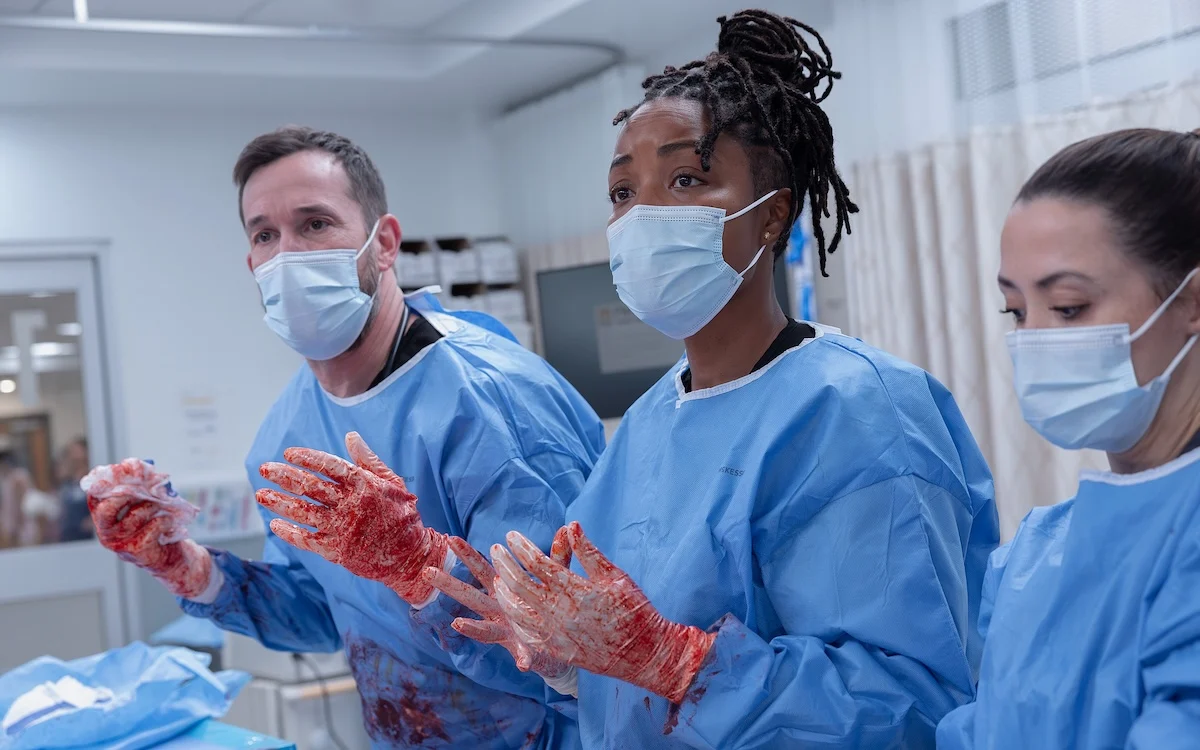
The medical drama, a television staple that has weathered decades of evolution—from the glossy, high-stakes heroics of ER to the character-driven melodrama of Grey’s Anatomy—has long been considered a "solved" genre. Critics often labeled it a dated format, burdened by formulaic tropes and predictable emotional beats. However, the arrival of The Pitt has fundamentally disrupted this narrative, proving that the genre is not only alive but capable of delivering some of the most harrowing, precise, and gripping television currently available.
Central to this revitalization is the show’s masterful editorial hand. During a recent appearance on IndieWire’s Craft Roundtables, editor Mark Strand pulled back the curtain on the technical and narrative philosophies that allow The Pitt to transcend the cliches of the hospital procedural. By prioritizing a clinical, objective perspective, Strand and his team have transformed the act of medical intervention into a high-stakes psychological thriller.
The Editorial Architecture: A Study in Restraint
At the core of The Pitt’s success is a deliberate editorial strategy that favors the physician’s perspective over the patient’s melodrama. In an era where television often leans into the sentimental, The Pitt chooses the cold, sharp edge of professional focus.
The Philosophy of "The Clinical Gaze"
Strand explains that the show’s guiding principle is simple but difficult to execute: keep the camera—and the narrative—tethered to the doctors. By doing so, the production avoids the common trap of becoming mired in the interpersonal theatrics of patients and their families.
"We are bouncing every feeling through our doctors," Strand noted during the roundtable. "They are diagnosing issues, trying not to be a part of the emotional journey of their characters. Obviously, they can’t help but be a part of that sometimes."
This choice is not merely a stylistic preference; it is an exercise in tension management. By positioning the audience as a silent observer standing right behind the surgeon’s shoulder, the show forces viewers to inhabit the pressure-cooker environment of the hospital. We don’t just watch the patient suffer; we watch the doctor wrestle with the burden of the diagnosis.
Chronology: From Concept to Cultural Phenomenon
To understand the impact of The Pitt, one must look at its trajectory within the current landscape of streaming and network television.
- Pre-Production and Pilot Phase: Development began with the goal of stripping away the "soapy" elements of the modern hospital drama. The creative team, including Strand, focused on research and the technical realities of modern medicine.
- The Pilot Release: Upon its debut, the show was immediately lauded for its pacing. Unlike its predecessors, which often relied on sweeping musical scores to dictate emotional beats, The Pitt utilized a rhythmic, clipped editing style that mirrored the chaotic cadence of a trauma center.
- Mid-Season Evolution: As the show progressed, the editing team refined their "perspective" rule. They realized that by intentionally distancing the audience from the patient’s personal drama and keeping the lens firmly on the medical professional, they could generate more empathy for the doctors—the very people viewers are meant to root for over the long haul.
- The Roundtable Revelation: Strand’s recent appearance on the IndieWire Craft Roundtables served as the unofficial "thesis statement" for the show’s success, offering industry peers and fans a glimpse into the granular decisions that dictate the show’s pulse.
Supporting Data: Why Perspective Matters
In the world of television editing, the "POV" (Point of View) is the most powerful tool in the arsenal. Strand’s methodology provides a clear example of how editing can change the genre of a scene.
The Mechanics of Emotional Distance
When a scene features a patient and their spouse arguing, a standard drama might cut between the two, focusing on tears, shouting, or physical contact. The Pitt takes a different approach. Strand explains:
"Rather than getting in between two patients or a patient’s spouse, that moment will be observed from our doctors’ point of view. And that’s how we at least take one step away from that. And those are the people we care about the most anyway, they’re our characters. And so it’s really how it’s effecting them, and so we try to stick to that."
This "step away" is crucial. By observing the drama through the eyes of the physician, the audience is reminded that the doctor is human. They aren’t robots; they are individuals trying to maintain their composure while the world around them falls apart. This subtle editorial pivot elevates the show from a medical soap to a psychological study of professionals under extreme duress.
Official Responses and Industry Reception
Industry analysts have been quick to praise The Pitt for its technical precision. Following the Craft Roundtables episode, several critics noted that the show’s editing serves as its "invisible hero."
"Mark Strand isn’t just cutting scenes; he is conducting a symphony of clinical detachment," noted one television critic. "The decision to prioritize the doctors’ interior lives over the exterior noise of the hospital ward is what gives the show its unique, jagged, and entirely addictive rhythm."
The show has become a gold standard for modern editing, with many calling for a greater focus on the "craft" of television storytelling in awards conversations. The editorial team’s ability to weave technical jargon, high-stress medical action, and character development into a cohesive narrative has set a new benchmark for procedural dramas.
The Broader Implications for Television
The success of The Pitt signals a potential shift in how we tell stories within the medical genre. For years, the industry operated under the assumption that audiences needed constant, overt emotional cues to stay engaged. The Pitt proves the opposite: that restraint, when applied with surgical precision, can be more effective than excess.
The Death of Melodrama?
If The Pitt continues its upward trajectory, we may see a decline in the "soapy" medical drama format. As audiences become more sophisticated, the demand for authenticity increases. Shows that treat the profession of medicine with gravity—and that respect the viewer’s intelligence—are finding an eager audience.
The Future of the "Craft-First" Approach
Strand’s insights highlight a broader trend in television: the rise of the "Craft-First" production. In a crowded marketplace, visual and rhythmic storytelling is becoming a primary differentiator. When scripts are similar, the editing—the way the show "breathes"—becomes the deciding factor in whether a viewer stays for the next episode or clicks away.
Conclusion: A Masterclass in Tension
The Pitt has succeeded not by inventing a new genre, but by perfecting the mechanics of an existing one. By stripping away the unnecessary and doubling down on the perspective of its protagonists, the production has crafted an experience that feels raw, real, and relentlessly gripping.
As Mark Strand’s contributions demonstrate, the difference between a forgettable procedural and a modern classic often lies in the cutting room. By keeping the camera focused on the doctors, the team behind The Pitt has managed to capture the true, often invisible, cost of medical heroism. They have shown that you don’t need to lean into melodrama to create drama; sometimes, the most profound tension is found in the quiet, focused eyes of a doctor trying to save a life, one precise decision at a time.
For aspiring editors and narrative storytellers, The Pitt stands as a testament to the power of perspective—a reminder that in the story of life and death, where you choose to place the lens changes everything.


 Nana Muazin
 Nana
Nana