Iffa Jayyana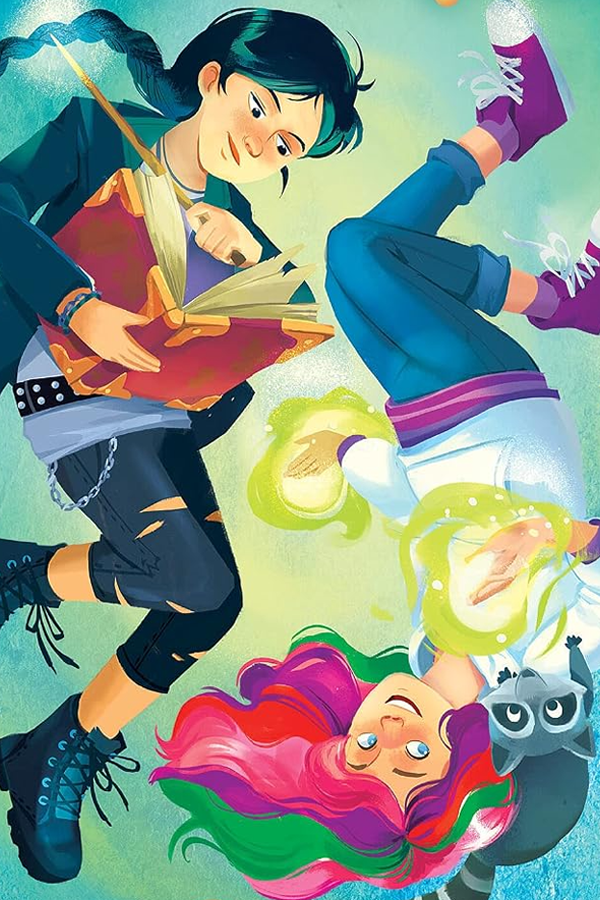
In the landscape of modern literature, the concept of "whimsy" is often dismissed as mere escapism—a sugary coating for the harsher realities of life. However, for those who champion the "Necessary Whimsy" movement, this aesthetic is far more than a literary device; it is a vital mechanism for survival. As we celebrate Pride Month, it is essential to reframe how we view LGBTQIA+ narratives: not just as stories to be consumed for pleasure, but as potent tools of resilience, comfort, and political defiance.
The Dual Nature of Whimsy: Comfort and Consequence
To understand the necessity of queer whimsy, one must first dismantle the misconception that it is inherently frivolous. At its core, whimsy serves two distinct, often contradictory functions. It is, as the "Necessary Whimsy" column posits, a "sparkly rainbow blanket" designed to wrap the heart in comfort during times of societal hostility. Yet, it is also a brick—a hard, unyielding object that can be cast against the monolith of hate and injustice.
The history of the Pride movement itself is the ultimate manifestation of this duality. A Pride parade is a riotous explosion of joy, color, and radical self-expression, yet it is a celebration that would not exist without the literal riots that sparked the modern liberation movement. Whimsy, in this context, is the fuel that sustains the community during the "rough times," providing the emotional replenishment required to return to the front lines of the struggle. It is the act of choosing joy in a world that demands erasure.
Chronology: From Subculture to Mainstream Essential
The evolution of queer whimsy as a literary category has followed a distinct trajectory over the last decade:
- 2014–2017 (The Emergence): Queer themes began to shift from strictly "issue-based" trauma narratives toward genre-bending fiction. Authors started reclaiming fantasy, sci-fi, and YA tropes, inserting queer identities into worlds where their existence wasn’t the sole plot point.
- 2018–2021 (The Visibility Boom): With the rise of digital book communities and platforms like Book Riot, the "cozy" queer aesthetic took hold. Titles like The House in the Cerulean Sea signaled a massive appetite for queer stories that prioritized happiness and wonder.
- 2022–Present (The Breaking Point): As legislative attacks on LGBTQIA+ books reached record highs, the "whimsy" movement took on a sharper, more protective edge. The literature became an act of civil disobedience. Supporting these titles is no longer just a personal choice; it is a professional and ethical imperative for readers, librarians, and booksellers.
Supporting Data: The Economic and Cultural Case for Queer Literature
Why should readers prioritize LGBTQIA+ titles during Pride and beyond? The argument is twofold: selfish gratification and collective support.
From a reader’s perspective, the diversity of queer literature offers a wealth of "delicious book morsels"—imaginative, complex, and emotionally resonant stories that push the boundaries of genre. To overlook these works is to miss out on some of the most innovative writing currently being produced.
From an industry perspective, the support is critical. As highlighted by Book Riot and contemporary authors like Malinda Lo, the market for queer books is currently at a breaking point. Factors such as censorship, library defunding, and supply chain volatility have put queer authors in a precarious position. When readers purchase these books, they are not just buying a product; they are sustaining a fragile ecosystem. They are providing the financial stability that allows authors to write, booksellers to stock their shelves, and librarians to advocate for intellectual freedom.
Official Context: Voices from the Front Lines
The current atmosphere surrounding queer literature is one of both intense creativity and significant external pressure. Malinda Lo, a titan of the genre, has noted the shifting landscape of queer publishing. While her own work often leans into high-stakes narrative tension rather than traditional "whimsy," her presence as an advocate for queer representation underscores the interconnectedness of the community.
Industry professionals—from independent booksellers who reject algorithmic recommendations in favor of human connection, to librarians fighting against book bans—are the silent partners in this endeavor. Their consensus is clear: the act of reading is a political act. By curating, recommending, and reading queer stories, they are creating a sanctuary for readers who may not find one elsewhere.
Selected Works: A Sample of Queer Whimsy
To engage with this movement, one must start by exploring the depth of the genre. Here are five essential titles that embody the spirit of "Necessary Whimsy":
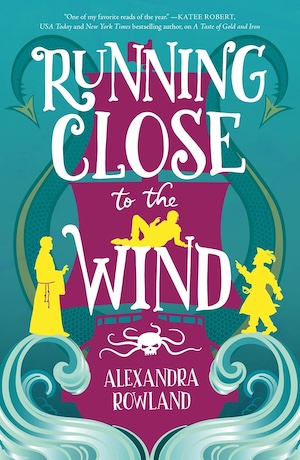
1. Running Close to the Wind by Alexandra Rowland
For fans of the cancelled-too-soon Our Flag Means Death, Rowland provides a masterclass in pirate-themed, high-stakes whimsy. Featuring an intelligence officer turned poet and an ex-lover turned pirate captain, the novel navigates the treacherous waters of love, luck, and the absurdity of being hunted for a song.
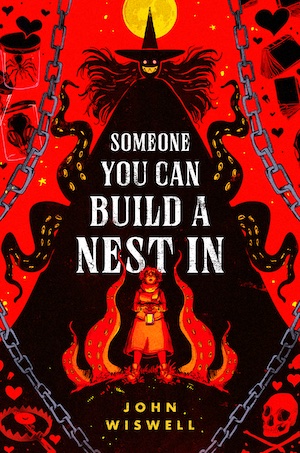
2. Someone You Can Build a Nest In by John Wiswell
This novel challenges the definition of a monster. Shesheshen, an amorphous, shapeshifting creature, finds herself in a surprisingly tender romance after being nursed back to health by a human. It is a brilliant, messy, and deeply empathetic exploration of trauma and found family that reminds us that everyone—even a blob monster—deserves a home.
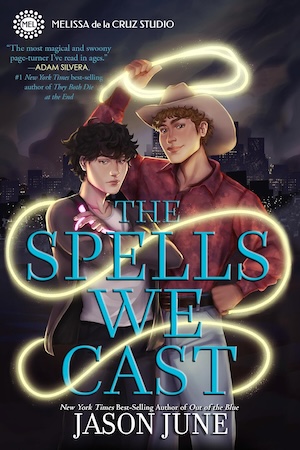
3. The Spells We Cast by Jason June
Merging fantasy tropes with Western aesthetics, June delivers a story that feels like a love letter to the "grumpy/sunshine" dynamic. With magic competitions, lasso-wielding wizards, and high-stakes family drama, it is a perfect example of genre-blending at its most delightful.
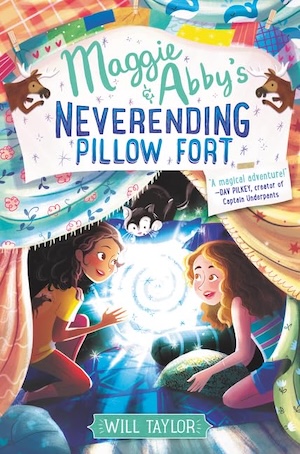
4. Maggie & Abby’s Neverending Pillow Fort by Will Taylor
At the heart of this story is the struggle of growing apart, softened by the literal magic of interconnected pillow forts. It is a poignant look at the impermanence of childhood friendships and the "NAFAFA" (North American Founding and Allied Forts Alliance), serving as a reminder that whimsy is often the only thing that can bridge the gap between changing hearts.
5. Cattywampus by Ash Van Otterloo
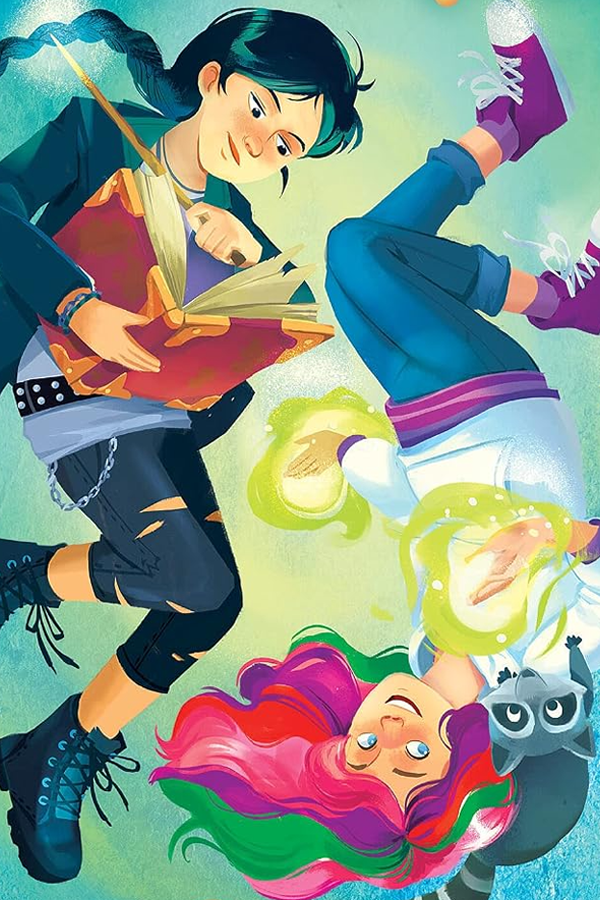
Often described as the "cutest zombie book ever," this Appalachian-set tale tackles the complexities of ancestral magic and the "power of friendship." By centering queer identity within a framework of family feuds and raccoon familiars, Van Otterloo proves that local, specific settings can anchor the most fantastical of premises.
Implications: A Call to Action
The implications of the "Necessary Whimsy" movement extend far beyond the bookshelf. When we choose to engage with, promote, and protect queer stories, we are asserting a fundamental truth: that the stories of LGBTQIA+ people are not fringe, not experimental, and not optional. They are central to the human experience.
This month, the challenge to the reader is simple: treat yourself. Seek out the joy, the magic, and the defiance inherent in queer literature. But beyond that, recognize the responsibility that comes with being a reader in a climate of censorship. The "team"—the authors, the independent booksellers, and the librarians—are working to bring these stories to light. They deserve our support.
Finally, the dialogue must remain open. The list provided here is non-exhaustive, merely a gateway into a vast, shimmering world of queer narrative. If you have a story—a book, a film, a show like The Owl House or the off-kilter brilliance of Los Espookys—that has brought you light or served as your weapon, share it. As the adage goes: it is good to share. By building this community of readers, we ensure that the "Necessary Whimsy" continues to provide both the comfort to heal and the bricks to fight.


 Reynand Wu
 Asep Darmawan