Jia Lissa
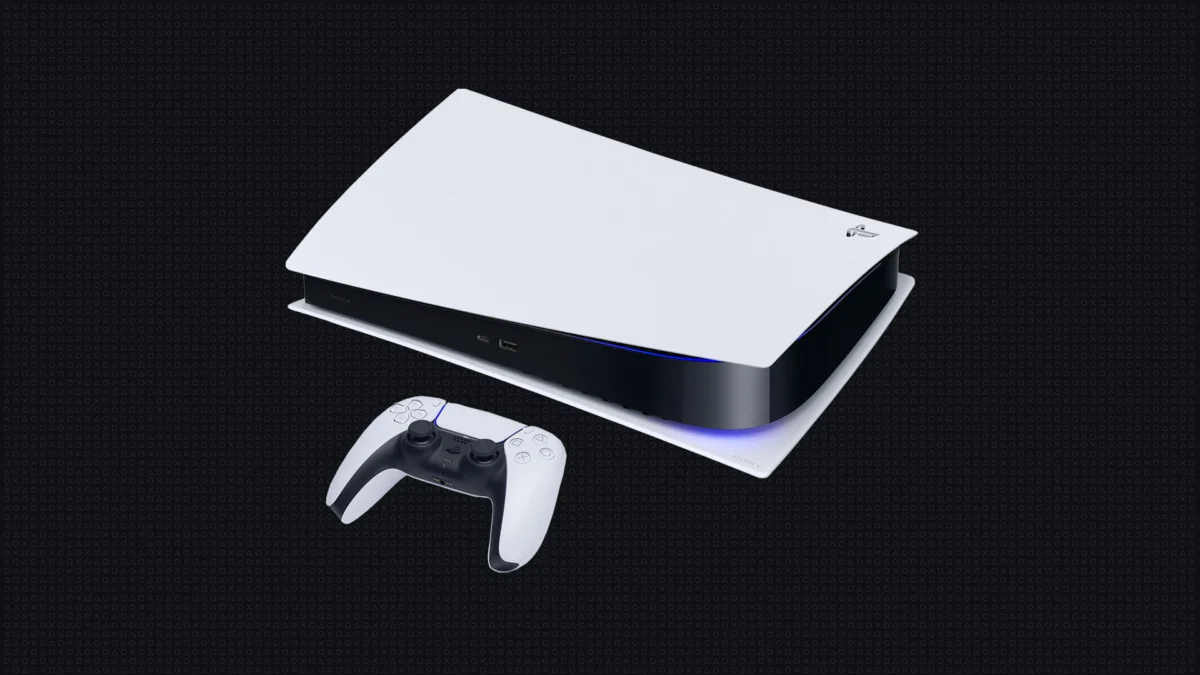
In a significant pivot, Sony appears to be scaling back its PC porting strategy for first-party single-player PlayStation 5 titles. Reports suggest that a primary driver behind this shift is the perceived lack of substantial financial returns from these conversions, prompting a re-evaluation of how the company leverages its coveted intellectual property.
The Shifting Sands of PlayStation’s PC Presence
For years, the question of Sony’s commitment to PC gaming has been a subject of intense speculation and debate among players and industry observers. While initially hesitant, the company gradually began to bring select flagship titles to the PC platform, often years after their initial PlayStation debut. This move was widely interpreted as a strategic effort to broaden the reach of its acclaimed games, tap into a new revenue stream, and potentially cultivate new fans who might eventually transition to the PlayStation ecosystem.
Early forays, such as the PC releases of Horizon Zero Dawn and Days Gone, were met with considerable enthusiasm and, by all accounts, strong initial sales. These titles served as powerful testaments to the graphical prowess and compelling narratives that PlayStation exclusives were known for. However, subsequent PC ports of highly anticipated titles, including sequels like God of War Ragnarok and Marvel’s Spider-Man 2, have reportedly seen a noticeable decline in their sales momentum and player engagement once the initial novelty subsided.
This observed trend has led to a growing consensus within the industry that the profitability of these PC ports may not be meeting Sony’s expectations. While concrete, officially released sales figures for these PC versions remain elusive, analysts and journalists have sought to infer trends through observable data, such as concurrent player counts on platforms like Steam.
A Closer Look at the Data and Developer Insights
Analytics firm Alinea, in estimates released late last year, indicated a pattern that aligns with this narrative of diminishing returns. Their analysis suggested that while Sony had generated a substantial amount of revenue from its Steam endeavors, an undeniable tapering off of interest was occurring. This observation, coupled with recent developments, paints a clearer picture of Sony’s internal deliberations.

The recent "wishy-washy" statements from PlayStation CEO Hideaki Nishino earlier this week did little to definitively clarify Sony’s long-term PC strategy, leaving many to ponder the company’s direction. However, a more direct insight has emerged from a respected voice in the gaming journalism sphere. Bloomberg reporter Jason Schreier, engaging in discussions on the ResetEra forums, shed light on the internal rationale behind Sony’s evolving approach.
Schreier revealed that Hermen Hulst, the head of PS Studios, addressed staff in a town hall meeting a few weeks prior, articulating the company’s decision-making process. According to Schreier, who confirmed the information with two individuals present at the meeting, Hulst stated that their single-player narrative games would henceforth be exclusive to PlayStation platforms. The reasoning provided was multifaceted:
- Inconsistent PC Releases: Sony had reportedly been inconsistent in its approach to PC releases, leading to uncertainty for both developers and consumers.
- Insufficient Profitability: Hulst explicitly stated that these PC ports "didn’t make enough money," indicating that the financial gains were not justifying the investment and effort.
- Platform Alignment: A key strategic goal is to "keep their IP aligned to their own platform," reinforcing the importance of the PlayStation ecosystem as the primary destination for their flagship single-player experiences.
This direct communication from a senior Sony executive provides a compelling, albeit unconfirmed by Sony officially, explanation for the observed shift in strategy.
The Player Divide: Console Loyalty vs. PC Accessibility
The implications of Sony’s potential pivot have, predictably, divided opinion amongst its fanbase. Within the gaming community, and particularly on platforms like Push Square, polls have consistently shown a significant leaning towards the sentiment that Sony’s resources and development efforts should be primarily concentrated on its own console. This perspective often champions the idea of enhancing the exclusive value proposition of the PlayStation platform, a sentiment echoed by CEO Hideaki Nishino.
Nishino’s earlier remarks emphasized the company’s desire to "enhance the unique value of the gameplay experience that can be delivered on PlayStation." This aligns with the perspective that by focusing solely on their console, Sony can better curate and deliver experiences that are optimized for the platform and its unique features, thereby strengthening the appeal of owning a PlayStation.

However, a vocal segment of PC players argues that Sony’s PC porting strategy has been a self-fulfilling prophecy of sorts. They contend that many of these ports were released in a suboptimal state, plagued by technical issues, and often arrived significantly later than their console counterparts, at premium price points. The argument put forth is that if these games were released day-and-date with their PlayStation counterparts, and in a more polished condition, they would have garnered substantially higher sales figures. This viewpoint suggests that Sony’s own execution of its PC porting strategy may have inadvertently undermined its potential success.
Financial Realities and Ecosystem Protection
From a broader financial perspective, the decision to curtail PC ports likely stems from a careful calculation of Sony’s overall revenue streams. While the PC market represents a significant and growing segment of the gaming industry, the majority of PlayStation’s profits are demonstrably generated within its own tightly controlled ecosystem.
The introduction of major PlayStation exclusives to PC, especially on a day-one basis, could potentially cannibalize sales of the PlayStation console itself. Sony has historically relied on the allure of its exclusive titles to drive hardware sales, a strategy that has proven remarkably successful. Releasing these games simultaneously on PC could diminish the urgency for players to purchase a PlayStation console, thereby impacting hardware revenue and the broader PlayStation ecosystem.
It is plausible that Sony initially viewed PC ports as a means to extend the commercial lifecycle of its games, attract new players who might not own a PlayStation, and ultimately convert them into loyal PlayStation customers. However, the analysis suggests that the "juice wasn’t worth the squeeze" – the return on investment and the strategic benefits did not outweigh the potential risks to their core business.
The Future Landscape: A Refined Approach to Exclusivity
The apparent shift in Sony’s PC porting strategy signals a recommitment to its console-centric business model. This decision, while potentially disappointing for some PC gamers, underscores Sony’s firm belief in the enduring power and profitability of its exclusive first-party content.

While the era of widespread, delayed PC ports of single-player PlayStation titles may be drawing to a close, it’s important to note that Sony has indicated a continued presence on PC, particularly for its multiplayer titles. This suggests a more targeted and strategic approach, likely focusing on games that have a clear and demonstrable path to profitability on PC without compromising the exclusivity of its most prized single-player experiences.
Ultimately, Sony’s decision to re-evaluate its PC porting strategy is a testament to its evolving understanding of the gaming market and its unwavering commitment to safeguarding and enhancing the value of its PlayStation platform. As the industry continues to evolve, Sony’s focus on delivering unparalleled gaming experiences on its own hardware, while selectively engaging with the PC market, is likely to remain a cornerstone of its long-term success. The company is clearly prioritizing the cultivation of its established ecosystem, ensuring that its most impactful titles remain the primary draw for PlayStation ownership.

 Lina Irawan
 Sagoh
Sagoh