Raul Delapena Setiawan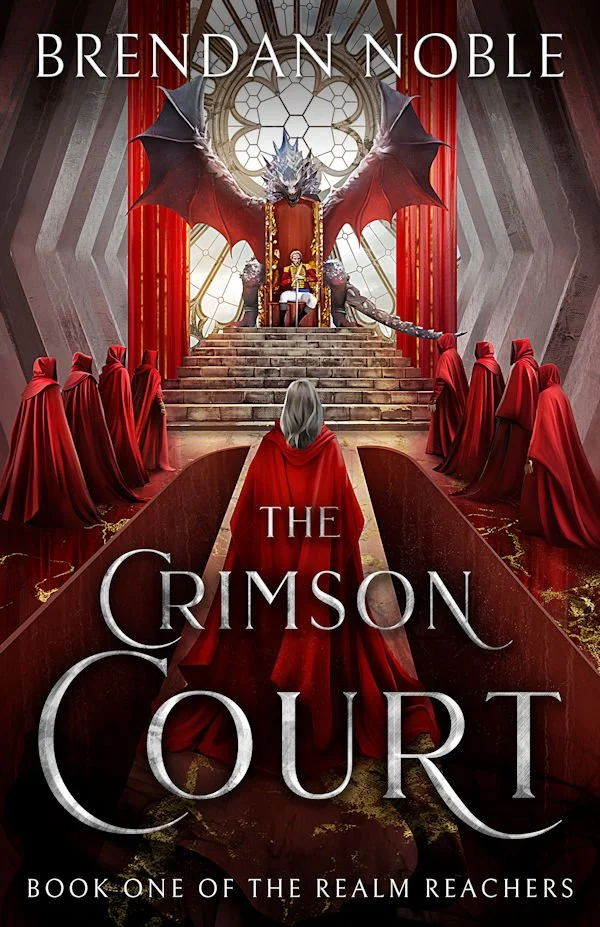
As the eleventh annual Self-Published Fantasy Blog-Off (SPFBO) enters its final stages, the editorial team at Fantasy-Faction has reached a pivotal juncture. We are nearing the conclusion of our scheduled "cut posts"—a transparent, albeit difficult, process of narrowing the field of entries down to our four definitive semi-finalists. With three more titles released from contention today, the anticipation surrounding the final selection process has reached a fever pitch.
The SPFBO remains one of the most significant barometers for the health and diversity of the independent publishing scene. By inviting hundreds of authors to submit their work, the contest serves as both a high-stakes competition and a massive discovery engine for readers. As we prepare to turn our full attention to the remaining contenders, we take this opportunity to reflect on the books that defined our "Sixth Fall" and examine the critical feedback that informs our decision-making.
The SPFBO Selection Process: A Methodology of Subjectivity
Before delving into the specific titles, it is essential to reiterate the philosophy guiding our selection. The SPFBO does not operate on a binary "good versus bad" metric. Instead, our judges evaluate books based on narrative cohesion, character depth, prose quality, and thematic execution.
We do not read in a specific rank-order, nor do we cut books from "worst to best." Rather, our process is iterative: we read a selection of titles simultaneously, engage in internal debates, and slowly winnow the list. This subjectivity is our greatest strength; what fails to resonate with our panel may be a hidden gem for a different reader. We encourage our audience to explore these titles independently, as personal preference is the final arbiter of any work of art.
We extend our deepest gratitude to every author who submitted their work to this year’s competition. The act of exposing one’s creative labor to the scrutiny of a public panel is an act of profound courage. Regardless of the outcome, these authors have contributed to the vibrant, ever-expanding tapestry of modern fantasy literature.
Analysis of the Sixth Fall: Three Unique Visions
Today’s cuts involve three distinct voices in fantasy, each exploring vastly different sub-genres—from tech-infused urban fantasy to gaslamp political intrigue and sprawling epic narratives.

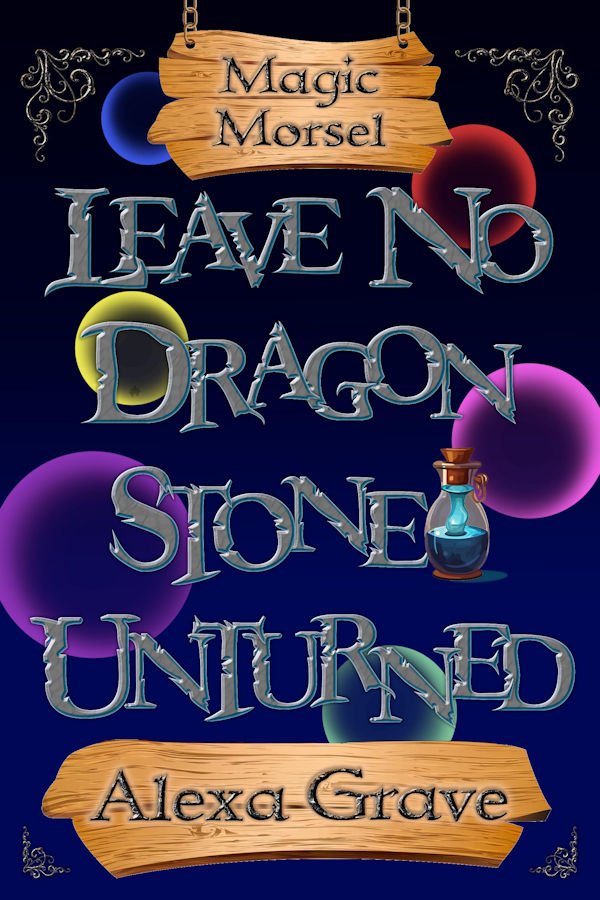
Leave No Dragon Stone Unturned by Alexa Grave
This urban fantasy outing centers on Lila, a half-elf tech-mage who operates a neutral-ground establishment known as the Magic Morsel. The premise is undeniably compelling: in a world where humans, fae, and elves clash, Lila acts as a broker of deals. The story kicks into gear when a half-elf named Ash presents her with a mysterious object, launching a journey into the "Ruins"—a forbidden city distorted by chaotic, lightning-rich wild magic.
Critical Reception:
The consensus among our judges was that the book is fun, breezy, and inventive. The concept of "tech-magic" is a standout feature that feels fresh within the urban fantasy market. However, a significant point of contention arose regarding the narrative’s focus on the protagonist’s romantic life.
Judge Kerry noted that while the world-building—featuring necromancers and treacherous, mutated landscapes—was high-quality, the story was frequently derailed by the protagonist’s internal monologues regarding her libido and her attraction to her client. "My problem was almost every other page was Lila thinking how hot her client was," Kerry remarked.
Conversely, Judge Julia appreciated the book as a piece of "comfort food fantasy." She noted that while the plot contained significant gaps, the book’s self-awareness—not taking itself too seriously—made it an enjoyable read for those seeking slow-burn romance. Ultimately, the book is a victim of its own genre-blurring; it succeeds as a romantic fantasy but falters for readers seeking a more plot-driven urban fantasy experience.
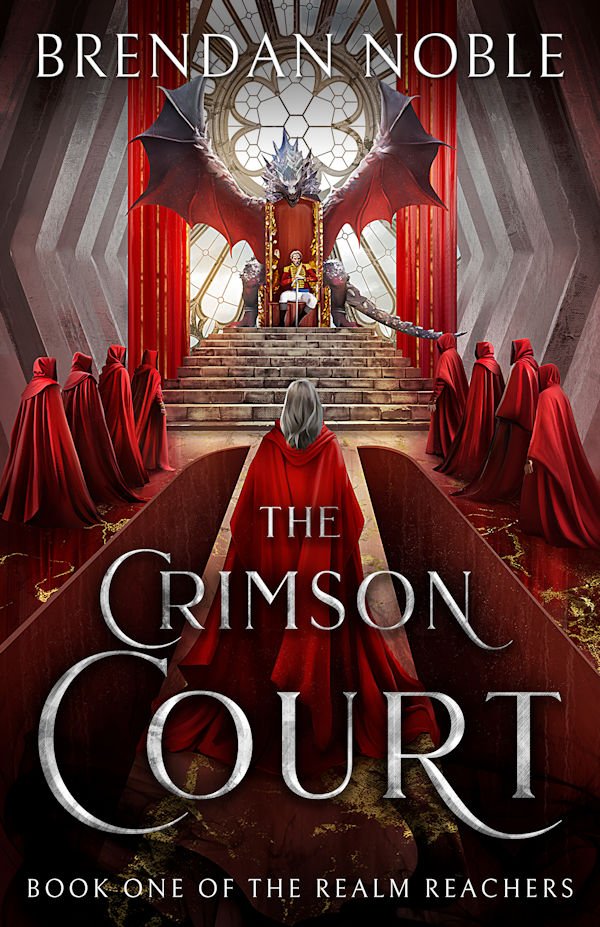
The Crimson Court by Brendan Noble
Brendan Noble’s The Crimson Court presented the team with one of the most frustrating challenges of the competition: a book with brilliant, high-concept world-building that struggled under the weight of its own execution.
Chronology and Narrative Arc:
The story follows Kasia Niezik, a survivor of a fallen house seeking revenge against the Crimson Court—an elusive, near-immortal cabal. The setting, a Russian and Siberian-inspired gaslamp world, immediately captivated our judges. The magic system, based on drawing power from fifteen distinct realms, is arguably one of the most inventive entries this year.
The Challenges of Length:
At over 700 pages, the novel suffered from pacing issues that worsened as the story progressed. While the opening chapters were praised as potential "competition winners," the middle section became long-winded. Our panel noted that the characters often felt like archetypes rather than individuals, with motivations stated explicitly by the author rather than demonstrated through organic character development.
However, the book deserves credit for its inclusive world-building. The handling of diverse identities—including LGBTQIA+ normalization and disability representation—was handled with a light, effective touch. Stacey, who experienced the story via audiobook, found it to be the most immersive of the three, suggesting that the format helped bridge the gap where the prose occasionally stumbled.
Remnant by K. R. Solberg and C. R. Jacobson
Remnant represents the "epic fantasy" entry of this group, focusing on a complex web of smugglers, rogues, and immortals.
Supporting Data and Criticisms:
The team’s engagement with Remnant was, unfortunately, minimal. While the initial hook—the death of an immortal—was effective, the story quickly collapsed under the weight of an excessive character list. Our judges reported that they struggled to maintain a mental map of the cast, noting that the characters often felt like "names crossing the page" rather than fully realized entities.
Furthermore, the prose was frequently described as "wordy" and lacking in narrative drive. For an epic fantasy, which requires a sense of momentum and cohesive world-building, the lack of clarity in Remnant proved to be a terminal issue for our panel. While it may appeal to readers who enjoy high-complexity, low-pacing epic fantasy, it did not survive the rigors of our competitive cycle.
Implications for Future Contestants
What can aspiring authors learn from these cuts? The SPFBO remains a demanding arena where clarity and pacing are paramount.
- Balance the Narrative: As seen in Leave No Dragon Stone Unturned, genre expectations must be carefully managed. If a book leans heavily into romance, the plot-driven elements must be robust enough to satisfy those who are not primarily reading for the "spice."
- The "Middle-Book" Slump: The Crimson Court highlights the danger of excessive word count. In a competitive environment, maintaining the reader’s engagement over 700 pages requires an impeccable editorial hand. Ambition must be matched by structural discipline.
- Character Agency: A vast cast, as demonstrated by Remnant, can be a liability. If readers cannot connect with the characters on an emotional level, the most intricate magic system in the world cannot save the narrative.
Looking Ahead: The Road to the Semi-Finals
With these three books now cut, our path to the semi-finals is nearly clear. We have only two more books remaining in this phase of the competition before we transition to our dedicated reviews for the four semi-finalists.
We remind our readers that the full list of 300 entries can be found on Mark Lawrence’s official website. The SPFBO is more than just a list of winners; it is a community of authors, judges, and readers who are all dedicated to the future of the fantasy genre.
We would like to acknowledge the tireless work of our judges this year: Adawia Asad, Eva Geraghty, Evelyn Grimald (“E.G.” Stone), Julia Kitvaria Sarene, Karen Lucia, Kerry Smith, Kit Caelsto, Maureen Neuman, Robert Max Freeman, Sara Rosevear, Sherry Cammer, Stacey Markle, Tianna Twyman, and Yaniv Rosenfeld Cohen.
For any inquiries or further information regarding the contest, please contact our editor, Jennie Ivins, via our social media channels on Bluesky or Threads. Thank you for following us through this journey—stay tuned as we announce our final semi-finalists in the coming weeks.


 Dwi Wanna
 Siti Muinah