Dwi Wanna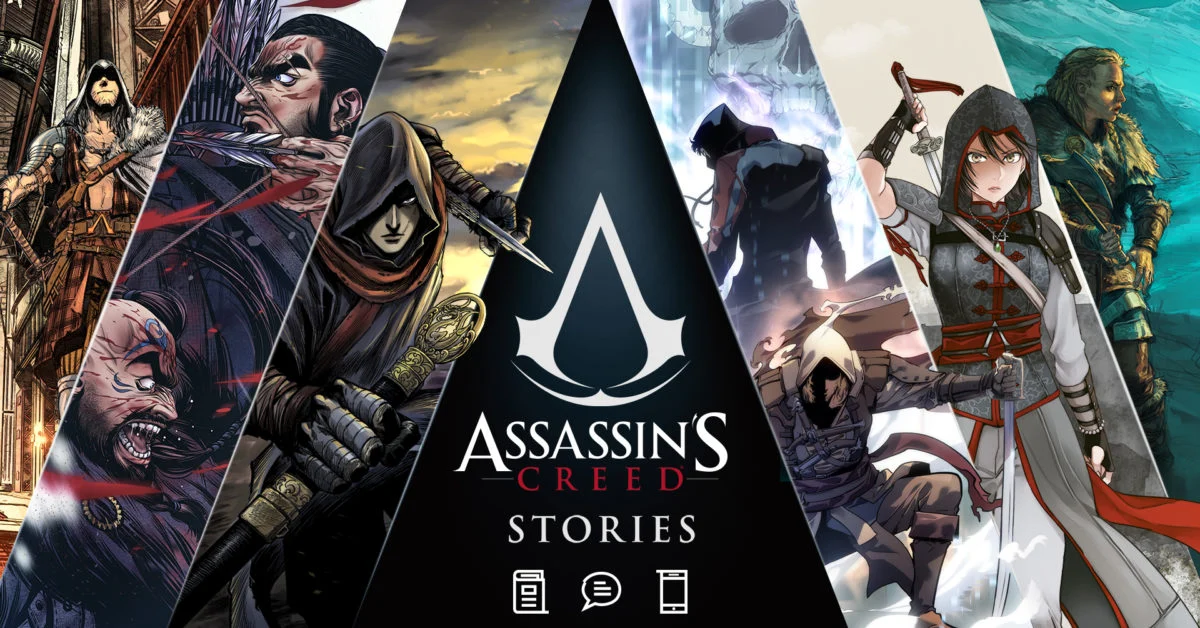
The Assassin’s Creed franchise, a cornerstone of modern interactive entertainment since its debut in 2007, is preparing for its most significant structural evolution to date. Ubisoft has officially announced a comprehensive, multi-platform expansion strategy that aims to propel the centuries-old struggle between the Assassin Brotherhood and the Templar Order into every corner of contemporary media.
By diversifying its narrative output through novels, graphic novels, manhuas, webtoons, and immersive audio podcasts, the publisher is signaling a shift from a game-centric model to a true "transmedia universe." This initiative is designed not only to deepen the lore for longtime fans but to reach new audiences through culturally localized storytelling.
The Pillars of Expansion: A New Classification System
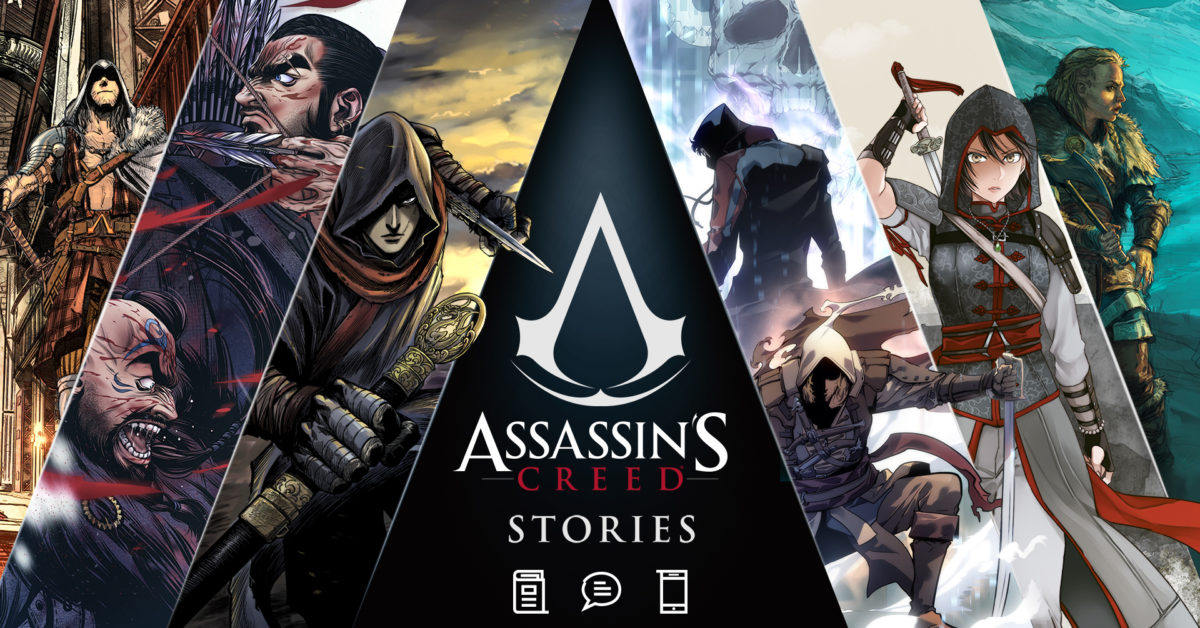
Ubisoft has categorized this ambitious slate of new content into three distinct pillars, ensuring that both newcomers and lore-obsessed veterans can navigate the expanding catalog with ease:
- Classics: These works serve as direct narrative adaptations or expansions based on the core stories established within the mainline video games.
- Chronicles: These projects focus on the established, iconic Assassins fans have come to love, offering new adventures that fill the gaps in their personal histories or explore uncharted chapters of their lives.
- Originals: Perhaps the most experimental tier, this category features entirely new protagonists, novel settings, and historical time periods that have not yet been touched by the games.
A Global Vision: Cultivating Localized Storytelling
At the heart of this expansion is a commitment to authenticity. Recognizing that the history of the world is vast and the Assassin’s Creed concept—a secret war fought through the ages—is modular, Ubisoft has actively courted creators from Asia, Europe, and North America.
"With a license as rich as Assassin’s Creed, many creators are excited to offer their vision of the franchise," noted Aymar Azaïzia, Transmedia Director at Ubisoft Montreal. "It’s a great creative opportunity to publish a work that is relevant to the genre in question and produced by authors or illustrators who are recognized in their field."
This global approach is particularly evident in the company’s recent focus on Asian markets. By collaborating with established authors and artists from China, Japan, and Korea, Ubisoft is developing localized manhuas and webtoons that resonate with the artistic sensibilities of those regions while maintaining the rigorous historical research expected of the brand.
Julien Fabre, Associate Director of Publishing at Ubisoft, emphasized the strategic importance of these partnerships. "With so many creators from all over Asia delivering innovative content, a priority for Ubisoft has been to forge new relationships with talented partners in the region."
Detailed Breakdown of Upcoming Titles
Ubisoft’s publishing docket is packed with high-profile releases scheduled for the coming year. Here is a closer look at the key titles leading the charge:
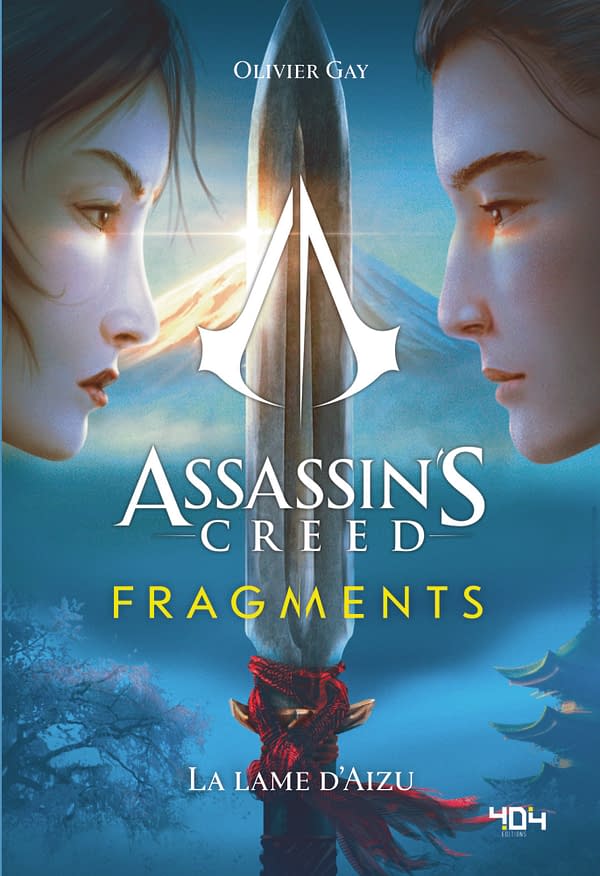
1. Assassin’s Creed: Fragments (Originals)
This Young Adult trilogy, developed in partnership with French publisher Editis, serves as a cornerstone of the "Originals" line. The series centers on siblings caught in the crossfire of the Assassin-Templar feud. Each volume moves to a new location and era: 19th-century Japan, 13th-century Scotland, and 17th-century France. By focusing on the dynamics of familial relationships, the trilogy adds a layer of emotional intimacy to the franchise’s traditional action-adventure roots.
2. The Jade Seal Collection (Originals)
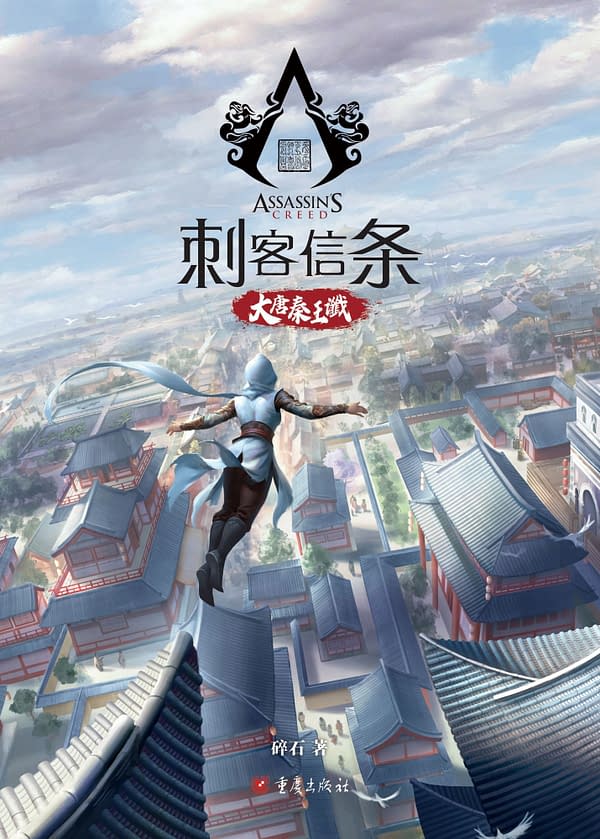
This massive project spans from the 4th Century BC to the 17th Century. Comprising ten novels written by six renowned Chinese authors, the collection weaves the history of the Zhou and Ming dynasties into the franchise’s secret history. It is a sprawling epic that promises to introduce a new pantheon of Assassins and antagonists, firmly grounding the Assassin’s Creed mythos in the rich tapestry of Chinese imperial history.
3. The Ming Storm (Chronicles)
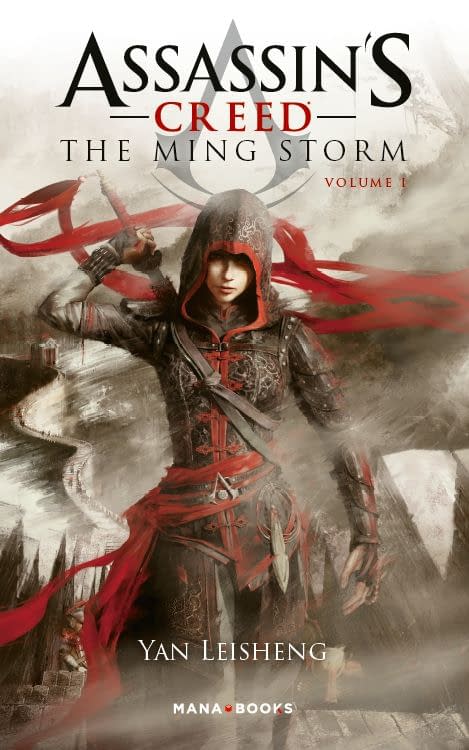
Written by best-selling author Yan Leisheng, The Ming Storm serves as a bridge for fans of Assassin’s Creed Chronicles: China. The novel focuses on Shao Jun, a fan-favorite character, as she fights for survival in 16th-century China. Published in the US and Canada by Aconyte Books, it represents a standard-bearer for the company’s English-language prose strategy.
4. Assassin’s Creed: Dynasty (Manhua/Originals)
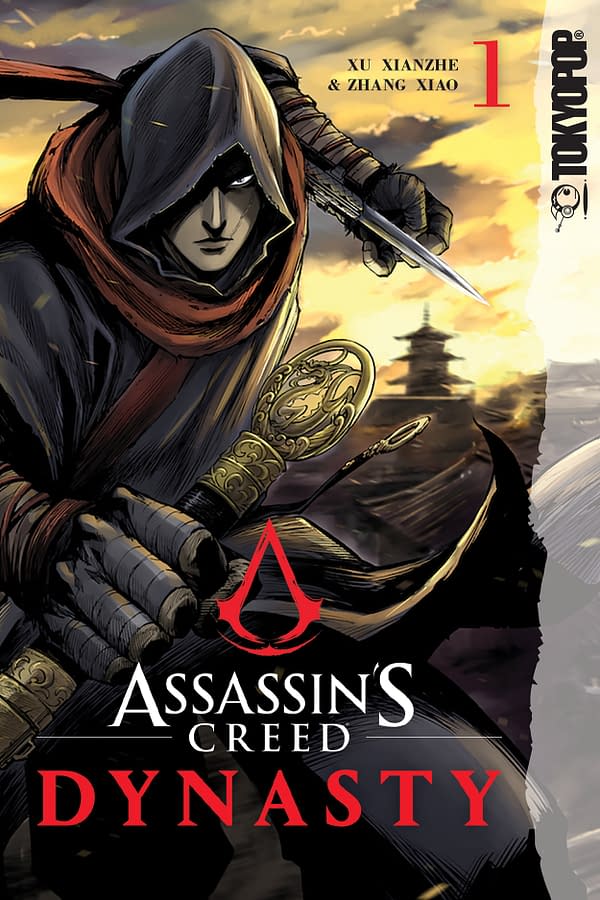
Originally launched as a webcomic in China via ULAB, Dynasty has already proven to be a massive success, garnering over 150 million views on the Tencent platform. The story follows Li E, an Assassin navigating the political instability of the Tang Dynasty. With a print release coming via TOKYOPOP, Western audiences will soon be able to experience this Wuxia-inspired adventure.
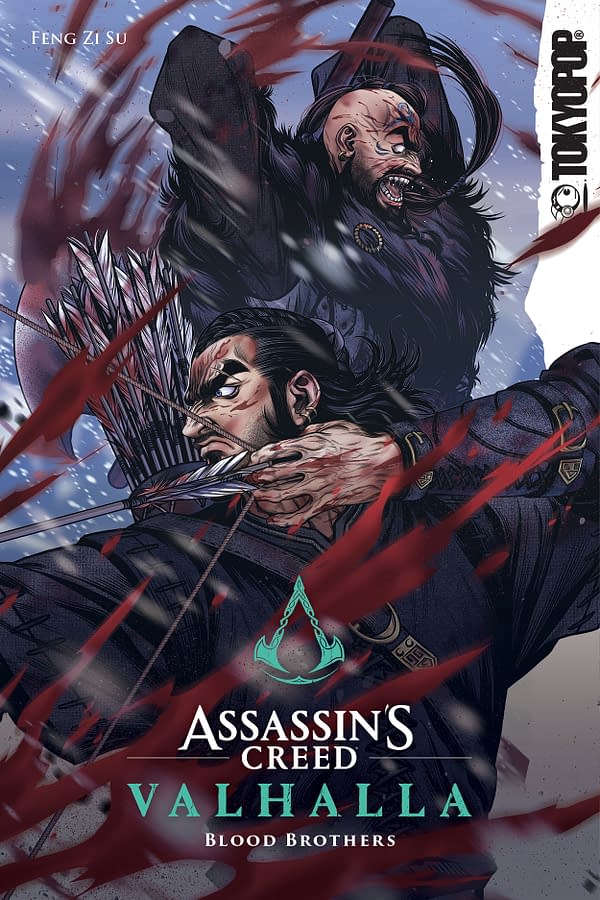
5. Assassin’s Creed Valhalla: Blood Brothers (Manhua/Chronicles)
Expanding on the massive success of the Valhalla video game, this manhua tells the story of two Viking brothers. Set shortly before the events involving Eivor the Wolf-Kissed, it provides necessary context to the Norse expansion and the internal strife of the era.
6. Blade of Shao Jun (Manga/Chronicles)
Viz Media is bringing this manga series to North American shores. It continues the story of Shao Jun, but crucially, it also introduces a modern-day plotline involving a teenager named Lisa who falls into an Abstergo trap, keeping the "dual-timeline" narrative structure that is a hallmark of the franchise.
7. Turbulence in the Ming Dynasty (Podcast/Chronicles)
Ubisoft is also embracing the audio revolution. Produced by Ximalaya, China’s premier podcast platform, this audio drama features professional film actors and high-end sound production to bring the 16th-century Ming Dynasty to life for the listener.
Implications for the Future of the Franchise
The implications of this strategy are profound. By moving into podcasts and webtoons, Ubisoft is acknowledging that the modern consumer’s attention is fractured across a variety of platforms. The "transmedia" approach allows the Assassin’s Creed universe to act as a lifestyle brand rather than a mere biennial video game release.

Furthermore, the focus on "Originals" and "Chronicles" allows Ubisoft to mitigate the risk of "sequel fatigue." If fans are tired of the core game cycle, they can still engage with the Assassin’s Creed brand through a graphic novel or a podcast. This strategy also serves as a testing ground for potential future game settings; if a particular period in The Jade Seal Collection proves immensely popular, it provides a clear data-driven incentive for future game development.
Etienne Bouvier, Publishing Content Manager at Ubisoft, summarized the philosophy behind this pivot: "We are all consumers of stories. With this global vision and local approach, we seek to offer our fans new content in formats they are familiar with, and with stories that are rooted in their cultural background and their history."
A New Era for the Brotherhood
The sheer volume of content announced suggests that the Assassin’s Creed brand is entering its most fertile period of world-building. For a franchise that began with a single story about a man in a white hood leaping from a rooftop in the Holy Land, the prospect of exploring the Ming Dynasty, Viking-era Scotland, and the complex, modern-day corporate machinations of Abstergo simultaneously is a testament to the longevity of the concept.
As these titles roll out over the coming months and into 2022, the Assassin’s Creed universe is effectively becoming a self-sustaining ecosystem of narrative. Whether through a high-fidelity manga or a localized audio drama, the war between the shadow and the light is no longer confined to the screen—it is moving into the library, the smartphone, and the earbuds of fans worldwide. For those who have followed the Creed for over a decade, the journey is only just beginning.

 Sagoh
Sagoh
 Layla Zulfa