Basiran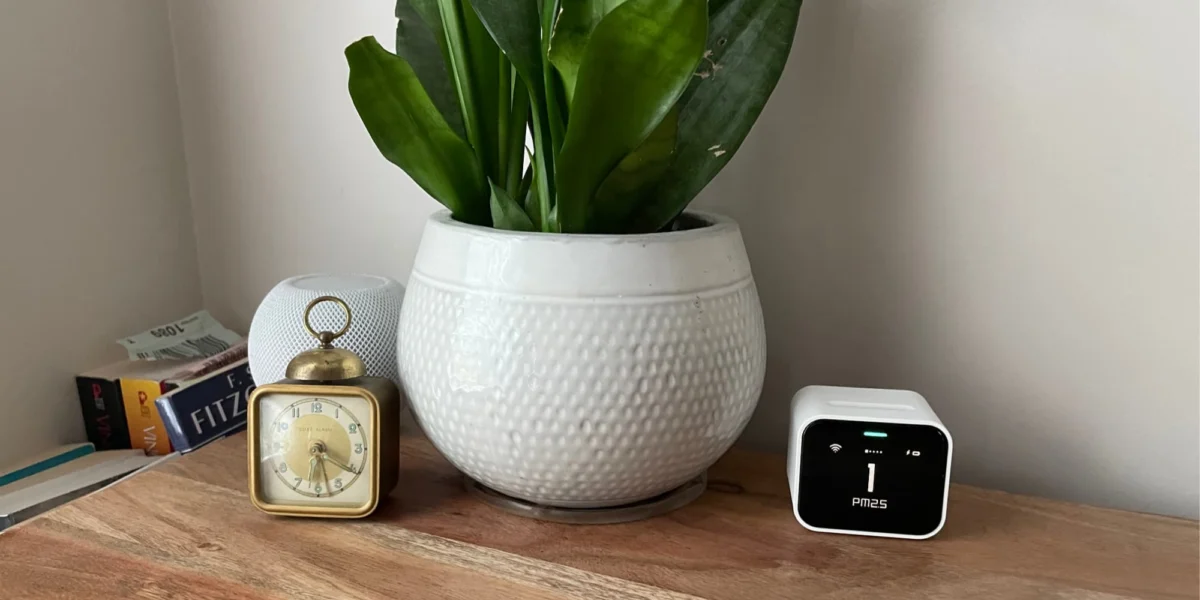
In the landscape of smart home technology, few metrics are as critical—yet as frequently overlooked—as indoor air quality. While most homeowners focus on security cameras, smart lighting, and automated thermostats, the invisible environment we inhabit daily often dictates our comfort, sleep quality, and long-term health. For several years, the Qingping Air Monitor Lite has served as a fixture on my desk, bridging the gap between utilitarian environmental monitoring and aesthetic industrial design.
As part of our ongoing HomeKit Weekly series, we examine why this device remains a standout in 2026, exploring how its fusion of retro-inspired hardware and robust Apple Home integration creates a more responsive, healthy living space.
Main Facts: The Intersection of Style and Science
The Qingping Air Monitor Lite is not merely a sensor; it is a compact, multifaceted environmental station. Designed to provide real-time data on the invisible elements of your indoor atmosphere, the device tracks five core metrics:
- Temperature: Providing precision monitoring to combat thermal stratification in large homes.
- Humidity: Essential for preventing mold growth or discomfort caused by overly dry air.
- CO2 Levels: A critical marker of ventilation efficiency and cognitive performance.
- PM2.5: Tracking fine particulate matter, including smoke, dust, and allergens.
- PM10: Monitoring larger airborne particles that can impact respiratory health.
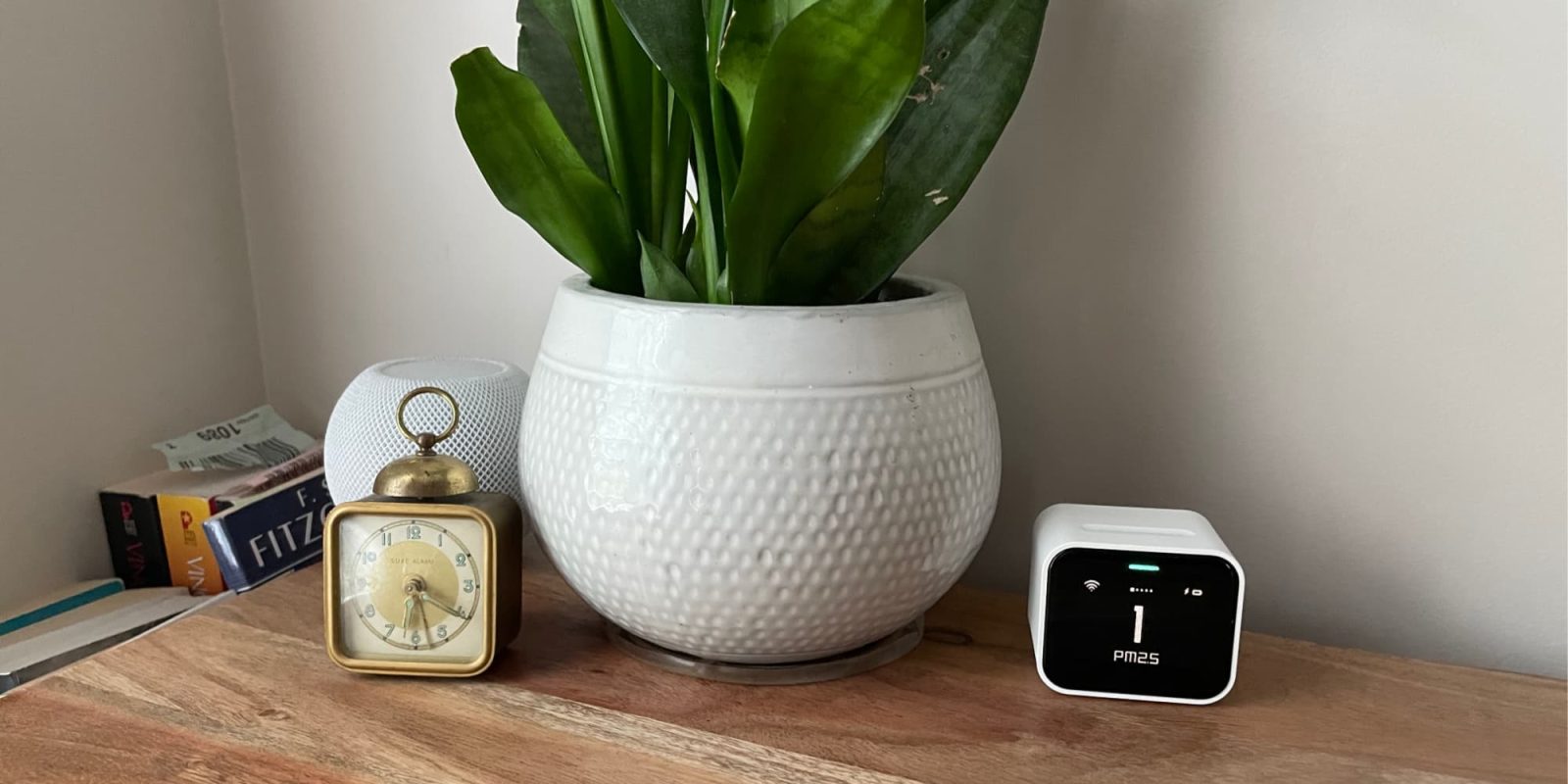
Physically, the device challenges the industry standard of "hidden" smart home tech. Most sensors are designed to be wall-mounted or tucked behind furniture. The Qingping, however, embraces a "desk-friendly" form factor. Its squat, rounded aesthetic recalls the consumer electronics of the 1980s, offering a tactile, visual warmth that feels more like a piece of decor than a piece of laboratory equipment.

Chronology: A Multi-Year Journey of Integration
The evolution of the Qingping Air Monitor Lite within the smart home ecosystem has been a journey of iterative improvement.
The Unboxing and Initial Setup (Years Prior)
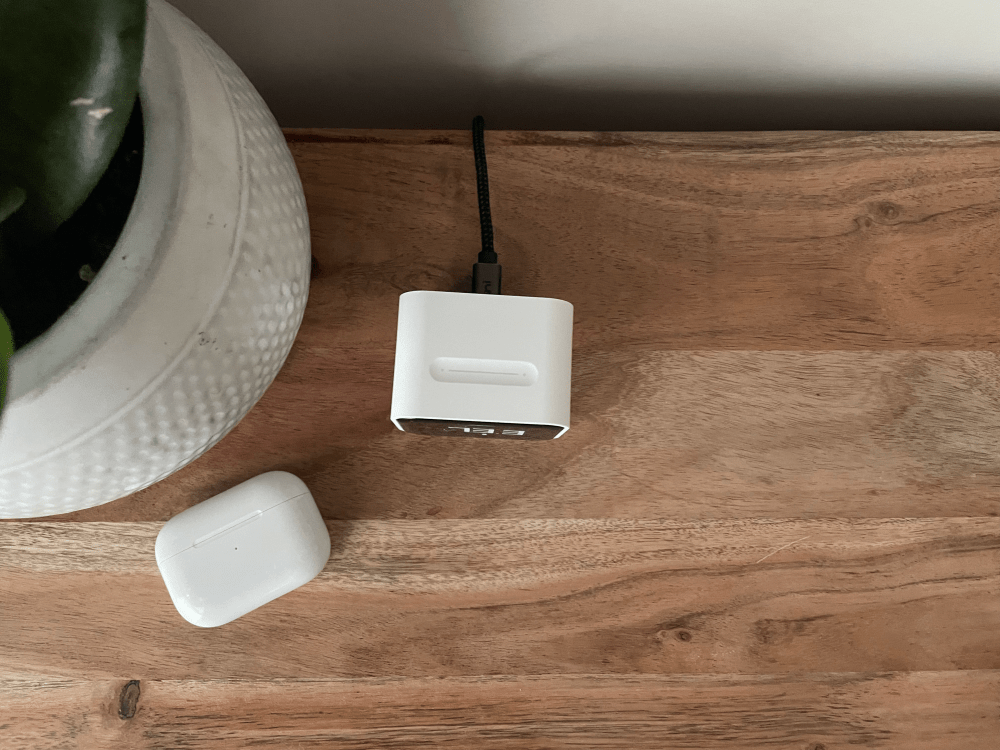
When the device first launched, it was marketed as a direct competitor to more expensive air quality stations. Upon unboxing, the user is greeted with a surprisingly dense, high-quality build. The inclusion of a USB-C charging port was a forward-thinking choice at the time, ensuring compatibility with modern charging standards.
The onboarding process has remained largely consistent: a straightforward scan of the HomeKit QR code found on the base of the unit. While initial firmware updates in the early iterations were occasionally finicky, requiring a "reset and re-add" process within Apple Home, subsequent software patches released via the Qingping app have stabilized the experience significantly.
Ongoing Refinement (2024–2026)
Over the last few years, the device has transitioned from a "novelty sensor" to a cornerstone of my automated home. As Apple Home’s capabilities have expanded, the utility of the data provided by the Qingping has grown exponentially. The transition from using it as a simple readout device to a trigger for sophisticated home automation represents the most significant shift in its lifecycle.
Supporting Data: Why Localized Monitoring Matters
The argument for localized air quality monitoring is supported by the physics of residential HVAC systems. Many homeowners rely solely on a central thermostat to regulate the temperature of an entire structure. However, this approach is fundamentally flawed.
The Fallacy of Centralized Control
In most homes, the thermostat is located in a hallway or living area. This location rarely reflects the micro-climates of bedrooms, home offices, or kitchens. My own testing with the Qingping monitor revealed that rooms at the far end of the HVAC ductwork frequently experience temperature fluctuations of 3 to 5 degrees compared to the main living area.
When relying on a central thermostat, these rooms become uncomfortable long before the system triggers a heating or cooling cycle. By placing a Qingping Air Monitor Lite in these peripheral zones, I have gained the ability to create "local" automations. For instance, when the monitor detects a temperature drop in my home office, it triggers a smart plug connected to an electric radiator, ensuring constant comfort without forcing the entire house’s HVAC system to run unnecessarily.
The CO2 Variable
Perhaps the most eye-opening data provided by the device relates to carbon dioxide (CO2) levels. Many people are unaware that CO2 levels in an unventilated bedroom can rise to levels that cause "brain fog" and poor sleep quality by the early morning. By using the Qingping monitor to track these trends, I have been able to automate the engagement of my air purification systems and adjust my HVAC fan cycles to ensure a steady turnover of fresh air.
Official Perspectives and Technical Configuration
While the device integrates seamlessly into the Apple Home app, the Qingping iPhone app remains a necessary tool for the "power user." This dual-layer approach allows for a clean user experience in the Home app while providing granular control over the hardware’s internal logic.
Hardware Settings
Through the companion app, users can:
- Customize Display Modes: Determine what information is displayed on the LCD, including screen saver configurations.
- Power Management: Adjust polling frequency. While the device features a rechargeable battery, the data indicates that performance is optimal when the device is permanently tethered to a USB-C power source.
- Regional Standardization: The device defaults to Celsius. The app allows for a quick toggle to Fahrenheit, a minor but essential detail for North American users.
Firmware and Stability
Qingping has been proactive in releasing firmware updates to address connectivity stability. Official support channels suggest that if a user experiences "No Response" errors within the Apple Home app, a quick cycle of the power button combined with a re-sync via the Qingping app usually resolves the handshake issue.
Implications: The Future of the "Responsive Home"
The implications of using a device like the Qingping Air Monitor Lite extend far beyond simple convenience. We are moving toward a future where the home is a "responsive" organism—one that senses its internal environment and adjusts in real-time to optimize human health.

The Health-Automation Link
As we become more conscious of the air we breathe, the integration of sensors with air purifiers and humidifiers is no longer optional. By linking the Qingping’s PM2.5 data to an air purifier, the device can effectively "clean" a room before the occupant even notices a change in air quality. This proactive approach is the hallmark of a truly intelligent home.
Design as a Component of Utility
Finally, the aesthetic choice of the Qingping is an important implication for the future of smart home design. For years, manufacturers assumed that smart sensors should be invisible. The Qingping proves that when a device is well-designed—with a retro-tech charm that sparks conversation—users are more likely to place it in high-traffic, visible areas. This increased visibility leads to better data collection and a higher likelihood that the user will engage with the metrics provided.
Conclusion
In 2026, the Qingping Air Monitor Lite remains a standout accessory. While there are cheaper ways to track air metrics, the combination of its unique visual design, reliable Apple HomeKit integration, and the depth of data provided makes it an essential tool for any smart home enthusiast. It is a reminder that the most important smart home devices are the ones that work quietly in the background to ensure that our most fundamental needs—comfort, health, and clean air—are consistently met.
Whether you are looking to balance the temperature of your home or improve the air quality of your personal workspace, this device stands as a testament to the power of localized, intelligent sensing.

 Sagoh
Sagoh
 Raul Delapena Setiawan