

In the modern digital era, the smartphone has evolved from a mere communication device into a pocket-sized production studio. We use our iPhones to capture high-resolution 4K video, store vast libraries of lossless audio, and manage professional workflows that once required a desktop computer. Yet, there remains a persistent bottleneck that plagues even the most sophisticated users: the fixed storage capacity of the device itself.
When purchasing a new iPhone, users are forced to make a "judgment call" on storage tiers. This decision is rarely straightforward, as it requires predicting one’s digital footprint for the next two to three years. Overestimate, and you have overpaid for capacity you may never use; underestimate, and you are trapped in a cycle of deleting cherished photos and offloading essential apps to make room for the next software update.
Fortunately, the SanDisk Phone Drive for iPhone has arrived as a definitive solution to these perennial storage woes, offering a bridge between the convenience of mobile capture and the reliability of physical, high-speed storage.
Main Facts: The Hardware Solution to Digital Clutter
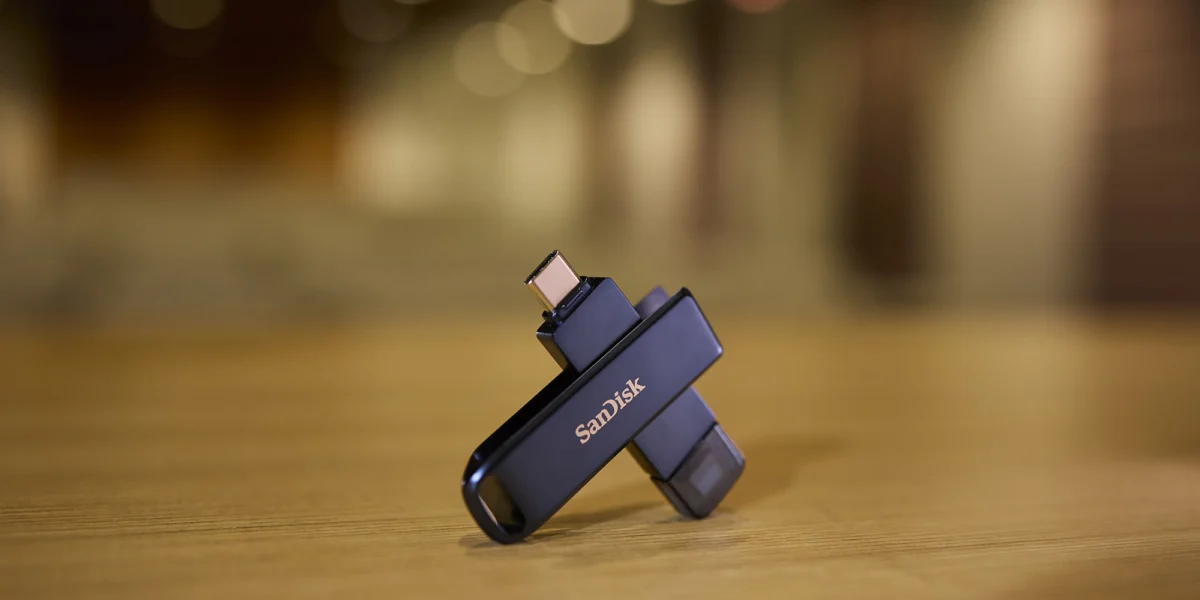
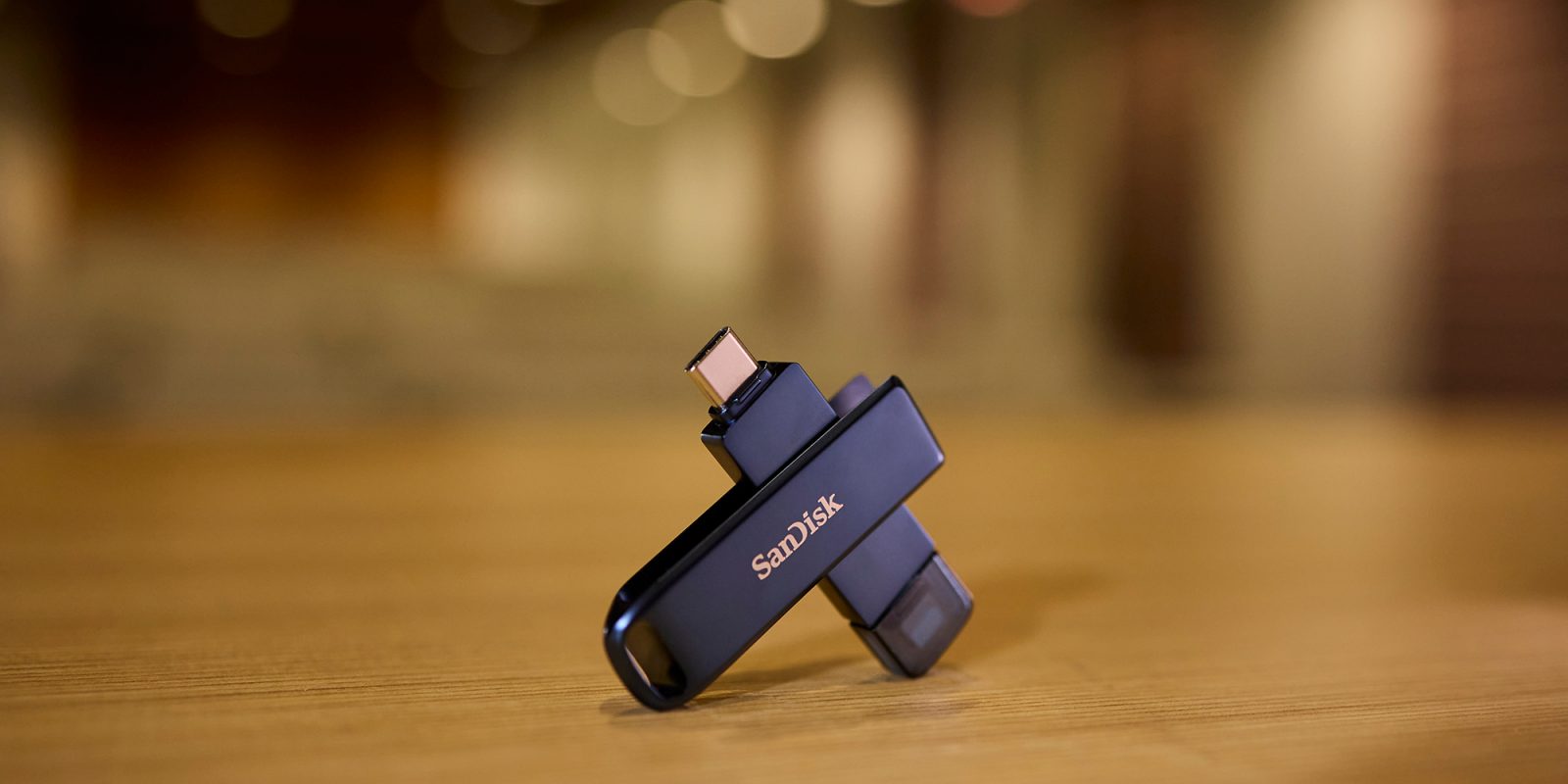
The SanDisk Phone Drive for iPhone is designed to address the physical limitations of mobile hardware. It is a dual-interface flash storage device that connects directly to your iPhone, acting as an external hard drive for your mobile ecosystem.

Unlike cloud storage solutions, which require consistent high-speed internet and recurring monthly subscription fees, the SanDisk Phone Drive operates locally. It provides a tactile, secure, and permanent home for your data. The device features both USB-C and Lightning connectors, ensuring seamless compatibility across the broad spectrum of iPhone generations—from older models still in circulation to the latest devices sporting the universal USB-C standard.
Key Technical Specifications:
- Dual Connectivity: Lightning and USB-C support for maximum cross-device compatibility.
- High-Speed Transfer: Powered by USB 3.2 Gen 1 technology, offering significantly faster throughput than standard AirDrop or cloud-based uploads.
- Encrypted Security: Built-in hardware encryption to ensure your private documents and media remain protected.
- Automated Workflow: Integration with the dedicated SanDisk App for one-touch automatic backups.
Chronology: The Evolution of Mobile Storage
The struggle for mobile storage has a storied history. In the early days of the smartphone, data was rarely stored locally; it was synced periodically to a desktop machine via iTunes. As internet speeds increased, the industry pivoted toward "Cloud First" strategies. Companies encouraged users to offload their data to remote servers, effectively tethering the user experience to the availability of a stable network connection.
However, as camera resolutions climbed to 48MP and video recording standards pushed toward ProRes and high-frame-rate 4K, the limitations of cloud-based storage became apparent. Latency, cellular data caps, and the inability to "edit on the go" without downloading files back to the device created a productivity vacuum.
The introduction of the SanDisk Phone Drive represents a return to "Local-First" computing. It acknowledges that creators, travelers, and professionals require immediate access to their files, regardless of signal strength or monthly bandwidth limits. By allowing users to shoot video directly to the external drive, the device bypasses the iPhone’s internal storage entirely, effectively turning a standard smartphone into an infinite-capacity recording rig.
Supporting Data: Why Local Storage Still Matters
To understand the necessity of this device, one must look at the math behind modern digital media. A single minute of 4K video at 60 frames per second can consume upwards of 400MB of storage. For a content creator or a parent filming a school recital, internal storage can be exhausted in a matter of hours.
The Cost-Efficiency Comparison
When buying a new iPhone, the price jump between storage tiers (e.g., from 128GB to 512GB) is often steep, costing the consumer hundreds of dollars. In contrast, the SanDisk Phone Drive offers a significantly lower cost-per-gigabyte.
- Subscription Fatigue: Many users pay between $2.99 and $9.99 per month for cloud storage. Over a two-year period, these fees can total over $240. The SanDisk Phone Drive requires a one-time purchase, effectively eliminating the long-term overhead of digital storage.
- Transfer Speed: Testing has shown that the USB 3.2 Gen 1 interface on the SanDisk drive is consistently faster than wireless alternatives. For a 20GB project folder, the time savings are measured in minutes rather than hours, representing a tangible gain in professional productivity.
Official Perspectives and User Experience
Industry analysts have noted that the "Storage Gap"—the space between what a phone can store and what a user actually produces—is widening. According to SanDisk’s product development team, the goal of this hardware was to remove the anxiety associated with the "Storage Full" notification.
"We wanted to create a device that didn’t feel like an accessory, but rather an extension of the iPhone’s own file system," says a representative from the product team. "By incorporating the SanDisk app, we’ve made it so that the user doesn’t have to manually manage file paths. The software handles the encryption and the organization, leaving the user to focus on their work."

Early adopters have praised the device for its "plug-and-play" simplicity. Unlike complex NAS (Network Attached Storage) setups that require networking knowledge, the SanDisk drive functions much like a standard thumb drive. Its compatibility with Mac computers means that a user can record a video on an iPhone, unplug the drive, and immediately plug it into a MacBook to begin editing in Final Cut Pro or Adobe Premiere, with no intermediate steps.
Implications for the Future of Mobile Computing
The release of this device signals a shift in how we view mobile devices. We are moving away from the era of "everything in the cloud" toward a hybrid model where local, high-speed storage is once again king.
1. Privacy and Security
In an era where data breaches are increasingly common, the implication of keeping sensitive data on a physical device that is not connected to the internet cannot be overstated. By using the built-in encryption features of the SanDisk Phone Drive, users can ensure that their sensitive business documents, medical records, or private family archives remain inaccessible to unauthorized parties, even if the device is lost.
2. The Professional Workflow
For the freelance videographer or photographer, this device is a game-changer. It allows for a modular workflow. A shooter can carry several drives, each dedicated to a different project, effectively keeping their iPhone’s internal storage clean for communication and essential utility apps. This modularity is a standard in professional cinema (using SSDs for cameras) and is now finally becoming accessible to the consumer smartphone market.

3. Sustainability and Device Longevity
One of the most significant implications is the effect on the lifecycle of the iPhone itself. Often, people upgrade their phones not because the processor is slow, but because they have run out of storage. By providing an external storage solution, SanDisk is enabling users to keep their older iPhones for longer periods. If a user can offload their data, the "need" to purchase a new, higher-capacity model every two years is diminished. This contributes to a more sustainable tech ecosystem, reducing electronic waste and promoting longer hardware utilization.
Conclusion: A Prerequisite for the Modern iPhone User
The SanDisk Phone Drive for iPhone is more than just a storage stick; it is a tool for digital liberation. It removes the fear of the "Storage Full" warning, bypasses the ongoing costs of cloud subscriptions, and provides a secure, high-speed bridge between our mobile devices and our desktop workflows.
Whether you are a professional content creator managing massive video files or a casual user tired of deleting photos to make space for a system update, the value proposition is clear. The ability to record directly to external media, coupled with the security of local encryption, makes this a must-have accessory for the modern, data-heavy lifestyle.
With pricing starting at just $51.99, the barrier to entry is low, making it one of the most cost-effective upgrades you can provide for your iPhone. As we continue to capture more of our lives in higher resolutions, having a reliable, physical backup is not just a luxury—it is a necessity. By investing in the SanDisk Phone Drive, you are not just buying storage; you are buying the freedom to capture more, create more, and keep your digital life organized and secure.

For those interested in exploring the specific capacities and current promotional offers, the SanDisk website remains the primary resource for direct, verified purchases. As the digital landscape continues to expand, tools like this will remain the bedrock of an efficient and worry-free digital experience.











