Lina Irawan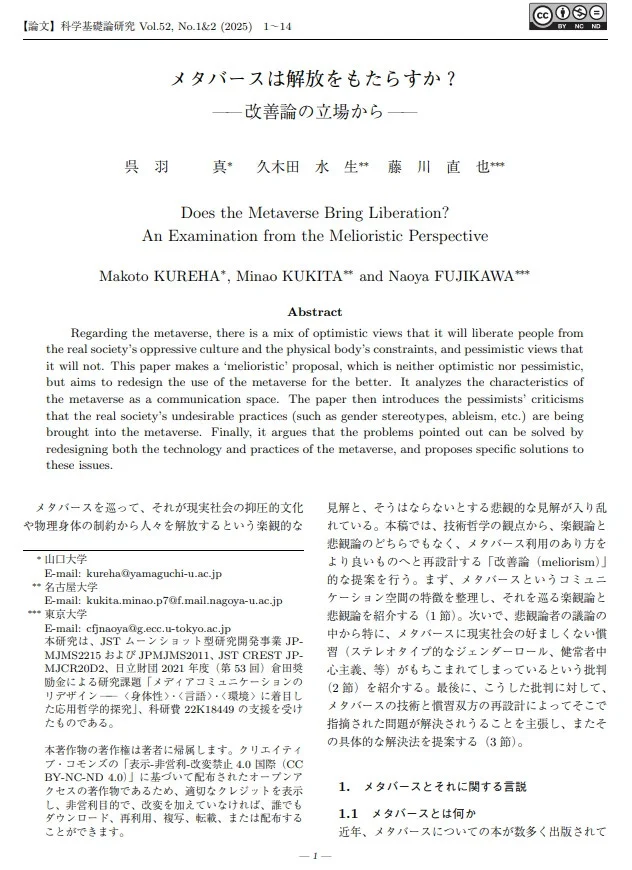
Introduction: A New Frontier in Digital Anthropology
The landscape of digital content creation has been irrevocably altered by the rise of Virtual YouTubers (VTubers). What began as a niche subculture within the Japanese internet ecosystem has evolved into a global phenomenon, challenging traditional perceptions of celebrity, identity, and parasocial interaction. Recent academic scrutiny, exemplified by the publication of research in the Journal of Basic Studies (Kisoron), highlights a critical shift: VTuber culture is no longer just a subject for fan discourse—it is now a legitimate field of study in media and technology research.
This report explores the rise of the VTuber, the academic frameworks now being applied to their existence, and the profound implications of digital avatars on the future of human connection in virtual spaces.
Main Facts: Defining the VTuber Phenomenon
At its core, a VTuber is a creator who utilizes a 3D or 2D digital avatar—often stylized in anime aesthetics—to represent themselves during live streams and video productions. Unlike traditional influencers who show their physical faces, VTubers leverage motion-capture technology to map their facial expressions and movements onto their virtual persona in real-time.
Key Characteristics:
- Technological Integration: The use of software like FaceRig or dedicated hardware (such as the iPhone X’s depth-sensing camera) allows for seamless synchronization between the performer and the avatar.
- Performance Art: The avatar acts as both a mask and a medium, allowing the creator to inhabit a character that may differ significantly from their real-life persona.
- Community Co-creation: The relationship between a VTuber and their audience is built on high levels of interactivity, often blurring the lines between entertainer and viewer through chat-based engagement and collaborative world-building.
Chronology: From Niche Curiosity to Global Mainstream
The trajectory of VTuber culture has been rapid, marked by several defining milestones:
- 2017 – The Emergence: The term "VTuber" gained widespread recognition with the debut of early pioneers. During this period, the technology was rudimentary, relying on basic facial tracking, but the concept resonated with an audience looking for a new form of "virtual reality" entertainment.
- 2020-2021 – The Global Explosion: The COVID-19 pandemic served as a massive accelerator for the industry. With much of the world confined to their homes, the demand for immersive, interactive virtual entertainment skyrocketed. Corporations began investing heavily in VTuber agencies (such as Hololive and Nijisanji), professionalizing the industry.
- 2022-2023 – Academic Legitimacy: As the industry matured, researchers began to publish formal studies examining the psychological and sociological impacts of virtual identities. Publications in journals such as Kisoron began to treat VTuber culture as a serious field of study, focusing on "melioristic" (improving) communication and the ethics of digital identity.
- 2025 – Integration and Sustainability: As of April 2025, the industry is shifting focus toward long-term sustainability. The conversation has moved from "What is a VTuber?" to "How do these virtual entities interact with the broader Metaverse and AI-driven future?"
Supporting Data: The Scale of the Digital Avatar Industry
The growth of the VTuber market is not merely anecdotal; it is supported by substantial quantitative data.
Market Reach and Demographics
According to recent reports, top-tier VTubers command audiences ranging from 300,000 to over 9 million subscribers. The primary demographic remains tech-savvy, young adults who prioritize the "experience" of the stream over the traditional celebrity model.

Technological Adoption
The accessibility of VTubing tools has democratized the profession. With the advent of VRM (a file format for 3D avatars) and the integration of VRChat, creators can now exist in shared virtual spaces, facilitating a sense of community that physical YouTube channels often struggle to replicate. The shift from "static" video content to "dynamic" real-time interaction is the primary driver of the sector’s 1,200% growth in audience engagement metrics over the last five years.
Official Responses and Academic Perspectives
The academic community has begun to provide a robust framework for understanding the "VTuber effect." Researchers like Liudmila Bredikhina have contributed significantly to the discourse, exploring the ethics of virtual performance and the "Prix Genre" of digital avatars.
The "Melioristic" View of Communication
One of the central arguments in current research is the idea of "melioristic communication." Scholars suggest that because a VTuber interacts through a digital layer, the communication becomes more focused, curated, and intent-driven. By stripping away physical biases (such as appearance or location), the audience is forced to engage with the persona’s personality and the content’s quality.
Institutional Recognition
The inclusion of VTuber studies in university curricula and academic journals signals a shift in how society views digital media. Universities are now hosting seminars on the "VR-Identity-Transition," studying how performers navigate the psychological distance between their real-world selves and their virtual avatars.
Implications: The Future of Identity in the Metaverse
The rise of the VTuber is a harbinger of a broader societal shift toward the "Avatar-Based Society." As we move deeper into the era of the Metaverse, the following implications are becoming clear:
1. The Decoupling of Identity and Biology
The VTuber model proves that human expression does not require biological constraints. This has profound implications for inclusivity, allowing individuals to present themselves in ways that align with their internal identity rather than external societal expectations.

2. The Evolution of Parasocial Relationships
While traditional celebrity culture often creates a sense of unbridgeable distance, the VTuber model creates a "synthetic intimacy." Viewers feel a genuine connection to the avatar, which acts as a bridge between the creator and the community. This relationship is more horizontal than the top-down model of traditional media.
3. Economic Sustainability
The industry is moving toward a model where digital assets (avatars, virtual clothing, digital real estate) hold significant economic value. The "VTuber-as-a-Business" model, where the avatar is an intellectual property, allows for multi-generational sustainability, where the brand can continue even if the performer behind the avatar changes.
4. Ethical Considerations
With the rise of this technology come significant ethical challenges. Issues surrounding data privacy, the ownership of digital identity, and the potential for AI-driven "deepfake" avatars require robust regulatory frameworks. As the lines between human performance and AI-generated content blur, the need for transparent disclosure becomes paramount.
Conclusion: A New Language of Connection
The study of VTuber culture is, at its heart, the study of how we communicate in a digital age. What started as a technological novelty has become a sophisticated medium for human expression. By bridging the gap between performance art, gaming, and digital anthropology, VTubers are teaching us that the "self" is not a static construct but a dynamic, evolving performance.
As we look toward the future, the lessons learned from the VTuber phenomenon—specifically the importance of community, the power of digital identity, and the potential for new forms of intimacy—will be essential in navigating the virtual worlds of tomorrow. Whether in the form of a 2D avatar on a YouTube screen or a 3D entity in a fully realized Metaverse, the core human desire to be seen, heard, and understood remains unchanged. The avatar is simply the newest lens through which we view our shared humanity.


 Muslim
 Evan Lee Salim