Basiran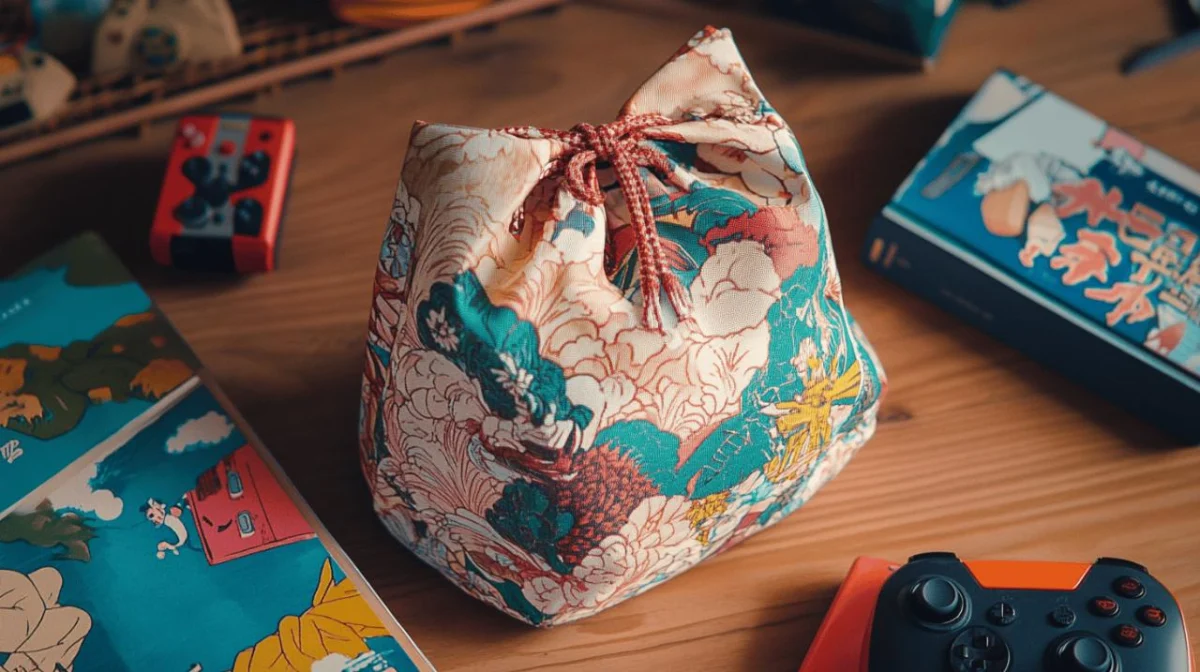
The Japanese tea ceremony (chanoyu or chadō) is far more than a simple act of preparing a beverage; it is a profound spiritual discipline, a choreographed meditation, and a testament to the aesthetic values of Japanese culture. Central to this ritual is the logistical challenge of transporting delicate, artisanal implements. The tea ceremony bag—often referred to in its specialized forms as a shifuku or broader transport cases—serves as the bridge between the mundane world and the sacred space of the tea room.
As an essential component of the practitioner’s toolkit, these bags embody the four pillars of the tea ceremony: Wa (Harmony), Kei (Respect), Sei (Purity), and Jaku (Tranquility). This article explores the history, craftsmanship, and functional necessity of these exquisite accessories.
The Historical Evolution of Tea Transport
The roots of the tea ceremony bag are inextricably linked to the arrival of Zen Buddhism in Japan. During the Kamakura period (1192–1333), Buddhist monks returning from China brought back not only the powdered green tea known as matcha but also the elaborate customs associated with its preparation.
From Monastic Necessity to Artistic Expression
In the early days, the transport of tea bowls (chawan), whisks (chasen), and bamboo scoops (chashaku) was purely functional. Monks required durable, protective casings to ensure these fragile items survived the arduous journeys between mountain temples. However, as chanoyu evolved from a monastic exercise into a sophisticated social and cultural ritual among the samurai and merchant classes, the transport vessels underwent a metamorphosis.
By the Edo period, the tea bag had become a canvas for aesthetic expression. Artisans began utilizing silks, brocades, and refined textiles, matching the status of the tea master and the prestige of the tea gathering. The bag was no longer merely a container; it became a statement of the owner’s commitment to the ritual’s sanctity.
The Legacy of Uji
The region of Uji, historically the premier producer of high-grade matcha, became the epicenter for the development of tea-related accessories. The artisans of Uji understood that the quality of the vessel must honor the quality of the tea it carried. This historical synergy between the cultivation of tea leaves and the craftsmanship of the accessories persists today, as Uji continues to serve as the spiritual and technical heart of the tradition.
Supporting Data: Craftsmanship and Materiality
The construction of a traditional tea ceremony bag is a rigorous exercise in material selection and structural engineering. Modern artisans continue to adhere to strict guidelines that favor durability, protection, and aesthetic restraint.
Selection of Noble Materials
The finest bags are crafted from high-density, woven fabrics, often sourced through fair-trade channels that support traditional weavers. Silk, linen, and hemp remain the materials of choice.
- Silk: Valued for its luster and ability to protect delicate lacquered items from scratching.
- Linen/Hemp: Chosen for structural integrity and breathability, preventing moisture buildup around bamboo implements.
- Brocade: Often used for ceremonial occasions, featuring intricate patterns that signify auspicious themes or seasonal transitions.
Structural Integrity and Finishes
A well-crafted bag must provide:
- Shock Absorption: Padding is often integrated into the lining to protect ceramic bowls from minor impacts.
- Moisture Control: Natural fibers are prioritized to allow the tea whisks to dry naturally without fostering mold.
- Security: Traditional toggles or silk ties are favored over modern zippers, which can damage the delicate surface of tea utensils.
Chronology of Ritual Integration
The integration of the bag into the chadō sequence is a precise, timed event. Understanding this sequence reveals why the design of the bag is so specific:
- Arrival (The Preparation): The practitioner arrives with their bag. The bag is placed in a designated area, signaling the transition into a state of Jaku (Tranquility).
- The Unveiling: The ritualized opening of the bag is a demonstration of Kei (Respect). The practitioner handles the bag with deliberate, slow movements to show reverence for the tools contained within.
- The Display: As items are removed, they are placed in their correct positions. The bag is then folded and placed to the side, becoming a silent witness to the ceremony.
- Conclusion: The reverse process occurs, where tools are cleaned, inspected, and returned to their specific compartments, ensuring the "purity" (Sei) of the set for the next use.
Official Perspectives: The Philosophy of the Tea Master
Contemporary tea masters emphasize that the bag is not an accessory but a "protector of intent." According to recent statements from the Urasenke school, the vessel used to transport the tools influences the mindset of the practitioner.
"When you place your chawan into a bag designed with intention and crafted by hands that understand the weight of tradition, you are already entering the ceremony," notes one master. "The bag is the threshold."
Furthermore, environmental considerations have become a key theme in recent years. There is a growing movement toward "Sustainable Rituals," where traditional artisans are being urged to use organic, chemical-free dyes and locally sourced fibers to align the practice of tea with the purity of nature.
Implications for Modern Practitioners
For those looking to enter the world of chadō, the selection of a tea bag is a significant milestone. It is often the first "investment" piece that dictates the quality of one’s future practice.
Essential Criteria for Selection
When selecting a bag, practitioners should look for:
- Compartmentalization: A professional-grade bag must have individual pockets for the chasen (whisk), chashaku (scoop), and fukusa (silk cloth). This prevents cross-contamination and damage.
- Standard Dimensions: While custom sizes exist, a standard bag (25–30cm high by 20cm wide) is generally recommended to ensure it fits the standard size of a chawan.
- Ease of Cleaning: Because the bag is in contact with tea dust, it must be made of materials that can be maintained without harsh chemicals.
The Role of Aesthetics
Motifs carry deep meaning. Floral designs represent the transient nature of life (wabi-sabi), while geometric patterns reflect the stability of the cosmic order. Choosing a pattern that resonates with one’s personal practice is considered part of the journey toward finding one’s own voice within the tradition.
Maintenance: A Rite of Preservation
The care of the bag is an extension of the tea ceremony itself. If the practitioner treats their bag with neglect, it is seen as a sign that their practice of Sei (Purity) is lacking.
- Cleaning: Use a soft-bristled brush to remove tea dust after each session. For deeper cleaning, professionals recommend using a white cotton cloth dampened with distilled water, applied in gentle, circular motions.
- Storage: The bag should never be kept in a plastic container. It must breathe. Storing it in a cool, dark, and dry environment—ideally wrapped in acid-free tissue paper—will prevent the fibers from yellowing or weakening.
- Restoration: In the spirit of kintsugi (the art of repairing broken pottery), worn tea bags should not be discarded. They can be professionally mended, adding to their history and demonstrating the practitioner’s respect for longevity.
Conclusion: The Path Forward
The Japanese tea ceremony bag is a silent, elegant partner in the pursuit of mindfulness. As the world becomes increasingly fast-paced and digital, the deliberate act of selecting, packing, and maintaining these artisanal vessels offers a grounding contrast. Whether one is participating in an informal chakai or a highly formalized tea gathering, the bag remains a constant, holding the tools of tranquility with a grace that has been refined over centuries.
By understanding the history, material science, and philosophical underpinnings of this essential accessory, the modern practitioner does more than just transport equipment—they carry the very essence of Japanese culture into the future.


 Siti Muinah
 Azzam Bilal Chamdy