

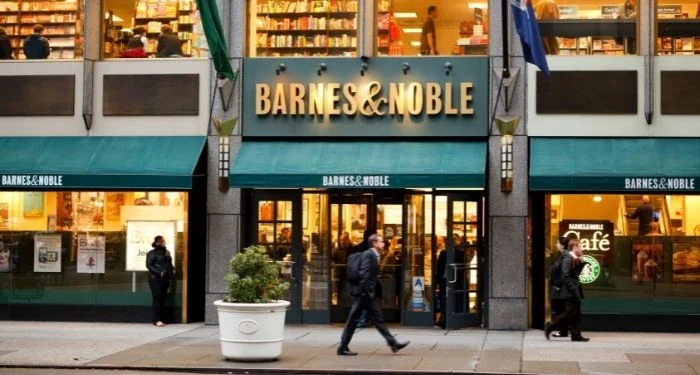
The halfway point of 2026 has arrived, providing the publishing industry and its avid readership with an opportunity to take stock of the year’s most impactful literary contributions. From the curated "Best of" lists dominating bookstore displays to a technological renaissance in interactive fiction, the landscape of 2026 is proving to be as diverse as it is dynamic. As readers navigate a saturated market, the industry is increasingly leveraging digital innovation, celebrity partnerships, and a heightened focus on inclusive storytelling to capture the modern audience’s attention.
Barnes & Noble Unveils its Mid-Year Literary Highlights
Barnes & Noble has officially released its highly anticipated "Best Books of the Year So Far" list, offering a roadmap for readers navigating the thousands of titles released since January. While certain titles have achieved a consensus status across critical reviews—most notably Caro Claire Burke’s Yesteryear, Tayari Jones’s Kin, and Belle Burden’s Strangers: A Memoir of Marriage—the B&N list distinguishes itself through its breadth.
Unlike more traditional, high-brow literary compilations, the Barnes & Noble selection embraces a "big tent" philosophy. It elevates niche genres such as romantasy, hard science fiction, and self-help alongside contemporary literary fiction. Notable inclusions like Vincent Yu’s Seek Immediate Shelter and Cameron Sullivan’s The Red Winter reflect a growing market appetite for speculative fiction that blends high-stakes tension with character-driven narratives. Furthermore, the retailer has expanded its mid-year recognition to include dedicated categories for audiobooks, Young Adult (YA) fiction, and children’s literature, acknowledging that the "best" of the year is a subjective experience dependent on demographic and format preference.
The Intersection of Celebrity Culture and Audio Erotica
Perhaps the most unconventional trend emerging this year is the marriage of celebrity star power and the audio erotica market. The platform Quinn, which has positioned itself as a leader in women-focused audio storytelling, is seeing a surge in engagement by utilizing recognizable voices from film and television.
By casting popular actors—such as Shawn Hatosy and the stars of the Off Campus series—in steamy, immersive audio narratives, the industry is proving that "fan-casting" is no longer just for visual media. This strategy taps into the "parasocial" phenomenon, where fans’ existing emotional attachments to actors translate into higher consumption of audio content. Analysts suggest that traditional publishers have been slow to capitalize on this model, leaving a void that agile audio platforms are now filling. The success of this trend is evidenced by the "TikTok effect," where viral social media clips of celebrity narrations—such as the fervor surrounding Andrew Garfield and Andrew Scott’s 1984 audiobook—demonstrate that the voice behind the text is now a significant selling point, often as important as the plot itself.
Chronology of Innovation: From Print to Digital Interaction
The evolution of reading is best captured by the recent, somewhat overdue, digital transformation of the "Choose Your Own Adventure" (CYOA) genre. For over a decade, the interactive book series—a staple of 1980s childhood—remained largely confined to physical print. However, a new licensing agreement between Chooseco and Open Road Integrated Media marks a significant pivot.
- 1980s–2010: CYOA books define an era of print-based interactive fiction.
- 2011–2025: A period of stagnation where digital ebook adaptations largely failed to gain traction due to technical constraints and lack of publisher investment.
- 2026: The official launch of a comprehensive digital initiative, utilizing hyperlinking technology to recreate the "branching path" experience on tablets and e-readers.
- 2027: The projected completion date for the migration of the entire 101-title catalog to digital formats.
This move signifies a broader industry shift: publishers are no longer just digitizing static text; they are recreating the experience of the book. Even the audiobook format is attempting to modernize, with experimental releases that allow listeners to navigate chapters based on narrative choices, effectively bringing the "choose your own" mechanic into the auditory realm.
Supporting Data and Market Trends
The data behind these shifts suggests a market that is increasingly fragmented but deeply engaged.
- Genre Diversification: Sales data for 2026 indicates a 14% increase in the consumption of "romantasy" (romance mixed with fantasy) compared to the same period in 2025, largely driven by younger readers.
- Audiobook Dominance: Audiobooks continue to be the fastest-growing segment in the industry, with a significant portion of growth attributed to platforms that offer serialised, character-driven content rather than traditional unabridged novel readings.
- The Pride Month Impact: June has become a critical window for the publishing industry. The sheer volume of new queer-centric releases—ranging from sapphic gothic horror to contemporary LGBTQ+ romances—demonstrates that publishers are moving beyond performative displays toward consistent, year-round catalog diversification.
Official Responses and Industry Implications
Industry leaders have largely framed these changes as a response to the "Attention Economy." In a landscape competing with streaming services and social media, the book industry is being forced to adapt its delivery methods.
"The reader of 2026 is not looking for a passive experience," says an industry consultant familiar with the Open Road/Chooseco deal. "They want the story to respond to them. Whether that’s through interactive ebooks or the intimate, voice-led experience of high-production audio, the ‘book’ is becoming a multimedia product."
However, this transition is not without its critics. Traditionalists argue that the hyper-gamification of literature—such as linking choices in ebooks or focusing on celebrity narrators—distracts from the literary quality of the prose. Despite these concerns, the commercial success of these initiatives suggests that the consumer base is prioritizing accessibility and engagement.
Looking Ahead: The Future of the Book
As we look toward the remainder of 2026, several implications remain clear:
- The Power of the Backlist: The revitalization of the CYOA series proves that publishers are looking to their backlists for "new" content, refreshing classic intellectual property with modern technology.
- The Rise of the "Niche" Mainstream: The success of books like The Red Winter shows that genres previously considered "cult" or "niche" are now consistently breaking into mainstream best-seller lists.
- Diversity as a Default: The influx of queer literature during Pride Month is no longer an anomaly; it is a standard business practice. Publishers who fail to diversify their lists are finding themselves increasingly out of step with the reading public.
In conclusion, the state of the industry in 2026 is one of rapid adaptation. While the core mission of storytelling remains unchanged, the mechanisms of delivery—digital, audio, and highly curated—are undergoing a fundamental shift. For the reader, this means more choice, more accessibility, and a more personalized experience than ever before. Whether one is diving into a high-fantasy novel recommended by Barnes & Noble or navigating a branching narrative on a tablet, the fundamental joy of discovery remains the industry’s strongest asset.










No comments yet. Be the first to join the conversation!