Azzam Bilal Chamdy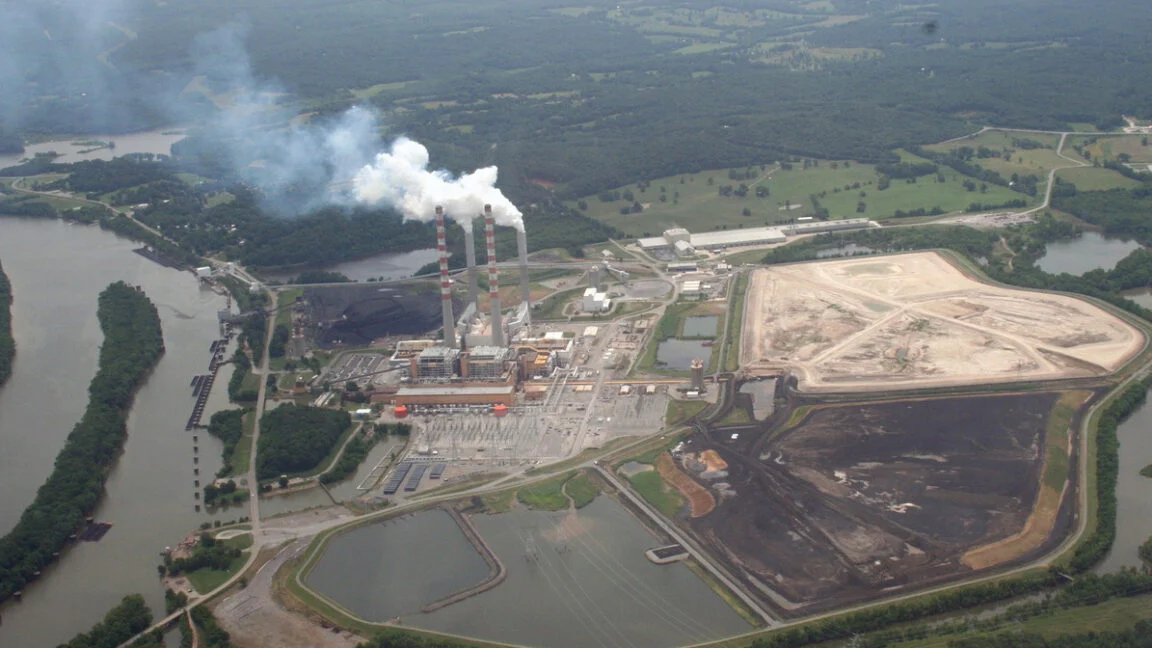
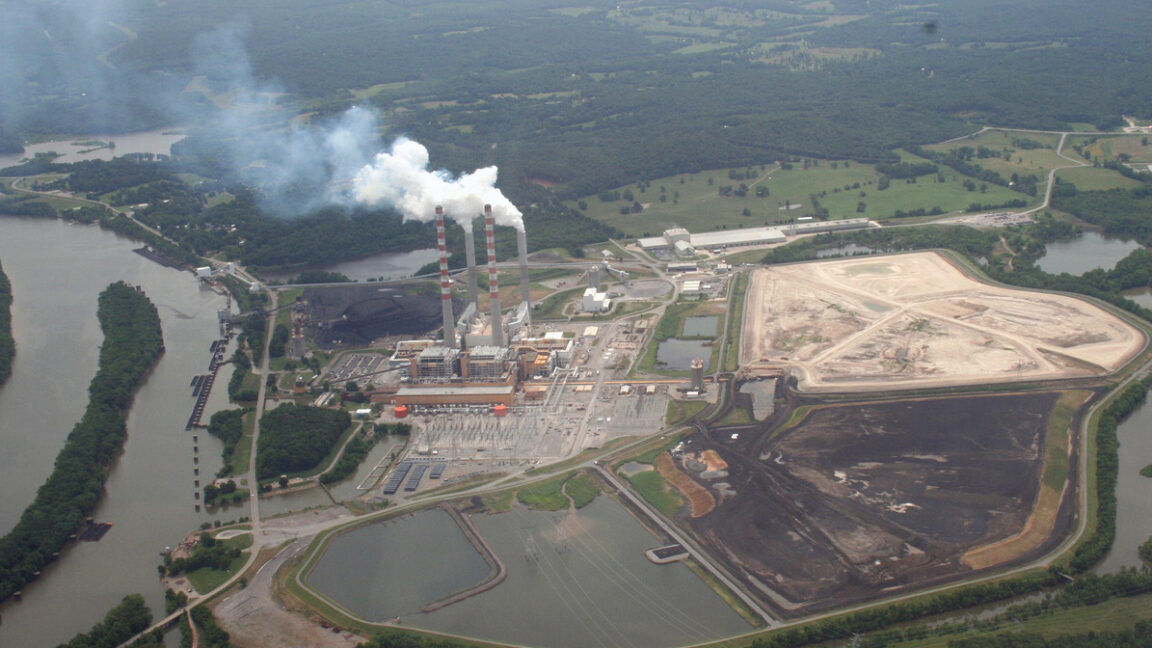
In a decisive reversal of long-standing environmental trajectories, the Trump administration has directed millions of dollars in federal grants toward aging coal-fired power plants across the United States. This policy shift, framed by the White House as a critical move to ensure grid reliability and energy independence, has drawn sharp criticism from environmental watchdogs and health experts. The core of the controversy lies in the selection process: at least three of the facilities receiving federal support—the Cumberland Fossil Plant in Tennessee, the Grand River Energy Center in Oklahoma, and the Roxboro Steam Electric Plant in North Carolina—have extensive, documented histories of violating the Clean Air Act and the Clean Water Act.
This financial intervention effectively rescues these plants from scheduled retirements, extending the lifespan of infrastructure that has long been identified as a significant source of regional pollution. As federal dollars flow into these sites, local communities and climate advocates are grappling with the potential long-term public health consequences of a policy that prioritizes fossil fuel longevity over the transition to cleaner, more modern energy alternatives.
A Timeline of Regulatory Strife and Reversal
The path to the current funding arrangement was not linear, but rather marked by a series of legal battles and administrative pivots.
2011: The Tennessee Valley Authority (TVA) entered a multibillion-dollar settlement with the EPA after years of failing to install mandatory pollution control technology at the Cumberland Fossil Plant.
2017–2023: Despite the settlement, the Cumberland facility remained a frequent target for regulators. Violations of air-quality standards were logged in 2017 and again in 2023, keeping the plant under a cloud of legal scrutiny.
2023: Faced with mounting pressure, equipment failures, and environmental concerns, the TVA announced a comprehensive plan to shutter the Cumberland units by 2026 and 2028. This move was lauded as a milestone for regional air quality.
2025: The political landscape shifted dramatically when the Trump administration replaced four members of the TVA’s board of directors. Following this personnel overhaul, the agency officially rescinded its retirement plan for the Cumberland facility.
2026: In June, the Department of Energy (DOE) announced a $46 million federal grant to extend the life of the Cumberland plant, signaling the administration’s broader commitment to preserving the coal fleet nationwide.
The Cost of Compliance: Supporting Repeat Offenders
The Cumberland facility is not an outlier. The Department of Energy’s grant program has funneled taxpayer money into a portfolio of plants that have struggled to maintain basic compliance with environmental laws for over a decade.
The Grand River Energy Center (Oklahoma)
The Grand River facility was slated for a transition to renewable energy and natural gas, with operators previously describing the plant as "uninsurable" and a long-term financial risk. However, with $28.5 million in federal funding now earmarked for a $76.5 million modernization project, the site is slated to remain operational for several more years. This follows an April 2026 proposal by the state of Oklahoma to fine the operator $8,100 for failing to conduct mandatory particulate matter testing—a violation that adds to a string of five air-quality infractions issued between 2017 and 2021.
The Roxboro Steam Electric Plant (North Carolina)
Duke Energy’s Roxboro plant, which is currently slated for retirement in 2034, has been awarded $28.4 million in federal support. The plant has been the subject of six state-level notices of violation over the last ten years, primarily concerning wastewater discharge limits and reporting failures. Most notably, the facility was part of a 2019 settlement requiring the excavation of over 80 million tons of coal ash following groundwater contamination leaks. Despite ongoing efforts to manage this legacy waste, the plant currently faces an outstanding violation for its wastewater reporting practices.
Perspectives from the Frontlines and the Boardroom
The disparity between the federal government’s stated goals and the reality on the ground is stark. For residents like Angie Mummaw, an organizer with Appalachian Voices who lives just eight miles from the Cumberland plant, the federal investment feels like a betrayal of public health.
"I feel like it’s a step backwards when we should be investing in clean energy, in new technology, and moving away from the fossil fuel industry," Mummaw said. She notes that residents frequently observe "sooty dust" settling on their homes and vehicles—a tangible byproduct of the plant’s continued operation.
In contrast, the Department of Energy maintains that these investments are a necessity for national security and economic stability. A spokesperson for the DOE emphasized that the funds are intended to "keep reliable generation online, strengthen grid resilience, and expand coal supply chain capacity." The spokesperson further framed the initiative as a corrective measure against what the administration terms the "American war on coal."
TVA spokesman Scott Fiedler echoed these sentiments, noting that "increasing power demand and changes in the regulatory landscape" necessitated the reversal of the retirement plan. Fiedler maintained that the utility’s decision-making process is "structured, transparent," and focused on delivering "energy that is reliable, affordable and resilient."
The Epidemiological Impact of Coal-Fired Power
Beyond the immediate regulatory violations, there is a well-documented body of research linking coal-fired power generation to severe health outcomes. Studies from institutions such as Harvard’s T.H. Chan School of Public Health have repeatedly established a correlation between the inhalation of fine particulate matter from coal plants and increased incidences of lung cancer, respiratory disease, and premature death.

The scope of these health impacts is not limited to the immediate vicinity of the plant. A study evaluating the Cumberland plant estimated that its emissions of toxic fine particles contributed to approximately 1,000 premature deaths across New York and Massachusetts between 1999 and 2020. By choosing to extend the operational life of such plants, the administration is effectively prolonging the health risks posed to populations hundreds of miles downwind.
Implications for Future Environmental Governance
The decision to fund these specific plants raises fundamental questions about the role of federal agencies in environmental oversight. Watchdog groups, such as the Environmental Integrity Project, argue that the current administration is creating a feedback loop where federal funding is used to bypass the very regulations intended to protect the public.
"The Trump administration seems to disregard the compliance status of many of the plants that they’re trying to put forward, and they’re trying to, at the same time, weaken permitting requirements for the energy sector," said Courtney Bernhardt, research director at the Environmental Integrity Project.
Furthermore, critics argue that the economic justification for these projects is flawed. Internal TVA documents obtained through public records requests suggest that maintaining the Cumberland plant to modern regulatory standards could cost as much as $738 million—a figure significantly higher than the federal grant amount. This raises the question of whether the financial burden of these "reliability" projects will ultimately fall on the ratepayers, rather than the government or the utilities.
Conclusion: A Turning Point for the Grid
The debate surrounding the federal funding of these coal plants encapsulates the wider struggle over the future of the U.S. energy grid. As the nation faces increasing pressure to transition toward sustainable, low-carbon energy sources, the decision to prioritize the maintenance of aging, high-polluting coal infrastructure represents a significant departure from global climate trends.
As Christopher Sellers, a professor of environmental history at Stony Brook University, observed, these plants are often "decades old and trying to be dragged into a modern regulation and environmental space that they’re not well-suited for." By injecting capital into these facilities, the federal government is not merely extending their lifespan; it is cementing their role in the energy mix for the foreseeable future. For the communities living in the shadow of these stacks, the wait for a cleaner, healthier environment has just been extended by another decade.


 Sagoh
Sagoh
 Raul Delapena Setiawan