Basiran
As Apple stands on the precipice of a leadership transition, the industry is watching closely to see how the company’s internal power dynamics will shift. With Tim Cook’s tenure defined by operational mastery and logistical efficiency, his successor, John Ternus, is signaling a potential return to the company’s creative roots. According to a recent deep-dive by Bloomberg’s Mark Gurman, the incoming CEO appears poised to recalibrate the balance of power at Apple, potentially ending a decade-long decline in the influence of the industrial design team.
The Evolution of Apple’s Corporate Hierarchy: From Ive to Operations
To understand the magnitude of the potential change, one must look back at the "Golden Age" of Apple design. Under the late Steve Jobs, the industrial design (ID) team was not merely a department; it was the heart of the organization. In Walter Isaacson’s definitive biography of Jobs, the founder famously noted that Jony Ive held more operational power than anyone else at Apple save for himself. This design-first philosophy dictated the product roadmap, ensuring that aesthetics, ergonomics, and user experience were the primary drivers of innovation, often overriding the cautious warnings of the finance and supply chain teams.
Following the departure of Jony Ive, the internal landscape shifted dramatically. Oversight of the design team was folded into the portfolio of then-COO Jeff Williams. While this move was framed as an attempt to streamline communication between design and manufacturing, many industry analysts viewed it as a symbolic—and practical—demotion of design. Over the last ten years, as Apple scaled to become a $3 trillion company, the influence of the operations and finance divisions expanded significantly. The "design-first" mandate began to feel like a relic of the past, replaced by a "logistics-first" approach that prioritized incremental updates, supply chain reliability, and high-margin services.
Chronology: The Waning Influence of the Design Studio
The erosion of the design team’s authority was not an overnight event; it was a gradual transition marked by several key milestones:

- 2011–2015: The peak of the Ive era. Design decisions were final, and the ID team maintained a level of autonomy that allowed for the development of radical hardware like the original Apple Watch and the transition to the unibody MacBook Pro architecture.
- 2019: The departure of Jony Ive. The loss of Apple’s most recognizable creative voice left a void in the executive suite. Without an equal at the table to challenge the operations team, the design group’s clout began to dissipate.
- 2020–2023: The "Operational Era." During this period, the leadership page on Apple’s website saw a notable absence of senior design representation. Design leaders were pushed further down the reporting chain, often appearing subordinate to operations leads.
- 2024–2025: A period of stabilization. Apple began to quietly reintegrate design leaders into more visible roles, with Molly Anderson and Steve Lemay appearing on the corporate leadership page. This was widely interpreted as an attempt to signal that the company had recognized the need for a stronger creative presence at the executive level.
- September 1, 2026: The official start of the John Ternus era. This date represents the culmination of a multi-year transition process, marking the beginning of a new chapter for the company’s product strategy.
Supporting Data: The Shift in Corporate Priorities
The shift in Apple’s priorities can be measured by more than just anecdotal evidence. A review of Apple’s leadership page over the last five years reveals a clear trend: the professional backgrounds of the most senior executives have skewed heavily toward engineering, supply chain management, and finance.
While this has undoubtedly contributed to the company’s incredible financial performance—making it the most profitable corporation in history—it has also led to criticisms from the design community. Detractors argue that Apple products have become "too safe," characterized by iterative design cycles and a lack of the "delight" factor that once defined the brand.
Furthermore, the lack of a dedicated Chief Design Officer (CDO) role for several years sent a signal to both employees and shareholders that design was a service function, not a strategic driver. The recent elevation of Anderson and Lemay is a reactive measure, yet it suggests that the company is attempting to correct the course before the Ternus era officially begins.
Ternus’s Vision: Re-centering the Human Element
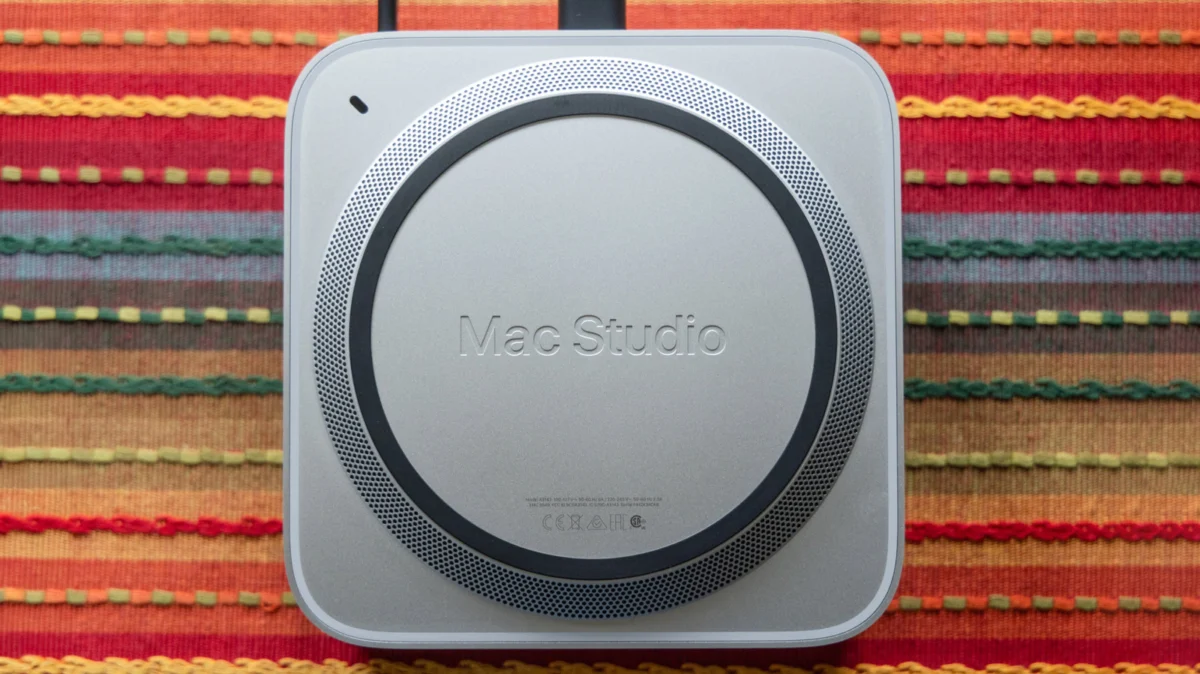
John Ternus, currently Apple’s Senior Vice President of Hardware Engineering, is viewed by many as a "product guy." Unlike some of his peers who are strictly focused on operational efficiency, Ternus has been deeply embedded in the development of the company’s most successful hardware, including the recent Mac lineup featuring the M4 chips.
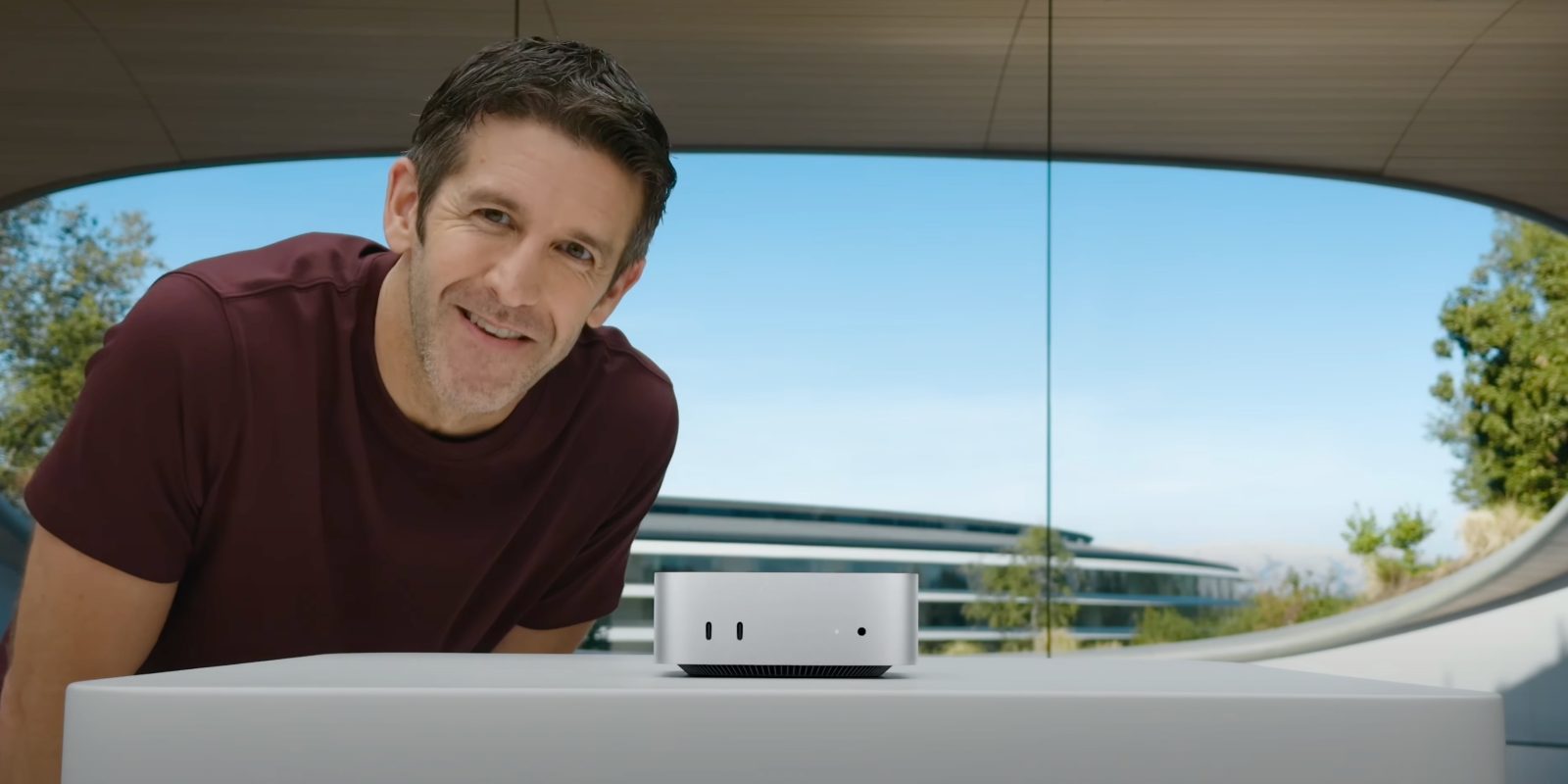
According to Gurman, Ternus has spent significant time in recent months with the industrial design team, listening to their concerns and aligning on a shared vision for the future. The message he is sending is one of restoration. In a telling remark reported by Bloomberg, Ternus stated, "The most beautifully designed thing that most customers own is an Apple product. We’re going to make sure that stays the case."
This is more than just marketing rhetoric. It indicates an awareness that Apple’s "moat" is not just its ecosystem of software and services, but the physical, emotional connection users have with the hardware. By positioning himself as the champion of this aesthetic philosophy, Ternus is effectively distancing himself from the purely operational approach of the past decade.
Implications: The Foldable Future and Beyond
The implications of this shift will be tested almost immediately. Ternus’s first high-profile public test will be the unveiling of Apple’s highly anticipated foldable iPhone, slated for this fall. In the smartphone market, where hardware innovation has largely plateaued, the foldable form factor represents a high-stakes bet. If the device is successful, it will be a testament to the renewed synergy between design and engineering.
If the product is received well, it will solidify Ternus’s reputation as a leader who understands the delicate balance between form and function. If it falters—or if the design feels "engineered" rather than "designed"—it will likely spark further debate about whether the company can ever truly recapture the magic of the Jobs-Ive partnership.

Furthermore, we are already seeing the fruits of this potential shift in the "MacBook Neo," a product line that has been presented as a hallmark of Apple’s recent design successes. By tying his brand to these successes, Ternus is setting expectations: he wants to be known as the CEO who ushered in a new era of Apple hardware—one where the product’s identity is defined by its silhouette and tactile experience, rather than just its spec sheet.
A New Philosophy for a New Decade
As Apple prepares for the September 1 transition, the company is in a unique position. It has the financial resources of a titan and the engineering prowess to execute on almost any vision. What has been missing, according to critics and insiders alike, is the "soul" of the product—the belief that design should dictate the technology, rather than the technology dictating the design.
John Ternus has a difficult needle to thread. He must maintain the operational efficiency that has made Apple the world’s most valuable company while re-empowering a creative team that has felt sidelined for years. If he succeeds, he may well be the architect of a "second renaissance" for Apple. If he fails, the company risks becoming just another successful electronics firm—profitable, reliable, but no longer the arbiter of global design trends.
For now, the signals are positive. The dialogue between the C-suite and the design studio is open, the importance of aesthetic excellence is being reaffirmed at the highest level, and a new, ambitious product cycle is on the horizon. The world will be watching in the fall to see if the new Apple is truly a return to form, or if the "design-first" mantra is simply a nostalgic nod to a bygone era. Regardless of the outcome, the Ternus era promises to be the most consequential leadership shift for Apple since the passing of Steve Jobs.

 Sagoh
Sagoh
 Raul Delapena Setiawan