Raul Delapena Setiawan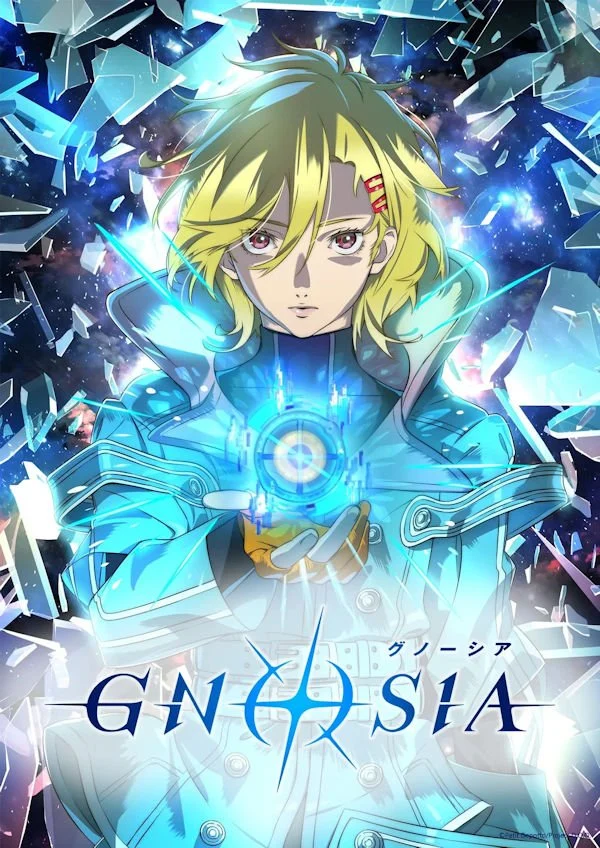
My quarterly anime watchlist is usually a labyrinth of high-fantasy epics and slice-of-life staples. Between returning mainstays and a deluge of seasonal newcomers, curating a concise list is a Herculean task. Last autumn, however, one title quietly slipped through the cracks of my radar—despite the fervent insistence of my anime-watching cohort that it was essential viewing. This winter, I finally carved out space in my schedule to experience Gnosia.
I didn’t just watch it; I devoured it.
Typically, my anime consumption is tethered to manga adaptations. While original series exist, they are often overshadowed by established properties. When it comes to video game adaptations, I have historically been a skeptic. Too often, these projects feel like "content farms," glutted with superficial battle sequences, stagnant plotlines, and archetypes that lack genuine interiority. Gnosia, the 2025 anime adaptation of the 2019 cult-classic visual novel, stands as a defiant exception to this rule. It is a masterclass in tension, atmospheric storytelling, and the subversion of narrative expectations.
The Core Concept: A High-Stakes Whodunnit
At its heart, Gnosia is a game of "who’s going to do it." Drawing thematic DNA from the social deduction mechanics of Werewolf and the 2018 pop-culture phenomenon Among Us, the series thrusts its protagonist into a claustrophobic, high-stakes environment where trust is a liability.
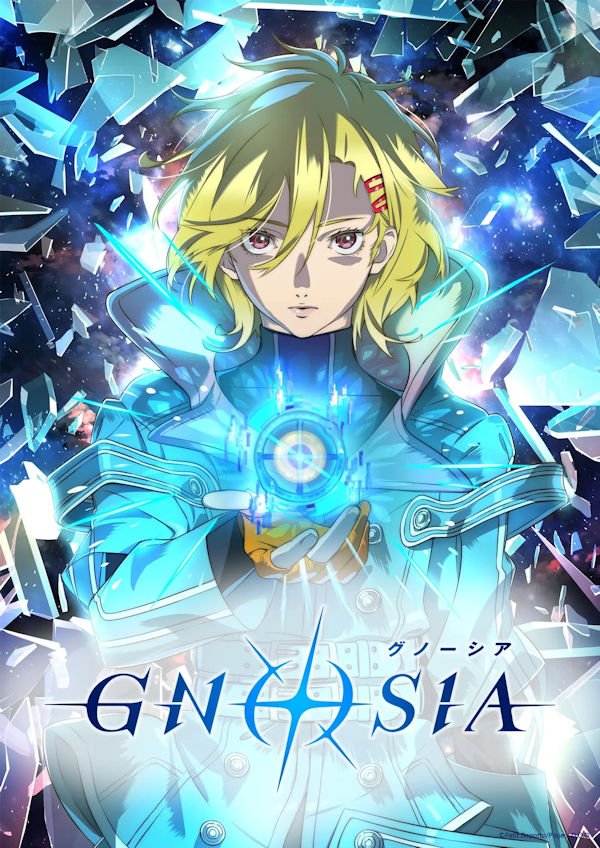
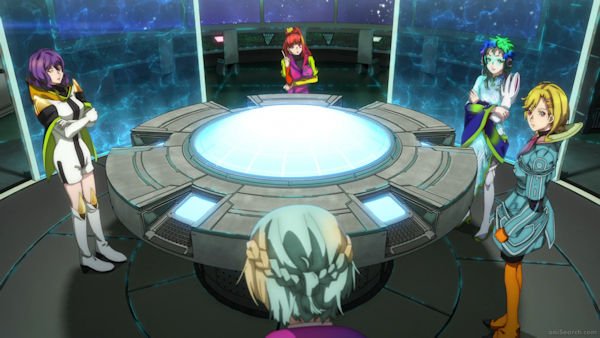
The story follows Yuri, a nonbinary protagonist who awakens from a medical pod suffering from acute, disorienting amnesia. They are aboard a decaying, archaic spaceship, a refugee from a planet recently ravaged by a malevolent, mysterious disease known as the Gnosia. The ship’s onboard AI, LeVi, provides the crew with a grim ultimatum: the Gnosia have infiltrated the vessel. The crew must identify the infected among them and place them into cold storage before the number of Gnosia equals the number of true humans. If they fail to achieve this equilibrium, the Gnosia seize control, and the AI initiates a ship-wide self-destruct sequence. Game over.
The Mechanics of the Loop
The narrative hook—and the source of its most agonizing tension—is the time-loop structure. When Yuri inevitably fails to identify the infiltrators or is eliminated, they are pulled back to the medical pod, forced to begin the cycle anew. However, these are not simple "resets." Yuri retains the knowledge gained from previous iterations, effectively turning the experience into a cosmic, high-stakes game of trial and error.
What makes this iteration of the "time loop" trope so compelling is the psychological toll it takes on the cast. Because the identities of the infected shift with every loop, Yuri cannot rely on past allegiances. The person who was their greatest ally in one timeline may be their executioner in the next. Watching Yuri grapple with this shifting reality is both heartbreaking and exhilarating.
Chronology and Narrative Progression
The series moves with a clinical, yet pulse-pounding efficiency. The first episode serves as a masterclass in exposition, guiding the viewer through the ship’s hierarchy and the grim stakes of the "tribunal" system. As the episodes progress, the complexity of the "jobs" assigned to the crew—Engineer, Doctor, Guardian Angel—further complicates the deduction process.
The Cast of Shadows
The character roster is the show’s greatest strength. The core group is an eclectic mix of survivors, each bringing distinct personality traits that are tested under the pressure of the Gnosia threat:
- Setsu: A stoic military officer and Yuri’s primary emotional anchor.
- Racio: A brilliant but abrasive "tsundere" whose constant skepticism often earns them a trip to cold storage.
- Jina: A soft-spoken traffic controller whose quiet demeanor hides depths of trauma.
- SQ: A hyper-energetic, flirtatious presence who constantly challenges the group’s morale.
As the series expands, the cast grows to fifteen, introducing bizarre and fascinating figures like Otome, a sentient, speaking Beluga whale, and Kukrushka, a mute living doll. The sheer variety of characters ensures that no two "rounds" feel the same.
Supporting Data: An Inclusive Frontier
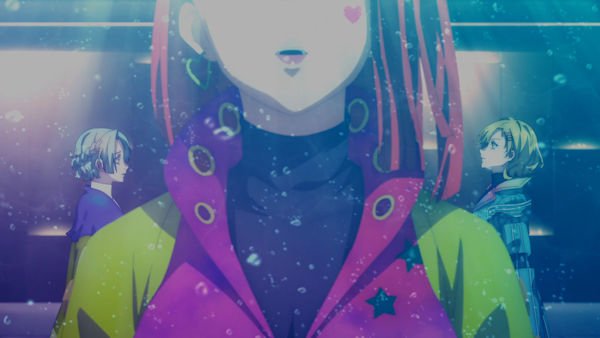
One of the most refreshing aspects of Gnosia is its commitment to diverse representation, which feels organic rather than performative. The series sidesteps traditional anime gender binaries with ease. In the first episode alone, three of the five central characters identify as nonbinary, with one character explicitly identifying as asexual. By normalizing these identities within a sci-fi framework, the show feels modern and inclusive, avoiding the tired tropes that have plagued the medium for decades.
Technical Prowess
The visual presentation is striking. The animation is lush, utilizing a vibrant color palette that contrasts beautifully with the industrial, grimy aesthetic of the ship. The music, characterized by a punchy opening theme and an underlying, haunting synth-score, elevates the horror elements. Even when the plot hits minor snags—such as the unexplained constraints on how often the Gnosia can strike—the atmospheric consistency keeps the viewer tethered to the screen.
Official Responses and Industry Reception
While Gnosia was initially a sleeper hit, its reputation has grown significantly among critics who specialize in interactive storytelling. Critics have praised the adaptation for its ability to distill the "visual novel" experience into a linear narrative without sacrificing the agency that defined the original game.
Industry analysts have noted that Gnosia’s success may signal a shift in how studios approach game adaptations. Rather than focusing on action-heavy titles, there is a growing appetite for narrative-heavy, dialogue-driven psychological thrillers. The "game-to-anime" pipeline is notoriously difficult to navigate, but Gnosia proves that when the source material is treated with reverence for its themes rather than just its imagery, the results can be profound.
Implications: A New Standard for Sci-Fi Anime
The legacy of Gnosia lies in its willingness to be uncomfortable. It asks the audience to sit in the uncertainty of a mystery that cannot be solved by brute force, but by empathy, observation, and the painful process of learning from failure.
The Call for Expansion
At twenty-one episodes, the series leaves the viewer craving more. While the pacing is tight, there were moments where the show’s secondary characters felt like cyphers, serving the plot rather than existing as fully realized people. An expanded season—perhaps reaching the industry-standard twenty-four episodes—could have provided the breathing room necessary to flesh out the backstories of the more enigmatic crew members. Furthermore, the introduction of a central antagonist in the latter half of the season felt rushed; a character of that caliber deserved more screen time to cement their role as a truly terrifying force.
Final Verdict
Gnosia is a triumph of atmosphere and character-driven mystery. It is a rare example of a video game adaptation that not only respects its roots but uses the medium of animation to enhance the source material’s core message. For fans of hard sci-fi, cosmic horror, and cerebral mysteries, Gnosia is mandatory viewing.
Yuri’s journey is one of endurance, and watching them navigate the infinite loops of the ship is a testament to the power of perseverance. The show manages to be intellectually challenging while remaining deeply human—a balance that is difficult to strike, yet Gnosia does so with haunting grace. It is a standout addition to the landscape of modern anime, and one that will undoubtedly influence future genre entries for years to come. Whether you are a fan of the original visual novel or a newcomer to the Gnosia mystery, the experience is well worth the time investment. You might start out confused, but by the time the final loop closes, you’ll be wishing you could start all over again.

 Iffa Jayyana
 Ammar Sabilarrohman